
Are There Different Grades of Medical Titanium Used in Surgical Plates?


 2026-04-03 09:13:52
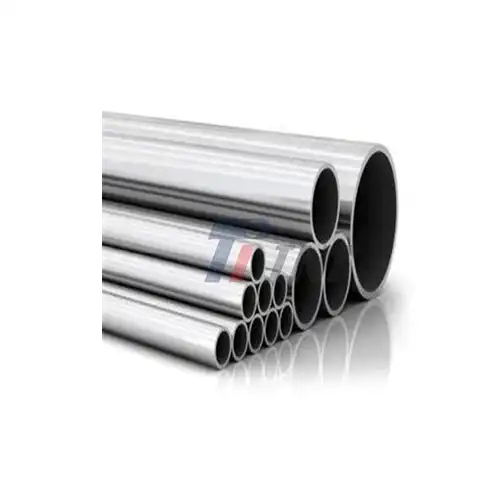
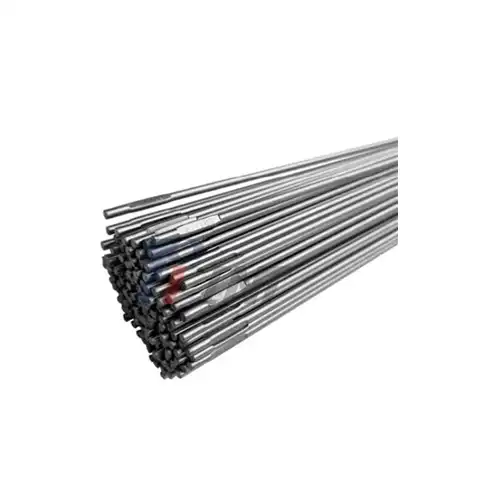
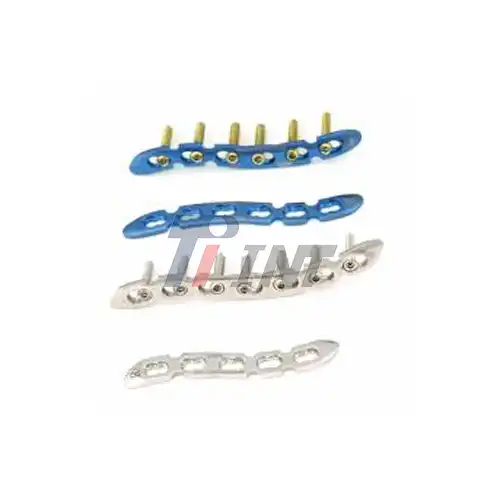
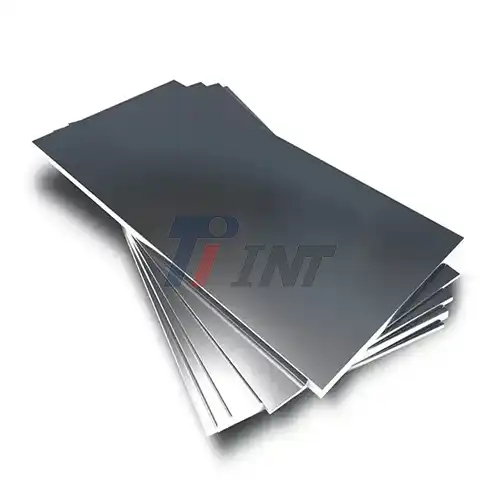
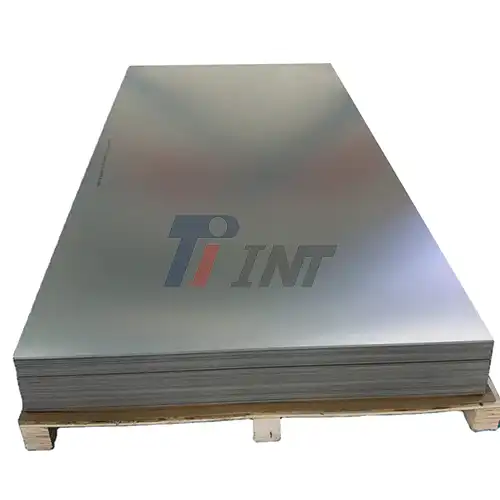
Yes, there are different grades of medical titanium that are used in surgery plates. Each grade is made for a different purpose and level of performance. Most of the time, Grade 2 commercially pure titanium, Grade 4 titanium, Ti6Al4V, and the more modern Ti6Al5V Eli Titanium Sheet Thk 2mm standard are used. For surgery uses, the Ti6Al5V ELI (Extra Low Interstitial) grade is the best because it is biocompatible, has better mechanical properties, and has lower amounts of impurities than other grades. This high-quality material guarantees the best results for patients and long-term implant stability in important orthopedic treatments.
|
|
|
Understanding Medical Titanium Grades and Their Relevance in Surgical Plates
To keep patients safe and devices lasting a long time, the medical device business needs exact material specs. When looking at titanium grades for surgical uses, buying workers and R&D engineers need to know the basic differences between the different alloy compositions.
The ELI Advantage in Medical Applications
Extra Low Interstitial (ELI) titanium metals are the best materials that can be used in medicine. Strict cleaning methods are used to get rid of as much oxygen, nitrogen, and carbon as possible from these special metals. The fewer interstitial elements directly lead to better biocompatibility, flexibility, and wear resistance, all of which are important in the production of surgery plates.
Ti6Al5V ELI specifically contains 6% aluminum and 5% vanadium, creating a balanced composition that delivers exceptional strength-to-weight ratios while maintaining the biocompatibility required for long-term implantation. The alloy's microstructure consists of refined equiaxed alpha and intergranular beta phases, providing remarkable resistance to crack propagation with fracture toughness values that exceed standard titanium grades.
Material Properties Critical for Surgical Success
The mechanical properties of surgical-grade titanium have a direct effect on how well implants work and how well patients do. Ti6Al5V ELI has a tensile strength of more than 860 MPa and a yield strength of more than 795 MPa. It can also stretch by more than 10-15%. These specs are much better than regular non-ELI grades, which makes them perfect for load-bearing uses.
In the harsh chemical climate of the human body, corrosion protection is still very important. The ELI label guarantees consistent performance in body fluids, stopping the release of ions that could cause harmful biological reactions. The material stays completely bio-inert and non-magnetic, which is why it is needed for surgery tools that can work with MRIs.
Processing Excellence for Medical Applications
Medical titanium alloys have better qualities because they are made with more advanced methods. Specifically for medical uses, heat treatment methods improve hardness, ductility, and resistance to rust. During production, quality control methods make sure that the dimensions are correct and the surface finish meets strict standards that are required by medical device laws.
Comparative Analysis: Ti6Al5V ELI vs Ti6Al4V Titanium Sheets for Surgical Plates
Medical device manufacturers are always looking at different materials to find the best ones for both performance and cost. When you compare Ti6Al5V ELI and Ti6Al4V titanium alloys, you can see that they are very different in important ways that affect both purchasing choices and clinical results.
Mechanical Performance Comparison
The mechanical qualities of Ti6Al5V ELI are better than those of the more popular Ti6Al4V alloy. Both materials are very biocompatible, but the ELI grade is better at being flexible and resistant to breaking, which is important for surgery plates that are loaded and unloaded many times. The finer grain of Ti6Al5V ELI comes from controlled processing methods that get rid of possible stress concentrators.
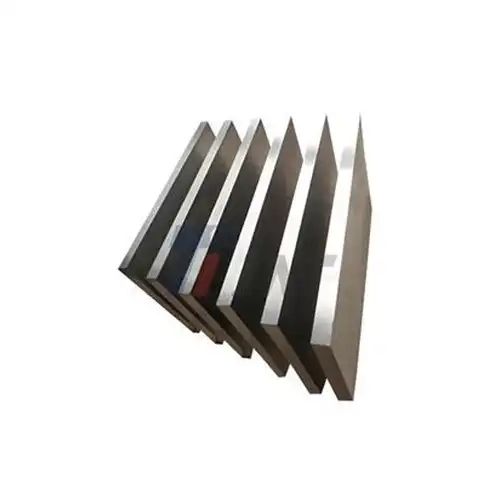
The Ti6Al5V Eli Titanium Sheet Thk 2mm standard gives you the best thickness for a lot of different surgery plate uses. This measurement gives the structure enough strength while still letting it be shaped into the complex shapes needed for orthopedic implants. The 2mm width makes good use of the material without affecting its functional performance.
Biocompatibility and Clinical Considerations
Both metals are very good at working with living things, but Ti6Al5V ELI has less interstitial material, which adds to its safety. The smaller amount of oxygen and iron in ELI grades reduces the chance of cell damage and improves osseointegration over longer periods of time. Long-term results are always better with ELI-grade materials, as shown by clinical tests.
The vanadium content in both alloys requires careful consideration, as some studies suggest potential biological concerns with vanadium ions. However, the controlled release rates in properly processed ELI-grade materials remain well within acceptable limits established by regulatory agencies.
Cost Analysis and Procurement Factors
Ti6Al5V ELI usually costs more than Ti6Al4V because it has to be processed in a certain way and has better qualities. But when you look at things like lower revision rates, better patient results, and possibly less liability, the lifetime value argument often favors ELI grades. The total cost of ownership, not just the original material prices, is what procurement professionals need to look at.
For ELI-grade products to be available on the market and have short lead times, you need to plan ahead. Suppliers that have been around for a while, have all the necessary certifications, and have a history of reliability become important partners in keeping supply lines stable for making important medical devices.
Applications and Industry Use Cases of Ti6Al5V ELI Titanium Sheet (2mm Thickness)
Ti6Al5V ELI sheets that are 2mm thick can be used in many high-performance businesses. Medical applications are the most demanding of these uses. Understanding these uses helps people who buy things understand what the object can do and how well it works.
Medical Orthopedic Applications
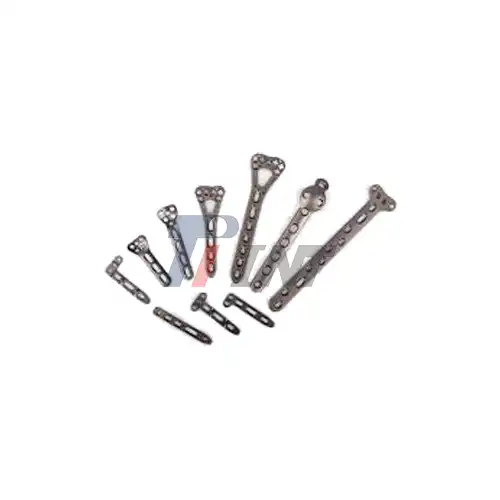
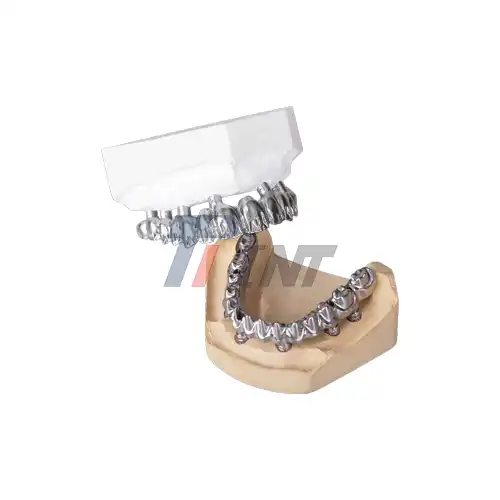
Ti6Al5V Eli Titanium Sheet Thk 2mm is a material that is commonly used by medical device makers to make hip implants. Skull plates, tools for fixing fractures, and spine fusion devices are all made from this material. A thickness of 2mm is normal in the business and strikes a good mix between structural needs and surgical access.
Cranioplasty procedures particularly benefit from this material specification. The thin profile lets doctors recover the shape of the skull, and the ELI grade makes sure that the implant will work well with the body for a long time. Because the material isn't magnetic, it can be used in MRIs without causing picture artifacts or safety issues.
When put through normal physiological loads, fracture fixation plates manufactured from this grade demonstrate exceptional fatigue resistance under physiological loading conditions. The refined microstructure prevents crack initiation and propagation, crucial factors in maintaining structural integrity throughout the healing process.
Aerospace and High-Performance Engineering
Ti6Al5V ELI has been used in aircraft for a long time and has proven to be a high-quality material. This grade is used by aircraft makers for thin-wall bulkheads and engine shields where the failure tolerance is very close to zero. The metal stays strong at high temperatures and doesn't crack when it's exposed to high-frequency vibrations like those found in supersonic flight.
Cryogenic and Energy Sector Applications
Ti6Al5V ELI's special qualities are used in cold storage by the energy sector. This titanium metal stays flexible at temperatures as low as -253°C, while steel breaks down at very high or very low temps. Because of this, it is very useful for boats that store liquid hydrogen and systems that move LNG.
Procurement Guide: How to Source High-Quality Ti6Al5V ELI Titanium Sheets 2mm Thick?
To successfully buy medical-grade titanium, you need to know a lot about quality standards, the skills of suppliers, and government rules. With this advice, buying managers will be able to make decisions that support both quality goals and lowering costs.
Essential Supplier Qualifications
Suppliers of high-quality medical titanium must keep a number of certifications up to date, such as ISO 9001:2015 quality management systems and ISO 13485:2016 medical device quality management certifications. With these guidelines, methods are always the same and can be tracked all the way through the supply chain. Providers should also show that their products meet the requirements for CE marking to sell in Europe and FDA approval to sell in the United States.
Material certifications must include complete chemical composition analysis using inductively coupled plasma optical emission spectroscopy (ICP-OES) or equivalent methods. This testing confirms ELI compliance by verifying interstitial element levels remain within specified limits. Ultrasonic testing according to AMS 2631 Class A guidelines should be done to find flaws below the surface that could weaken the material.
Evaluating Manufacturing Capabilities
Modern providers of medical titanium should show that they can make high-tech products, such as those that can be precisely made, processed in a controlled atmosphere, and have full quality control systems. The fact that dimensions can be kept within ±0.15mm for sheets that are 2mm thick shows that the process control and machine care are very good.
Value-added services like custom cutting, which can use waterjets or lasers, make it easier to buy things and cut down on the need for extra processing. When suppliers offer nitrogen protection for laser cutting, it means they know how to handle titanium's special working needs.
Supply Chain Considerations
Reliable providers keep the right amount of goods on hand to meet customer needs while keeping wait times as short as possible. Minimum order numbers (MOQ) that are flexible can be used for both prototype development and large-scale production. The transportation and planning skills should include the right ways to package things so that they don't get dirty or broken during shipping.
Because making medical devices is so important, the chance of a long-term relationship becomes very important. Suppliers with a history of reliability and sound finances can be counted on to provide ongoing support and consistent quality delivery.
Machining and Heat Treatment of Ti6Al5V ELI Titanium Sheet (2mm)
Processing Ti6Al5V Eli Titanium Sheet Thk 2mm needs special skills and tools to keep the material's qualities and measurements correct. Knowing about these steps helps buying teams judge the skills of suppliers and make sure the quality of the end product.
Machining Best Practices
Due to their work-hardening and thermal qualities, titanium metals are hard to machine in their own way. Cutting tools that are sharp and have positive rake angles lower cutting forces and work hardening as little as possible. Flood coolant application prevents excessive heat generation that could alter material properties or create surface defects.
The 2mm thickness allows for cold forming operations, but titanium's high spring-back requires careful consideration of bend radii. Recommended bend radii should exceed 3-4 times the material thickness (6mm-8mm minimum) to prevent surface cracking and maintain material integrity. Progressive forming techniques often produce superior results compared to single-stage operations.
Heat Treatment Optimization
When Ti6Al5V ELI is heated, the process is mostly about relieving stress and improving its properties, not making it harder. Solution treatment at 900-950°C and then controlled freezing creates the best microstructures for medical uses. Aging treatments can make things stronger, but they need to be carefully managed to keep them from becoming weak.
During heat treatment, vacuum or inert atmosphere protection stops oxygen from getting in, which would destroy the ELI qualities. Oxidation causes surface pollution that makes alpha case layers that hurt biocompatibility and wear resistance.
Quality Control Measures
Complete quality control during the whole process makes sure that the material's features and dimensions stay the same. Metallographic examination at 500x magnification verifies proper microstructure and confirms absence of alpha case formation. Bend testing specific to the 2mm thickness validates formability without surface cracking.
Surface roughness measurements ensure consistency with medical device requirements. Many applications specify maximum Ra numbers that need to be finished in a managed way. To get the surface in the right shape, acid cleaning or mechanical grinding may be needed.
Conclusion
Choosing the right medical titanium types for surgery plates has a direct effect on how well the device works, how safe the patient is, and how well the patient does in the long run. Ti6Al5V ELI represents the premium choice for critical applications requiring exceptional biocompatibility, mechanical properties, and reliability. The 2mm thickness specification provides optimal balance between structural integrity and surgical functionality, making it ideal for orthopedic implant manufacturing. Successful procurement requires careful evaluation of supplier qualifications, manufacturing capabilities, and quality control systems to ensure consistent delivery of medical-grade materials that meet strict legal requirements.
FAQ
What makes Ti6Al5V ELI different from standard titanium grades?
The oxygen, nitrogen, and carbon contents of Ti6Al5V ELI (Extra Low Interstitial) grades are much lower than those of normal grades. This purification process results in enhanced ductility, improved fracture toughness, and superior biocompatibility crucial for medical implant applications. The refined microstructure provides exceptional resistance to crack propagation and maintains consistent properties throughout the material's service life.
Why is 2mm thickness optimal for surgical plates?
The 2mm thickness represents an industry-standard dimension that balances structural requirements with surgical accessibility and patient comfort. This specification provides adequate load-bearing capacity for most orthopedic applications while allowing for complex forming operations required in implant manufacturing. The thickness also enables efficient material utilization and cost-effective processing.
Can Ti6Al5V ELI titanium sheets be cold formed?
Yes, Ti6Al5V Eli Titanium Sheet Thk 2mm can be successfully cold formed using appropriate techniques. However, titanium's high spring-back characteristics require bend radii of at least 3-4 times the material thickness to prevent cracking. Progressive forming methods often produce superior results compared to single-stage operations, particularly for complex geometries.
What certifications should suppliers provide?
Medical titanium providers must show a wide range of credentials, such as ISO 9001:2015 quality management, ISO 13485:2016 medical device quality management, and the right government approvals, like CE marking or FDA registration. Material certificates should include complete chemical composition analysis and mechanical property verification to confirm ELI compliance.
How should Ti6Al5V ELI sheets be stored and handled?
Proper storage requires clean, dry environments with appropriate packaging to prevent surface contamination. Handling procedures should minimize mechanical damage and avoid contact with dissimilar metals that could cause galvanic corrosion. Temperature control prevents condensation that could lead to surface oxidation affecting material properties.
Partner with Baoji INT Medical Titanium Co., Ltd. for Premium Ti6Al5V ELI Solutions
Baoji INT Medical Titanium Co., Ltd. stands as your trusted Ti6Al5V Eli Titanium Sheet Thk 2mm manufacturer with over 20 years of specialized experience in medical-grade titanium production. Our many certificates, such as ISO 9001:2015, ISO 13485:2016, and CE marks, make sure that the quality of our products always meets the strictest medical device standards. We keep strategic amounts of inventory on hand and offer adjustable MOQ choices to meet the needs of both prototype development and full-scale production.
Precision rolling, controlled atmosphere processing, and value-added services like custom cutting and specialized surface processes are some of the advanced production skills we have. To make sure that each product meets ELI standards and is the right size, it goes through a lot of quality control tests, such as ultrasound testing, microstructure evaluation, and chemical composition analysis. Email our technical team at export@tiint.com to talk about your particular needs, ask for certifications of materials, and look at our affordable price choices.
References
1. ASTM International. "Standard Specification for Titanium and Titanium Alloy Strip, Sheet, and Plate." ASTM B265-20a, West Conshohocken, PA, 2020.
2. Niinomi, Mitsuo. "Mechanical Biocompatibilities of Titanium Alloys for Biomedical Applications." Journal of the Mechanical Behavior of Biomedical Materials, vol. 1, no. 1, 2008, pp. 30-42.
3. American Society for Testing and Materials. "Standard Test Methods for Tension Testing of Metallic Materials." ASTM E8/E8M-21, West Conshohocken, PA, 2021.
4. Rack, H.J., and Qazi, J.I. "Titanium Alloys for Biomedical Applications." Materials Science and Engineering: C, vol. 26, no. 8, 2006, pp. 1269-1277.
5. Boyer, Rodney, et al. "Materials Properties Handbook: Titanium Alloys." ASM International Materials Park, Ohio, 1994.
6. Banerjee, Dipankar, and Williams, J.C. "Perspectives on Titanium Science and Technology." Acta Materialia, vol. 61, no. 3, 2013, pp. 844-879.
_1753426579714.webp)
_1750667964882.webp)