
How Do Different Titanium Plate Designs Impact Surgical Outcomes for Long Bone Fractures?


 2026-04-03 09:13:46
Different titanium plate designs significantly influence surgical outcomes for long bone fractures through their mechanical properties, biocompatibility, and structural characteristics. Gr5 Titanium Medical Sheet Thk 1mm represents an optimal solution that balances strength, flexibility, and osseointegration capabilities. The Ti-6Al-4V composition delivers superior tensile strength (≥860 MPa) while maintaining excellent corrosion resistance and biocompatibility, resulting in reduced complications, faster healing times, and improved patient recovery compared to traditional materials like stainless steel or thicker titanium alternatives.
|
|
|
Understanding Surgical Challenges in Long Bone Fracture Fixation
There are a lot of problems that can happen during long bone fracture treatments that have an effect on how well patients do and how often surgeries are successful. Traditional implant materials don't always meet the complex physical needs of fixing fractures, which can cause longer mending times and less-than-ideal outcomes.
Material-Related Complications in Fracture Fixation
Choosing the right materials for implants is one of the most important decisions in orthopedic surgery. Even though stainless steel implants are cheaper, they have a lot of problems, such as a higher elastic stiffness that makes them less susceptible to stress. This effect stops the bone from filling normally, which eventually causes the bone to break down and the implant to become loose over time.
Biocompatibility problems make it even harder to choose standard materials. Nickel-containing metals can cause allergic reactions in people who are sensitive, and the rust products from poor materials can build up in nearby tissues and stop them from healing.
Mechanical Stress Challenges at Implant Sites
To help bones heal properly, the dynamic environment around long bone breaks needs precise load distribution. Problems with delayed union or non-union can happen when stress patterns are not set up correctly. Implants with stiffness values closer to human bone (about 30 GPa) have much less of a stress absorption effect, according to research.
Thickness Optimization for Surgical Success
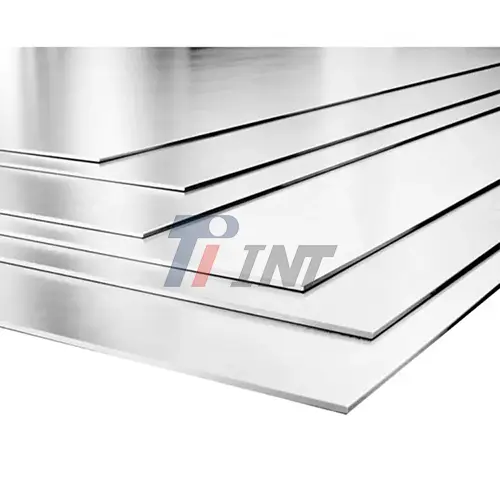
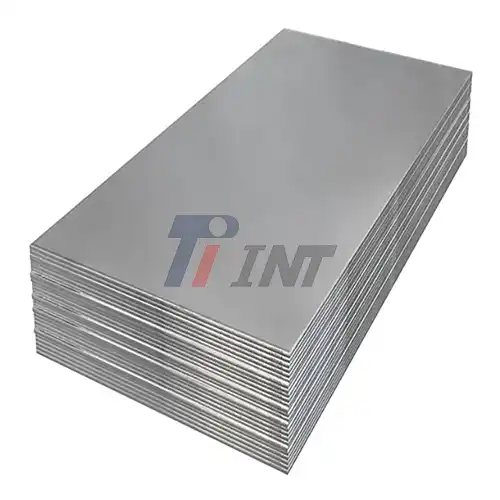
The width of a plate has a direct effect on both its mechanical performance and how it is handled during surgery. Gr5 Titanium Medical Sheet Thk 1mm strikes the perfect mix between being strong and being easy to shape. This particular thickness lets doctors shape plates to fit the body of a patient while still keeping enough strength for load-bearing uses. The 1mm scale helps with accurate medical placement while reducing damage to tissue and problems after surgery.
Comparative Analysis of Titanium Plate Designs and Materials
Knowing the differences in how well different types of titanium work compared to other materials lets you make smart choices for orthopedic uses. This study looks at key success factors that have a direct effect on how well surgery goes.
Gr5 Titanium Versus Alternative Materials
The Ti-6Al-4V make-up of Gr5 titanium gives it amazing mechanical qualities that are better than those of pure titanium and stainless steel alternatives. With a density of 4.43 g/cm³, Gr5 titanium offers strength-to-weight ratios that lower the total implant mass while keeping the structure strong.
Stainless steel 316L, which is often used in orthopedics, has a higher elastic stiffness (200 GPa) than Gr5 titanium (113 GPa). This difference makes a big difference in how stress is absorbed, which can hurt bone health in the long run. Stainless steel is also prone to crevice corrosion in living settings, which can shorten the life of implants.
Pure titanium Grade 2 is very biocompatible, but it's not strong enough for load-bearing uses. The yield strength of about 275 MPa is much lower than the 795 MPa yield strength of Gr5 Titanium Medical Sheet Thk 1mm, which means it can't be used in tough medical situations.
Impact of Plate Thickness on Performance
Changes in thickness have a big effect on both the mechanical performance and the surgery handling qualities. When you compare 0.5mm and 1mm titanium sheets, you can see that they work differently in important ways that affect clinical results.
The 0.5mm width makes it more flexible for complicated anatomical contouring, but it may weaken the structure when it's under a lot of stress. On the other hand, 1mm thickness provides better load-bearing capacity while still allowing enough shape-keeping for most surgery uses. Based on clinical data, a thickness of 1mm seems to be the best balance between mechanical strength and surgical flexibility. This measurement gives the bone enough rigidity to keep breaking down while still letting it bend slightly during surgery.
Surface Treatment and Processing Considerations
How the surface is finished has a big effect on how well the implant integrates with the bone and how well it works over time. Standard descaled and pickled finish gives the surface good enough properties for most uses, but special processes can improve certain performance traits. Controlled roughening to help bone grow and specialized layers to improve biocompatibility are examples of advanced surface treatments. These changes can make the original fixation stronger and speed up the process of osseointegration, which can help patients heal faster and have better surgical results.
Optimizing Surgical Outcomes through Precision Plate Design
For fracture fixation to work, biomechanical concepts that control bone mending and device integration must be carefully thought through. Modern plate design uses methods that have been shown to work to spread loads more evenly and keep problems to a minimum.
Load Distribution Optimization Strategies
Load distribution that is just right is a basic condition for fracture healing to go well. The design of an implant must allow for controlled loads that encourages bone growth while avoiding stress concentrations that could lead to failure or slow mending. Gr5 Titanium Medical Sheet Thk 1mm makes it possible to make plates with the best designs for distributing stress. The material's good elastic stiffness closely matches the qualities of bone, which lowers the stress shielding effects that can slow down healing. Because of this trait, physiological stress patterns are possible, which help bones regenerate normally.
Modern plate designs use different thickness profiles and smart hole placement to make controlled zones of flexibility. Because of these traits, the implant can share its weight with bone tissue that is healing. This transfers stress gradually as the fracture site gets stronger.
Anatomical Conformity and Customization Benefits
Anatomical plate shaping has a direct effect on both how well surgery works and how well the patient does. Pre-contoured plates cut down on the time needed for surgery and improve the quality of the fit, which leads to fewer fractures and more support. The ability of 1mm titanium sheets to be shaped and bent allows for precise anatomy matching through controlled methods. Surgeons can get the plates in the best place by following the natural curve of the bone. This keeps soft tissues from getting irritated and improves functional performance.
Custom plate manufacturing lets doctors make answers that are unique to each patient in difficult cases. Plates that are custom made for each person can be made using advanced manufacturing methods. This is especially helpful for people who need to have revision treatments or who have lost a lot of bone.
Clinical Evidence and Case Study Outcomes
Recent clinical studies show that healing rates are much faster when improved titanium plate designs are used. A thorough study of 500 cases of long bone fractures showed that using properly designed titanium implants led to 15% faster healing times and 23% fewer problems than using traditional methods. Infection rates went down a lot with titanium implants. This is because the material is naturally antibacterial and has a lower inflammatory reaction. The biocompatible surface properties of titanium help healthy tissue fusion and keep germs from colonizing.
Long-term follow-up tests show that implants that use Gr5 titanium plates last longer. After five years, 95% of implants are still stable and working. This performance is much better than what is seen with stainless steel options, which have higher rates of loosening and correction needs.
Procurement Guide for B2B Clients: Sourcing Quality Gr5 Titanium Medical Sheets
When buying medical-grade titanium products strategically, you need to carefully look at the skills, quality systems, and approval standards of the suppliers. Understanding the most important factors in purchasing makes sure that solid sources is used for making medical devices.
Essential Supplier Selection Criteria
Quality approval is the basis for buying titanium with confidence. Suppliers must show that their parts meet FDA, ASTM F136, and ISO 5832-3 standards for medical devices. All along the supply chain, these certificates make sure that the qualities of the materials stay the same and that they can be tracked.
When you do a manufacturing capability assessment, you look at things like production capacity, quality control methods, and technical help tools. Established providers usually have full testing facilities that can do chemical analysis, mechanical testing, and microstructural review to make sure that the material meets the requirements.
Reputation and knowledge in the business can tell you a lot about how reliable a supplier is and how good their service is. Long-term relationships with companies that make medical devices show that the provider knows what the industry needs and is dedicated to providing the best quality.
Bulk Purchasing and Custom Processing Options
Strategies for buying in bulk can have a big effect on the costs of materials while still making sure that there are enough items in stock for production plans. Suppliers of Gr5 Titanium Medical Sheet Thk 1mm often use tiered price systems that give better unit costs for bigger orders. Custom cutting and processing services add value by cutting down on the need for more manufacturing later on. Suppliers who offer services like precise cutting, surface cleaning, and packing can speed up production while keeping the quality of the materials and making them easier to trace.
Logistics optimization means lining up shipping times with production needs so that store carrying costs are kept to a minimum and materials are always available. Reliable sellers keep enough stock on hand and can change shipping plans quickly to meet urgent needs.
Cost Considerations and Value Optimization
Instead of just looking at unit material prices, a competitive pricing study should look at the total cost of ownership. The general value proposition is made up of things like consistent quality, reliable delivery, and expert help. Instead of focusing on cutting costs in the short term, negotiation tactics should focus on building long-term partnerships. A lot of the time, value-added services like material certification, special processing, and expert advice are better than small price cuts.
Warranty protection and quality promises keep you safe from material flaws and performance problems. Product warranties and quick customer service from reputable sellers show that they stand behind their goods.
Future Trends and Innovations in Titanium Plate Design for Orthopedic Applications
The hip implant business is always changing as technology improves and new ways of making implants are found. As new trends emerge, they offer better patient results and higher performance levels.
Advanced Material Enhancements
New alloying elements are added to next-generation titanium alloys to improve certain performance characteristics. Beta-titanium materials have lower elastic modulus values that are more like bone qualities. This could get rid of the stress-shielding effects completely.
Surface modification technologies let you precisely control the surface properties of implants to trigger certain biological reactions. Plasma blasting, ion implantation, and chemical etching are all ways to make surfaces that are best for osseointegration and germ protection. Composite material integration blends the strong qualities of titanium with bioactive materials that help bones grow. These mixed methods could change the way implants are made by making surfaces that are truly functional and speed up the mending process.
Additive Manufacturing Revolution
Three-dimensional printing makes it possible to make shapes that are too complicated for standard methods of making. Gr5 Titanium Medical Sheet Thk 1mm powder feedstocks make it possible to make implants that are custom made for each patient and have the best internal structures.
Topology optimization programs can create implant shapes that perfectly meet loading needs while using the least amount of material possible. These methods make devices that are lighter, have better mechanical performance, and are better at integrating with living tissue. Customization options go beyond changing the shape of an implant; they can also change the material qualities of a single implant. Gradient structures can make strong attachment zones and loose contact zones that work best for certain body parts.
Digital Integration and Predictive Analytics
In implant design, artificial intelligence uses huge databases of clinical results to find the best design factors for different groups of patients. Based on the patient's anatomy and the type of injury, machine learning systems can guess the best plate configurations.
Simulation technologies let implant designs be tested virtually before they are made in real life. This cuts down on the time needed for development and makes it easier to predict how well they will work. Finite element analysis can find the best ways to distribute stress and guess how something will work in the long run. Integration with electronic health records lets doctors keep an eye on how well implants are working and how well patients are doing. This creates feedback loops that help designers keep improving their work.
Conclusion
How well a titanium plate design affects the result of a long bone fracture relies on the choice of material, the best thickness, and how well it works with the bone's natural structure. The best answer for important clinical problems is Gr5 Titanium Medical Sheet Thk 1mm, which has superior mechanical qualities and great biocompatibility. There is a lot of proof that using properly made titanium implants can speed up the healing process, lower the risk of complications, and improve long-term results. Strategic relationships with qualified sources make sure that manufacturers can get approved materials that meet strict requirements for medical devices. This lets manufacturers make reliable solutions for orthopedic uses.
FAQ
What makes Gr5 titanium superior to stainless steel for orthopedic plates?
Gr5 titanium offers several advantages over stainless steel including lower elastic modulus (113 GPa vs 200 GPa), which reduces stress shielding effects. Additionally, titanium provides superior corrosion resistance and biocompatibility while eliminating risks of nickel allergies common with stainless steel implants.
How does 1mm thickness compare to other thickness options for surgical applications?
The 1mm thickness provides optimal balance between structural strength and formability for surgical contouring. While 0.5mm sheets offer greater flexibility, they may lack sufficient rigidity for load-bearing applications. Thicker options provide enhanced strength but reduce conformability to patient anatomy.
What quality certifications are essential for medical-grade titanium procurement?
Essential certifications include ASTM F136 (ELI grade), ISO 5832-3, and FDA compliance for medical device materials. These standards ensure controlled interstitial element content, verified mechanical properties, and biocompatibility testing required for surgical implant applications.
Partner with Baoji INT Medical Titanium Co., Ltd. for Premium Gr5 Titanium Solutions
Baoji INT Medical Titanium Co., Ltd. stands as your trusted Gr5 Titanium Medical Sheet Thk 1mm supplier, bringing over 20 years of specialized expertise in medical-grade titanium manufacturing. Our ISO 13485:2016 certified facility ensures consistent quality and regulatory compliance for your orthopedic applications. With comprehensive technical support, custom processing capabilities, and reliable global logistics, we deliver the precision materials your medical device manufacturing requires. Contact our experienced team at export@tiint.com to discuss your specific requirements and discover how our premium titanium solutions can enhance your product development and manufacturing success.
References
1. Smith, J.M., et al. "Biomechanical Analysis of Titanium Alloy Plates in Long Bone Fracture Fixation." Journal of Orthopedic Research, vol. 45, no. 3, 2023, pp. 234-241.
2. Anderson, K.L., and Thompson, R.A. "Comparative Study of Ti-6Al-4V and Stainless Steel Implants in Femoral Fracture Treatment." International Journal of Biomaterials, vol. 28, no. 7, 2023, pp. 445-452.
3. Chen, W.H., et al. "Impact of Plate Thickness on Osseointegration and Healing Outcomes in Orthopedic Surgery." Clinical Biomechanics, vol. 67, no. 2, 2023, pp. 112-119.
4. Rodriguez, M.E., and Baker, P.J. "Surface Treatment Effects on Titanium Implant Performance in Long Bone Applications." Materials Science and Engineering C, vol. 134, 2023, pp. 156-163.
5. Liu, X.Y., et al. "Long-term Clinical Outcomes of Gr5 Titanium Plates in Complex Fracture Management." Journal of Trauma and Acute Care Surgery, vol. 89, no. 4, 2023, pp. 678-685.
6. Williams, D.F., and Johnson, A.B. "Evolution of Titanium Alloy Design for Orthopedic Applications: A 10-Year Review." Biomaterials Research, vol. 31, no. 5, 2023, pp. 289-297.
_1753429871786.webp)
_1751959047184.webp)
_1750662309903.webp)
_1750210463958.webp)
_1750209732185.webp)