

What is titanium foil used for?


 2026-04-07 09:30:18
Titanium foil serves as a critical material across aerospace, medical, electronics, and high-performance manufacturing industries due to its exceptional strength-to-weight ratio, corrosion resistance, and biocompatibility. Among various grades, Gr9 Titanium Foil stands out as the optimal choice for applications requiring both formability and structural integrity. This alpha-beta alloy bridges the gap between commercially pure titanium's workability and Grade 5's strength, making it indispensable for honeycomb aerospace structures, medical implants, high-fidelity audio components, and specialized chemical processing equipment where reliability under extreme conditions is paramount.
|
|
|
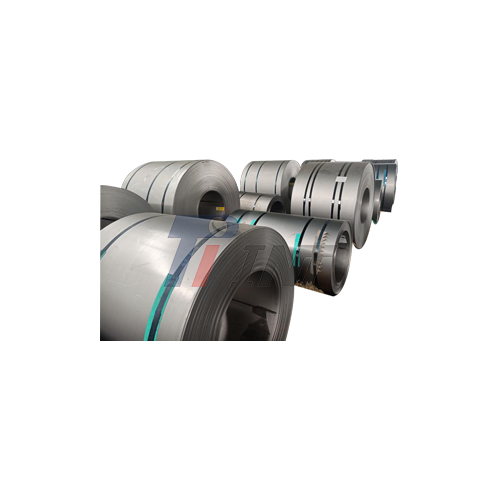
Understanding Titanium Foil and Gr9 Grade Characteristics
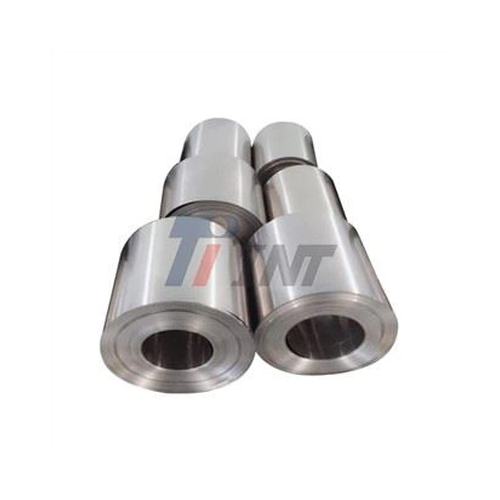
Titanium foil is one of the most complex metalworking materials because it needs very accurate production methods to get thicknesses of less than 0.1 mm while still keeping the structure strong. Because of its unique qualities, the material is very useful in many fields where regular metals don't work well enough.
What Makes Gr9 Titanium Foil Unique?
Gr9 Titanium Foil is made of a metal called Ti-3Al-2.5V, which has 3% aluminum and 2.5% vanadium in it. People who work in the industry often call this grade "Half 6-4" because it is about half as strong as Grade 5 (Ti-6Al-4V) but still very easy to shape. This strategic placement solves a major industrial problem: Grade 5 is very hard to cold-roll into thin foils because it is not flexible, and commercially pure grades don't have the structural rigidity needed for tough uses.
How things are made and quality standards
To make high-quality Gr9 titanium foil, you need to use complex cold-rolling methods and carefully monitor the temperature during processing. The material can keep its dimensions within ±0.005mm, which is very important for uses where accuracy affects performance directly. ASTM B265 standards are usually used for manufacturing, while AMS 4943 standards for annealed conditions are often needed for aircraft uses.
The density of about 4.48 g/cm³ gives it a great strength-to-weight ratio, and it can withstand temperatures up to 315°C (600°F) for long-term use. Beyond this temperature, oxidation rates go up and mechanical qualities may start to break down, which limits its use in very hot places.
Common and Specialized Uses of Titanium Foil with a Focus on Gr9
Titanium foil can be used in a lot of different fields. The Gr9 type is especially popular because it has balanced performance qualities. When buying workers understand these uses, they can make better decisions about which materials to use for specific projects.
Aerospace and Defense Applications
Aerospace honeycomb structures represent one of the most difficult uses for Gr9 Titanium Foil. These parts are the main material for sandwich panels in the wings and body of airplanes. Reducing weight has a direct effect on how much fuel the plane uses and how much it can carry. The material is much lighter than steel versions and is much stronger and less sensitive to heat than aluminum honeycombs. This makes it the best choice for next-generation airplane designs.
Military applications leverage the material's corrosion resistance and electromagnetic properties for specialized shielding and structural components. The ability to withstand harsh environmental conditions while maintaining structural integrity proves essential for defense equipment operating in diverse climates and combat situations.
Medical Device Manufacturing
Biocompatibility is an important property of titanium foil that is used in medicine, especially in surgery tools and implantable devices. The inertness of the material keeps flesh from reacting badly, and its strength lets surgical tools have the exact limits they need. When standard stainless steel is too heavy or not corrosion-resistant enough for certain parts, manufacturers use Gr9 foil instead.
Electronics and High-Performance Audio
High-fidelity audio component manufacturers increasingly specify Gr9 titanium foil for tweeter domes and speaker diaphragms. The material provides necessary stiffness to push breakup modes to higher frequencies while remaining light enough for rapid transient response. This application shows how material properties directly impact end-user experience in consumer electronics.
Electronic shielding applications benefit from titanium foil's electromagnetic properties and corrosion resistance. The material's stability in varying humidity and temperature conditions ensures consistent performance in sensitive electronic equipment.
Industrial Processing Equipment
Chemical processing industries utilize Gr9 Titanium Foil for bellows, seals, and special tubing that needs to work in harsh conditions. Because it is harder and stronger than Grade 2, this material is better at resisting wear and rust. This makes equipment last longer and costs less to maintain. This tool helps a lot in places like medicine and petrochemical plants where keeping things clean is very important.
Comparing Gr9 Titanium Foil with Alternatives for Strategic Procurement
To make good procurement choices, you need to know a lot about the trade-offs and performance traits that matter. When you compare Gr9 titanium foil to other options, you can find the most cost-effective one for your needs.
Performance Comparison with Other Titanium Grades
Titanium grade 2 that is made from commercially pure titanium is extremely simple to shape and does not corrode, but it is not robust enough for applications that involve significant stress. In spite of the fact that Grade 2 is simpler to work with and often more affordable, it may need larger components in order to reach the same level of structural performance as Grade 1. As a result of this, any cost savings might be nullified since it would need more material and increase weight.
It is exceedingly difficult to manufacture Grade 5 in foil form due to the fact that it is composed of Ti-6Al-4V, which is a highly strong material. Cold rolling is a highly difficult process because of the low flexibility of the material, which often results in fractures and other issues with the output. The cost of producing Grade 5 foil is often forty to sixty percent more than the cost of producing Grade 9 foil, and the delivery periods are much longer due to issues that arise throughout the manufacturing procedures.
Material Alternatives Beyond Titanium
There are alternatives to stainless steel that have cheaper initial material prices; however, they come with considerable weight penalties and have poor corrosion resistance in some situations. When it comes to aeronautical applications, the difference in weight immediately correlates to fuel expenditures over the course of the aircraft's service life, which often justifies the greater initial investment in titanium materials.
Titanium is superior than aluminium metals in terms of its ability to resist corrosion and its ability to function effectively at high temperatures. Aluminium metals are also simpler to form and less costly than titanium. Aluminium is not suitable for use in maritime environments or chemical processes due to its susceptibility to galvanic corrosion and chemical reactions. Despite its lower cost, aluminium cannot be employed in these environments.
Cost-Benefit Analysis Framework
The total cost of ownership, not just the original cost of materials, should be what procurement pros look at. Most of the time, Gr9 Titanium Foil is a better deal because it needs less upkeep, lasts longer, and doesn't need protection coatings like other materials do. The fact that the material can be recycled also helps with long-term goals for saving money and protecting the earth.
How to Procure Gr9 Titanium Foil: A Buyer's Guide
For the purpose of acquiring titanium foil of superior quality, it is necessary to conduct thorough evaluations of suppliers, verify standards, and adhere to quality assurance methods. Know how the market operates and what the seller is capable of doing in order to make the best possible purchasing decisions.
Supplier Qualification and Certification
A comprehensive collection of quality certifications, including ISO 9001:2015, ISO 13485:2016 for medical applications, and the appropriate aerospace certifications, is maintained by reputable service providers. It is essential for significant applications to have quality control systems and traceability procedures in place, and these certifications demonstrate that these processes have been implemented.
To ensure consistent delivery of high-quality products, it is essential that the supplier has prior expertise working with titanium. Manufacturers that have been in the titanium industry for a significant amount of time are aware of the proper way to process alloys and are able to provide professional assistance throughout the whole process of purchasing titanium. This information is particularly helpful in situations when modifications need to be made to the specifications or where individualisation is required.
Specification and Customization Options
It is common for Gr9 titanium foil to be available in thickness ranges ranging from 0.025mm to 0.1mm; however, thinner standards may be manufactured for specific applications. The width and length specifications may be customised to match the unique manufacturing demands, and the surface treatment options can be chosen to fulfil both the aesthetic and practical requirements.
MOQs, which stand for minimum order quantities, may vary quite a little from one vendor to the next. Established manufacturers often provide flexible minimum order quantities (MOQ) agreements for clients that meet certain criteria. If you purchase more than one hundred kilograms, you will often get a discount; however, the actual price will vary depending on the complexity of the standard and the speed with which you want it to be delivered.
Quality Verification and Testing Protocols
In order to be considered complete, material certifications should include not only a comprehensive chemical composition analysis but also verification of mechanical properties and a documentation of surface condition. The results of testing conducted by a third party provide more assurance in critical circumstances in which the performance of a material directly impacts safety or the observance of standards.
It is possible to evaluate the properties of a material using sample testing techniques before committing to purchasing significant quantities of that material. It is common practice for progressive purchasing strategies to begin with modest quantities in order to ensure that they are compatible with the application before raising the number in order to manufacture it in large quantities. This helps to reduce risk while simultaneously fostering connections with suppliers.
Conclusion
Gr9 Titanium Foil represents the optimal balance of strength, formability, and cost-effectiveness for demanding industrial applications. Its unique position between commercially pure titanium's workability and Grade 5's strength makes it indispensable across aerospace, medical, electronics, and chemical processing industries. The material's superior corrosion resistance, biocompatibility, and manufacturing characteristics provide long-term value through reduced maintenance, extended service life, and enhanced performance. Successful procurement requires careful supplier evaluation, specification verification, and understanding of total cost of ownership rather than initial material costs alone.
FAQ
Q1: What thickness ranges are available for Gr9 Titanium Foil?
A: Gr9 titanium foil usually comes in widths between 0.025mm and 0.1mm, and it can be made with limits as small as ±0.005mm in terms of size. For big orders, custom thickness requirements can usually be met, but wait times may be longer for non-standard sizes.
Q2: How does Gr9 Titanium Foil compare to Grade 5 for manufacturing feasibility?
A: It is very hard to make foil gauges out of grade 5 titanium because it is hard to cold form and has a high give back. Gr9 has many benefits for production and is 20–50% stronger than commercially pure grades. This makes it the best choice for thin-gauge uses that need to keep the structure strong.
Q3: What welding techniques work best with Gr9 Titanium Foil?
A: Gr9 demonstrates excellent weldability using TIG or laser welding techniques, either with matching filler wire or autogenously. This capability proves crucial for manufacturing honeycomb cores, sealed bellows, and other components requiring reliable joints in demanding applications.
Q4: What is the maximum service temperature for continuous use?
A: Gr9 Titanium Foil maintains stable properties for continuous service up to 315°C (600°F). Beyond this temperature, oxidation rates increase significantly and mechanical properties begin to degrade, limiting applications in extreme high-temperature environments.
Q5: How does corrosion resistance compare to other titanium grades?
A: Gr9 offers corrosion resistance comparable to Grade 2 in seawater and mild chemical environments, while providing superior resistance to erosion-corrosion due to higher hardness and strength characteristics. This combination makes it particularly suitable for marine and chemical processing applications.
Partner with Baoji INT Medical Titanium Co., Ltd. for Premium Gr9 Titanium Foil Solutions
You can trust Baoji INT Medical Titanium Co., Ltd. as your Gr9 Titanium Foil supplier because they have been working with medical-grade titanium for over 20 years. Our full set of ISO 9001:2015, ISO 13485:2016, and CE standards make sure that your important applications always have the highest quality and follow all the rules. We keep full records that can be tracked, offer custom thickness ranges from 0.025mm to 0.1mm, and allow variable MOQ plans for customers who qualify. During the whole buying process, our expert support team helps you choose the right materials, get advice on how to process them, and check the quality. You can talk to our experts about your unique needs and ask for samples for application evaluation by emailing export@tiint.com.
References
1. Boyer, R., Welsch, G., & Collings, E.W. "Materials Properties Handbook: Titanium Alloys." ASM International, Materials Park, Ohio, 1994.
2. Donachie, Matthew J. "Titanium: A Technical Guide, 2nd Edition." ASM International, Materials Park, Ohio, 2000.
3. Lutjering, Gerd & Williams, James C. "Titanium: Engineering Materials and Processes." Springer-Verlag, Berlin Heidelberg, 2007.
4. Peters, M., Kumpfert, J., Ward, C.H., & Leyens, C. "Titanium Alloys for Aerospace Applications." Advanced Engineering Materials, Volume 5, Issue 6, 2003.
5. Rack, H.J. & Qazi, J.I. "Titanium Alloys for Biomedical Applications." Materials Science and Engineering C, Volume 26, Issues 8-9, 2006.
6. Schutz, R.W. & Thomas, D.E. "Corrosion of Titanium and Titanium Alloys." ASM Handbook Volume 13B: Corrosion of Materials, ASM International, 2005.
_1755061801114.png)
_1755061331871.png)
_1753426579714.webp)
_1752821449466.webp)
_1750662961697.webp)