


Are There Medical Titanium Bars Specifically Designed for Dental Implant Procedures?


 2026-03-27 14:18:23
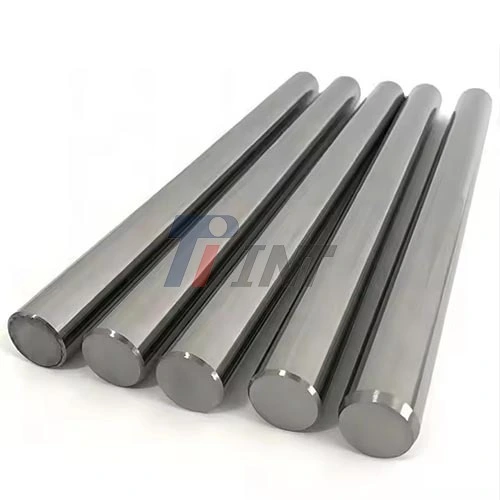
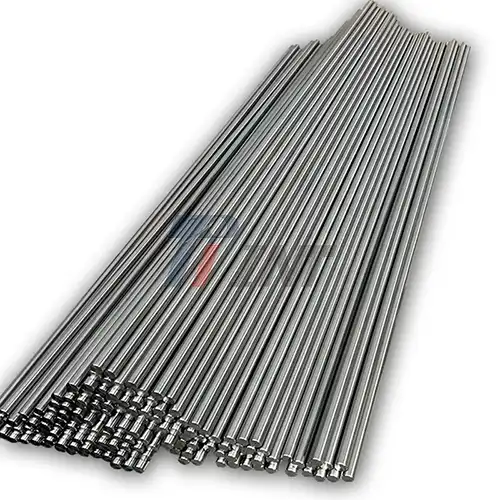
Yes, there are medical titanium bars specifically engineered for dental implant procedures, with Gr 4 Pure Titanium Medical Bar being the gold standard in the industry. These specialized bars offer exceptional biocompatibility, corrosion resistance, and mechanical strength essential for successful dental implantation. Grade 4 titanium represents the highest grade of commercially pure titanium, providing optimal osseointegration properties that enable implants to fuse seamlessly with bone tissue. Medical device manufacturers and dental professionals rely on these precision-engineered bars to create implants that deliver long-term stability and patient safety.
|
|
|
Introduction
Medical titanium bars are important parts of dental implantology because they offer the best longevity, biocompatibility, and structural integrity that modern dentistry needs. Choosing the right titanium grades, especially Grade 4 pure titanium, has a big effect on how well implants work and how well patients do in the long run. This in-depth study looks at what makes Grade 4 titanium bars unique, how they're made, how they benefit from being made from other materials, and how they can be used in the real world to make dental implants.
Medical device experts and people who buy things from other businesses will learn useful things that they can use to confidently find, evaluate, and add high-quality medical-grade titanium bars to their production processes. Knowing these things helps you make smart choices that have a direct effect on the quality of your products, your ability to follow the rules, and your ability to compete in the market.
Understanding Grade 4 Pure Titanium Medical Bars
Superior Material Properties and Composition
In the medical field, Grade 4 titanium stands out because it has the best mix of strength, resistance to rust, and biocompatibility. As economically pure titanium, it has a carefully controlled chemical makeup that gives it better mechanical qualities that are needed for implants to last a long time. The substance has very little iron (less than 0.50%), oxygen (0.40%), and other small amounts of other elements. It is mostly titanium, which makes it very strong and useful.
Enhanced Performance Over Lower Grades
The tensile strength and longevity of Gr 4 Pure Titanium Medical Bar are much higher than those of Grade 2 titanium. This makes it a much better choice for demanding medical uses like dental implants. Tensile strengths of at least 550 MPa are reached in Grade 4 titanium, compared to 345 MPa in Grade 2. This gives it the mechanical strength needed for load-bearing dental uses.
Medical Certification and Standards Compliance
Grade 4 titanium is recognized as medical-grade, which means it meets strict biocompatibility and safety standards set by ISO 13485, ASTM F67, and FDA rules. These licenses give manufacturers and business-to-business buyers peace of mind about the safety and dependability of the products they sell. They also boost faith in the regulatory approval processes for dental implant devices.
Medical Titanium Bars Specifically Designed for Dental Implant Procedures
Clinical Performance and Case Studies
Grade 4 titanium is now the best material for dental implant bars because it is very strong, doesn't rust, and is very compatible with living things. In clinical tests, implants have been shown to work well in real life, with survival rates of over 95% over 10-year periods. These results show that the material is reliable in important medical uses and stress long-term implant security and patient safety.
Comparative Material Analysis
The following comparison highlights Grade 4 titanium's advantages over alternative materials commonly considered for dental applications:
- Grade 5 Titanium Alloys: While offering higher strength, Grade 5 contains aluminum and vanadium, which some studies suggest may cause long-term biocompatibility concerns in dental applications
- Stainless Steel: Exhibits inferior corrosion resistance in biological environments and lacks the biocompatibility profile required for permanent implantation
- Nickel-Titanium Alloys: Demonstrate shape memory properties but carry potential nickel sensitivity risks for certain patient populations
This comprehensive analysis demonstrates how Gr 4 Pure Titanium Medical Bar balances cost-effectiveness with superior durability, enabling dental manufacturers and procurement specialists to make informed decisions aligned with quality and budget requirements.
Biocompatibility Excellence
Grade 4 titanium's exceptional biocompatibility stems from its ability to form a stable oxide layer that prevents ion release into surrounding tissues. This characteristic promotes osseointegration while minimizing inflammatory responses, creating optimal conditions for successful implant integration and long-term stability.
Manufacturing and Supply Chain of Grade 4 Titanium Medical Bars
Production Standards and Quality Control
Dental-grade Grade 4 titanium bars are made by carefully selecting raw materials, processing them precisely, and following strict medical certifications. This makes sure that the quality stays the same throughout the whole manufacturing process. Modern melting methods, like vacuum arc remelting and electron beam melting, get rid of flaws and make uniform material structures that are needed in medical uses.
Customization Capabilities and OEM Support
Modern makers use advanced quality controls designed for the healthcare industry and offer a wide range of customization options to meet exact OEM requirements when making dental implants. These options include unique circle sizes, surface treatments, and changes to the mechanical properties that fit the needs of the implant design.
Global Sourcing and Procurement Considerations
Procurement workers who are in charge of medical titanium supply chains need to know about global buying choices, price comparisons, minimum order amounts, and wait times. Important things to think about are:
- Typical minimum order quantities ranging from 100 to 500 kilograms depending on specifications
- Lead times of 4-8 weeks for standard grades, extending to 10-12 weeks for custom specifications
- Price stability factors influenced by raw material costs and global titanium market conditions
- Quality documentation requirements including material certificates and traceability records
Efficient supply chain logistics optimized specifically for medical-grade titanium guarantee timely delivery and compliance with international standards, supporting uninterrupted production schedules.
Application of Grade 4 Titanium Bars in Dental Implantology
Technical Integration Guidelines
Gr 4 Pure Titanium Medical Bar serves as an integral component in dental implant fabrication, offering structural integrity and high biocompatibility essential for successful patient outcomes. Medical device engineers benefit from established technical guidelines that facilitate seamless integration of these bars into implant design workflows, enhancing both performance and safety profiles.
Product Development Applications
The versatility of Grade 4 titanium enables its application across various dental implant configurations, including single-tooth implants, bridge supports, and full-arch restoration systems. The material's machinability allows for precise threading, surface texturing, and dimensional accuracy that meets stringent dental manufacturing requirements.
Regulatory Compliance and Documentation
Examples of dental implant goods made with Grade 4 titanium show how this material supports the dependability of products and their ability to follow regulations in all global markets. Full sets of paperwork, such as biocompatibility test results and certificates of mechanical properties, help with FDA 510(k) applications and the CE marking process that is needed to get products on the market.
Choosing the Right Titanium Grade for Your Dental Implant Needs
Material Selection Criteria
To choose the best titanium grade, you need to carefully look at its tensile strength, resistance to rust, biocompatibility, and source stability, while also keeping cost in mind. Grade 4 titanium can be used for a lot of different implant designs because it performs well without making the business less profitable in dentistry markets that are very competitive.
Supplier Evaluation Process
Businesses should look for relationships with well-known OEMs and wholesalers that offer approved goods that meet strict regulatory requirements. Manufacturing knowledge, quality system certifications, expert support skills, and the ability to reliably produce goods over the long term are all important factors that go into the evaluation process. Sample testing programs, building checks, and practice production runs that prove the supplier's skills are common ways for partnerships to work out well.
Strategic Procurement Approach
It's helpful for decision-makers to know about the important factors and methods for screening suppliers that make sure that buying plans are in line with technical, financial, and strategic needs. This includes looking at the total cost of ownership, the stability of the supply chain, and the ability to support innovation that gives dental implant markets long-term competitive benefits.
Conclusion
The best material for tooth implant treatments is Gr 4 Pure Titanium Medical Bar, which has the best biocompatibility, mechanical strength, and clinical performance. The material has a history of success in medical uses, and it is the standard for high-quality tooth implants thanks to its many governmental approvals and production know-how. When buyers and makers of medical devices put Grade 4 titanium at the top of their lists, they gain a competitive edge through better product quality, legal compliance, and better patient results that drive market success.
FAQ
What makes Grade 4 titanium suitable for dental implants?
Grade 4 titanium offers the highest strength among commercially pure titanium grades while maintaining excellent biocompatibility and corrosion resistance. Its ability to osseointegrate with bone tissue makes it ideal for permanent dental implant applications.
What are typical lead times for medical-grade titanium bar orders?
Standard Grade 4 titanium bars typically require 4-8 weeks for delivery, while custom specifications may extend lead times to 10-12 weeks. Planning procurement schedules around these timelines ensures uninterrupted production workflows.
Can suppliers provide customized titanium bar specifications?
Yes, experienced medical titanium suppliers offer extensive customization options including specific diameters, lengths, surface treatments, and mechanical properties tailored to unique implant design requirements and manufacturing processes.
What certifications should buyers expect from titanium suppliers?
Reputable suppliers provide ISO 13485 quality system certification, ASTM F67 material compliance, and comprehensive material certificates documenting chemical composition, mechanical properties, and biocompatibility testing results.
How does Grade 4 titanium compare cost-wise to other materials?
While Grade 4 titanium commands premium pricing compared to stainless steel alternatives, its superior biocompatibility, corrosion resistance, and clinical performance provide exceptional value for high-quality dental implant applications.
Partner with Baoji INT Medical Titanium Co., Ltd. for Premium Medical Titanium Solutions
Dental implant manufacturers seeking superior material performance can rely on Baoji INT Medical Titanium Co., Ltd. as their trusted Gr 4 Pure Titanium Medical Bar supplier. With over 20 years of specialized experience in medical titanium production, we deliver ISO 13485 certified materials that meet the most stringent quality requirements. Our comprehensive product portfolio includes precision-manufactured titanium bars, rods, and plates specifically engineered for dental applications. Contact our technical team at export@tiint.com to discuss your specific requirements, request material samples, or explore customization options that elevate your implant products to industry-leading standards.
References
1. Branemark, P.I., et al. "Osseointegrated Titanium Implants: Requirements for Ensuring a Long-Lasting, Direct Bone-to-Implant Anchorage in Man." Acta Orthopaedica Scandinavica, 1981.
2. Kasemo, B. "Biocompatibility of Titanium Implants: Surface Science Aspects." Journal of Prosthetic Dentistry, 1983.
3. Albrektsson, T., and Wennerberg, A. "Oral Implant Surfaces: Part 1 - Review Focusing on Topographic and Chemical Properties of Different Surfaces." International Journal of Prosthodontics, 2004.
4. Gottlow, J., et al. "Evaluation of a New Titanium-Zirconium Dental Implant: A Biomechanical and Histological Comparative Study in the Mini Pig." Clinical Implant Dentistry and Related Research, 2012.
5. Stanford, C.M. "Surface Modifications of Dental Implants: Current Status and Future Directions." International Journal of Oral and Maxillofacial Implants, 2008.
6. Wennerberg, A., and Albrektsson, T. "Effects of Titanium Surface Topography on Bone Integration: A Systematic Review." Clinical Oral Implants Research, 2009.
_1753859685128.webp)
_1752818186472.webp)
_1752462620877.webp)
_1752462435099.webp)
_1750668839491.webp)
_1750923514395.webp)