
Beginner’s Guide to Titanium Welding Wire


 2026-03-30 10:23:51
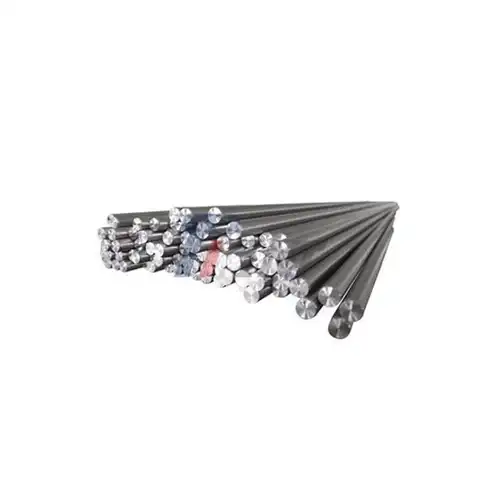
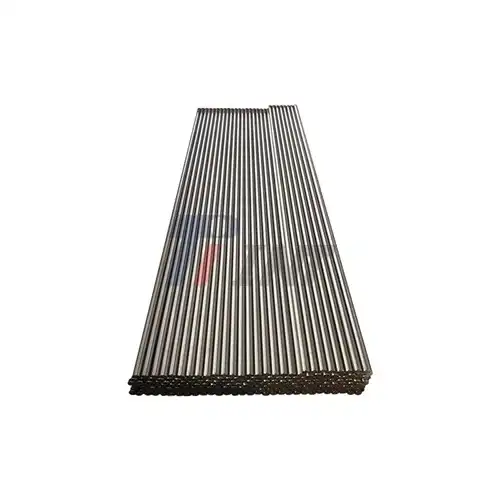
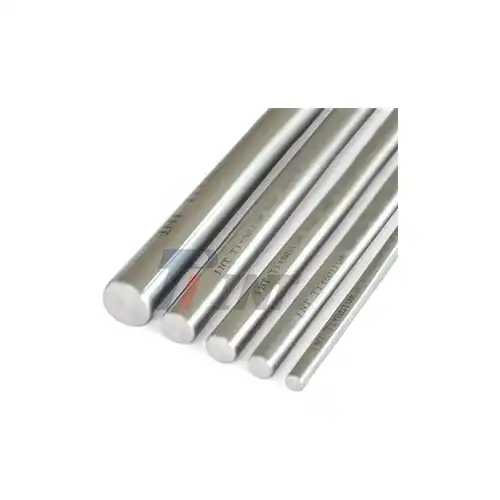
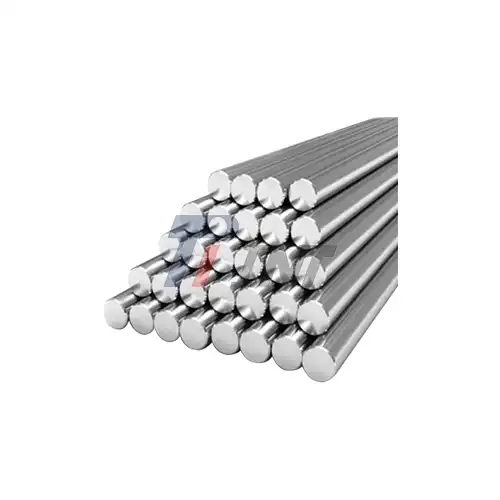
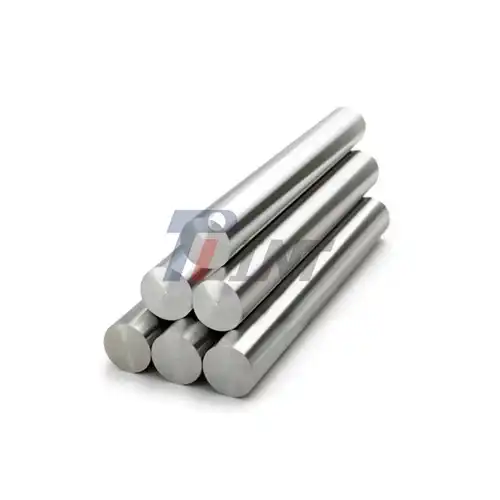
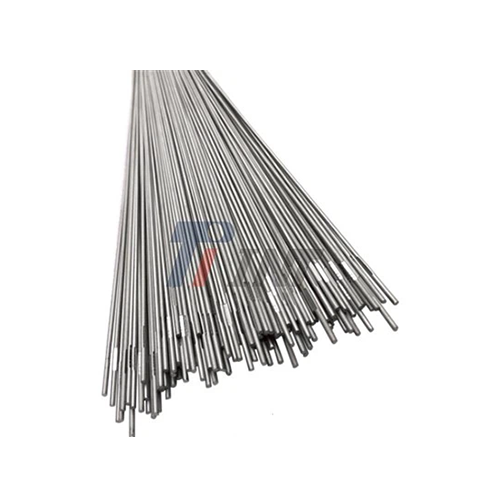
Titanium Welding Wire is a very pure filler metal that can be used with both Gas Tungsten Arc Welding (GTAW/TIG) and Gas Metal Arc Welding (GMAW/MIG). Titanium Welding Wire, unlike regular steel fillers, solves important metallurgical problems including minimizing hydrogen embrittlement and stopping alpha-case formation. This consumable material provides a structural link in severe environments where high strength-to-weight ratios, biocompatibility, and corrosion resistance are very important. It is used to make medical equipment, in the aerospace industry, and in chemical processes.
|
|
|
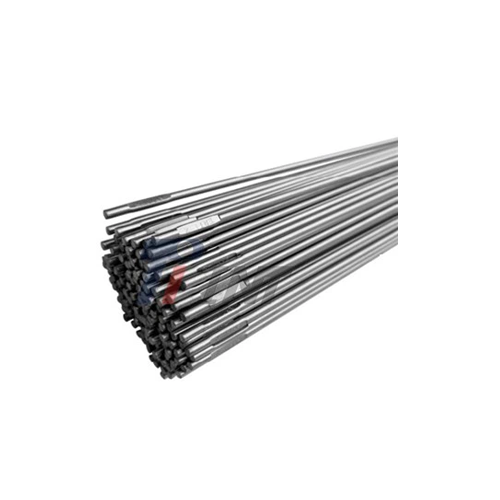
Understanding Titanium Welding Wire: Properties and Benefits
Titanium welding wire is distinguished by its remarkable performance characteristics due to the fact that it is manufactured using a manufacturing technique that is separate from the manufacturing procedures that are used for other wires. These specialist filler materials have the potential to attain very high levels of purity via the process of vacuum-arc remelting (VAR). This allows them to successfully manage interstitial components like as oxygen, nitrogen, and hydrogen, which might potentially damage the integrity of the weld.
Superior Corrosion Resistance
Welding wire made of titanium is very durable when subjected to difficult conditions. The following are examples of these environments: saltwater, chlorine compounds, and acidic liquids. This phenomenon of corrosion resistance is brought about by the creation of a passive layer of titanium dioxide (TiO2) that is both stable and capable of self-healing in the event that it is damaged. Due to the fact that the passive layer of these wires is unaffected by temperatures as high as 800 degrees Fahrenheit (427 degrees Celsius), they are an excellent choice for use in maritime applications and equipment used in chemical processing.
Exceptional Strength-to-Weight Ratio
Titanium welding wire has a density of around four and a half grams per cubic centimeter and a tensile strength that is comparable to that of steel. However, titanium welding wire is approximately sixty percent lighter than steel welding wire. Considering that a reduction in weight has a direct influence on both the fuel economy and the cargo capacity of the aircraft, this quality is of utmost significance in the context of aviation applications. This material is superior than aluminum and different grades of stainless steel in terms of its capacity to keep its strength even when exposed to high temperatures. Aluminum is also less capable of maintaining its strength than stainless steel.
Biocompatibility Excellence
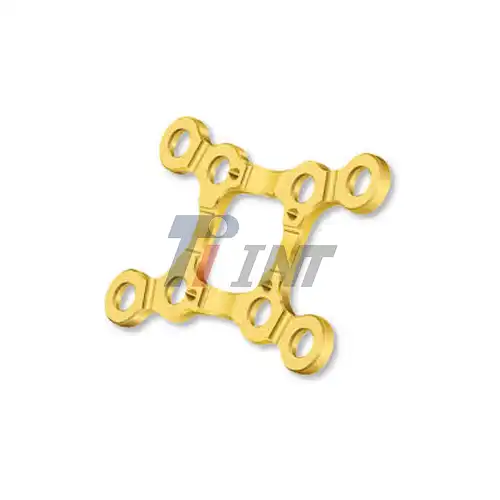
Due to the remarkable biocompatibility of titanium welding wire that has been particularly created for medical applications, it has the potential to be used in the manufacturing of surgical implants and other types of medical equipment. When employed in orthopedic and dental applications, the material has exceptional osseointegration capabilities and induces just a little reaction from the tissue compared to other materials.
Types and Specifications of Titanium Welding Wire
Understanding the various grades and specifications of Titanium Welding Wire enables procurement managers and engineers to make informed decisions aligned with their specific application requirements. Each grade offers distinct properties tailored to particular industrial demands.
Common Titanium Grades
Commercially pure titanium (CP) grades 1, 2, 3, and 4 are distinguished from one another not only by the increasing strength of the material, but also by the varied levels of oxygen that are present in each grade. This is the primary way in which these grades are separated from one another. As a consequence of the fact that it strikes the ideal balance between strength, formability, and resistance to corrosion, Grade 2 continues to be the grade that is used the most often. This is because it strikes the best balance between these three characteristics.
Titanium alloy ERTi-5, which is also often referred to as Ti-6Al-4V, is generally accepted as the industry standard in the aerospace business. This is because to its alloy composition. Whereas aluminum accounts for 6% of its entire composition, vanadium only accounts for 4% of its composition. The weldability of this alloy is not the only attribute that it boasts; it also offers outstanding strength and resilience to temperature.
Increasing the ductility and fracture toughness of titanium, aluminum, and titanium dioxide is possible via the use of the Extra Low Interstitial (ELI) form of these three materials. The improved ductility is another advantage that comes with this. These developments are highly valuable in applications that include medical implants since they make the equipment more durable. This is because fatigue resistance is of the utmost importance in these applications.
Wire Diameter Selection
In general, the diameters of titanium welding wires are found to lie anywhere in the range of 0.030 inches to 0.125 inches (0.8 millimeters to 3.2 millimeters), with 0.035 inches and 0.045 inches being the amounts that are recorded the most commonly. Using larger sizes results in quicker deposition rates for production welding applications, whilst using smaller diameters results in improved arc control for precision welding. Both of these sizes are used in welding applications. Utilizing greater sizes is the means by which each of these aims might be accomplished. The use of both types of welding procedures is becoming to become increasingly commonplace.
Surface Finish Considerations
In order to get the surface finishes that are required, it is standard practice to either chemically pickle titanium welding wire or manually descale it. The utilization of both of these processes is sometimes necessary in certain circumstances. The procedure of chemically pickling the finish leads to a reduction in the possibility of porosity as well as the preservation of stable arc characteristics. Both of these outcomes are simultaneously accomplished. This is accomplished by eliminating surface oxides and impurities in a more efficient way in order to create the impact that is desired.
Practical Applications and Welding Techniques
Titanium welding wire is a flexible option that can be used by a wide range of high-performance enterprises that cannot afford to compromise the durability of their goods. Titanium welding wire is a versatile solution that can be utilized by these organizations. If you want to acquire the best possible results when you are confronted with challenging conditions, it is vital to have a strong understanding of the right application settings and welding procedures. This is due to the fact that you will be able to get the most exceptional outcomes imaginable.
Aerospace and Aviation Applications
In aerospace manufacturing, Titanium Welding Wire is a crucial component in the production of jet engine parts like fan blades, compressor cases, and hydraulic tubing systems. The material's capacity to withstand cyclical loads and temperature extremes, ranging from -200°C to 400°C, makes it indispensable for both spacecraft and commercial aircraft.
For titanium honeycomb structures to be welded correctly, it is necessary to exercise exact control over the heat and to take precautions against contamination. It is possible that air contamination may be efficiently prevented by ensuring that the appropriate shielding gas coverage is maintained during the welding operation. This is often accomplished by the use of ultra-high purity argon, which has fewer than 10 parts per million of oxygen and moisture concentrations.
Medical Device Manufacturing
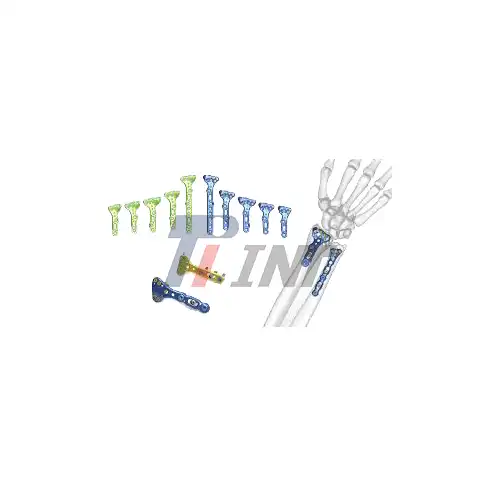
Implanted devices, surgical instruments, and diagnostic equipment are all examples of the types of medical devices that are made by medical device manufacturers. Titanium welding wire is a crucial component in the production process of many medical devices. Titanium is an ideal material to use in medical equipment with the purpose of coming into intimate contact with human tissue and bodily fluids. Titanium is used in a variety of medical devices. This is because titanium is resistant to corrosion and biocompatible, both of which are important qualities.
While it is feasible to create delicate medical components utilizing precision welding techniques, such as micro-TIG procedures, which result in minimal heat-affected zones from the welding process, it is also conceivable to manufacture these components. This level of precision is extremely important when it comes to welding thin-walled tubing for catheter devices or making hermetic seals for pacemaker housings. Both of these tasks need accuracy.
Essential Welding Techniques
When it comes to welding titanium, the technology that is traditionally used is gas tungsten arc welding, which is often referred to as GTAW/TIG. This might be attributed to the fact that it has exceptional shielding qualities and also enables precise management of heat. In order to ensure that the process is effective, it is essential to employ severe procedures for controlling contamination. In the course of these procedures, the base materials and filler wire are cleaned in the suitable way by making use of the different solvents.
In terms of joint preparation, the removal of surface oxides may be performed via the use of chemical etching or mechanical grinding operations. Both of these methods are available. In order for the welding process to take place while it is being carried out, it is necessary to have either a controlled atmosphere or total shielding gas coverage that extends far beyond the molten pool.
How to Choose and Purchase Titanium Welding Wire: A B2B Procurement Guide
When buying Titanium Welding Wire for B2B procurement, businesses must carefully consider the supplier's capabilities, quality control standards, and factors specific to the application. This thorough approach ensures that materials perform optimally while remaining cost-effective.
Application-Specific Selection Criteria
In most cases, the selection of grades is governed by the application environment that is intended to be used as well as the requirements for mechanical attributes. When it comes to chemical processing applications that are exposed to reducing acids, grades that are acquired by commercial purification provide superior resistance to corrosion. Because of its high strength and temperature properties, Ti-6Al-4V is often needed for applications in the aerospace industry.
It is important to choose the suitable wire diameter since it has an impact on the performance as well as the productivity of welding. When it comes to significant welds, smaller wires will give superior control; nevertheless, they may also slow down the pace at which the deposition is occurring. When it comes to production welding applications, wires with a larger diameter are often desirable because they provide faster travel speeds and better deposition rates.
Supplier Assessment and Certification
Among the comprehensive quality management systems that are required to be maintained by respected suppliers that have extensive quality management systems are certifications for medical applications. Some examples of these certifications are ISO 9001:2015 and ISO 13485:2016. Additionally, the paperwork that is necessary for material traceability must contain heat analysis reports, the results of mechanical property testing, and compliance certifications for relevant specifications such as AWS A5.16 or AMS standards. All of these documents must be provided in order to fulfill the requirements for material traceability.
The capabilities of the provider in terms of providing technical help become very crucial in circumstances in which the provider is dealing with complicated applications. It is the responsibility of competent suppliers to provide aid in the creation of welding processes, advice in the selection of materials, and continuing technical advising services for the whole of the life of the project.
Procurement Logistics and Cost Optimization
The use of strategies that include purchasing a large quantity of resources all at once will result in a significant reduction in the cost of each item while also ensuring that they are constantly accessible. Many times, suppliers may provide discounts on bulk orders, particularly when it comes to annual contracts or really large single purchases. In spite of this, it is essential to take into consideration the item's shelf life as well as its storage requirements in order to prevent it from going bad.
When it comes to regular grades, the lead times often range anywhere from four to eight weeks. There is a possibility that the lead times might range anywhere from twelve to sixteen weeks for unique requests. By arranging the timeframes for procurement in accordance with the requirements of the project, you may be able to avoid the costly shipping charges and manufacturing delays that are associated with speedier delivery.
Conclusion
Titanium Welding Wire represents a critical material technology that enables advanced manufacturing across aerospace, medical, and chemical processing industries. Because of its great strength-to-weight ratio, biocompatibility, and resistance to corrosion, titanium welding wire is necessary for uses where performance and reliability are very important. For effective implementation, it is important to choose the right grade, use the right welding procedures, and work with suppliers that know what they're doing and can give technical support and quality assurance.
FAQ
Q1: What safety measures are essential when welding with titanium wire?
A: Strict contamination control and enough ventilation are necessary while welding titanium wire. Workers should utilize ultra-high purity shielding gases with fewer than 10 parts per million of moisture and oxygen in clean welding conditions. To avoid breathing in titanium particles, personal protective equipment must have the proper respiratory protection.
Q2: How does titanium welding wire compare to stainless steel alternatives in terms of cost and performance?
A: Titanium welding wire provides better corrosion resistance and a 40% weight reduction, but it is around three to five times more expensive than stainless steel substitutes. Long-term cost advantages include longer service life, lower maintenance needs, and better performance in harsh conditions where stainless steel would break.
Q3: Which titanium grades are most suitable for aerospace applications?
A: Because of its superior strength-to-weight ratio and temperature resistance, Ti-6Al-4V (ERTi-5) is the industry standard for aerospace applications. Ti-6Al-4V ELI offers better ductility while retaining high strength qualities for crucial applications needing increased fracture toughness.
Partner with Baoji INT Medical Titanium Co., Ltd. for Superior Titanium Welding Wire Solutions
With more than 20 years of expertise in medical-grade titanium products, Baoji INT Medical Titanium Co., Ltd. is your reliable supplier of titanium welding wire. Every product is guaranteed to satisfy the highest international standards thanks to our extensive quality management systems, which include ISO 9001:2015 and ISO 13485:2016 certifications. For your most complex applications, we provide comprehensive traceability documentation, unique specifications, and technical assistance. Contact our expert team at export@tiint.com to request samples, discuss your specific requirements, or obtain detailed quotations for your upcoming projects.
References
1. Donachie, Matthew J. "Titanium: A Technical Guide, Second Edition." ASM International Materials Park, Ohio, 2000.
2. American Welding Society. "Specification for Titanium and Titanium Alloy Welding Electrodes and Rods (AWS A5.16/A5.16M)." Miami: American Welding Society, 2018.
3. Boyer, Rodney R. "An Overview on the Use of Titanium in the Aerospace Industry." Materials Science and Engineering: A, vol. 213, no. 1-2, 1996.
4. Lutjering, Gerd and James C. Williams. "Titanium: Engineering Materials and Processes." Manchester: Springer-Verlag, 2007.
5. Rack, Henry J. and Qazi, Javad I. "Titanium Alloys for Biomedical Applications." Materials Science and Engineering: C, vol. 26, no. 8, 2006.
6. Welding Institute. "Guidelines for the Welding of Titanium and Titanium Alloys." Cambridge: The Welding Institute, 2019.
_1772162494331.jpg)
_1750662961697.webp)