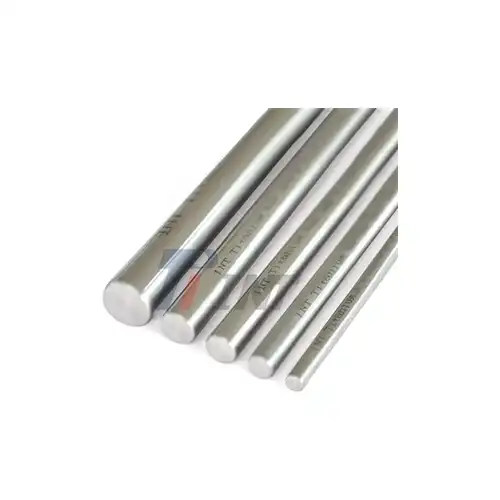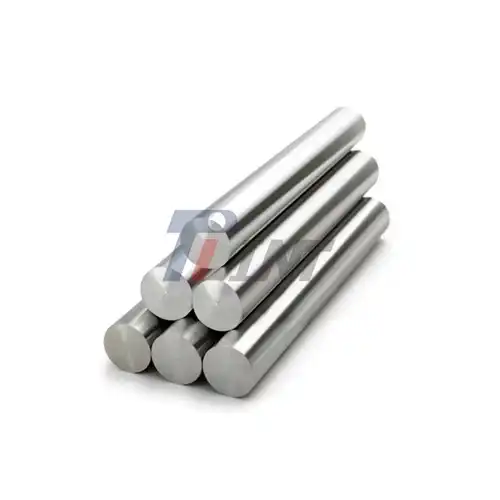



GR3 Titanium Medical Bar


Lightweight and extremely durable material.
Corrosion-resistant for long-term use.
High strength-to-weight ratio for flexibility.
Excellent fatigue resistance for durability.
Customizable to suit surgical needs.
Reliable in critical medical environments.
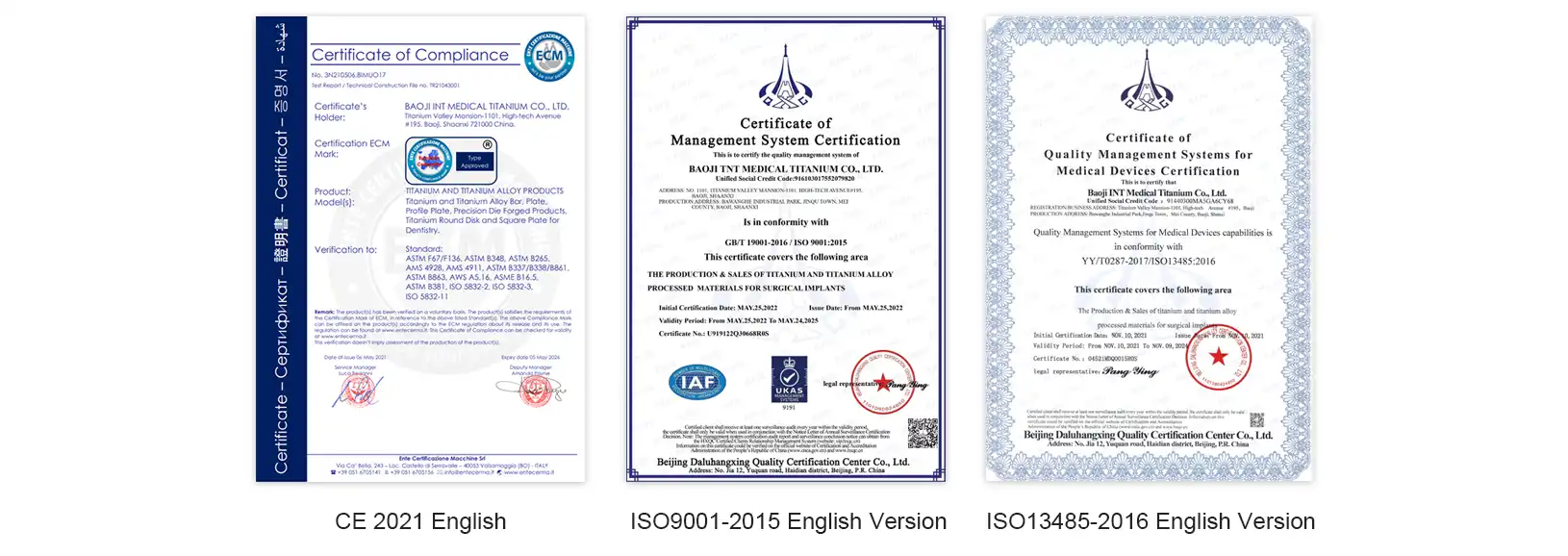
All products have passed ISO9001:2015, ISO13485:2016, EU CE safety certification
GR3 Titanium Medical Bar for Surgical Implant Applications – Precision-Grade Material Solutions
Baoji INT Medical Titanium Co., Ltd. offers GR3 Titanium Medical Bar engineered specifically for load-bearing surgical implant manufacturing. Manufactured according to ASTM F67 standards, this product delivers a minimum yield strength of 380 MPa and ultimate tensile strength of 450 MPa, paired with 18% elongation for superior formability.
With ISO13485:2016 and EU CE certifications, our bars feature h7/h9 precision tolerances and alpha-case-free surfaces, ensuring seamless integration into orthopedic component production. The material's 4.51 g/cm³ density and 103 GPa modulus reduce stress shielding while maintaining structural integrity. Backed by over 30 years of titanium expertise since 2003, INT provides consistent metallurgical quality and customizable dimensions for prosthetic stems, bone plates, and rehabilitation device components.
|
|
|
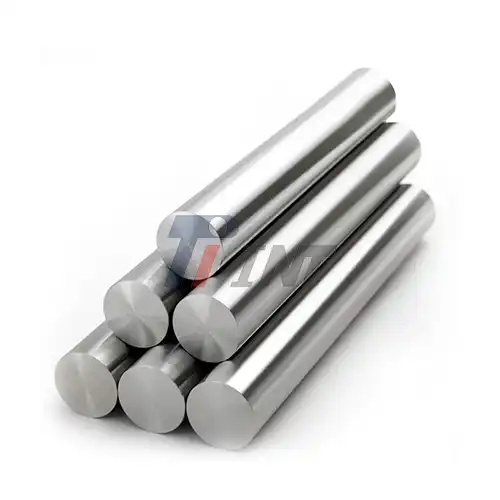
Why Choose GR3 Titanium Medical Bar Over Standard Grades?
Medical device manufacturers require materials that balance strength with biological compatibility. The product bridges the gap between softer Grade 2 and alloyed Ti-6Al-4V materials.
The controlled oxygen content of 0.35% maximum strengthens the alpha-crystal lattice without compromising weldability. This makes it ideal for components requiring moderate load resistance without the weight penalty of stainless steel alternatives.
Your production benefits from bars that machine cleanly into complex geometries. The low modulus of elasticity promotes natural bone integration by mimicking skeletal flexibility. This reduces post-operative stress concentration points common with rigid implant materials.
Technical Specifications and Material Standards
|
Parameter |
Specification |
|
Standard Compliance |
ASTM F67, ISO 5832-2 |
|
Yield Strength |
≥380 MPa (55 ksi) |
|
Tensile Strength |
≥450 MPa (65 ksi) |
|
Elongation |
≥18% |
|
Density |
4.51 g/cm³ |
|
Oxygen Content |
≤0.35% |
|
Iron Content |
≤0.30% |
|
Modulus of Elasticity |
103 GPa |
|
Surface Tolerance |
h7/h9 precision ground |
These parameters ensure consistent performance across batch productions. The absence of Vanadium and Aluminum eliminates allergy risks associated with traditional alloys.
Manufacturing Precision and Quality Control
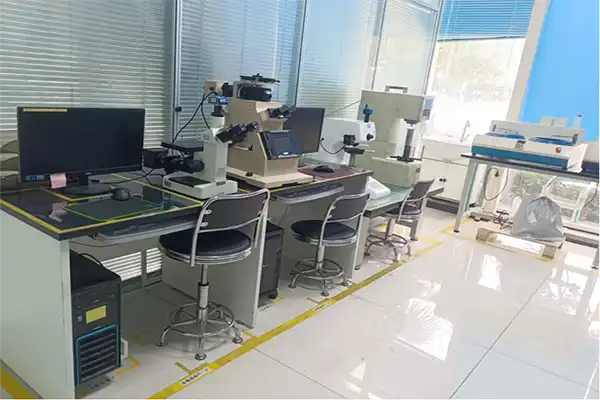
Each product passes multi-stage quality control checks before it is sent. Ultrasonic inspection is used to find internal discontinuities, and spectrum analysis is used to confirm the chemical validation.
Surface finishing is a controlled grinding process for removal of contaminant layers. This leads to roughness values below Ra 0.8 µm which is important for further sterilisation operations.
The dimensional precision for diameter control is ±0.02 mm. Such accuracy reduces material loss during CNC machining operations. You get bars that you can directly translate into surgical equipment and implanted devices.
Heat treatment documentation accompanies each lot. Certification documents record the material pedigree from the ingot casting to final inspection, and provide supporting regulatory audit trails.
Application Scenarios in Medical Device Production
Orthopaedic manufacturers make intramedullary nail blanks and external fixation pins from this material. The strength to weight ratio facilitates patient movement during healing periods and provides fracture stabilisation.
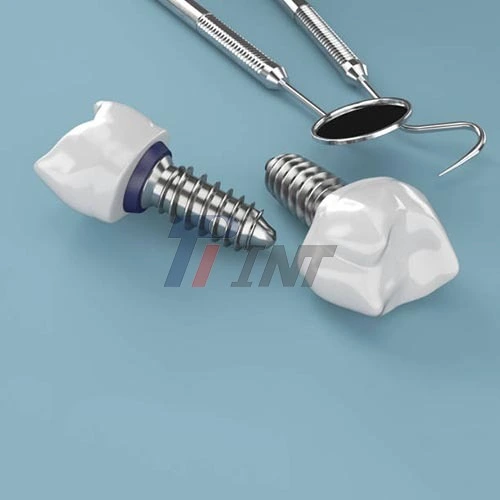
Producers use these bars to make abutment posts for dental implant machines. Galvanic reactions with dental porcelain or polymer crowns are inhibited by the passive oxide film of the material.
It is used by rehabilitation equipment fabricators to make prosthetic joint components. The fatigue resistance under physiological loading circumstances is higher than 10 7 cycles, assuring the long term reliability.
Its non-magnetic characteristics are attractive to surgical device designers. The MRI compatibility opens up possibilities for new tracking devices and minimally invasive tools.
Biocompatibility and Long-Term Performance
The material spontaneously generates a TiO2 layer when in contact with body fluids. This oxide film of 2-5 nm regenerates instantaneously when scratched, giving everlasting protection from corrosion.
ISO 10993 test for cytotoxicity does not induce any inflammatory reaction. In vivo investigations reveal comparable osseointegration to cp-Ti Grade 4 with improved cold workability.
The low elastic modulus transmits stress slowly to the surrounding bone tissue. This biomechanical advantage minimises the chances of the implant becoming loose compared with cobalt-chromium alternatives.
Long-term implant retrievals show negligible metal ion release. Patients with sensitivities to nickel or molybdenum tolerate GR3 Titanium Medical Bar implants without adverse reactions.
Customization Options and Processing Services
INT offers bars from 6 mm to 200 mm in diameter, with lengths of up to 6000 mm. Custom cross sections are available with particular tooling needs like hexagonal and square shapes.
We offer near-net forms for high volume implant operations with our precision die forging capabilities. This leads to lower machining costs and continued material traceability.
Stress reducing and surface hardening services are included. These secondary mechanisms improve fatigue performance in cyclic loading situations.
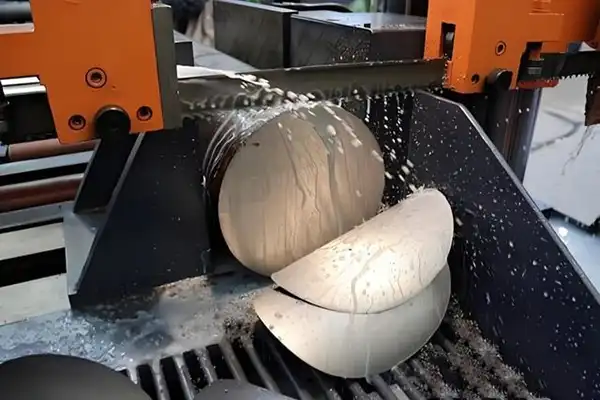
Cutting machines can cut bars to specific lengths with perpendicularity within 0.5 degrees. Surface contamination during international transport is prevented by protective packing.
Packaging and Delivery
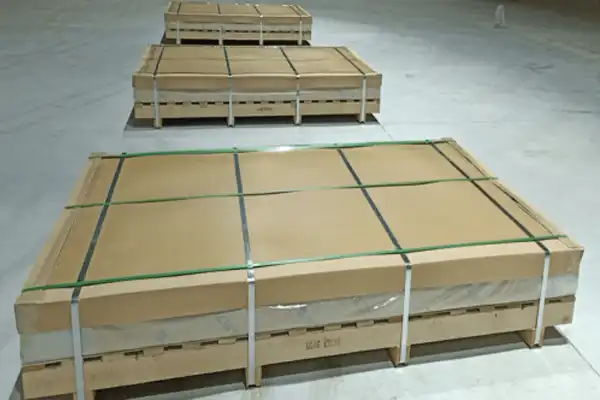
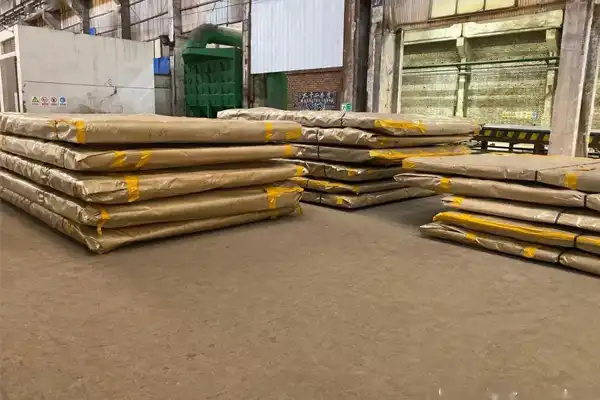
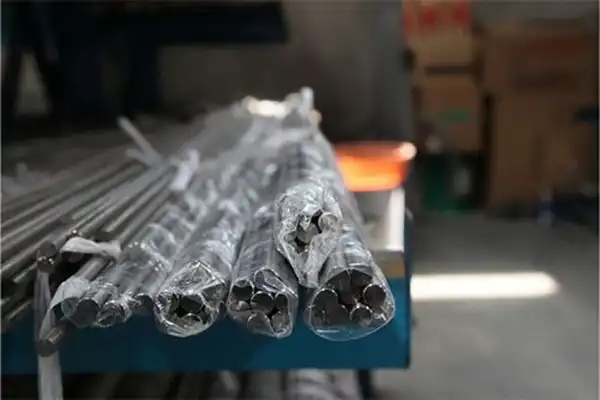
Bars delivered in foam insulated wood containers with dessicant packs. Each item is given its own protective sleeving to prevent handling marks. International orders require fumigation certificates and origin documents.
Standard lead times are 4 to 6 weeks, depending on quantity and diameter. Quick processing for urgent project needs.
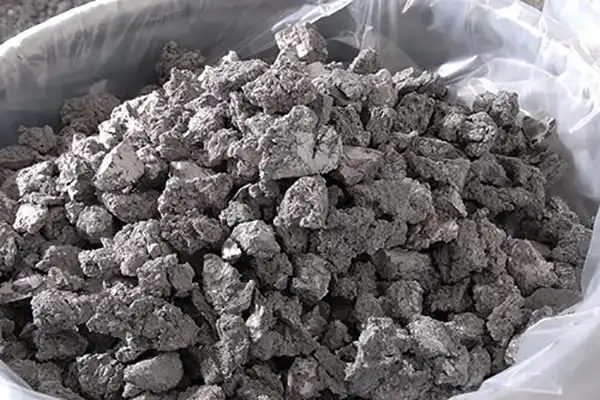
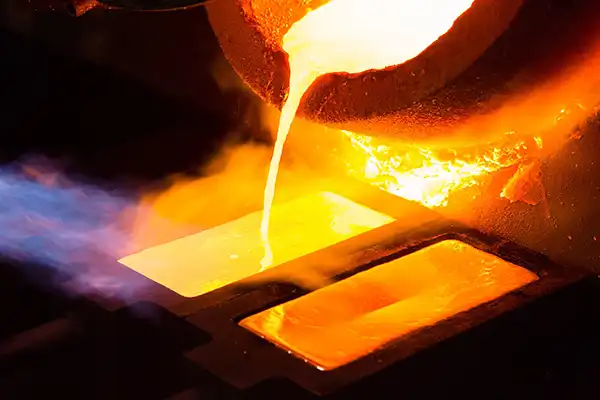
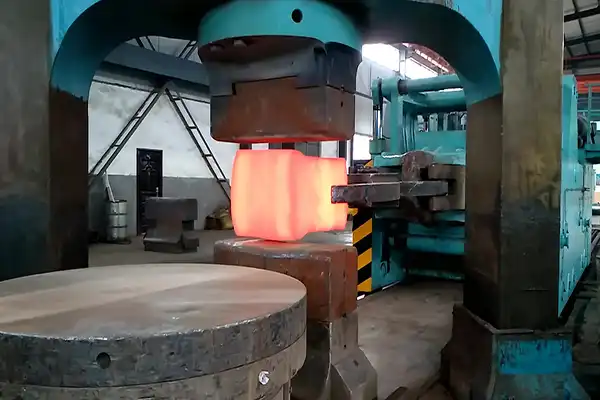
Product Technology and Production Process
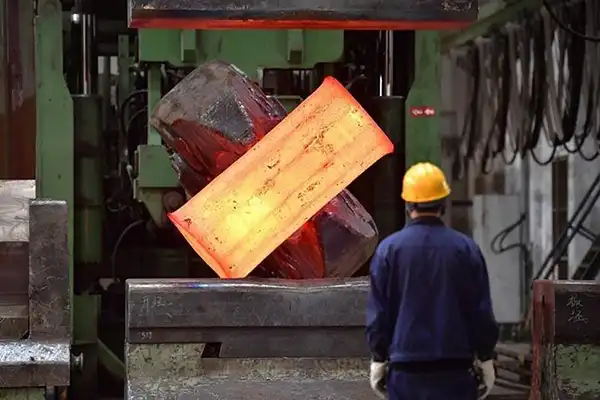
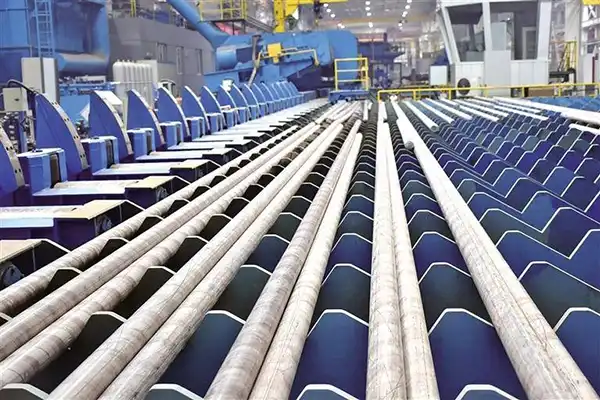
Hot rolling and forging techniques that enhance the mechanical properties, ensuring superior strength and toughness.
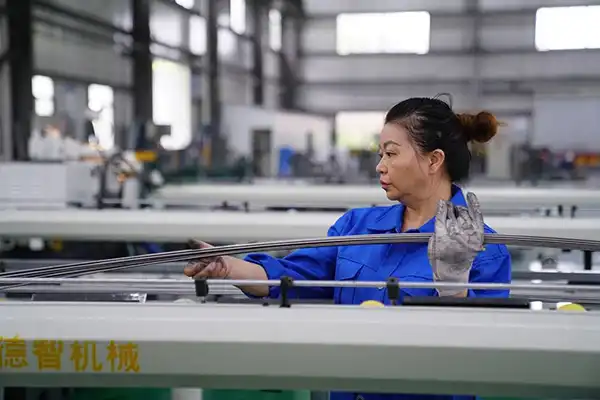
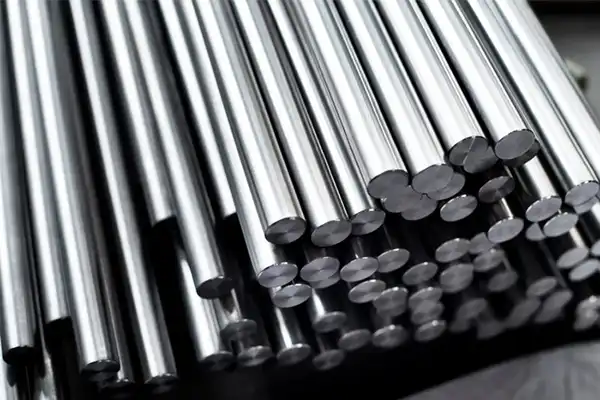
Ultrasonic testing to detect flaws and ensure 100% reliability.
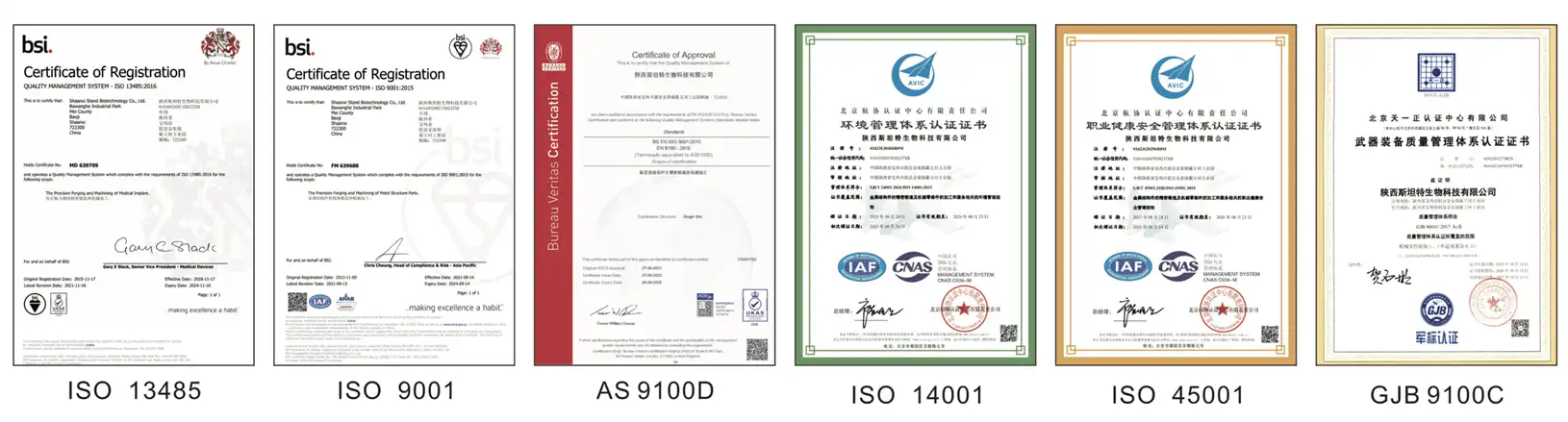
Strict quality control at every stage of production, meeting and exceeding international medical standards like ISO9001:2015 and ISO13485:2016.
 |
 |
 |
 |
 |
 |
 |
 |
Industries Catered
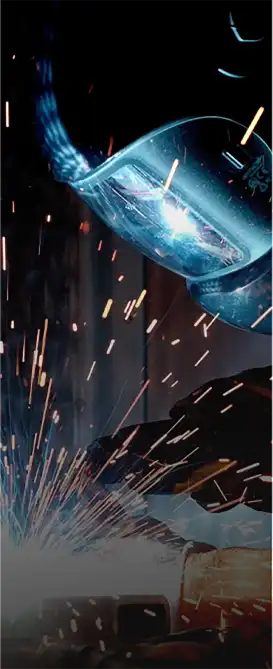
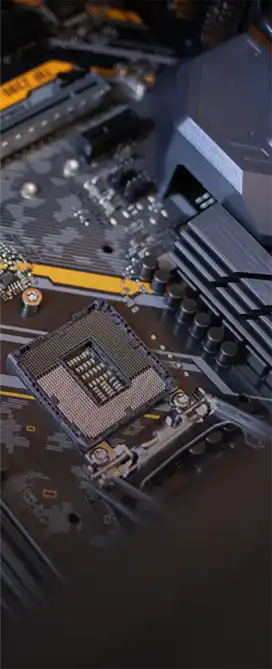
Our products are widely used in medical, automotive, aerospace, chemical, scientific and technological manufacturing and electronic information industries.
 |
 |
 |
 |
 |
 |
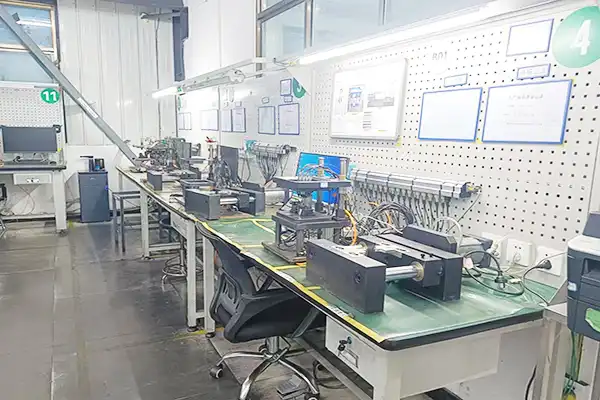
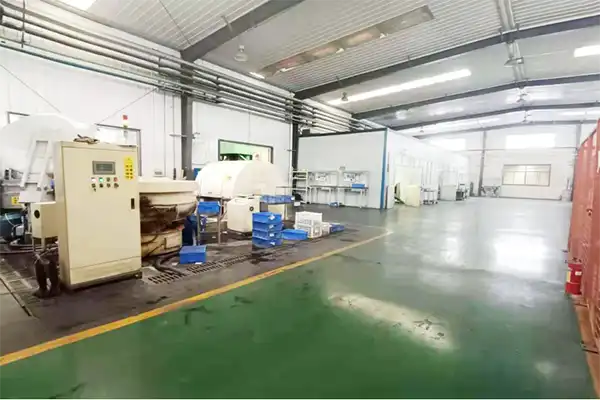
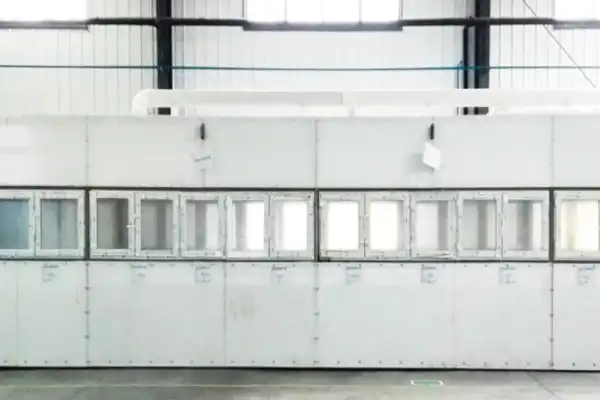
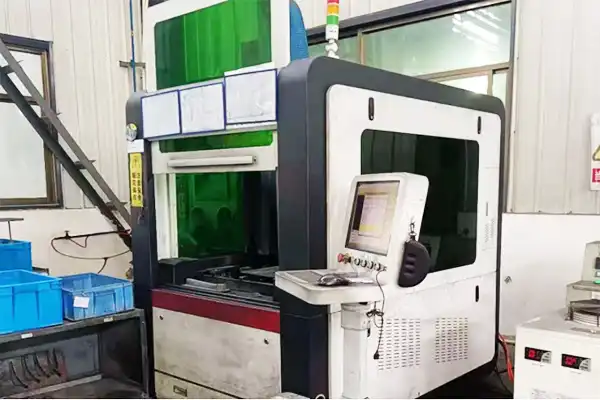
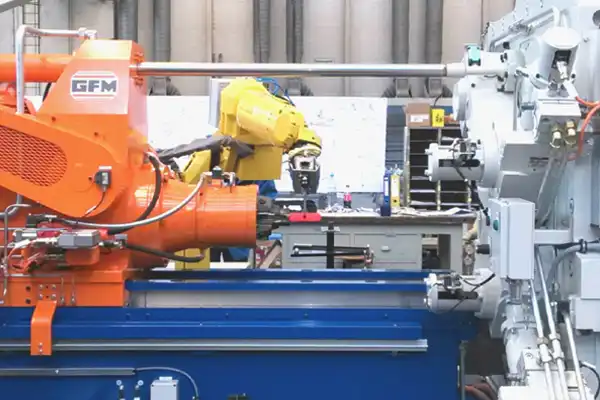
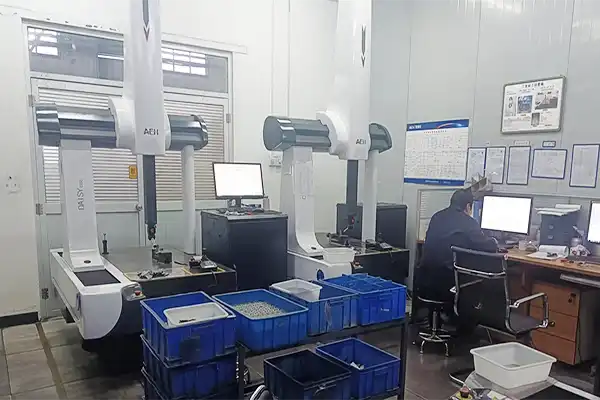
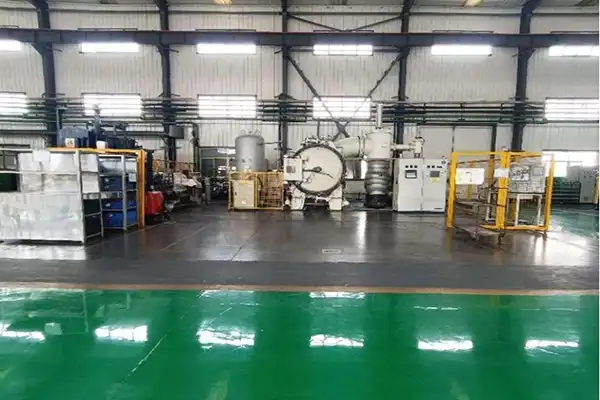
Our Factory - A Legacy of Excellence
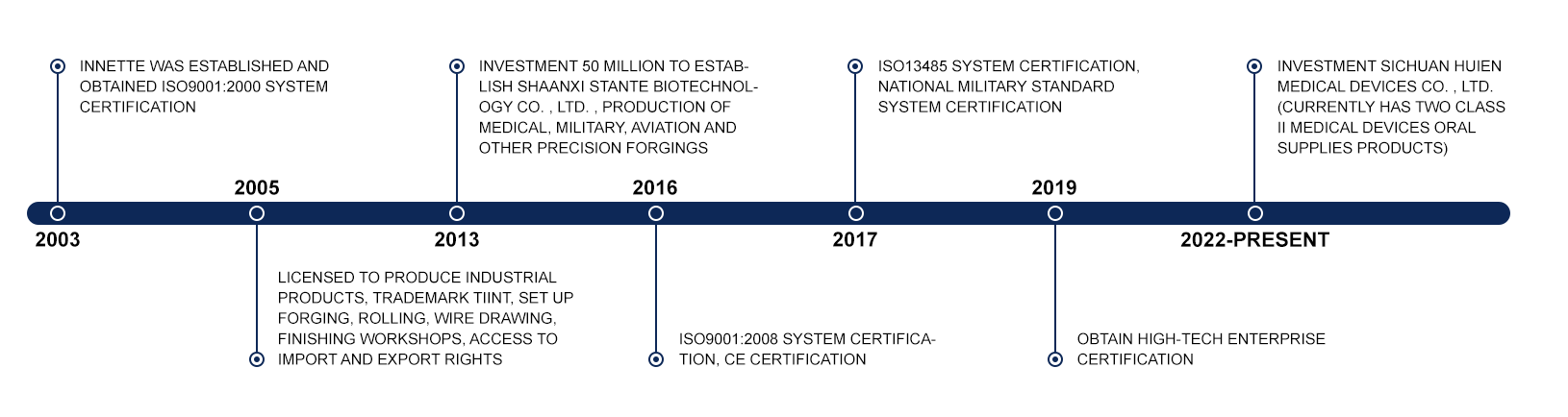
Founded in 2003 by titanium industry expert Mr. Zhan Wenge, Baoji INT Medical Titanium Co., Ltd. has grown into a benchmark enterprise in the R&D and production of medical titanium materials. With more than 30 years of experience, INT is deeply invested in the development of high-quality titanium for the medical sector. We provide a full range of titanium products, including pure titanium, Ti6Al4V ELI titanium, and custom titanium alloy forgings.
 |
 |
 |
 |
 |
 |
 |
 |
Packaging and Transportation
 |
 |
 |
Why Choose Us?
Choosing Baoji INT Medical Titanium Co., Ltd. means partnering with a trusted leader in the medical titanium industry.
Here’s why:
Proven Expertise: Over 30 years of experience in medical titanium production.
Advanced Technology: State-of-the-art production lines and equipment.
International Certifications: ISO9001:2015, ISO13485:2016, and EU CE certifications.
Comprehensive Support: We provide ongoing technical support, ensuring our products fit seamlessly into your manufacturing process.
Customer-Centric Approach: Committed to delivering high-quality products on time, every time.
For inquiries or orders, please contact us at export@tiint.com. We look forward to partnering with you for your medical titanium needs.
FAQ
Q: What distinguishes GR3 from GR2 in surgical applications?
A: GR3 offers 30% higher yield strength due to controlled oxygen content, making it suitable for load-bearing implants like hip stems. GR2 works better for purely corrosion-resistant components like cardiovascular stents where flexibility matters more than strength.
Q: Can your bars undergo additional surface treatments?
A: Yes, the material accepts anodizing for color-coded identification and plasma spraying for hydroxyapatite coatings. The substrate remains dimensionally stable through these processes.
Q: How do you ensure lot-to-lot consistency?
A: We maintain dedicated melting campaigns for medical-grade material. Statistical process control monitors grain size distribution and mechanical properties, keeping variation within ±3% across production batches.
Q: What documentation supports regulatory submissions?
A: Each shipment includes mill test certificates, material safety data sheets, and ISO13485 compliance statements. We provide sample destructive test results upon request for validation studies.
Q: Does the material require special machining techniques?
A: Standard carbide tooling works effectively with proper coolant flow. We recommend 0.1-0.15 mm/rev feed rates and 60-80 m/min cutting speeds to prevent work hardening.
Contact Us for Technical Support
For quotations or product inquiries, reach us at export@tiint.com to discuss your GR3 Titanium Medical Bar medical device manufacturing needs.