

Best Ti6Al4V ELI Titanium Bar Suppliers: Tips for Reliable Sourcing Online


 2026-03-10 10:00:07
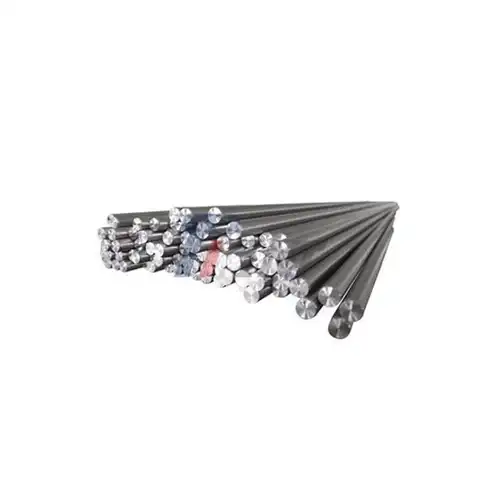
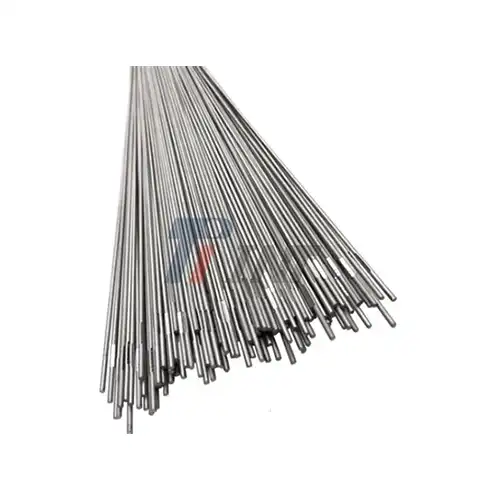
Sourcing premium Ti6Al4V ELI Titanium Bar materials requires strategic supplier evaluation and comprehensive quality verification. This high-performance alloy, known as Grade 23 titanium, delivers exceptional biocompatibility and mechanical properties essential for medical implants, aerospace components, and precision manufacturing. Successful procurement depends on identifying suppliers with robust certifications, proven manufacturing capabilities, and consistent delivery performance. Understanding supplier qualifications, material traceability, and quality assurance protocols becomes critical when sourcing these specialized titanium bars for demanding applications where material integrity directly impacts product safety and regulatory compliance.
|
|
|
Introducing Ti6Al4V ELI Titanium Bars: Properties and Applications
Ti6Al4V ELI, which stands for Extra Low Interstitial, is the pinnacle of titanium alloy engineering. It provides better mechanical qualities by means of chemical composition that is properly regulated. The essential alpha-beta structure of ordinary Ti6Al4V is preserved in this grade, but the interstitial elements, which include oxygen, nitrogen, carbon, and iron, are greatly reduced. Due to the fact that the controlled decrease of these components improves ductility and fracture toughness, it is especially useful in situations where the breakdown of the material presents catastrophic dangers.
Enhanced Mechanical Properties and Chemical Composition
As part of the process of optimizing Ti6Al4V ELI, careful control is exercised over the interstitial content. Oxygen levels are controlled at 0.13%, which is much lower than the 0.20% that is typical for Grade 5 titanium. This alteration results in observable enhancements to the damage tolerance and fracture propagation resistance of the material. The alloy has around 6% aluminum and 4% vanadium, which allows it to retain good strength-to-weight ratios while also assuring thermal stability throughout a broad temperature range.
It is necessary to have specialized machinery and stringent quality control procedures in order to manufacture these titanium bars. In order to attain the needed levels of purity, the melting operations often utilize either electron beam melting or vacuum arc remelting. To get the best possible microstructure for improved mechanical qualities, it is necessary to exercise rigorous control over the parameters of hot working and heat treatment conditions.
Critical Applications Across Industries
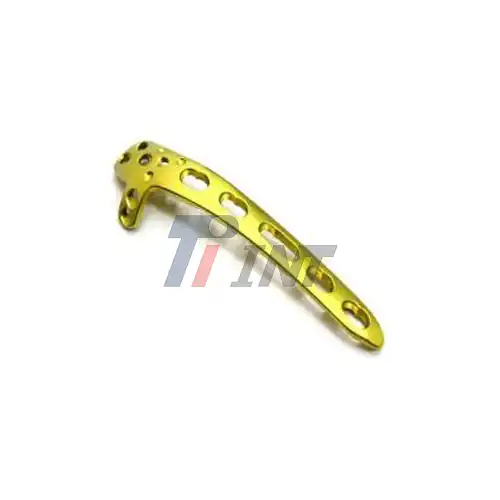
Ti6Al4V ELI is highly relied upon by makers of medical devices for surgical implants, which are used in situations where biocompatibility and long-term performance are very important. Components for hip and knee replacement, hardware for spinal fusion, and dental implants are examples of key uses. Because of its capacity to effectively integrate with bone tissue and its resistance to corrosion caused by bodily fluids, the material is a vital component in orthopedic applications.
The remarkable performance of the alloy at very high temperatures and its resilience to fatigue loading are both used in aerospace applications. The increased fracture toughness of the ELI grade is beneficial to the structural components of aircraft, as well as the landing gear assembly and engine elements. Due to the material's ability to function in cryogenic settings, it is especially useful for components used in space exploration and liquid fuel systems.
Comparing Ti6Al4V ELI with Other Materials for Informed Procurement
The procurement teams who are considering the various material alternatives need to have a thorough understanding of the particular benefits that Ti6Al4V ELI Titanium Bar provides in comparison to other materials. When weighing the initial material prices against the long-term performance needs and total cost of ownership concerns, this analysis becomes the most important factor to take into account. Ti6Al4V ELI's excellent strength-to-weight ratio and biocompatibility make it a preferred choice in medical and aerospace applications, where performance and longevity are critical.
Performance Advantages Over Standard Titanium Grades
Ti6Al4V ELI exhibits improved ductility and fracture toughness in comparison to ordinary Grade 5 titanium, with impact energy values that are generally 20-30% greater than those typical of Grade 5 titanium. This enhancement will immediately result in increased safety margins in applications that are considered to be essential. The material has an exceptional resistance to fatigue, which is especially significant in situations involving cyclic loads, which are often seen in aeronautical components and medical implants.
The corrosion resistance qualities of this material are superior to those of stainless steel in a variety of situations, especially in solutions that include chloride. When it comes to maritime applications and chemical processing equipment, this quality proves to be extremely advantageous since it minimizes the costs of maintenance and increases the service life of the equipment.
Cost-Benefit Analysis for Strategic Procurement
When compared to typical titanium alloys, Ti6Al4V ELI is priced more than its counterparts; nevertheless, the superior performance qualities of this material often outweigh the extra cost. These advantages include greater product dependability and a prolonged service life. The reduction of liability risk and the improvement of patient outcomes are especially beneficial to makers of medical electronic devices. Weight reductions and increased safety margins are two ways that aerospace applications may provide value to their users.
When planning the procurement process, it is necessary to take into mind the machinability properties of the material. The Ti6Al4V ELI material reacts well to the appropriate cutting conditions and tooling selection, despite the fact that it is more difficult to manufacture than aluminum or steel. Procurement teams are able to more precisely estimate overall production costs when they have a thorough understanding of these processing needs.
How to Source Reliable Ti6Al4V ELI Titanium Bar Suppliers Online?
In order to identify reliable suppliers, it is necessary to do a comprehensive analysis of a number of aspects, such as certifications, manufacturing capacities, and track record. There is a high demand for suppliers that possess specialized knowledge and advanced quality control systems due to the intricacy of the titanium production process.
Essential Certification and Compliance Requirements
Legitimate suppliers are required to provide evidence that they comply with applicable international standards, such as ASTM F136 for medical uses, AMS requirements for aerospace usage, and ISO 9001 quality management systems. The certification of ISO 13485 is necessary for applications involving medical devices, while the certification of AS9100 may be required for aerospace applications. For example, when sourcing Ti6Al4V ELI Titanium Bar for medical or aerospace purposes, obtaining these certificates guarantees that the material will meet the required quality standards and comply with relevant regulations, ensuring both safety and performance.
When it comes to regulated applications, documentation of material traceability becomes absolutely necessary. Mill test certifications that are thorough should be provided by suppliers. These certificates should include chemical composition analysis, verification of mechanical properties, and records with heat treatment. This documentation makes it possible to do the comprehensive material genealogy tracking that is needed by aerospace quality systems and medical device quality systems.
Evaluating Production Capabilities and Technical Support
Suppliers that are successful exhibit sophisticated melting skills, such as the ability to use electron beam melting equipment or vacuum arc remelting capabilities. It is via these procedures that the requisite levels of purity for ELI grade material are achieved. In addition, suppliers should ensure that they have extensive testing facilities that are equipped with the ability to conduct chemical analysis, mechanical testing, and microstructural examination.
When compared to commodity vendors, outstanding suppliers are distinguished by their technical support skills. It is important to look for suppliers that can provide advise on the selection of materials, suggestions for processing, and application-specific knowledge. In the process of creating new goods or improving designs that are already in existence, this help becomes very important.
Supplier Assessment Through Digital Channels
It is necessary to do thorough verification of the stated skills and qualifications while conducting an online supplier review. Examine the websites of the suppliers to find comprehensive technical information, lists of certifications, and evidence of case studies available. The provision of thorough technical data sheets and application manuals, which demonstrate an in-depth understanding of the material, usually comes from authentic sources.
Case studies and testimonials from satisfied customers provide valuable insights into the performance and dependability of suppliers. Nevertheless, wherever it is feasible, check these recommendations by making direct contact with them. There is further information on the reputation of suppliers that may be obtained from trade organizations and industry groups, as well as comments on the performance of other customers.
Best Practices for Purchasing Ti6Al4V ELI Titanium Bars in Bulk
When buying in bulk, it is necessary to pay close attention to the norms for quality assurance and the management of logistics. Due to the high value and vital nature of these materials, it is necessary to implement thorough verification methods and comprehensive risk mitigation techniques.
Quality Assurance and Material Verification
Establish protocols for inbound inspections, which should include dimensions verification, evaluation of surface quality, and examination of documents. In the case of essential applications or when establishing new partnerships with suppliers, you should think about using third-party testing. For instance, when sourcing Ti6Al4V ELI Titanium Bar for critical medical or aerospace applications, third-party testing can provide an added layer of confidence in material quality. In order to accurately represent the significance of the application and the regulatory requirements, statistical sampling strategies should be developed.
When making big purchases, especially when establishing new partnerships with suppliers, it is important to specifically request witness testing opportunities. The direct observation of testing methods and the verification of the capabilities of the supplier are both made possible via this. In order to prevent misunderstandings and guarantee that materials are delivered in a consistent manner, it is important to document all quality standards in the purchasing specifications.
Logistics and Supply Chain Management
When exporting titanium goods internationally, it is necessary to pay close attention to the methods for handling and packing the items. During transportation, surface damage and contamination may be avoided with proper packing procedures. Verify that the packing standards of the supplier fulfill your requirements for receiving, and take into consideration any specific handling instructions for components that have been precision-machined.
Having a solid understanding of lead times is very necessary for production planning. Production of titanium bars normally takes between eight and twelve weeks from the time an order is placed, depending on the size and requirements of the bar. To reduce the likelihood of supply interruptions, it is important to plan inventory levels appropriately and to take into consideration strategic stocking agreements with dependable suppliers.
It is possible to guarantee that material reception goes well by managing import processes and customs regulations. Collaborate with vendors that are well-versed in the processes involved in international shipment and the paperwork requirements imposed by customs. When evaluating vendor bids, it is important to take into account the effect that import tariffs have on the overall material prices.
Top Global Ti6Al4V ELI Titanium Bar Suppliers You Can Trust
The worldwide supply chain for titanium is comprised of a number of well-established producers and distributors that are generally acknowledged for their quality and dependability. It is helpful to match procurement demands with acceptable supply sources when one has a thorough understanding of the capabilities and specialties of suppliers.
Established Manufacturing Leaders
Integrated operations are maintained by leading titanium manufacturers, beginning with the processing of raw materials and continuing through the supply of completed products. The majority of the time, these manufacturers provide the most extensive technical assistance and the widest product choices. For example, a supplier offering Ti6Al4V ELI Titanium Bar would typically have the capabilities to provide both detailed technical support and a range of product options. The size of their operations makes it possible for them to invest in cutting-edge manufacturing technology and quality control systems, ensuring superior product quality and consistency.
Regional distributors can provide benefits in terms of customer service and delivery flexibility, all while keeping partnerships with a number of different suppliers. This strategy has the potential to provide supply security by using a variety of sources of supply and reducing lead times by utilizing local inventory management for supply.
Emerging Specialists and Regional Excellence
With enterprises such as Baoji INT Medical Titanium Co., Ltd. proving world-class skills in the manufacture of medical-grade titanium, China has emerged as a prominent player in the titanium manufacturing industry. The company Baoji INT was established in 2003, and since then, it has amassed a vast amount of competence in the production of Ti6Al4V ELI for use in medical applications. Additionally, it has maintained ISO 13485 accreditation and implemented thorough quality control systems.
Manufacturers that specialize in medical applications often provide higher technical assistance and application knowledge to their customers. Through their extensive knowledge of regulatory standards and biocompatibility testing, they have proven to be an excellent asset for projects involving the creation of medical devices.
Building Strategic Supplier Partnerships
Long-term ties with suppliers make it possible to collaborate on innovation and continual development, respectively. It is important to establish unambiguous performance indicators, such as on-time delivery, quality performance, and the responsiveness of professional technical assistance. It is helpful to discover areas for improvement and develop relationships by conducting regular supplier assessments.
It is important to take into consideration supplier development initiatives for high-volume needs or essential applications. The development of technologies together, exclusive product agreements, and preferential pricing structures are all examples of the types of partnerships that may be formed. In many cases, the investment in supplier relationships results in large returns in the form of increased quality, decreased prices, and greater support for innovation.
Conclusion
Sourcing premium Ti6Al4V ELI titanium bars requires comprehensive supplier evaluation focusing on certifications, production capabilities, and proven track records. Success depends on understanding material properties, comparing alternatives systematically, and implementing robust quality assurance procedures. The investment in proper supplier selection and relationship development pays dividends through consistent material quality, reliable delivery performance, and ongoing technical support that enables innovation and competitive advantage in demanding applications.
FAQ
Q1: What certifications should Ti6Al4V ELI suppliers have?
A: Reputable suppliers must maintain ISO 9001 quality management certification as a foundation. Medical applications require ISO 13485 certification, while aerospace applications typically demand AS9100 certification. Additionally, suppliers should demonstrate compliance with relevant material standards including ASTM F136 for medical grades and various AMS specifications for aerospace applications.
Q2: How do I verify the authenticity of supplier certifications?
A: Contact certification bodies directly to verify the validity and scope of supplier certifications. Review certificate expiration dates and ensure coverage includes the specific products you plan to purchase. Request copies of actual certificates rather than relying solely on website claims, and verify that the legal entity names match exactly.
Q3: What is the typical lead time for Ti6Al4V ELI titanium bars?
A: Standard lead times range from 8-12 weeks for common sizes and specifications, though custom dimensions or special requirements may extend delivery times to 16-20 weeks. Suppliers maintaining strategic inventory may offer shorter lead times for standard products, while prototype quantities might be available more quickly through expedited processing.
Partner with Baoji INT Medical Titanium Co., Ltd. for Superior Ti6Al4V ELI Solutions
Baoji INT Medical Titanium Co., Ltd. stands as your trusted Ti6Al4V ELI Titanium Bar manufacturer with over 20 years of specialized experience in medical-grade titanium production. Our comprehensive ISO 13485 certification and proven track record serving medical device manufacturers worldwide ensure consistent quality and regulatory compliance. We maintain extensive inventory of standard sizes while offering complete customization capabilities including precision cutting, specialized heat treatments, and full traceability documentation.
Our technical team provides expert material selection guidance and application support throughout your product development process. Contact our procurement specialists at export@tiint.com to discuss your specific requirements and experience the reliability that has made us a preferred supplier for leading medical device companies globally.
References
1. ASTM International. "Standard Specification for Wrought Titanium-6Aluminum-4Vanadium ELI (Extra Low Interstitial) Alloy for Surgical Implant Applications (UNS R56401)." ASTM F136-13, 2013.
2. Boyer, R.R., Welsch, G., and Collings, E.W. "Materials Properties Handbook: Titanium Alloys." ASM International, Materials Park, OH, 1994.
3. Lutjering, G. and Williams, J.C. "Titanium: Engineering Materials and Processes." Springer-Verlag Berlin Heidelberg, 2nd Edition, 2007.
4. Peters, M., Kumpfert, J., Ward, C.H., and Leyens, C. "Titanium Alloys for Aerospace Applications." Advanced Engineering Materials, Vol. 5, No. 6, 2003.
5. Rack, H.J. and Qazi, J.I. "Titanium Alloys for Biomedical Applications." Materials Science and Engineering C, Vol. 26, Issue 8, 2006.
6. Veiga, C., Davim, J.P., and Loureiro, A.J.R. "Properties and Applications of Titanium Alloys: A Brief Review." Reviews on Advanced Materials Science, Vol. 32, No. 2, 2012.
_1752818317695.webp)
_1752644608314.webp)
_1750669056274.webp)