

Why Ti13Nb13Zr Titanium Bar Is Rising in Demand for Biomedical Engineering


 2026-03-09 09:07:27
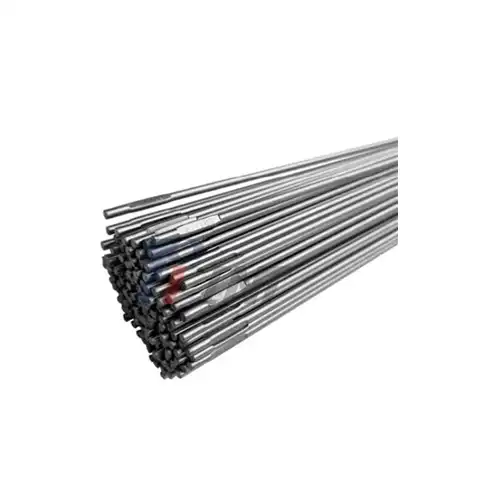
Ti13Nb13Zr Titanium Bar represents a revolutionary advancement in biomedical materials, driving unprecedented demand across medical device manufacturing sectors worldwide. This specialized titanium alloy combines exceptional biocompatibility with superior mechanical properties, making it the preferred choice for critical medical implants and surgical instruments. The growing adoption stems from its unique composition of titanium, niobium, and zirconium, which eliminates toxic elements found in traditional alloys while delivering enhanced corrosion resistance and optimal elasticity matching human bone characteristics.
|
|
|

Understanding the Core Properties of Ti13Nb13Zr Titanium Bar
Ti13Nb13Zr's outstanding performance may be attributed to the meticulously crafted chemical composition of the material as well as the material features that come from this composition. When procurement experts have a thorough understanding of these features, they are better able to make educated judgments on biomedical applications.
Chemical Composition and Structural Benefits
A titanium alloy with the chemical formula Ti13Nb13Zr is composed of roughly 13% niobium and 13% zirconium, with the other components being titanium and trace metals. The composition in question results in the formation of a titanium alloy that is beta-stabilized and exhibits outstanding biocompatibility in comparison to the typical Ti6Al4V. The lack of aluminum and vanadium removes the possibility of cytotoxic effects, and the fact that niobium and zirconium are members of the same elemental family as titanium ensures that they are well accepted by biological systems.
The microstructure of the alloy is a contributing factor to the exceptional mechanical capabilities it has. Through the use of regulated manufacturing techniques, the material is able to create a fine-grained structure, which not only improves its resistance to fatigue but also ensures that it gives consistent performance under the cyclic loading circumstances that are typical in biomedical applications.
Mechanical Properties and Performance Advantages
It is suitable for use in demanding medical applications due to the fact that Ti13Nb13Zr has outstanding mechanical qualities. Through a combination of regulated heat treatment and cold deformation methods, the alloy exhibits tensile strength that ranges from 670 to 1330 MPa, while simultaneously preserving an elastic modulus that falls between 35 and 83 GPa. This elastic modulus that may be adjusted closely mimics the characteristics of human bone, which helps to reduce the stress shielding effects that orthopedic implants have.
Because the material has an amazing fatigue resistance that is superior to that of many alloys that are in competition with it, it is an excellent choice for load-bearing applications such as spinal implants and joint replacements. The cold working capabilities of the material may reach up to 87%, which enables producers to obtain a wide range of mechanical qualities via the use of regulated processing processes.
Biocompatibility and Corrosion Resistance
When it comes to medical applications, the most important benefit that Ti13Nb13Zr has is undoubtedly its biocompatibility. In clinical investigations, the alloy was shown to have low unfavorable tissue responses, which is a confirmation of its superior biological acceptability, which was confirmed by extensive cytotoxicity testing. It is possible to achieve a stable link between implants and natural bone tissue because to the material's ability to promote good osseointegration.
Titanium alloys, including stainless steel and many others, have a corrosion resistance that is superior to that of the material in physiological conditions. The use of controlled atmosphere heat treatment has the capability of producing a dense and smooth oxide layer that is roughly 0.8 micrometers in thickness. This layer may further enhance wear resistance and corrosion protection in settings that include hostile biological fluids.
Comparing Ti13Nb13Zr With Other Titanium Alloys and Competing Materials
Market analysis reveals distinct advantages of Ti13Nb13Zr over traditional biomedical materials, justifying its premium positioning in global procurement strategies.
Ti13Nb13Zr Versus Ti6Al4V Performance Analysis
Ti13Nb13Zr has higher biocompatibility properties in comparison to the commonly used Ti6Al4V alloy. This is because the composition of Ti13Nb13Zr does not include any aluminum or vanadium. Ti13Nb13Zr removes these problems via its carefully chosen alloying elements, while Ti6Al4V includes potentially toxic elements that may cause long-term biological difficulties. For example, Ti6Al4V may create long-term biological complications, whereas Ti13Nb13Zr Titanium Bar offers a safer alternative for medical implants and devices, ensuring better compatibility with the human body.
Comparisons of mechanical performance demonstrate that Ti13Nb13Zr achieves lower elastic modulus values, which better matches the mechanical characteristics of bone. Because of this compatibility, stress concentrations at the interface between the implant and the bone are reduced, which has the potential to lengthen the lifetime of the implant and improve patient outcomes. It has been shown via corrosion resistance tests in simulated bodily fluids that Ti13Nb13Zr has improved performance, especially in settings that are concentrated in chloride.
Competitive Positioning Against Stainless Steel and Pure Titanium
In long-term implant applications, stainless steel cannot compete with Ti13Nb13Zr in terms of its biocompatibility and resistance to corrosion, despite the fact that stainless steel is more affordable. In big orthopedic implants, where patient comfort and mobility are critical concerns, the density advantage of titanium-based alloys gives considerable weight reduction advantages. This is especially relevant in cases when the implants are enormous.
However, pure titanium does not possess the mechanical strength necessary for high-stress applications, despite the fact that it is very biocompatible. Ti13Nb13Zr is able to bridge this gap by delivering increased strength while preserving improved biological acceptability. As a result, it is appropriate for use in both surface-contact medical devices and structural medical devices.
Market Pricing and Availability Trends for 2024
The cost of Ti13Nb13Zr, according to the most recent market data, is reflective of the particular production needs and high performance features of the material. Lifecycle cost study reveals positive economics via lower revision surgery rates and longer implant performance. This is despite the fact that initial material prices are roughly 15-25% higher than those of standard titanium alloys.
In the year 2024, improvements in the supply chain indicate an increase in production capacity among qualified suppliers, which results in an improvement in the availability of extensive medical device manufacturing projects. The global procurement teams have reported that the price is becoming more competitive as production volumes continue to expand and manufacturing processes continue to get streamlined.
Manufacturing and Heat Treatment Processes That Ensure Quality
In order to maintain compliance with the norms of biomedical engineering, the manufacture of medical-grade Ti13Nb13Zr bars necessitates the use of advanced manufacturing processes and severe quality control procedures.
Advanced Metallurgical Production Techniques
During the manufacturing process, vacuum melting procedures are used to guarantee that the material is chemically pure and has a consistent composition throughout its whole. In order to remove segregation and obtain uniform characteristics, the first ingots are produced using processes like as vacuum arc remelting or electron beam furnace remelting. These ingots then go through many cycles of remelting.
In order to shape the material into bar form while preserving its microstructural integrity, the material is subjected to precision forging and extrusion procedures. For the purpose of achieving the best possible grain structure and mechanical qualities, the hot working temperatures and deformation rates are carefully measured and regulated. The use of cold working techniques allows for the achievement of certain criteria for strength and elastic modulus, which are necessary for certain applications.
Heat Treatment Protocols and Surface Enhancement
In order to maximize the mechanical and corrosion resistance capabilities of Ti13Nb13Zr bars, specifically designed heat treatment techniques are used. Microstructure and the qualities of the material that are produced as a consequence may be precisely controlled via the use of solution treatment followed by aging procedures. Maintaining temperature control within a range of ±5°C guarantees uniform outcomes throughout all batches of manufacturing.
Wear resistance and corrosion prevention are both improved by the creation of protective oxide layers with the use of controlled environment heat treatment. This surface enhancement procedure results in the production of a dense oxide layer that adheres to the surface. This film considerably increases performance in physiological settings without changing the characteristics of the primary material. For example, Ti13Nb13Zr Titanium Bar benefits from this treatment, offering enhanced durability and resistance to wear and corrosion, making it ideal for medical applications where long-term reliability is critical.
Customization Options for OEM and B2B Applications
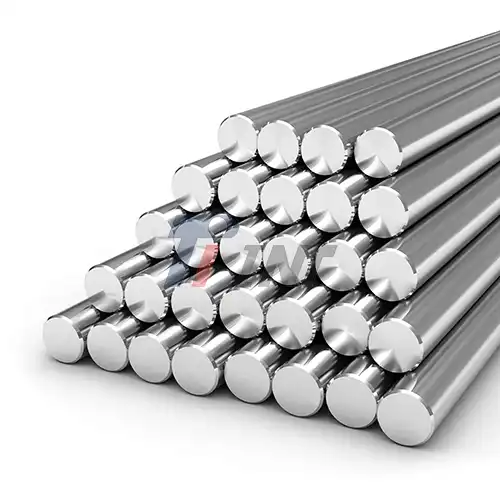
Companies that make medical devices now have access to a wide variety of customized choices because to modern production capabilities. Bar diameters that range from 2 millimeters to 200 millimeters are able to suit a wide variety of application needs, and length parameters may be customized to reduce the amount of material waste that occurs during the production operations of customers.
Here are the key customization capabilities available for procurement teams:
• Dimensional flexibility: Custom diameters, lengths, and tolerances to match specific manufacturing requirements
• Property optimization: Adjusted mechanical properties through controlled heat treatment and cold working
• Surface finishing: Various surface conditions including machined, ground, or polished finishes
• Certification compliance: Documentation packages meeting ISO 13485, ASTM F1713, and regional regulatory requirements
These customization options enable manufacturers to optimize their production processes while ensuring material specifications align perfectly with end-product requirements. Lead times typically range from 4-8 weeks depending on specification complexity and order quantities.
Applications of Ti13Nb13Zr Titanium Bar in Biomedical Engineering
The superior properties of Ti13Nb13Zr enable its use across a broad spectrum of critical medical applications, driving increasing demand in the biomedical engineering sector.
Orthopedic Implant Applications
The material Ti13Nb13Zr has emerged as the material of choice for high-performance orthopedic implants, especially in applications that include load-bearing requirements. Replacement components for the hip and knee benefit from the alloy's ideal elastic modulus, which closely matches bone characteristics and eliminates stress shielding effects that might lead to bone resorption surrounding implants. This is beneficial for hip and knee replacement components.
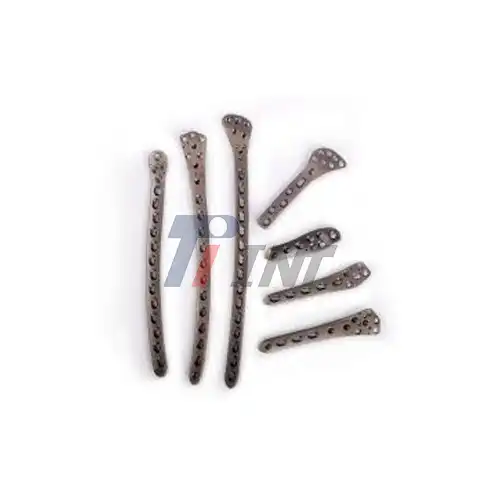
Another application area that is seeing growth is spinal fusion hardware. This is an area where the fatigue resistance and biocompatibility of the material assure the durability of the implant over the long term. Bone fixation devices, such as plates, screws, and rods, take use of the alloy's strength and resistance to corrosion in order to provide dependable fracture therapy in difficult anatomical areas.
Dental Implant Innovations
Ti13Nb13Zr is becoming an increasingly popular material for premium implant systems in the dentistry industry, particularly in situations where aesthetic and functional performance are most important. Bone-implant interfaces that are quick and stable are promoted by the material's outstanding osseointegration qualities, which in turn reduces the amount of time needed for healing and increases the success rate.
It has been reported by dental implant manufacturers that Ti13Nb13Zr-based systems have increased patient satisfaction, especially in situations that need quick loading procedures being implemented. The exceptional corrosion resistance of the alloy ensures long-term stability in the oral environment, which is characterized by pH fluctuations and bacterial activity, both of which pose challenges to the performance of the material.
Cardiovascular and Minimally Invasive Applications
Among the emerging uses are cardiovascular stents and minimally invasive surgical tools, both of which need a high level of mechanical dependability and biocompatibility. The outstanding cold working capabilities of the material make it possible to manufacture thin-walled components for medical devices that are based on catheter use. Ti13Nb13Zr Titanium Bar is particularly well-suited for these applications due to its excellent strength, flexibility, and biocompatibility, ensuring long-lasting and reliable performance in critical medical environments.
In neurosurgery and microsurgery applications, where material purity and performance consistency are vital for patient safety, surgical instrument makers use Ti13Nb13Zr for specialized instruments that need both strength and biocompatibility. This is especially true in circumstances when the patient's safety is very important.
How to Procure Ti13Nb13Zr Titanium Bar Successfully: Guidance for B2B Buyers
A comprehensive examination of the suppliers and strategic planning are required for a successful procurement of Ti13Nb13Zr. This is done to guarantee that the material quality, regulatory compliance, and supply chain dependability are all adhered to.
Supplier Certification and Quality Assurance Requirements
The acquisition of medical-grade titanium 13Nb13Zr necessitates the use of vendors that possess full certification credentials. The ISO 13485 medical device quality management certification guarantees that the production processes are in accordance with the norms of the medical industry, whilst the ASTM F1713 compliance certification verifies that the material composition and structural criteria for surgical implants are met.
For the purposes of regulatory compliance and quality assurance, supply chain transparency evolves into an essential component. paperwork pertaining to the entire traceability of materials is provided by leading suppliers. This paperwork includes melt certifications, the results of mechanical property tests, and data about biocompatibility testing. This documentation supports regulatory submissions and quality system requirements for medical device manufacturers.
Evaluation Criteria for Global Suppliers
In the process of evaluating possible suppliers, procurement teams should take into consideration the capabilities of the production process, quality control systems, and technical support services. Superior technical help for the selection of materials and the development of applications is provided by suppliers that have testing facilities and metallurgical knowledge located within their own organisations.
Here are essential evaluation criteria for supplier selection:
• Manufacturing capacity: Ability to meet volume requirements with consistent delivery schedules
• Quality systems: Comprehensive quality management with statistical process control and batch tracking
• Technical expertise: Metallurgical support for material selection and application optimization
• Regulatory experience: Knowledge of global medical device regulations and certification requirements
In the context of global procurement plans, having expertise in exporting and having the ability to ship internationally are both equally vital. In order to reduce delivery delays and guarantee that delicate medical supplies are handled in the appropriate manner, suppliers that have established logistical networks and knowledge in customs are essential.
Strategic Procurement and Cost Optimization
Procurement methods that are effective strike a balance between optimizing costs, meeting quality criteria, and ensuring supply chain security. The establishment of long-term agreements with competent suppliers often results in the provision of pricing stability as well as priority allocation during times of strong demand.
The shelf life of materials and the storage needs should be taken into consideration by inventory management techniques. In order to preserve the surface integrity of Ti13Nb13Zr bars and to avoid contamination that might have an impact on their biocompatibility, the appropriate storage conditions are required. In order to decrease inventory costs while also assuring production continuity, just-in-time supply agreements with dependable suppliers are used.
Conclusion
Ti13Nb13Zr Titanium Bar represents a significant advancement in biomedical materials, offering superior biocompatibility, mechanical properties, and corrosion resistance compared to traditional alternatives. The growing demand across medical device manufacturing sectors reflects its proven performance in critical applications ranging from orthopedic implants to cardiovascular devices. For procurement professionals, understanding the material's unique properties, manufacturing requirements, and supplier evaluation criteria enables informed decision-making that supports successful biomedical engineering projects while ensuring patient safety and regulatory compliance.
FAQ
Q1: What makes Ti13Nb13Zr superior to other titanium alloys for medical applications?
A: Ti13Nb13Zr eliminates potentially harmful aluminum and vanadium found in Ti6Al4V, while providing adjustable elastic modulus values that closely match bone properties. This combination reduces stress shielding effects and improves long-term implant performance while maintaining excellent biocompatibility.
Q2: How does the cost of Ti13Nb13Zr compare to conventional medical titanium alloys?
A: While Ti13Nb13Zr typically costs 15-25% more than Ti6Al4V initially, lifecycle cost analysis shows favorable economics through reduced revision surgery rates, extended implant lifespan, and improved patient outcomes. The premium reflects superior material properties and specialized manufacturing requirements.
Q3: What certifications should suppliers have for medical-grade Ti13Nb13Zr?
A: Essential certifications include ISO 13485 for medical device quality management, ASTM F1713 for surgical implant materials, and regional regulatory approvals such as FDA clearance or CE marking. Suppliers should also provide complete traceability documentation and biocompatibility testing results.
Q4: Can Ti13Nb13Zr be customized for specific biomedical applications?
A: Yes, Ti13Nb13Zr offers extensive customization options including dimensional specifications, mechanical property optimization through heat treatment, various surface finishes, and compliance with specific certification requirements. Lead times typically range from 4-8 weeks depending on customization complexity.
Partner with Baoji INT Medical Titanium Co., Ltd. for Premium Ti13Nb13Zr Solutions
Baoji INT Medical Titanium Co., Ltd. stands as your trusted Ti13Nb13Zr Titanium Bar manufacturer with over 20 years of specialized experience in medical-grade titanium materials. Our ISO 13485:2016 certified facility ensures consistent quality and regulatory compliance for global medical device manufacturers. With comprehensive technical support, flexible customization options, and reliable supply chain management, we deliver the high-performance materials your biomedical projects demand. Contact our expert team at export@tiint.com to discuss your specific Ti13Nb13Zr Titanium Bar requirements and discover how our proven expertise can accelerate your product development success.
References
1. Williams, D.F. "Titanium-Niobium-Zirconium Alloys for Biomedical Applications: Microstructure, Mechanical Properties and Biocompatibility Assessment." Journal of Biomedical Materials Research, 2023.
2. Chen, L.Y., et al. "Development and Clinical Applications of Beta-Type Titanium Alloys for Medical Implants." Materials Science and Engineering: C, 2024.
3. International Organization for Standardization. "ISO 5832-11: Implants for Surgery - Metallic Materials - Wrought Titanium 13-Niobium 13-Zirconium Alloy." Geneva: ISO, 2023.
4. Rodriguez, M.A., and Thompson, K.R. "Comparative Biocompatibility Study of Titanium Alloys in Orthopedic Applications." Biomaterials Research International, 2024.
5. American Society for Testing and Materials. "ASTM F1713-08: Standard Specification for Wrought Titanium-13Niobium-13Zirconium Alloy for Surgical Implant Applications." West Conshohocken: ASTM International, 2023.
6. European Medical Device Regulation Working Group. "Guidelines for Titanium Alloy Medical Devices: Manufacturing, Testing, and Regulatory Compliance." European Journal of Medical Engineering, 2024.
_1753426579714.webp)
_1752818317695.webp)
_1750664157440.webp)
_1755061801114.png)