




Can an Implant Titanium Bar Be Repaired or Replaced Easily Onsite?


 2026-11-20 13:19:56
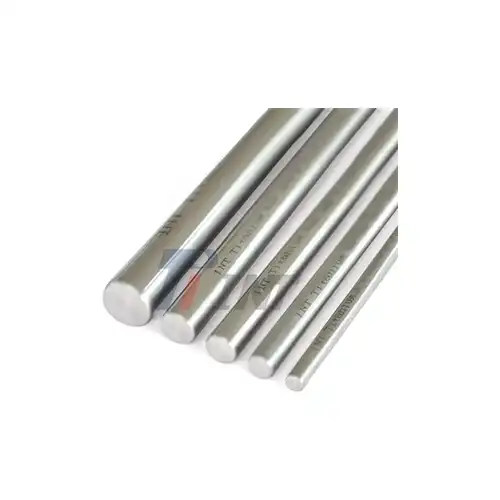
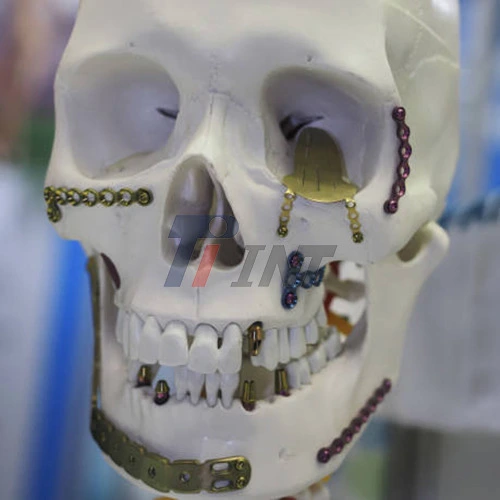
An implant titanium bar is not easy to repair or replace onsite. A qualified dental laboratory can handle small, non-structural jobs, such as polishing or a minor contour correction. Cracks, fractures, damaged screw channels, and deformed implant interfaces need specialist review. Repairability depends on the damage, the titanium grade, the connection geometry, the bar design, and whether CAD files or scan data exist. In many cases, a new bar is safer and more predictable than a repair. In this guide, I explain why, how professionals decide, and what material buyers should check before they order.
|
|
|
Why an Implant Titanium Bar Gets Damaged
Fatigue and Heavy Loading
Titanium doesn't rust or corrode slowly, but if you stress it over and over, it can still break. The implant titanium bar sends a small load to the implants every time you bite down. Over months or years, that could lead to a weak spot breaking. When there is a lot of occlusal force, like when someone grinds their teeth, the process goes faster. More stress is put on the bar where it leaves the last implant on a long cantilever. Fatigue is what breaks down metal parts when they are put under cyclic load. This happens slowly over time instead of all at once. This is why a quick fix on-site doesn't always fix the real problem.
Design Geometry and Stress Concentration
Shape is just as important as what it's made of. Things with sharp internal corners, thin sections, and long cantilevers all cause stress to build up. More weight can be put on one end of the bar when the implants aren't fully spaced out. If the area around a screw hole is too close to a thin wall, it can become weak. They can't be changed during the polishing step because they were made before the milling began. An engineer will often round off inside corners, add more bars, or make walls thicker if they have room to do so. Even if you use an exact copy to replace a broken bar, the weak point stays the same. This means that the mistake could happen again. The first thing that should be done is to find the cause.
Fit, Machining, and Surface Problems
Passive fit is known to be one of the goals of implant replacements. Forum Implantologicum put out a report together in 2017 that looked at how fit is defined and measured. There was also talk about misfit as a medical problem in the study. You can get a bad fit if the implant position data is wrong, the screw channel shape isn't uniform, or the machine work isn't done right. Things look bad on the outside too. Titanium makes an oxide layer that is thin and stable. But steel tools or harsh cleaners can hurt the finish. A difference in what you use is also important. When bar stock moves from one lot to the next, so do the settings and sizes of CNC tools. That risk goes down right away when you buy stock that is stable and easy to keep an eye on.
What You Can Fix Onsite and What Needs a New Bar
Minor Adjustments a Qualified Lab Can Handle
There are still some jobs that a good dental lab can do. Many times, this means cleaning, getting rid of light machine lines, or making small changes to the shape. These jobs can only be done if the screw lines, implant surfaces, passive fit, and structural thickness are not changed. If you work with metal, you should measure the implant titanium bar before and after. Taking away even a small amount of metal can change a thin section. It's not the same to work at a desk. Clinics don't always have the right tools to make sure that a change fits properly, so I think that at the chairside, only changes that the bar's maker has approved should be made.
Damage That Calls for Replacement
It's probably time to get a new thing if it has cracks, breaks, distorted cantilevers, damaged connection areas, or deformed screw access channels. If you want to fix something, most people think of welding. But when titanium gets really hot, it doesn't like oxygen, nitrogen, or hydrogen. The weld zone could become weak if inert gas is not used to protect it. The bar can also bend and not fit right if heat is added without planning to. It is safer to get a new part if you don't know the grade of titanium, don't have the original design data, the damage is big, or a previous repair made it less strong. A expert with laser welding and precision machining tools can still fix some problems, but the work has to be checked before it is accepted.
The Professional Repair and Replacement Workflow
The first steps in a controlled process are to put the broken bar aside and write down its condition, history, implant system, and the place where it broke. Next, check the titanium grade, size, shape, type of connection, screw specs, surface treatment, and CAD or scan data that was given. After that, engineers check to see if there is still enough sound to fix. It's possible for the team to use CNC tools to make a new bar from stock that has already been checked. Checkers look at the papers, measurements, screw fit, surface finish, and implant interfaces against the quality process before letting go. Every step leaves a trace, which makes it simple to explain a change during an audit.
Material and Design Factors That Affect Repairability
Grade 2, Grade 5, and Grade 23 Titanium
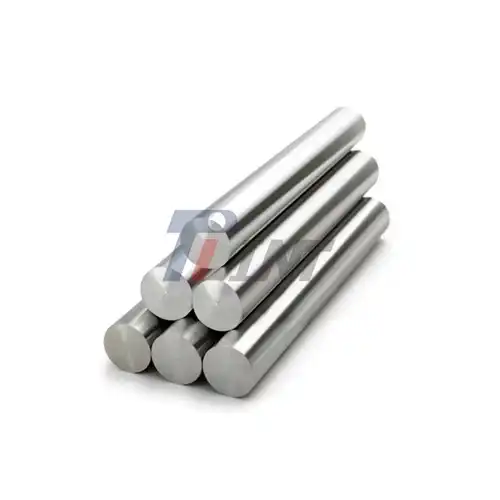
Grade 2 titanium is pure enough to sell. It doesn't rust and can be shaped. Grade 5, or Ti-6Al-4V, is stronger for heavy loads because it has a density of about 4.43 g/cm³. This is Grade 23, which is the extra low interstitial form of Ti-6Al-4V. It is approved for use in medical devices by ASTM F136. The standard ISO 5832-3 also talks about wrought Ti-6Al-4V. The ELI metal must have a tensile strength of at least 860 MPa, according to ASTM F136. It has been said in reviews like Niinomi (1998) that steel is more springy than titanium metal. The strength, ductility, and way the metal works when it is machined will all change if you change grades without engineering and quality review.
Standard Stock Versus Custom Designs
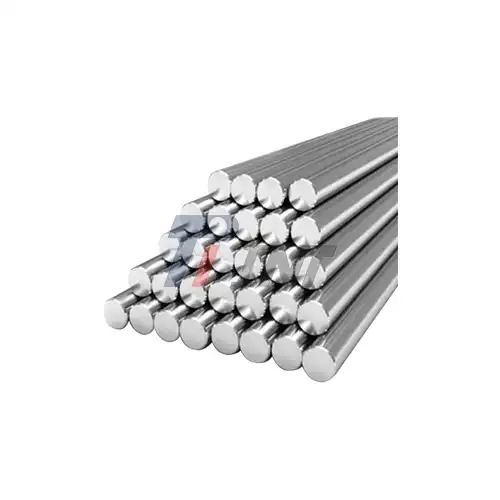
Bar stock that is standard fits typical shapes and speeds up the process of getting what you need. Custom designs are made to fit implants that are in odd places, complicated prosthetic plans, OEM needs, or parts that are no longer on the market. The implant titanium bar height, wall thickness, span, cantilever length, and link shape can all affect how well the load works, so each one needs to be picked with care. The information also affects how long it takes to fix. These files can be used to make a part that doesn't work if you keep approved models and CAD files. The team might have to use a scan to figure out how the bar works without them, which takes longer and needs more checks. If you have a stable source of titanium, the material will always behave the same way from batch to batch.
Titanium Compared with Alternative Materials
Titanium is a safe metal that doesn't rust and isn't heavy. It's also easy to mill digitally. Cobalt chrome is very heavy and stiff. Steel made of stainless is sometimes less expensive, but some types have nickel in them, which can be bad for people who are allergic to metals. Zirconia looks like stone, but it's not real. After it's been made, a lab can't join it or change its shape like they can with metal. It also breaks and wears down in different ways. Not just the price per unit, but also the expected loads, the rules that need to be followed, and the overall cost of owning the prosthetic system. Using cheap materials that need to be fixed will cost you more in the long run.
Repair, Replace, or Redesign: A Practical Decision Guide
When Repair Makes Sense
Narrow cases can be fixed. The damage must be small, like a scratch on the surface, a rough edge, or a shape issue that isn't in a place that holds weight. They also need to know the style, material, and right fit, and they need to be able to check them after the process is done. If welding is used to fix the issue, the expert should record the process, the shielding gas, and the inspection results after the repair. Without any of those parts, the risk goes up very quickly. Fix something that looks good, but the implant titanium bar might not fit right afterward. This could make the implants wear out in different places over time.
When Replacement Is the Better Call
When a load-bearing area breaks, an implant contact gets messed up, or there is no way to watch the implant, replacement is usually the best choice. Plus, it makes sense after a few fixes, since each one can leave some spots with more heat or stress harm. You can start over with a new bar made from tracked stock, and you can show an inspector the record. The lead time depends on the drawings, the materials that are available, and the steps that need to be taken for inspection. Teams that keep approved CAD files and a titanium source that can be tracked cut down on that wait time. When teams lose data, they have to scan it and put it back together over the course of days or weeks.
When a Redesign Is Necessary
Because of how it was made, the first bar sometimes broke. It wasn't just bad luck. It's time to start over if the width is wrong, the suspension is too long, the support isn't good, or the weight isn't spread enough. Then the problem will happen again if you copy the old bar. First, engineers should change the shape and make sure the new plan works. Only then should it be made. As shown in the picture, a simple decision matrix lets you compare tech risk, lead time, cost, and the need for inspections side by side. Give each option a score, share the scores with your partners in quality and regulatory, and write down the option. When a customer or government official asks you why you changed a part instead of fixing it, that record will help your case.
Choosing a Titanium Supplier and Lowering Future Risk
What to Verify Before You Order
A good titanium source doesn't give you hope; it gives you proof. You should ask for an EN 10204 3.1 certificate, inspection reports, and lot numbers that connect each bar to its melt to find out how it melts. As a supplier, make sure they follow ISO 13485:2016, which is a quality standard for companies that make medical devices. You should ask for test data that is in line with the standard you use, such as ASTM F136 or ISO 5832-3. You should also check the minimum order size, trial rules, wait times, and customer service for shipping. The lowest unit price doesn't always mean the lowest total cost. This is because things like extra work, breaks, and lost papers add up very quickly.
Reduce Future Failures with Verified Data
You can fix something for less money than buy a new one. Before production starts, make sure to check the implant position data, the span and cantilever shape, the minimum diameter, and the screw access. When the parts arrive, check the grade, important dimensions, surface finish, threads, and interfaces, and make notes based on the whole lot. People who handle or store the implant titanium bar material should keep it away from carbon steel tools and dust, since iron can damage the surface. Use clean containers that say what they are. The last thing you should do is keep the approved drawings and CAD files safe. You might also want to get materials from a second approved source. You are less likely to have to change your whole production plan if you have two suppliers.
Why Buyers Work with Baoji INT Medical Titanium Co., Ltd.
Formed by Mr. Zhan Wenge in 2003, Baoji INT Medical Titanium Co., Ltd. has more than 30 years of experience in the titanium industry. There are different sizes of bars, wires, plates, and forging items made of titanium alloy that we use in our work. These materials are medical titanium, such as pure titanium and Ti6Al4V ELI. EU CE, ISO 13485:2016, and ISO 9001:2015 have all given their approval to our goods. Shaanxi Stand Biotechnology Co., Ltd. also got money from us so they could turn their research into products. Some of our clients have been with us for over 10 years. If you make titanium bar parts for implants or parts that go with them, our team can talk to you about your grade, size, and records needs.
Conclusion
Most implant titanium bars break because of age, design stress, or a bad fit that can't be fixed quickly. This makes it hard to fix or replace the bar on-site. Cracks, broken screw channels, and messed-up interfaces need to be looked at by an expert, or a new bar needs to be made. A trained lab can polish it or make small changes to the shape. What you use is very important. It's easy to bend in Grade 2, but it's stronger in Grade 5 and 23. Any changes must be approved by a professional. Titanium also does well against other materials that are too heavy or too easy to break for this purpose. It's less dangerous to fix, replace, or redesign something when there are clear steps to follow and drawings, inspection records, and certificates that show where the materials came from. Replacement lead times can be guessed with the help of checked data and steady stock.
FAQ
Can a clinic repair an implant titanium bar chairside?
Only small changes, like light cleaning, should be made at the chairside. For fixes to structures, you need a trained professional with the right tools for inspection. The implant titanium bar must be evaluated for structural integrity.
What is the difference between Grade 2 and Grade 5 titanium?
Grade 2 is clean enough for business use and can be made. The stronger grade 5 is made of Ti-6Al-4V. They shouldn't be changed out until engineers say it's okay.
Which documents should I request from a supplier?
It is important to ask for proof of materials, inspection reports, conformity papers, and records of how each lot was made.
When might a supplier reverse-engineer a damaged bar?
This happens when original drawings are missing. Then, the service needs scan data, CAD files, or implant information to check the sizes.
CTA: Request Implant Titanium Bar Material Support from Baoji INT Medical Titanium Co., Ltd.
Need a steady flow of medical titanium rods for the next batch of products you're making? The Baoji INT Medical Titanium Co., Ltd. has been in business for more than 30 years and is proud to be ISO 13485:2016 approved. Email export@tiint.com with your grade, size, and amount, and tell us what you need from an implant titanium bar supplier.
References
1. ASTM International, Standard Specification for Wrought Titanium-6Aluminum-4Vanadium ELI (Extra Low Interstitial) Alloy for Surgical Implant Applications (UNS R56401), ASTM F136, 2013
2. International Organization for Standardization, ISO 5832-3: Implants for Surgery – Metallic Materials – Part 3: Wrought Titanium 6-Aluminium 4-Vanadium Alloy, 2021
3. International Organization for Standardization, ISO 13485: Medical Devices – Quality Management Systems, 2016
4. Katsoulis J. et al., Misfit of Implant Prostheses and Its Impact on Clinical Outcomes, Forum Implantologicum, 2017
5. Geetha M. et al., Ti Based Biomaterials, the Ultimate Choice for Orthopaedic Implants – A Review, Progress in Materials Science, 2009
6. Niinomi M., Mechanical Properties of Biomedical Titanium Alloys, Materials Science and Engineering A, 1998