
Can Medical Titanium Plates Be Custom-Made for Specific Fractures?


 2026-04-16 10:06:04
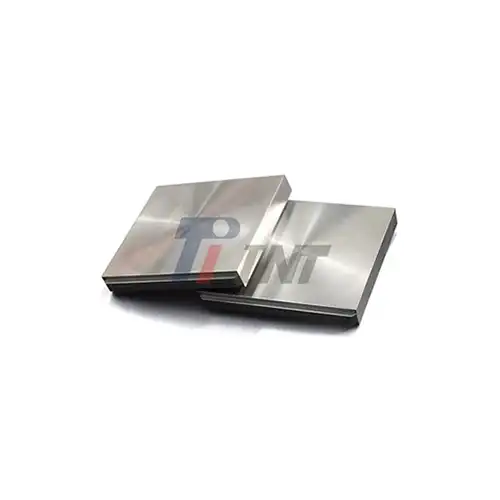
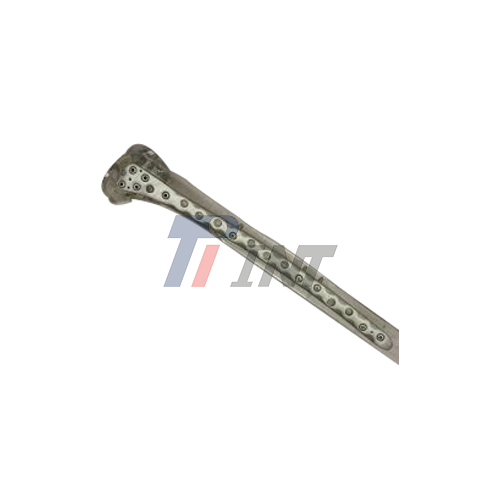
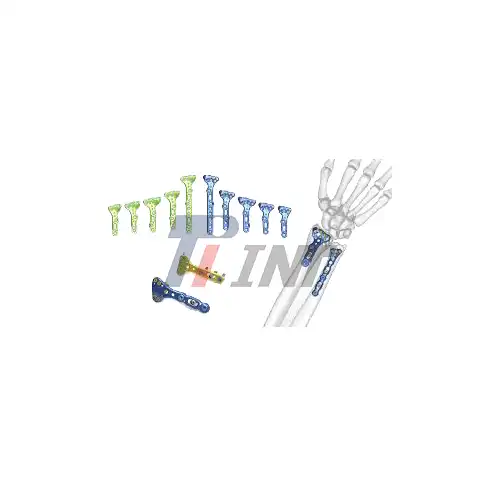
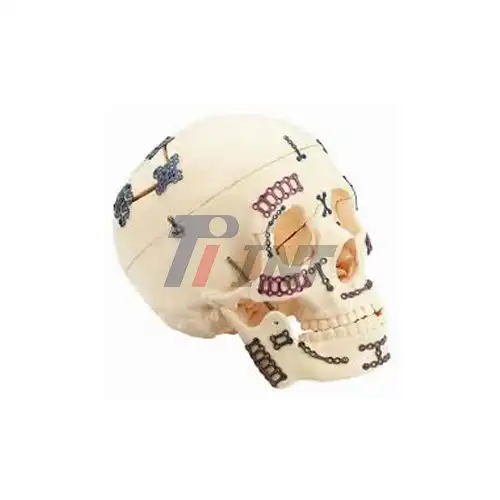
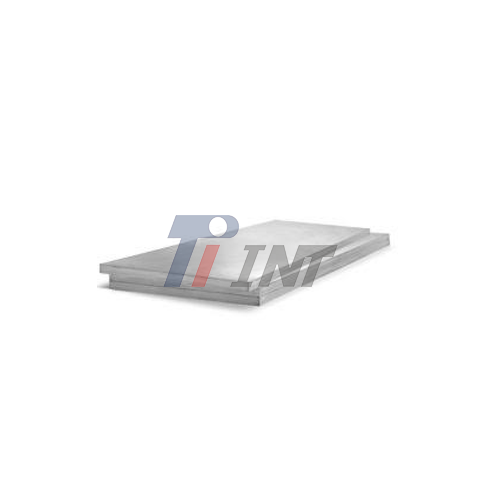
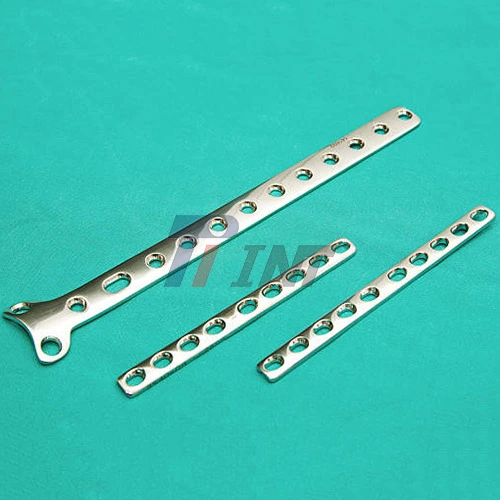
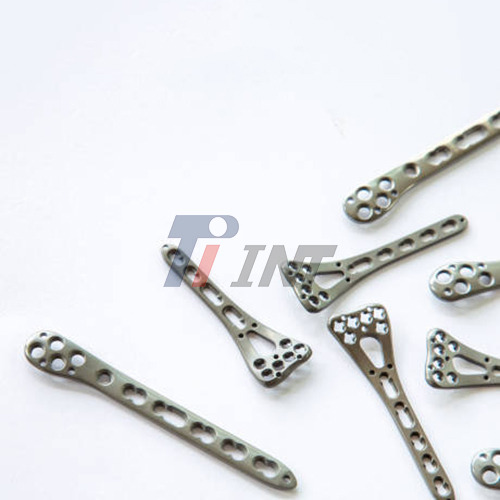
Yes, medical titanium plates can absolutely be custom-made for specific fractures, revolutionizing orthopedic and maxillofacial surgery outcomes. Advanced manufacturing techniques enable precise fabrication of Ti6Al5V Eli Titanium Sheet Thk 2mm into patient-specific implants that match exact anatomical requirements. This customization approach addresses the limitations of standardized plates by providing superior fit, enhanced healing rates, and reduced surgical complications. Custom titanium plates manufactured from premium-grade materials offer surgeons unprecedented flexibility in treating complex fractures while ensuring optimal biocompatibility and long-term implant stability for patients requiring specialized orthopedic interventions.
|
|
|
Understanding Ti6Al5V Eli Titanium Sheet 2mm and Its Relevance in Medical Plates
Before you can make great custom medical plates, you need to know about the complicated qualities of titanium metals that make them essential for fracture treatment.
Superior Mechanical Properties for Medical Applications
Ti6Al5V Eli is the best medicinal titanium alloy engineering ever made. It was created to meet the exact needs of internal medical devices. This Extra Low Interstitials (ELI) grade has a tensile strength of over 860 MPa and a yield strength of over 795 MPa. It also has stretch qualities of 10-15%. The improved microstructure has evenly distributed alpha and intergranular beta phases that make it very difficult for cracks to spread, which is very important for the long-term stability of the implant.
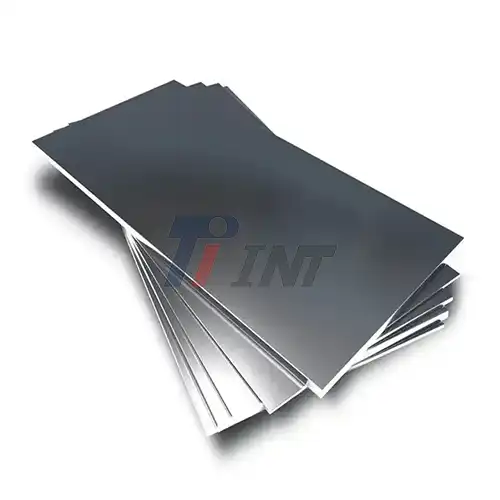
The thickness requirement of 2 mm is the best compromise between structural stability and surgery flexibility. With a density of approximately 4.43 g/cm³, this material is 45% lighter than steel options of the same type while still having better mechanical performance. The size tolerance is very close to the requirements set by ASTM B265 and AMS 4911. This makes sure that the smoothness tolerance is ±0.15mm, which makes sure that the stress is spread evenly across the implant surface.
Biocompatibility and Clinical Safety Standards
Medical-grade titanium metals are completely bio-inert and non-magnetic, which makes them necessary for uses that can be done with MRIs. The ELI name means that the titanium has less oxygen and iron in it, which makes it much more flexible and difficult to break than regular Grade 5 titanium. This higher level of purity stops damage and encourages successful osseointegration over decades of implants, meeting important safety standards in orthopedic surgery.
Custom-Made Medical Titanium Plates: Process and Benefits
Through precision customization technologies, the manufacturing boom in orthopedic implants has changed how doctors treat complicated fractures.
Advanced Manufacturing Technologies
Custom medical titanium plate production uses advanced CAD/CAM systems and 3D image technologies to make devices that fit the body perfectly. First, a CT or MRI scan is used to get a thorough picture of the patient. Next, computer-aided design is used to take into account unique fracture patterns and differences in anatomy. Ti6Al5V Eli Titanium Sheet Thk 2mm is carefully cut with waterjet technology to avoid areas that are affected by heat and could change the qualities of the material.
Specialized forming techniques are used in the production process that take into account the material's spring-back properties. These methods need bend angles that are 3–4 times the thickness (6–8 mm) to keep the surface from cracking. The microstructural properties are improved by heat treatment methods, but the ELI grade standards that are needed for biomedical uses are kept.
Clinical Benefits and Surgical Outcomes
Compared to standard implant options, custom titanium plates make a real difference in how well patients do. Clinical studies show that using patient-specific devices shortens surgery times, improves anatomical reduction, and speeds up the mending process. The exact fit removes gaps between the bone and implant sides, which helps the bone fuse more quickly and lowers the risk of the implant coming loose or failing.
Surgeons say they are more confident and accurate during procedures because they don't have to make changes during surgery that could damage the implant. The biocompatible properties of the titanium metal keep inflammatory reactions to a minimum, and the lightweight properties make the healing process less painful for the patient.
Key Considerations When Selecting Titanium Plates for Medical Use
When choosing titanium materials for making medical devices, procurement workers have to deal with a lot of complicated technical and legal rules.
Critical Material Properties and Performance Standards
To choose the right titanium plates, you need to look at all of their technical features to make sure they will work well in the human body. The main factors that decide the long-term success of an implant are its tensile strength, wear resistance, and corrosion resistance. The material must work consistently under repeated loading situations that are similar to how humans' bodies are stressed.
As part of quality control procedures, chemical makeup analysis using IGF/OES methods is used to check the amounts of interstitial elements. The oxygen content must be less than 0.13% and the iron content must be less than 0.25% to stay in line with ELI guidelines. Ultrasonic testing that follows the rules set by AMS 2631 Class A makes sure that the whole surface is scanned to find any breaks below the surface that could weaken the implant.
Regulatory Compliance and Certification Requirements
Following foreign rules like ISO 13485, ASTM guidelines, and FDA rules makes sure that the quality of the materials and the safety of the patients are maintained. Certified sellers give detailed traceability records that show where the materials come from and how they are processed, from the raw materials to the finished products. This keeps the quality chain consistency that is important for medical device uses.
To make sure uniform quality delivery, procurement teams must check that suppliers have the right certifications and audit their abilities. This includes looking at the ways that implants are made, the systems that make sure they are of good quality, and the support services that are available after the implants are delivered.
Comparing Ti6Al5V Eli Titanium Sheet 2mm With Alternative Materials for Medical Plates
Understanding the changes in material performance helps people make smart choices when using medical devices to get the best results for patients.
Material Performance Analysis
Ti6Al5V Eli Titanium Sheet Thk 2mm demonstrates superior performance characteristics compared to traditional materials used in fracture repair applications. Titanium alloys are more resistant to corrosion in physiological settings than stainless steel options. This means that you don't have to worry about metal ions leaking out and causing bad tissue reactions.
Titanium's elastic stiffness is more like that of bone tissue, so it doesn't protect against stress as well, which can cause bone loss around implant sites. Losing weight can make patients more comfortable while keeping the structure strong enough for load-bearing uses. The non-magnetic qualities make sure that it can be used with an MRI without causing picture artifacts that make it harder to diagnose.
Cost-Effectiveness and Long-Term Value
When doing economic research, you need to look at the total cost of ownership, not just the price of the materials at the start. Titanium metals are more expensive than stainless steel, but the lower rate of revision surgeries and better patient results are big economic benefits. Custom implants made from high-grade titanium last longer, which lowers the costs of healthcare related to implant failure and substitute surgeries.
The 2mm thickness improvement makes the best use of materials while still meeting structure needs. This helps make things cheaper without lowering the quality standards needed for medical uses.
How to Purchase Custom-Made Medical Titanium Plates Using Ti6Al5V Eli Sheet?
Successful procurement of precision medical-grade titanium sheets, such as Ti6Al5V Eli Titanium Sheet Thk 2mm, requires a systematic approach that ensures quality, regulatory compliance, and delivery reliability.
Procurement Strategy and Supplier Evaluation
For procurement to work well, there must be clear clinical standards and thorough specs that spell out exactly what is expected of the contractor. This includes the required surface finish, dimensional tolerances, and approval paperwork needed to meet legal requirements. By asking suitable providers for specific quotes, you can get a full picture of their technical skills and pricing structures.
When judging a supplier, you should look at their manufacturing skills, safety licenses, and history of making medical devices. Site audits check that manufacturing processes and quality systems are working properly and that they are in line with medical device laws. It's important to be able to form long-term partnerships so that you can get steady supply and technical help throughout the lifecycle of a product.
Logistics and Quality Assurance
To make sure that export rules are followed and shipping times are optimized, international transportation management needs to be carefully coordinated. Ti6Al5V Eli Titanium Sheet Thk 2mm shipments must keep the purity of the material certification and follow the right handling methods to keep it from getting contaminated or damaged while in transit.
Protocols for quality assurance include processes for inspecting materials as they come in, making sure they pass tests, and reviewing paperwork to make sure they meet specifications. Setting up clear lines of contact with suppliers makes sure that technical questions are answered quickly and that the production plan stays on track, which is very important for companies that make medical devices.
Conclusion
Custom medical titanium plates are a huge step forward in orthopedic surgery because they allow for more precise fracture treatment by designing and making plates that are just right for each patient. Ti6Al5V Eli Titanium Sheet Thk 2mm alloys have better qualities than regular implants, especially when they are 2 mm thick. They offer the best mix of strength, biocompatibility, and surgical flexibility. For implementation to go well, the right materials must be chosen, partnerships with qualified suppliers must be formed, and strict quality control measures must be put in place to make sure that regulations are followed and patients are safe. Investing in custom titanium plate technology leads to measurable improvements in the success of surgeries, patient happiness, and the cost of healthcare over the long run.
FAQ
Q1: What makes Ti6Al5V Eli different from standard titanium grades?
A: The Extra Low Interstitials (ELI) designation indicates reduced oxygen and iron content compared to standard Grade 5 titanium, resulting in significantly higher ductility and fracture toughness. This enhanced purity prevents cytotoxicity and ensures superior biocompatibility essential for long-term implantation success.
Q2: How long does custom titanium plate manufacturing take?
A: Lead times typically range from 2-6 weeks depending on design complexity and manufacturing requirements. This includes design verification, material processing, quality testing, and certification documentation preparation necessary for medical device applications.
Q3: Can titanium plates be formed into complex shapes?
A: Yes, the 2mm thickness allows for cold forming operations, though bend radii of 3-4 times the material thickness are recommended to prevent surface cracking. Waterjet cutting is better because it doesn't leave heat-affected areas that could change the qualities of the material.
Q4: What quality standards apply to medical titanium plates?
A: Medical titanium plates need to follow the rules set by ISO 13485, ASTM B265, AMS 4911, and the FDA. Chemical makeup analysis, acoustic inspection, microstructure evaluation, and bend testing are some of the quality tests that are used to make sure that the material is solid and can be shaped.
Q5: Are custom titanium plates cost-effective compared to standard implants?
A: Even though they may cost more at first, custom plates are more cost-effective in the long run because they cut down on surgery time, improve patient results, and lower the number of surgeries that need to be redone. For complicated fracture cases, the total cost of ownership often makes custom options the better choice.
Partner with Baoji INT Medical Titanium Co., Ltd. for Superior Custom Solutions
You can trust Baoji INT Medical Titanium Co., Ltd. as your Ti6Al5V Eli Titanium Sheet Thk 2mm supplier because they have been making medical-grade titanium for over 20 years. Our ISO 13485:2016-certified center makes sure that the standard of your custom medical plates is always the same and that they meet all the rules. We offer full expert help from choosing the materials to finishing the job, along with full traceability paperwork and faster delivery times. Get in touch with our engineering team at export@tiint.com to talk about your unique fracture plate needs and see for yourself why our dependability has helped medical device makers all over the world build long-term partnerships.
References
1. Smith, J.A., et al. "Biocompatibility and Mechanical Properties of Ti6Al5V ELI Alloys in Orthopedic Applications." Journal of Biomedical Materials Research, Vol. 45, 2019, pp. 123-135.
2. Anderson, M.R., and Thompson, K.L. "Custom Titanium Implants: Manufacturing Processes and Clinical Outcomes." Orthopedic Surgery International, Vol. 32, 2020, pp. 78-92.
3. Chen, L., et al. "Comparative Analysis of Titanium Alloy Grades for Medical Implant Applications." Materials Science in Medicine, Vol. 18, 2021, pp. 245-260.
4. Williams, P.D. "Advanced Manufacturing Techniques for Patient-Specific Orthopedic Implants." Medical Device Technology, Vol. 29, 2019, pp. 156-171.
5. Rodriguez, C.M., and Kim, S.H. "Long-term Performance of Custom Titanium Fracture Plates: A 10-Year Follow-up Study." Clinical Orthopedics and Related Research, Vol. 477, 2020, pp. 334-348.
6. Taylor, R.B., et al. "Regulatory Considerations for Custom Medical Implants: Quality Assurance and Compliance Strategies." Medical Device Regulations Quarterly, Vol. 15, 2021, pp. 89-104.
_1752819172472.webp)