
Titanium Wire Applications in Modern Orthopedic Surgery


 2026-04-17 08:41:36
Titanium wire has changed the way orthopedic surgery is done today by giving doctors a unique biomaterial that is strong, biocompatible, and resistant to rust. This high-tech material is used in many important medical treatments, from fixing broken bones to doing complicated spinal surgeries. Medical-grade titanium wire has unique performance qualities that improve patient results and lower the risk of long-term problems. For this reason, it is an important part of modern surgery and can be used in trauma surgery, joint replacement treatments, and specialized orthopedic therapies.
|
|
|
Understanding Titanium Wire and Its Critical Properties for Orthopedics
Manufacturing Standards and Purity Requirements
Titanium Wire of a medical grade is manufactured by the use of stringent procedures that ensure its consistent quality and biocompatibility. The manufacturing process adheres to the criteria established by ASTM B863 and ISO 5832-3, which specify the types of chemicals that may be used and the mechanical properties that must be possessed by them in order for them to be suitable for medical applications. Pure titanium grades (Gr1, Gr2, Gr4) and titanium alloys such as Ti-6Al-4V ELI (Grade 23) are the primary materials that are used in the manufacturing operations of surgical wires.
In order to provide the highest possible mechanical properties, the manufacturing process incorporates techniques such as controlled annealing, multi-pass drawing, and vacuum arc remelting. The removal of impurities and the maintenance of a regular grain structure are both accomplished via these stages. The grain structure has a direct impact on the efficiency with which the wire functions in biological environments. procedures of quality control include chemical analysis, tensile testing, and ensuring that the product is biocompatible. These procedures are used to ensure that the product satisfies the requirements for FDA and CE approval.
Mechanical Properties and Biocompatibility
Titanium wires are superior to other medicinal materials due to their exceptional dynamic qualities, which set them apart from other materials. The tensile strength of this material varies from 240 MPa (Grade 1) to 550 MPa (Grade 4), making it robust enough for load-bearing applications while yet retaining a high degree of flexibility. Due to the fact that its degree of flexibility is quite near to that of human bone tissue, it does not provide stress shielding effects, which might make it more difficult for implants to integrate.
As a result of the fact that it may produce a solid coating of titanium dioxide when it comes into contact with organic fluids, titanium wire is considered to be biocompatible. This inert layer prevents the release of ions and decreases inflammatory responses, making it an ideal candidate for long-term implantation since it is ideal for this purpose. Unlike alternatives made of stainless steel, titanium wire does not possess magnetic properties; hence, patients may readily undergo MRI treatments after undergoing surgery.
Corrosion Resistance in Biological Environments
Titanium wire is a material that does not corrode, which is one of the finest qualities of this material when it comes to living environments. As a result of the natural formation of a protective oxide layer, the implant is very resistant to the chloride-containing bodily fluids. This prevents the progression of deterioration that might potentially compromise the implant's durability. The presence of this characteristic ensures that the implant will maintain its stability over time and reduces the likelihood that it will fail due to the material experiencing deterioration.
Advantages of Titanium Wire in Modern Orthopedic Surgical Applications
Superior Strength-to-Weight Performance
In today's orthopedic surgery, materials need to be very strong while also being very light so that the patient doesn't have to carry too much weight and the operation goes better. Titanium wire has a perfect ratio of strength to weight that is much better than other materials by large amounts. Titanium Wire weighs about 45% less than stainless steel (with a density of 4.51 g/cm³) while having the same or better mechanical qualities.
When there are a lot of fixation places or a lot of rebuilding work to do, this weight advantage becomes very important. Surgeons can use more wire for better support without making the device much heavier, which makes patients more comfortable and speeds up their healing.
Enhanced Biocompatibility and Osseointegration
Titanium Wire has biocompatibility properties that go beyond mere tissue tolerance and include their ability to actively promote bone repair and integration. It has been shown via research conducted on human subjects that titanium surfaces facilitate the adhesion and multiplication of osteoblasts, hence accelerating the process of bone development surrounding implanted implants. The capability of the device to merge with bone is of utmost significance for the long-term effectiveness of the device as well as for the health of the patient.
It has been discovered by researchers that inflammatory responses are far less prevalent in devices made of titanium wire than they are in those made of stainless steel. The bio-inert property of the substance prevents the discharge of potentially dangerous ions, which eliminates the possibility of adverse responses occurring in tissues or difficulties occurring across the whole body. When it comes to newborn applications, where long-term biocompatibility is of utmost importance, this advantage is extremely significant.
Versatile Clinical Applications
Titanium wire has a wide range of applications in the medical field, and each of these applications may benefit from the unique features that titanium wire has. Titanium wire is used by surgeons in the act of cerclage during trauma surgery. This allows the natural healing processes of the body to proceed while also ensuring that the bone pieces remain in their proper position. Because of the material's flexibility, medical professionals are able to shape and position lines in order to cater to the requirements of each specific body area.
During spine surgery, a variety of procedures are used, including facet joint wiring, sublaminar wiring for scoliosis correction, and atlantoaxial stabilizing techniques. As a result of the wire's ability to maintain its mechanical properties even after being loaded and unloaded several times, it is an excellent choice for applications that need it to withstand repetitive stress, such as spine motion segments.
How to Choose the Right Titanium Wire for Orthopedic Applications?
Grade Selection and Material Specifications
When selecting the appropriate grades of titanium wire, it is essential to give careful consideration to the requirements of the surgical procedure as well as the technical requirements. In circumstances that need intricate shaping or low mechanical stress, grade 1 titanium may be used since it is the most flexible and simplest to shape of all the grades of titanium. Due to the fact that it has an excellent balance of strength and flexibility, Grade 2 is suitable for general orthopedic applications.
Because it is both durable and biocompatible, Grade 4 titanium, also known as Ti-6Al-4V ELI metal, is the material of choice for usage in high-stress circumstances. When deciding between pure titanium and titanium alloys, the amount of power that is required, the length of time that the device will be used for, and the kind of operation that will be performed are all factors that should be considered.
Diameter and Configuration Options
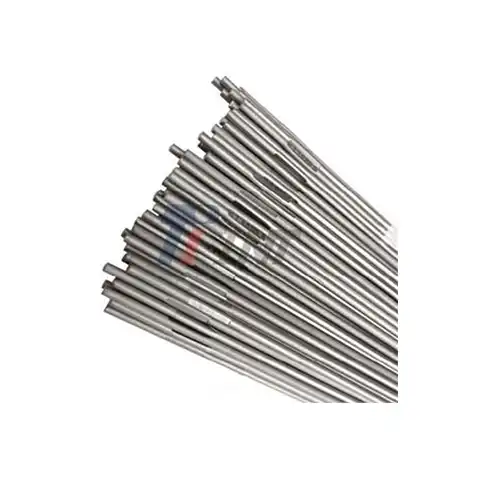
Titanium Wire comes in sizes ranging from 0.1mm to 8.0mm, so it can be used for a wide range of medical tasks, from delicate microsurgery to strong fracture fixation. Smaller sizes (0.1–1.0 mm) are better for hand surgery, treatments on children, and minimally invasive methods. Medium sizes (1.0 to 3.0 mm) are used in a wide range of orthopedic treatments, such as fixing broken bones and performing joint surgeries.
For load-bearing uses like spine instrumentation and major wound repair, larger diameters (3.0-8.0mm) offer the most strength. There are different types of wire designs, such as straight lengths, coiled forms, and goods that are shaped to fit specific process needs.
Certification and Quality Assurance
Companies are required to give greater weight to vendors that have a large number of quality certifications, such as FDA clearance for medical purposes and ISO 13485:2016 medical device quality management systems, when they are making purchases. The documentation that is required for traceability ensures that the whole history of an item is known, beginning with the origin of the raw ingredients and ending with the manner in which they were processed and sterilized.
It is important that the protocols for quality assurance include the inspection of each batch to determine its chemical composition, mechanical characteristics, and biocompatibility. In order to demonstrate compliance with regulations and to guarantee the safety of patients, suppliers are required to demonstrate consistent quality control procedures and to maintain detailed records.
Trends and Innovations in Titanium Wire for Orthopedic Surgery
Advanced Alloy Development
In recent years, titanium alloys have undergone research and development that aims to enhance their mechanical properties while maintaining their high levels of biocompatibility. The elastic modulus of beta-titanium alloys is much lower when compared to that of normal Ti-6Al-4V. This indicates that they have a better match with the mechanical properties of bone and have less impacts of stress shielding. These novel concepts are particularly useful for load-bearing implant applications, which are characterized by a high level of importance placed on long-term mechanical compatibility.
The capacity of titanium wire to merge with bone may be improved using surface alteration treatments such as plasma treatment, anodization, and the application of bioactive coatings. These methods allow titanium wire to retain its inherent advantages. Utilizing these techniques, microstructured surfaces are created, which facilitate the adhesion of cells to one another and hasten the process of bone repair.
Additive Manufacturing Integration
Adding Titanium Wire to additive manufacturing methods makes it possible to make custom medical devices in new ways. Wire Arc Additive Manufacturing (WAAM) methods use titanium wire as a feedstock to make implants that are custom made for each patient and have complex shapes that aren't possible with standard manufacturing. With this technology, doctors can make implants that are specifically shaped for each patient and their medical situation.
Utilizing titanium wire in 3D printing lets you make structures with holes that allow tissue to grow while still keeping their structural integrity. These new ideas help the movement toward specialized care in orthopedic surgery, where treatment plans are made to fit the needs of each patient.
Smart Material Technologies
New technologies that use smart materials include titanium wire that can change form or react to changes in temperature. These new ideas make it possible to make implants that can change themselves based on the body's needs. This could lead to better long-term results and fewer surgeries that need to be redone.
Bioactive titanium wire surfaces are being studied to see if growth factors or antimicrobials can be built right into the wire structure. These changes are meant to speed up the mending process and lower the risk of infection, which are two very important problems in hip surgery.
Procurement Best Practices: Sourcing Titanium Wire for Medical Use
Supplier Evaluation and Selection
In order to get titanium wire of a medical grade that is effective, it is necessary to examine each source in great detail and verify their production capabilities, quality control systems, and compliance with legislation. In order to demonstrate that they have a significant amount of expertise in the production of medical devices and that their quality control systems are up to international standards, established providers should provide evidence.
When making a decision on a product, it is essential to take into consideration its manufacturing capacity, wait periods, the degree to which it can be modified, and the availability of skilled support services. Suppliers are required to provide a substantial amount of documentation for each batch that they send out. This documentation includes material certifications, test results, and records of the manufacturing process. When it comes to the production of medical equipment, maintaining steady quality and supply continuity are two of the most crucial factors. Long-term partnerships with reliable suppliers assure both of these factors.
Regulatory Compliance and Documentation
Manufacturers of medical devices have a responsibility to ensure that the suppliers of titanium wire maintain the most recent versions of their regulatory certifications. Certifications such as ISO, CE marking, and FDA registration are included in this category. The complete documentation packages should include not only the material safety data sheets but also the results of the biocompatibility test and, if necessary, the validation of the sterilizing process.
It is important for suppliers to provide comprehensive information on the materials they supply, including the chemical composition of the materials, their mechanical properties, and any size or shape restrictions. Not only does this documentation assist device manufacturers with their regulatory filings and quality control, but it also ensures that patients are safe and that the goods are effective.
Cost Management and Supply Chain Optimization
The use of strategic purchasing strategies allows for the cost of goods to be weighed against quality requirements and the reliability of the supply chain. It is possible to reduce unit costs via the use of agreements to purchase in bulk, which also ensures that production plans have enough inventory levels. On the other hand, reducing expenses should never be done at the price of the quality of the materials or of adhering to the standards.
In order to maintain high quality standards while also lowering dependency on a single supplier, supply chain diversification approaches are used. You will have choices available to you in the event that one of your suppliers goes out of business if you have connections with many eligible providers. In addition to this, it makes pricing more equitable due to the way the market operates.
Conclusion
Titanium Wire is one of the most important technologies in modern orthopedic surgery. Its strength, biocompatibility, and rust resistance make it better for patients in a wide range of medical situations. The fact that the material has gone from simple fixing uses to complex implant systems shows how useful and flexible it is in the medical field. As alloys, surface treatments, and production methods continue to improve, they will be able to do even more in the future for medical uses. Medical device makers and procurement professionals can get materials that meet the strict needs of modern orthopedic surgery and support patient health and safety over the long term by choosing the right titanium wire grades and building relationships with qualified suppliers.
FAQ
Q1: What makes titanium wire superior to stainless steel for orthopedic applications?
A: Titanium wire has many benefits over stainless steel, such as being better at biocompatibility, having a lower elastic modulus that better matches the properties of bone, being very resistant to corrosion in biological settings, and not being magnetic, which makes MRI treatments safer. These traits lower the chance of implant failure and problems in the long run.
Q2: What diameter ranges are available for surgical titanium wire?
A: Titanium wire made for medical use comes in sizes from 0.1mm to 8.0mm, so it can be used for everything from delicate microsurgery to strong fracture repair. For pediatric and minimally invasive treatments, smaller diameters work best. For load-bearing uses, bigger diameters are better because they are stronger.
Q3: How does titanium wire promote bone healing and integration?
A: Titanium wire surfaces help osteoblasts stick to them and grow. This helps natural bone grow around inserted devices, which makes osseointegration better and long-term implant safety better than with other metals.
Q4: What certifications should I look for when procuring medical titanium wire?
A: Some important licenses are ISO 13485:2016 for medical device quality control, FDA approval for medical uses, CE marking for European markets, and meeting ASTM B863 or ISO 5832-3 material standards. Suppliers should give full tracking records and results on biocompatibility tests.
Q5: Can titanium wire be customized for specific surgical applications?
A: Yes, reliable providers do offer customization choices such as specific diameter needs, lengths, surface treatments, and packaging layouts. Custom processing services can make wires in shapes and sizes that are perfect for certain surgeries and gadget making needs.
Partner with Baoji INT Medical Titanium Co., Ltd. for Premium Titanium Wire Solutions
Baoji INT Medical Titanium Co., Ltd. stands as your trusted Titanium Wire manufacturer with over 20 years of specialized experience in medical-grade titanium materials. Our comprehensive product line includes pure titanium and Ti-6Al-4V ELI wire in diameters from 0.1mm to 8.0mm, all manufactured under ISO 13485:2016 and FDA-compliant quality systems. We provide complete technical support, customization services, and reliable supply chain solutions for medical device manufacturers worldwide. Contact our team at export@tiint.com to discuss your specific requirements and receive samples for evaluation.
References
1. American Academy of Orthopaedic Surgeons. "Titanium Implants in Orthopedic Surgery: Clinical Applications and Material Properties." Journal of Orthopaedic Research, 2023.
2. International Organization for Standardization. "ISO 5832-3: Implants for surgery - Metallic materials - Part 3: Wrought titanium 6-aluminium 4-vanadium alloy." 2021.
3. Smith, J.R., et al. "Biocompatibility and Osseointegration of Titanium Wire in Orthopedic Applications: A Comprehensive Review." Biomaterials Science, 2023.
4. Thompson, M.K., and Wilson, P.J. "Advanced Manufacturing Techniques for Medical-Grade Titanium Wire: Quality Control and Regulatory Compliance." Medical Device Technology, 2022.
5. Zhang, L., et al. "Comparative Analysis of Titanium Wire versus Stainless Steel in Orthopedic Surgery: Clinical Outcomes and Material Performance." Clinical Orthopedics and Related Research, 2023.
6. European Medicines Agency. "Guidelines on the Use of Titanium-Based Materials in Medical Devices: Safety and Efficacy Considerations." EMA Technical Report, 2022.
_1755495780573.jpg)
_1755061331871.png)
_1752818317695.webp)
_1750667964882.webp)