


 2025-12-30 08:56:43
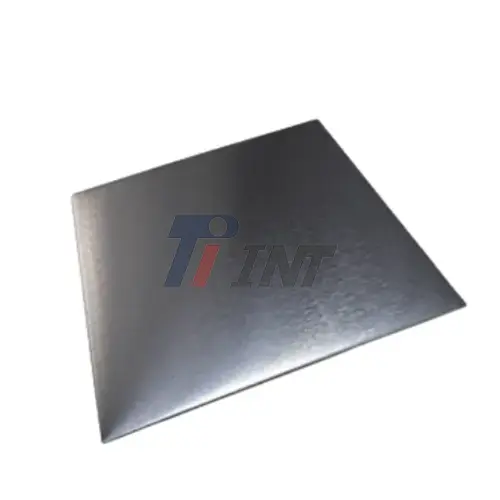
The Purpose and Placement of Titanium Plates in the Head
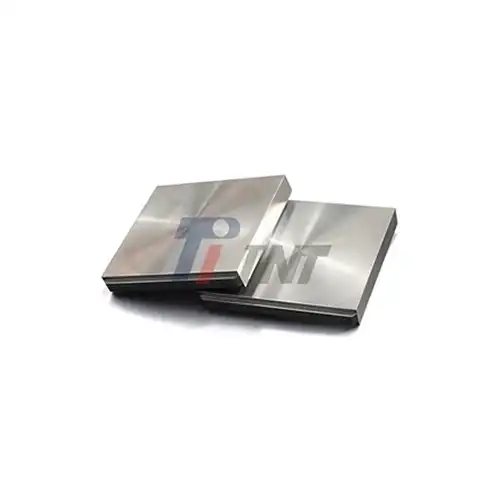
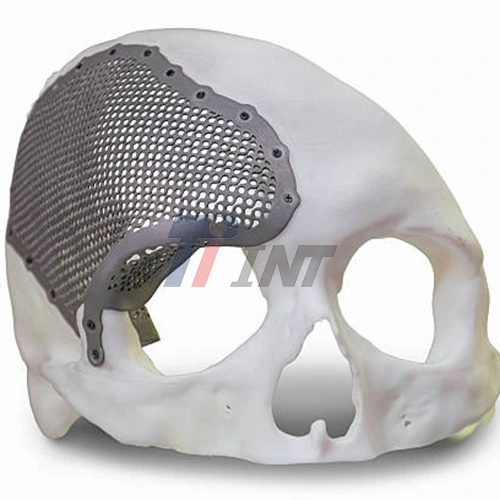
Titanium plates serve a imperative part in cranial surgeries, giving basic bolster and assurance for the brain. Neurosurgeons frequently utilize these plates to repair cranium breaks, secure bone folds after brain surgery, or remake parts of the cranium. The biocompatibility of titanium makes it an perfect fabric for such inserts, as it once in a while causes antagonistic responses in the human body.
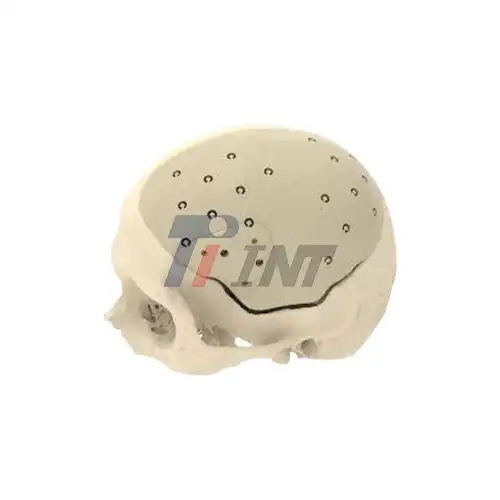
The placement of a titanium plate in head is a meticulous process. Surgeons carefully contour the plate to match the skull's natural curvature, ensuring a snug fit. The plate is then secured to the bone using small screws, creating a stable and protective barrier. This precision in placement is crucial for both the functionality of the implant and the patient's comfort.
Sensations Associated with Titanium Plates in the Head
One of the most common questions patients inquire about is whether they'll be able to feel the titanium plate in head. The reply isn't clear and can change from individual to person. In common, most patients report small to no sensation of the plate itself once the beginning mending period has passed. Immediately after surgery, it's normal to experience some discomfort and sensitivity around the implant site. This is primarily due to the surgical procedure itself rather than the presence of the titanium plate. As the body heals, these sensations typically subside.
A few patients may once in a while feel a slight weight or snugness in the zone where the plate is found, particularly amid changes in temperature or barometric pressure. However, these sensations are, as a rule, gentle and do not meddle with everyday activities. In uncommon cases, patients might experience more recognizable sensations, such as a feeling of coldness in cold climates or warmth in hot conditions. This is due to titanium's warm conductivity properties. Be that as it may, these sensations are for the most part not bothersome and frequently go unnoticed in regular life.
Long-Term Considerations and Potential Complications
Titanium plates are designed to be permanent fixtures in the skull, and in most cases, they remain in place without causing any issues. The body typically adapts to the presence of the implant, and over time, bone may even grow around the plate, further securing it in place.
However, as with any medical procedure, there are potential long-term considerations and complications to be aware of:
- Infection: Although rare, there's a small risk of infection around the implant site. This risk is highest immediately after surgery but can persist long-term.
- Hardware loosening: In some cases, the screws securing the plate may loosen over time, potentially causing discomfort or requiring revision surgery.
- Allergy or sensitivity: While titanium allergies are extremely rare, some individuals may develop a sensitivity to the metal over time.
- Cosmetic concerns: In some cases, particularly with larger plates, the outline of the implant may be visible beneath the skin, which can be a cosmetic concern for some patients.
It's important to note that these complications are relatively uncommon, and the benefits of titanium plates in cranial surgeries far outweigh the potential risks for most patients.
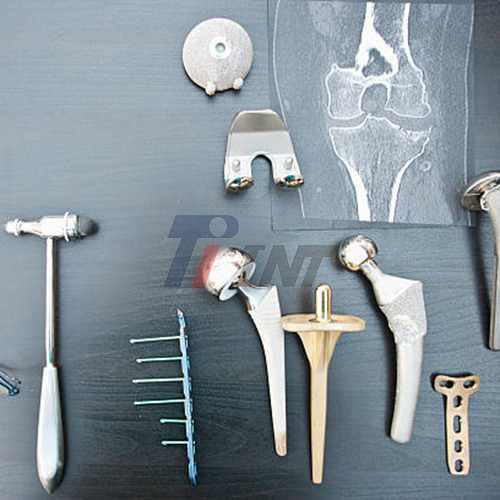
The quality of the titanium plate plays a critical part in minimizing potential complications and guaranteeing long-term consolation. Companies like Baoji INT Restorative Titanium Co., Ltd. specialize in creating high-quality therapeutic titanium materials, including those utilized in cranial inserts. Their commitment to quality and adherence to universal benchmarks makes a difference in guaranteeing the security and adequacy of titanium plates utilized in head surgeries.
Patients who have titanium plate in head often find that they can lead normal, active lives without any significant limitations. Many engage in sports, travel by air, and go about their daily routines without experiencing any sensations or discomfort related to their implants. It's worth noting that titanium plates do not typically interfere with medical imaging techniques such as MRI or CT scans. However, patients should always inform healthcare providers about their implants before undergoing any medical procedures or tests.
The mental angle of having a titanium plate in the head is too critical a thought. A few patients may experienceication with healthcare suppliers and, if fundamental, mental bolster can be useful in tending to these concerns. uneasiness or increased mindfulness of the embed, particularly in the early stages after surgery. Open communication with healthcare suppliers and, if fundamental, mental bolster can be useful in tending to these concerns.
Advancements in medical technology continue to improve the design and application of titanium plates in cranial surgeries. Researchers are exploring ways to enhance the biocompatibility of these implants, reduce the risk of complications, and improve patient outcomes. Some areas of ongoing research include:
- Development of titanium alloys with improved mechanical properties
- Surface treatments to enhance bone integration and reduce infection risk
- Custom 3D-printed implants for better fit and cosmetic results
- Bioresorbable materials that could potentially replace permanent titanium implants in certain applications
These advancements may further reduce the likelihood of patients feeling or experiencing any long-term effects from titanium plates in their heads. For individuals considering or recovering from surgery involving a titanium plate in the head, it's crucial to maintain open communication with your medical team. Regular follow-up appointments and prompt reporting of any unusual sensations or concerns can help ensure optimal outcomes and peace of mind.
Conclusion
While the idea of having a titanium plate in head may seem daunting, the reality is that most patients adapt well to these implants. The sensation of feeling the plate is typically minimal to non-existent, and the benefits in terms of protection and structural support are significant. As medical technology continues to advance, we can expect even better outcomes and experiences for patients requiring cranial titanium implants.
If you have more questions about titanium plates or other medical titanium products, don't hesitate to reach out to experts in the field. Companies like Baoji INT Medical Titanium Co., Ltd. are at the forefront of medical titanium technology and can provide valuable insights. For more information, you can contact them at export@tiint.com.

_1752463076575.webp)