
Healing After Leg Surgery: How a Titanium Plate Helps


 2025-12-30 08:53:04
When it comes to recouping from a serious leg injury or surgery, the road to recuperating can be long and challenging. However, modern restorative progressions have revolutionized the way we approach orthopedic recuperation, with titanium plates playing a pivotal part in the mending handle. In this comprehensive direct, we'll investigate how a titanium plate in leg can altogether move forward recuperation results and offer assistance to patients to recapture versatility quicker than ever before.
|
|
|


Comprehending the Role of Titanium Plates in Leg Surgery
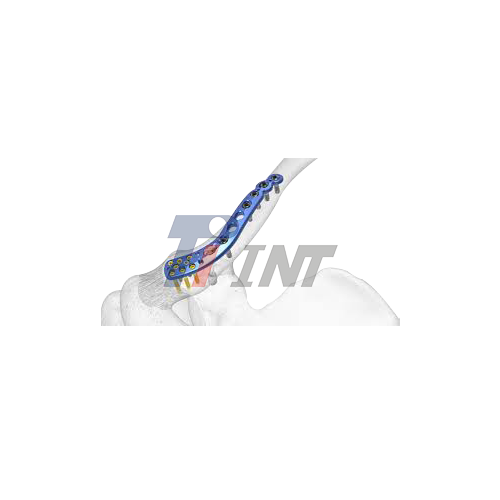
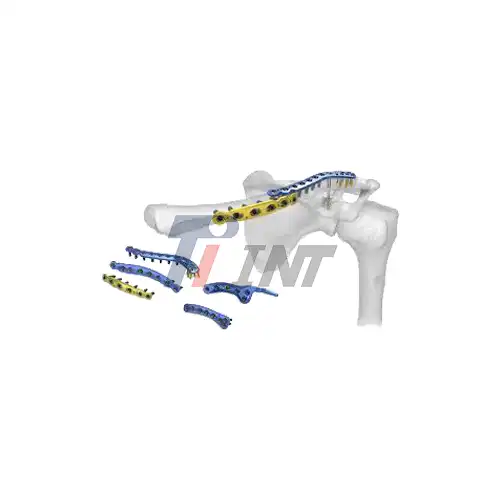
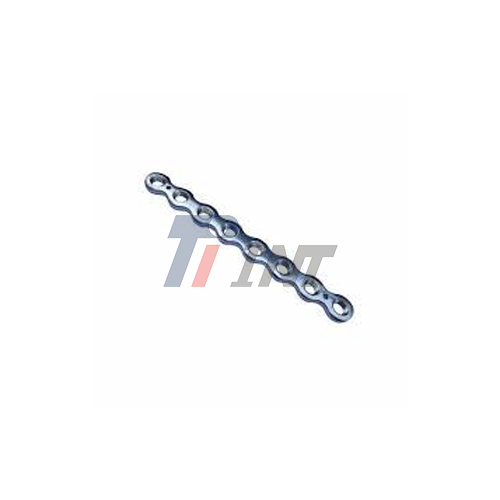
Titanium plates have become an indispensable tool in orthopedic surgery, particularly for leg injuries. These biocompatible devices are designed to provide stability and support to fractured bones, allowing them to heal properly. The use of a titanium plate in leg surgeries has numerous benefits:
- Strength and Durability: Titanium is renowned for its high strength-to-weight ratio, making it an ideal material for supporting bone structures without adding excessive weight.
- Biocompatibility: The human body generally accepts titanium well, reducing the risk of rejection or adverse reactions.
- Corrosion Resistance: Titanium plates resist corrosion, ensuring long-term stability within the body.
- Osseointegration: Titanium has the unique ability to integrate with bone tissue, promoting a stronger connection between the plate and the bone.
The execution of titanium plate in leg surgeries has drastically made strides in persistent results, permitting speedier recuperation times and decreased complications. Specialists can presently address complex breaks and distortions with more prominent exactness, much obliged to the flexibility and unwavering quality of titanium inserts.
The Healing Process: How Titanium Plates Aid Recovery
The journey of healing after leg surgery with a titanium plate involves several stages, each crucial for a successful recovery:
Initial Stabilization
Immediately after surgery, the titanium plate serves as a rigid support structure for the injured bone. This stabilization is critical in the early stages of healing, as it:
- Prevents excessive movement of bone fragments
- Reduces pain by limiting unnecessary motion
- Allows surrounding soft tissues to begin healing
During this phase, patients may experience some discomfort as the body adjusts to the presence of the titanium plate. However, this discomfort is typically manageable with appropriate pain medication and tends to subside as healing progresses.
Bone Remodeling
As the healing process advances, the titanium plate continues to provide crucial support while the bone undergoes remodeling. This phase is characterized by:
- Formation of new bone tissue around the fracture site
- Gradual increase in bone strength and density
- Integration of the titanium plate with the surrounding bone
The presence of the titanium plate during this stage ensures that the bone heals in the correct alignment, which is essential for restoring proper function and preventing future complications. The biocompatibility of titanium allows for seamless integration with the body's natural healing processes, promoting optimal recovery.
Rehabilitation and Strengthening
As the bone continues to heal, patients can begin more intensive rehabilitation exercises. The titanium plate provides ongoing support during this critical phase, allowing for:
- Gradual increase in weight-bearing activities
- Restoration of muscle strength and flexibility
- Improved range of motion in the affected leg
Throughout rehabilitation, the titanium plate in leg acts as a safeguard against re-injury, giving patients the confidence to push their boundaries and work towards full recovery. The plate's durability ensures that it can withstand the stresses of physical therapy and everyday activities, promoting a safe and effective healing process.
Long-Term Considerations for Patients with Titanium Plates
While titanium plates offer numerous benefits for leg surgery recovery, patients should be aware of some long-term considerations:
Potential for Plate Removal
In some cases, the titanium plate may be removed once the bone has fully healed. This decision is typically made based on factors such as:
- The patient's age and overall health
- The location and type of fracture
- Any discomfort or complications associated with the plate
It's important to note that plate removal is not always necessary or recommended. Many patients live comfortably with their titanium plates for years without any issues.
Ongoing Monitoring
Patients with titanium plate in legs should expect periodic follow-up appointments to monitor the healing process and ensure the plate continues to function as intended. These check-ups may include:
- X-rays to assess bone healing and plate positioning
- Physical examinations to evaluate strength and mobility
- Discussions about any pain or concerns the patient may have
Regular monitoring helps catch any potential issues early, ensuring the best possible long-term outcomes for patients.
Lifestyle Adjustments
While titanium plates are designed to be durable and long-lasting, patients may need to make some lifestyle adjustments to protect their implant and ensure optimal healing:
- Avoiding high-impact activities that could stress the plate
- Maintaining a healthy diet to support bone health
- Following prescribed exercise regimens to maintain strength and flexibility
These adjustments are typically temporary, and most patients can return to their normal activities once fully healed.
Conclusion
The use of titanium plates in leg surgeries has revolutionized the field of orthopedics, offering patients improved healing outcomes and faster recovery times. By providing stable support and promoting natural bone growth, these innovative implants have become an integral part of modern surgical techniques.
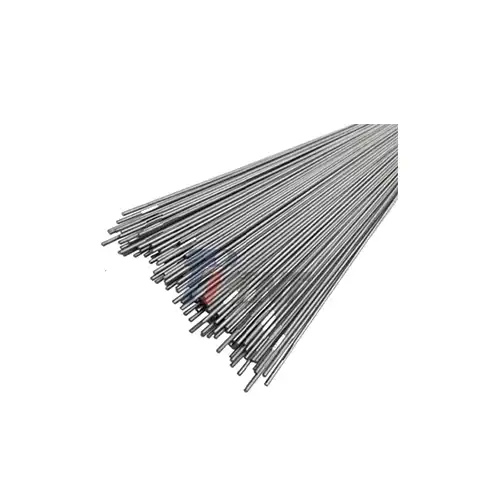
For those interested in learning more about medical titanium plate in leg and their applications in orthopedic surgery, Baoji INT Medical Titanium Co., Ltd. offers a wealth of information and expertise. With over 30 years of experience in the research, development, and production of titanium materials, INT provides high-quality medical titanium products that meet the most stringent international standards. To explore their range of titanium plates, rods, and other orthopedic implants, or to discuss your specific needs, don't hesitate to reach out to their team of experts at export@tiint.com.
References
1. Sumner, D. R. (2015). Long-term implant fixation and stress-shielding in total hip replacement. Journal of Biomechanics, 48(5), 797-800.
2. Niinomi, M. (2019). Titanium alloys for biomedical, dental and healthcare applications. Metals, 9(12), 1350.
3. Elias, C. N., Lima, J. H. C., Valiev, R., & Meyers, M. A. (2008). Biomedical applications of titanium and its alloys. JOM, 60(3), 46-49.
4. Yetkin, H., Seber, S., Kose, O., Ari, B., Bicimoglu, A., & Celebi, L. (2009). Removal of metal implants after fracture healing - a clinical study. Acta Orthopaedica et Traumatologica Turcica, 43(4), 336-341.
5. Mavrogenis, A. F., Dimitriou, R., Parvizi, J., & Babis, G. C. (2009). Biology of implant osseointegration. J Musculoskelet Neuronal Interact, 9(2), 61-71.
_1755495780573.jpg)
_1752819172472.webp)
_1752462435099.webp)