
Living with a Titanium Plate: Tips for a Smooth Recovery


 2025-12-30 08:57:27
Recovering from surgery that involves the placement of a titanium plate in head can be a challenging journey. Whether you've undergone this procedure due to a traumatic injury, a congenital condition, or as part of cancer treatment, adapting to life with a titanium implant requires patience, understanding, and proper care. This comprehensive guide aims to provide valuable insights and practical tips to help you navigate your recovery process and adjust to life with a titanium plate in your head.
|
|
|

Understanding Your Titanium Plate: What You Need to Know
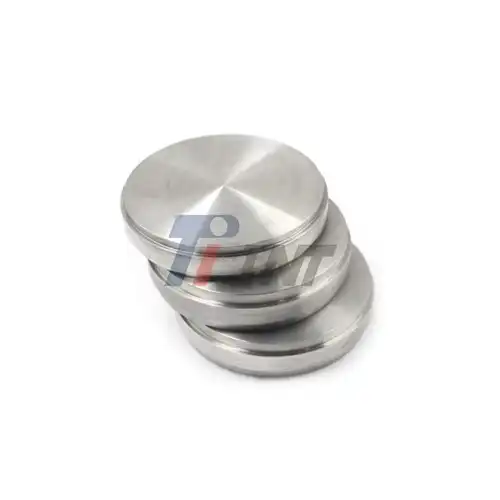
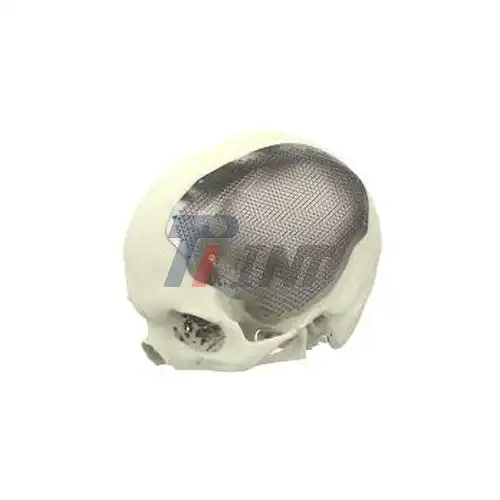
Before delving into recovery tips, it's crucial to understand what a titanium plate is and why it's used in head surgeries. Titanium plates are medical devices used to stabilize fractured bones or support weakened skull areas. They're often employed in craniofacial surgeries, trauma cases, or after the removal of brain tumors.
Titanium is the material of choice for these implants due to its remarkable properties. It's biocompatible, meaning it's well-tolerated by the human body and doesn't cause adverse reactions. Additionally, titanium is corrosion-resistant, lightweight, and incredibly strong, making it an ideal material for long-term implantation.
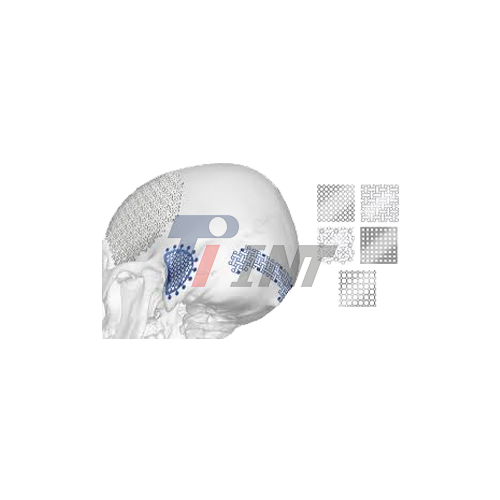
The process of inserting a titanium plate in head involves careful planning and precision. Surgeons use advanced imaging techniques to create a custom-fit plate that aligns perfectly with the patient's skull anatomy. This personalized approach ensures optimal functionality and aesthetics post-surgery.
It's worth noting that titanium plates are designed to be permanent fixtures. In most cases, they remain in place for life without causing any issues. However, in rare instances where complications arise or the plate's presence is no longer necessary, removal might be considered.
Navigating the Initial Recovery Period: What to Expect
The immediate post-operative period following the insertion of a titanium plate in the head can be intense and requires diligent care. Here's what you can anticipate during this crucial phase:
1. Pain Management: It's normal to experience discomfort and pain following surgery. Your medical team will provide a pain management plan, which may include prescription medications. It's essential to follow this plan carefully and communicate any concerns or unexpected pain levels to your healthcare provider.
2. Swelling and Bruising: Facial swelling and bruising are common after head surgery. This typically peaks within the first 48-72 hours post-operation. Applying cold compresses and keeping your head elevated can help minimize swelling.
3. Incision Care: Proper care of your surgical incision is paramount to prevent infection and promote healing. Your surgeon will provide specific instructions on how to clean and dress the wound. Typically, this involves gentle cleaning with mild soap and water, followed by the application of antibiotic ointment.
4. Rest and Activity Limitation: During the initial recovery period, it's crucial to prioritize rest and limit physical activities. This allows your body to focus its energy on healing. Gradually, you'll be able to increase your activity levels as advised by your healthcare team.
5. Nutrition: Proper nutrition plays a vital role in recovery. A diet rich in proteins, vitamins, and minerals can support tissue repair and overall healing. Your doctor may recommend specific dietary guidelines or supplements to aid your recovery.
6. Follow-up Appointments: Regular check-ups with your surgeon are essential to monitor your healing progress. These appointments allow for early detection and management of any potential complications.
Long-term Adaptation: Living with a Titanium Plate in Your Head
As you progress beyond the initial recovery phase, you'll enter a period of adaptation to life with a titanium plate in head. This transition can bring about various physical and emotional challenges. Here are some tips to help you navigate this new chapter:
Physical Adaptation
- Sensation Changes: Some patients report altered sensations around the implant area. This could include numbness, tingling, or a feeling of tightness. These sensations often diminish over time, but if they persist or worsen, consult your doctor.
- Temperature Sensitivity: The titanium plate may conduct temperature differently than your skull. You might notice increased sensitivity to hot or cold temperatures. Taking precautions like wearing a hat in extreme weather can help manage this.
- Physical Activities: While titanium plate in head is strong, it's important to be mindful during physical activities, especially those that could result in head impact. Discuss any concerns about specific activities with your healthcare provider.
- Scar Management: As your incision heals, you may be left with a scar. Various treatments, including silicone sheets or gels, can help minimize scar appearance. Consult with your surgeon about the best scar management strategies for your situation.
Emotional and Psychological Adjustment
- Body Image: Adjusting to changes in your appearance can be challenging. If you're struggling with body image issues, consider seeking support from a mental health professional who specializes in medical trauma.
- Anxiety and PTSD: It's not uncommon for patients to experience anxiety or post-traumatic stress disorder (PTSD) following a major medical procedure. Recognize that these feelings are valid and seek professional help if needed.
- Support Groups: Connecting with others who have undergone similar procedures can be incredibly beneficial. Look for support groups in your area or online communities where you can share experiences and coping strategies.
Practical Considerations
- Medical Alert: Consider wearing a medical alert bracelet or carrying a card that informs others about your titanium implant. This can be crucial in emergency situations or when undergoing medical procedures.
- Travel Considerations: While titanium plates generally don't set off metal detectors, it's wise to carry documentation about your implant when traveling, especially for air travel.
- Ongoing Medical Care: Regular check-ups with your neurosurgeon or primary care physician are important for monitoring your long-term health. Be sure to inform all healthcare providers about your titanium implant.
Conclusion
Living with a titanium plate in head is a unique experience that requires patience, resilience, and proper care. By understanding what to expect and following these tips, you can navigate your recovery smoothly and adapt to your new normal. If you have questions about titanium medical implants or are seeking high-quality titanium materials for medical applications, don't hesitate to reach out to experts in the field. For more information, you can contact Baoji INT Medical Titanium Co., Ltd. at export@tiint.com. Their team of professionals can provide valuable insights into the latest advancements in medical titanium technology and how it's shaping the future of patient care.
References
1. Branemark, P.I. (1983). Osseointegration and its experimental background. The Journal of Prosthetic Dentistry, 50(3), 399-410.
2. Elias, C.N., Lima, J.H.C., Valiev, R., & Meyers, M.A. (2008). Biomedical applications of titanium and its alloys. JOM, 60(3), 46-49.
3. Niinomi, M. (2008). Mechanical biocompatibilities of titanium alloys for biomedical applications. Journal of the Mechanical Behavior of Biomedical Materials, 1(1), 30-42.
4. Ratner, B.D., Hoffman, A.S., Schoen, F.J., & Lemons, J.E. (2004). Biomaterials science: an introduction to materials in medicine. Elsevier.
5. Williams, D.F. (2008). On the mechanisms of biocompatibility. Biomaterials, 29(20), 2941-2953.
_1755062427525.png)
_1752817116199.webp)
_1750668405487.webp)