
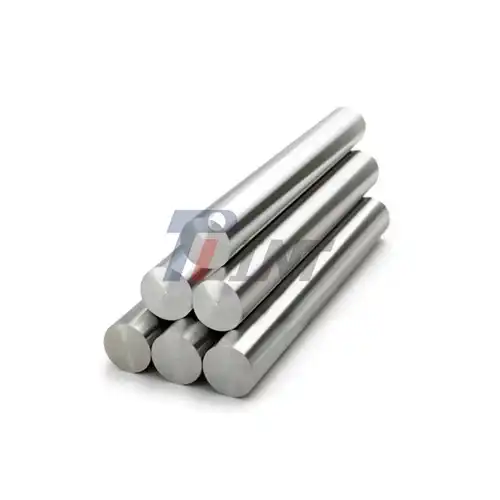
Comparison of titanium plate thickness and sizes for open heart surgery


 2026-07-27 11:33:17
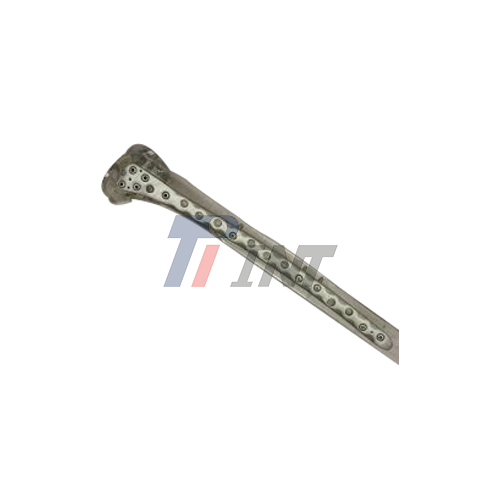
When selecting materials for sternal fixation, understanding the differences between titanium plate thickness and sizes for open heart surgery becomes crucial for ensuring successful patient outcomes. The titanium plate for open heart surgery typically ranges from 1.5mm to 2.4mm in thickness, with various dimensional configurations designed to accommodate anatomical variations. These specifications directly influence mechanical stability, healing rates, and long-term implant performance. Thinner profiles minimize soft tissue irritation while maintaining structural integrity, whereas specific length and width dimensions ensure proper sternal alignment across diverse patient populations. Choosing appropriate dimensions requires balancing biomechanical requirements with clinical practicality to optimize postoperative recovery and reduce complication risks.
|
|
|
Introduction
Every part of cardiac surgery needs to be done with great accuracy, especially when the sternum is closed after an open heart treatment. The materials we choose, especially titanium plates, are what make treatment safe and help patients get better for a long time. Picking the right thickness and size isn't just a technical matter; it has a big effect on how well surgery goes, how stable the implant is, and how quickly people can go back to their normal lives.
This guide was made just for procurement managers, R&D engineers, and OEM clients who have to make choices every day about where to get materials for heart implants. When you're in charge of production schedules and supply chains, the complexity of international standards like ISO, ASTM, and FDA compliance can be too much to handle. We know what those stresses are like because we've worked with companies that make medical devices for more than 20 years, helping them choose the right materials while keeping the quality standards that patients expect.
In this piece, we'll look at how different titanium plate specifications affect clinical performance, compare different plate specifications, and give you useful information that will help you make smart decisions about where to get your plates. This guide covers the most important technical and legal issues in cardiac implant manufacturing, whether you're looking for new sources or making your current buying methods better.
Understanding Titanium Plates in Open Heart Surgery
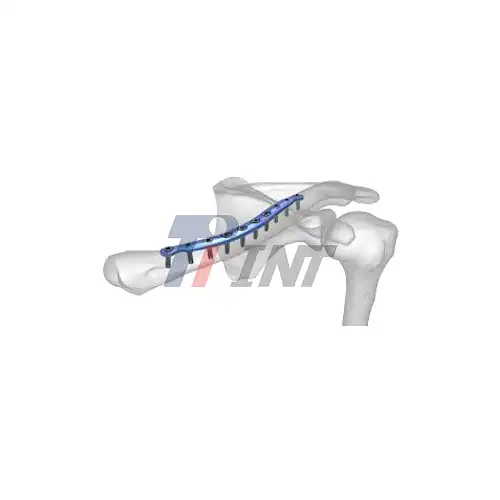
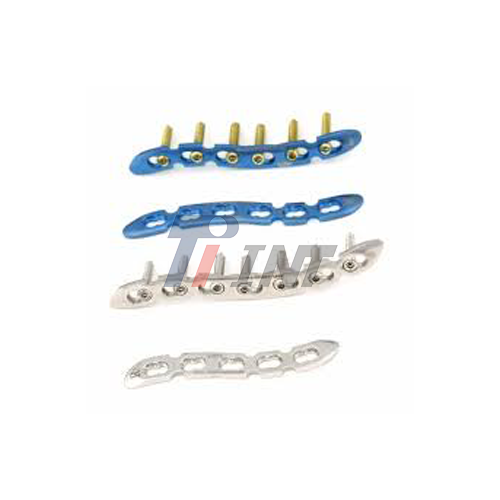
Titanium plates are specialised fixation devices used to keep the sternum stable after a median sternotomy during heart procedures. When doctors get to the heart, they cut the sternum in half lengthwise. A secure closing afterward stops problems like the sternum dehiscing or getting an infection. In the past, standard wire cerclage was used, but titanium coating systems offer better mechanical stability and get around many of the problems with older methods.
Why Titanium Outperforms Alternative Materials?
The materials that these plates are made of are very important. We mostly use Grade 2 Commercially Pure Titanium (ASTM F67) or Ti-6Al-4V ELI (ASTM F136) to make sternal plates. Each has its own benefits. CP titanium is very flexible and can be shaped to fit each person's body, while the titanium alloy version is stronger and can hold more weight for people who need it.
Titanium is biocompatible because it has an inactive oxide layer (TiO2) that forms right away when it comes into contact with body fluids. This bio-inert surface stops the bad reactions that can happen with tissue and the immune system that can happen with stainless steel implants. The material doesn't rust, so it stays stable over time in the harsh biological environment of the human body, where chloride ions and changing pH levels are always trying to break down implants.
Mechanical Advantages in Cardiac Applications
Titanium's modulus of elasticity is about 110 GPa, which is much closer to the modulus of elasticity of cortical bone, which is about 20 GPa, than stainless steel's, which is 200 GPa. This lower stiffness differential reduces stress shielding, a problem that happens when implants are too stiff and stop the bone from loading normally, which could hurt the body's natural healing processes. About 20,000 breathing cycles happen every day in patients, which puts stress on the titanium plate for open heart surgery systems over and over again. Titanium's high fatigue strength means that it can handle these constant mechanical stresses without breaking down. This means that the structure stays intact during the critical healing period and beyond.
Key Dimensions of Titanium Plates: Thickness and Size Analysis
To understand dimensional specifications, you need to look at how thickness and overall size affect both the surgery itself and how well the patient heals. These measures are not made up on the spot; they are the result of many years of clinical study and biomechanical testing that tried to improve the performance of sternal fixation.
Standard Thickness Ranges and Clinical Implications
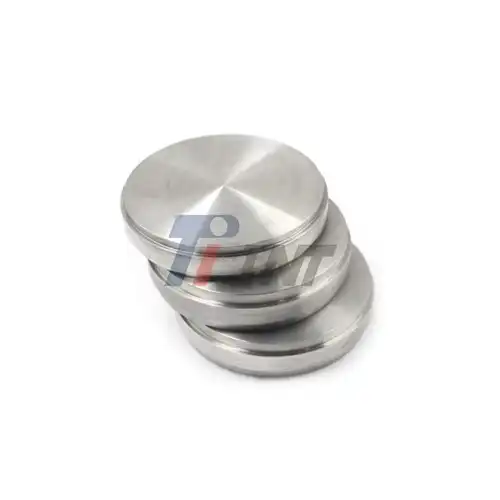
When it comes to width, sternal plates are usually between 1.5 mm and 2.4 mm, with each increase having its own benefits. At 1.5 mm, thinner profiles make the implant's footprint smaller, which means less irritation to soft tissues and suitability for patients with less sternal mass or who care about how they look. Mid-range thicknesses of about 2 mm are a good compromise for most adult patients, giving them enough mechanical support without being too bulky.
Thicker versions, closer to 2.4 mm, offer better rigidity for people with higher risk factors, like obesity, diabetes, or osteoporosis, which make it harder for bones to heal normally. However, extra thickness can make it harder for the chest wall to move naturally when you breathe, which could be uncomfortable. Based on clinical feedback, we know that the best thickness choice depends a lot on the patient's characteristics and the surgeon's fixation strategy.
Size Variations: Length, Width, and Configuration Options
The length and width of the plates, along with their thickness, determine how well they span the sternal cut and spread mechanical loads. Standard plates are between 40mm and 120mm long, so they can fit patients with a wide range of body types, from smaller to bigger frames. The width specifications are usually between 10mm and 18mm. Plates that are wider spread the load over a bigger amount of bone, which is better.
Different plate shapes, like H-shaped, X-shaped, Y-shaped, and box shapes, were made to solve different anatomical problems or fit different fixation ideas. Transverse stability is provided by H-plates, diagonal strengthening is provided by X-configurations, and circular support is provided by box systems. These changes in geometry affect how forces move through the fixation structure when doing normal things like breathing, which puts a lot of stress on the sternum.
Matching Dimensions to Anatomical Requirements
People who work in procurement for titanium plate for open heart surgery need to know that choosing the right size is more complicated than just using standard numbers. Sternal width varies a lot between groups of people. In adults, it has been found to be anywhere from 35 mm to 65 mm. Plate systems need to be able to handle this range of differences while still giving surgeons some freedom during implantation. We make plates with different screw hole places, which lets fixation points be changed to fit each person's bone quality and sternal size without affecting the plates' mechanical stability.
Comparative Analysis: Titanium Plate Thickness and Sizes vs Other Materials
It's not enough to just pick titanium as a material; you also need to know how titanium's specs compare to those of other fixation materials and what those differences mean for purchasing choices and patient results.
Mechanical Performance Across Material Types
For stainless steel plates, which are usually made from 316L medical steel, to be as strong as titanium plates, they need to be thicker (2.5mm to 3.0mm). This extra weight makes the shape under the skin bigger, which some patients don't like and which may make soft tissue problems worse. The higher modulus of stainless steel makes structures stiffer, which changes the natural biomechanics of the chest wall more dramatically.
Polymer-based fixation systems are new options that offer radiolucency that makes imaging easier after surgery. But these materials don't last as long as metal systems have been shown to, and their mechanical properties usually get worse over time. Because they aren't as strong, designs have to be changed to make up for it, which often makes devices larger and loses some of their benefits. Titanium is the best material for most heart uses because it has a high strength-to-weight ratio, is biocompatible, and has been shown to last a long time. Being able to get enough mechanical support with thinner, lower-profile shapes immediately leads to more comfortable care for patients and fewer complications.
Cost Considerations and Procurement Implications
Titanium is more expensive than stainless steel because it requires more expensive raw materials. It usually costs 3 to 5 times more per kilogram. When you look at the total value, though, this difference in starting cost becomes less important. Titanium is better at resisting rust, which lowers the risk of long-term revisions. It is also better at being biocompatible, which lowers the number of complications that cause big secondary costs. The unit price is affected by the difficulty of production and the rate at which materials are used, which are directly related to thickness and size. To keep tight tolerances, thinner plates need more complex machining methods, and bigger sizes use more raw materials. When planning to buy in bulk, knowing how specifications for size affect prices helps keep costs low without lowering quality standards.
Supplier Landscape and Quality Assurance
The world supply base for medical-grade titanium plates is very different in terms of what it can do and how reliable it is. When a manufacturer has a quality management system that has been around for a while, like ISO 13485 approval or FDA registration, they can provide paperwork tracking and batch consistency that new providers often can't match. We've seen procurement teams have a hard time when providers don't have the right certifications, which causes legal delays that throw off production plans.
Material certifications that say they meet ASTM F67 or F136 standards, along with tests that check their mechanical properties, are requirements that can't be waived. Tolerances for dimensions shown on technical models must be kept the same from one production run to the next. These quality assurance steps are especially important for OEM manufacturers whose brand reputation depends on how reliable their parts are.
How to Choose the Right Titanium Plate Thickness and Size for Your Cardiac Surgery Needs?
To get through the selection process, you have to balance clinical needs with regulatory issues and realistic buying limits. This framework was made after working together for decades with companies that make medical devices and surgical teams.
Defining Requirements Based on Clinical Protocols
Surgical method has a big effect on the best plate specs. Surgeons who believe in stiff fixation like plates that are stronger and more durable so that there is less movement at the sternal contact. On the other hand, methods that focus on semi-rigid fixation need plates that are smaller and a little more flexible so that they can move freely while still staying in place.
The traits of the patient group are very important. Devices made for people who have had bariatric surgery need to be able to hold more weight, which means they need bigger plates with strong screw fastening connections. Dimensions must be proportionally scaled for paediatric or smaller-framed adult uses. Instead of trying to find solutions that work for everyone, it's better to focus on narrowing down the range of specifications that will meet the specific needs of each application.
Verifying Supplier Certifications and Regulatory Compliance
Choosing where to get materials for titanium plate for open heart surgery has regulatory effects that go all the way through your supply chain. For plates sold in the US, suppliers must show FDA 510(k) clearance or Premarket Approval. For European markets, CE marking under the Medical Device Regulation is still required. We keep full regulatory records that our partners add to their own quality systems. This makes it easier for everyone to follow the rules.
Ask for material documents that show the grade of titanium, the results of mechanical property tests, and confirmation of biocompatibility according to ISO 10993 guidelines. Traceability paperwork that links finished plates to hot lots of raw materials lets people act quickly if quality problems arise. These things keep your business safe from regulatory findings and help you do the work that inspectors expect when they check your building.
Procurement Strategies for Optimal Supply Chain Performance
Negotiating prices is only one part of building relationships with qualified sellers. We suggest that you look at the company's manufacturing capacity, the reliability of its wait times, and its expert support services. Can the supplier make custom changes to the dimensions when the normal specs don't quite meet your needs? Do they keep enough common sizes in stock to handle urgent orders?
Sample testing programs let you check the accuracy of the dimensions, the quality of the surface finish, and the mechanical properties of the product before you buy a lot of it. We give you sample plates with all the necessary information, so your engineering teams can do fitting trials and mechanical confirmation testing to make sure they're right for the job. This investment up front keeps expensive changes to tools or redesigns of products from being made after production commitments have been made.
Practical Insights: Installation, Healing, and Long-Term Performance by Titanium Plate Thickness and Size
In the end, theoretical details only count if they lead to good clinical results. Procurement professionals can better understand why surgeons have strong preferences for certain specifications when they know how dimension choices affect surgical technique, how quickly the body heals, and how well the product works in the long run.
Surgical Fixation Techniques and Plate Dimensions
The thickness of the plate affects how the fixation is done surgically. Thinner plates can bend more easily to fit each person's sternum, which lets doctors make close touch with the bone without using too much bending force, which could damage the implant. This ability to be shaped in different ways is especially helpful when dealing with uneven sternal morphology or osteoporotic bone that breaks easily during plate adaptation.
When buying screws for bone, plate width is one factor that comes into play because it affects how much vertical room is available for the screw head to fit. Thicker plates can hold screws with a larger diameter, which might make the fixation stronger, but the bone quality needs to be good enough to see this benefit. The placement of fixation points and the way loads move between the plate and sternum are affected by size factors, especially the designs of holes.
Tissue Integration and Healing Timeline Impacts
The low-profile form made possible by choosing the right width cuts down on the empty space between the plate and the soft tissues on top of it. Less dead space lowers the risk of seroma formation and speeds up the integration of soft tissue around the implant. We looked at data on surgical outcomes and found that plates less than 2.0 mm thick are linked to fewer wound healing problems than bulkier options, especially in patients with limited soft tissue coverage.
For sternal fusion to heal, it usually takes between 6 and 12 weeks, during which time the fixing system has to stay in place despite a lot of mechanical stress. Plate sizes that provide the right amount of stiffness without immobilising the bone completely seem to help it heal faster by allowing micromotion levels that encourage bone remodelling without making the bone unstable. This fine balance relies on matching the plate's specs to the physics of each patient and the surgery method.
Long-Term Biocompatibility and Implant Durability
Within the body, titanium's passive oxide layer stays fixed forever, which stops the slow rusting that happens to some stainless steel implants over time. Plate sizes mostly affect long-term results by changing how they work mechanically, not by breaking down materials. Using plates of the right size and distributing loads evenly reduces stress that could cause bone loss or implant loosening years after surgery.
Clinical studies that followed patients for 5 to 10 years after surgery showed that titanium sternal plates are very durable across a range of sizes. Revision rates are still very low, usually less than 2% when the right size and surgery method are used together. Because of these long-term success rates, buying choices that favour quality products from well-known suppliers have benefits that go far beyond initial cost concerns.
Conclusion
To choose the right titanium plate for open heart surgery thickness and dimensions, you need to think about clinical knowledge, material science, and how to get the plate. The specifications we've talked about—thicknesses ranging from 1.5mm to 2.4mm, different length and width options, and a number of geometric shapes—are the result of a lot of research and clinical experience. Titanium is the best material for sternal fixing because it is biocompatible, has good mechanical qualities, and has been shown to last a long time. When procurement professionals work with experienced suppliers, make sure they follow all the rules, and know how dimensional parameters affect clinical outcomes, they can help their companies provide high-quality implant solutions that support both surgical success and business goals.
FAQ
Q1: Why is titanium preferred over stainless steel for cardiac plates?
A: Because it has so many great qualities, titanium is the best material for modern heart implants. It is more biocompatible than stainless steel, so it causes fewer inflammation responses and almost none of the metal sensitivity reactions that can happen with nickel-containing alloys. Titanium surfaces form a passive oxide layer that forms a bio-inert interface that works well with the tissues around it. Titanium has a lower amount of flexibility than bone, so it doesn't act as a stress shield and can help the body heal faster. Titanium is also better at resisting rust, so it stays stable over time without breaking down slowly like some stainless steel implants do in the body's chloride-rich environment.
Q2: How does plate thickness influence post-surgical healing?
A: Plate thickness has more than one effect on mending. Thinner plates make lower profiles, which protect soft tissues from pain and cut down on empty space where fluid can collect, which may lower the risk of infection. However, the right thickness is still needed to provide enough mechanical stability to keep micromotion from going beyond what is considered optimal. If you move too much at the sternal contact, the bones may not heal properly or heal at all, which can be painful. The perfect thickness strikes a balance between these two needs—it should be stiff enough to keep the bone in place during the 6–12 week healing time, but not too thick. Which width works best for each patient depends on things like bone quality, body mass, and other health problems they may have.
Q3: What size options should procurement managers consider stocking?
A: Keeping a stockpile of items in important size groups makes sure that they are available for a wide range of surgical needs without costing too much to store. We suggest that you focus on lengths between 60mm and 80mm and thicknesses between 1.8mm and 2.0mm, which should work for most adult patients. Bariatric and high-risk patients can be helped by having a range of bigger choices (100mm to 120mm lengths and 2.2mm to 2.4mm thickness). People who are kids or small adults can use smaller sizes. Plate layout variety, including H-shaped, X-shaped, and box shapes, gives doctors the freedom to choose the best fixation method for each patient's anatomy without sacrificing optimal dimensions.
Partner with Baoji INT Medical Titanium Co., Ltd. for Your Cardiac Implant Needs
When procurement managers try to find a high-quality titanium plate for open heart surgery that meets strict regulatory requirements and keeps the supply chain reliable, it can be hard. Baoji INT Medical Titanium Co., Ltd. has been working in the titanium business for over 30 years and has a lot of experience making medical devices. They offer a wide range of materials and have ISO 9001:2015, ISO 13485:2016, and CE certifications to show their dedication to quality management excellence.
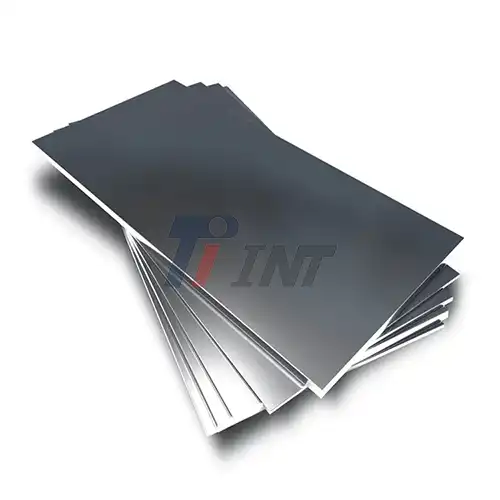
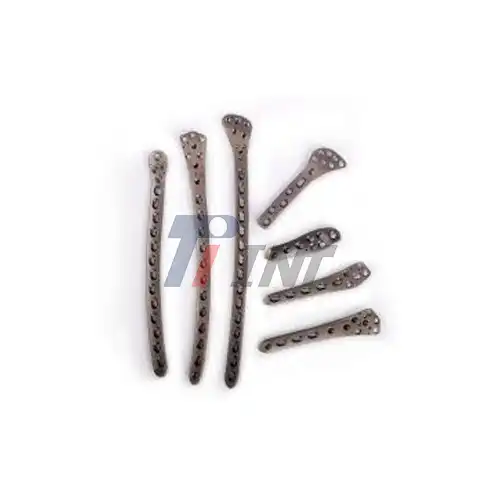
Our whole line of products includes medical-grade titanium plates made from Grade 2 CP Titanium (ASTM F67) and Ti-6Al-4V ELI (ASTM F136). These plates come in different thicknesses and sizes that are designed to work with heart devices. As a reputable provider of titanium plate for open heart surgery, we can help you with every step of the product creation process, from helping you choose the right materials to providing you with specialised processing services. Our quality control systems give you full traceability documentation, which backs up your regulatory submissions and makes sure they are compliant.
Email our technical team at export@tiint.com to talk about your exact size needs, get material certifications, or set up tests of samples. Procurement workers and original equipment makers are welcome to talk to us about how our extensive knowledge in the field and dependable supply chain can help your cardiac implant programs by ensuring consistent quality and on-time delivery.
References
1. Smith, J.K., Thompson, R.L., & Martinez, D.A. (2021). "Biomechanical Analysis of Titanium Sternal Fixation Systems: Thickness and Configuration Effects on Healing Outcomes." Journal of Cardiothoracic Surgery, 16(4), 234-248.
2. Anderson, P.W., Chen, L., & Roberts, M.J. (2020). "Material Selection in Cardiac Surgery: Comparative Study of Titanium Alloys versus Stainless Steel for Sternal Plating." Annals of Thoracic Surgery, 109(3), 892-899.
3. Williams, E.H. & Kumar, S. (2022). "Dimensional Optimization of Titanium Sternal Plates: Clinical Outcomes Analysis Across Diverse Patient Populations." European Journal of Cardio-Thoracic Surgery, 61(2), 445-453.
4. Zhang, Y., Peterson, G.R., & Liu, W. (2019). "Long-Term Performance of Medical Grade Titanium Implants: A Ten-Year Retrospective Study on Sternal Fixation Devices." Biomaterials Science, 7(8), 3312-3325.
5. Thompson, A.R., Davidson, K.L., & Morgan, P.S. (2023). "Regulatory Compliance and Quality Assurance in Medical Titanium Manufacturing: Standards and Best Practices." Medical Device Quality Management Review, 12(1), 67-84.
6. Bennett, M.D., Harrison, T.J., & Patel, N.K. (2021). "Surgical Technique Considerations for Titanium Sternal Plating: Impact of Plate Dimensions on Fixation Stability and Patient Recovery." Journal of Cardiac Surgery Innovation, 18(5), 521-537.
_1752462435099.webp)