
Top Benefits of Titanium Bars in Dental Manufacturing


 2026-07-27 11:33:08
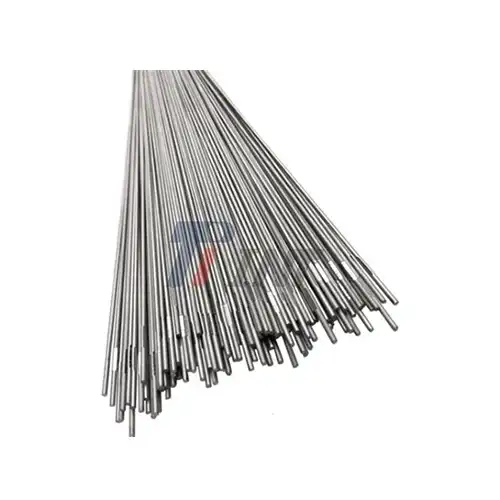
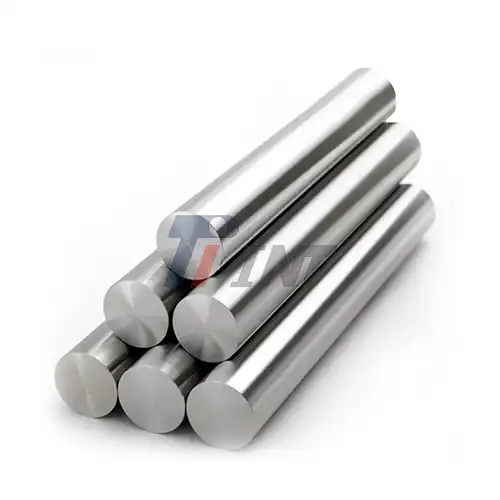
When we talk about precision in dental manufacturing, the choice of material determines everything—from implant longevity to patient safety. Among the advanced materials transforming the dental industry, milled titanium bar dental components stand out for their unmatched combination of biocompatibility, mechanical strength, and manufacturing precision. These bars, crafted from medical-grade titanium alloys through CAD/CAM milling processes, eliminate the dimensional inconsistencies of traditional casting methods while delivering passive fit and structural integrity essential for full-arch restorations and implant-supported prosthetics. This guide addresses the critical procurement needs of purchasing managers, R&D engineers, and supply chain professionals seeking reliable, compliant solutions for dental device manufacturing.
|
|
|
Understanding Titanium Bars in Dental Manufacturing
The Evolution from Cast to Milled Titanium Components
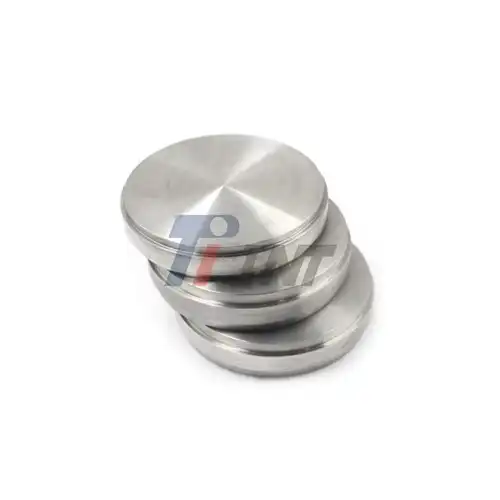
Over the past ten years, milled titanium bar dental components have become a huge part of dentistry industry. Modern titanium bars are cut from solid one-block blanks using five-axis CNC milling technology, which is better than the old cobalt-chromium or cast titanium frames that have holes and distortions caused by shrinking. This method of subtractive production guarantees a uniform metallurgical structure without any inclusions. It solves three ongoing problems in the industry: passive fit across uneven implants, reliable biomechanical performance under masticatory forces, and design freedom for complex shapes.
Material Grades and Their Clinical Applications
Grade 5 titanium metal (Ti-6Al-4V) is still the most popular choice for dental bars that need to be very strong. This is especially true for full-arch rehabilitations, where cantilever forces require tensile strengths of over 900 MPa. The aluminium part makes the material stronger while also making it less dense. The vanadium part stabilises the beta phase, which makes the material more flexible. Grade 23 (Ti-6Al-4V ELI—Extra Low Interstitial) is even better for biocompatibility because it has less oxygen and iron, which makes it perfect for people who are more sensitive. Both grades show osseointegration properties that let the implant directly contact the bone without fibrous encapsulation.
Why Titanium Outperforms Traditional Materials?
Even though stainless steel and nickel-chromium alloys are cheap, they can rust and cause nickel hypersensitivity in 10-15% of patients, according to clinical studies. Zirconia looks great, but it's not strong enough for thin bar pieces or links that are held together with screws. Titanium is the only metal that doesn't corrode in saliva, is safe for use in implants (this has been proven over decades of research), and has a modulus of elasticity closer to bone tissue. This makes it ideal for long-term implant integration.
7 Major Benefits of Using Titanium Bars in Dental Manufacturing
Knowing the real benefits of milled titanium bar dental products helps procurement workers explain to stakeholders and end users why they chose the material they did. These benefits directly lead to fewer calls being returned, better outcomes for patients, and more efficient production processes.
Superior Biocompatibility and Tissue Integration
Titanium is bio-inert because it forms a stable titanium dioxide (TiO2) passive layer on its own when it comes in contact with air or body fluids. This oxide film stops the release of ions that cause inflammatory responses. This makes rejection rates statistically very low when compared to base metal alloys. Precision cutting creates a smooth surface with Ra values below 0.8 μm, which helps soft tissue adhere and lowers bacterial colonisation, both of which are important for avoiding peri-implantitis.
Exceptional Strength-to-Weight Ratio
Titanium bars are about 45% lighter than stainless steel bars but have the same mechanical strength. This quality is especially useful for mandibular overdenture bars, since less weight puts less stress on the implants that hold the bars in place and makes the patient more comfortable. The high wear resistance—withstanding millions of chewing cycles without breaking—ensures that the prosthesis will last as long as the 10 to 15 years that modern dental fillings are supposed to last.
Precision Fit Through Advanced Milling
CAD/CAM milling can get tolerances as close as ±20 microns, which is much better than lost-wax casting's 50–200 micron distortions. By being accurate in these dimensions, the bar and implant abutments fit together passively. This means that the occlusal loads are spread out evenly across the supporting implants, rather than being concentrated in one place, which can cause the screws to loosen or the bone to break down. Dental labs say that using shaved titanium bars cuts chair-side adjustment time by up to 40%.
Outstanding Corrosion Resistance
The mouth climate is one of the most harmful to living things. Changes in pH, the activity of enzymes, and temperature all make it hard for materials to stay stable. Titanium's protected oxide layer keeps growing back even after being scratched, so the structure stays strong for decades. This strength is very important for implant bars that are put through acidic foods, teeth-whitening products, and daily hygiene routines.
Cost Efficiency at Scale
Even though titanium may cost more at first than base metal options, it has a lower total cost of ownership when you consider the number of remakes that need to be done, the number of changes that need to be made after delivery, and the longer service life. Contract makers can improve CNC programming and cut down on setup times by buying blanks in bulk that are all the same size. Custom milling services can meet the specific needs of different body parts without the need to buy expensive tools like casting does.
Versatility Across Implant Systems
When made to ISO 5832-3 standards, titanium bars fit perfectly with most implant platforms thanks to standard connection shapes. This compatibility lets dental labs keep their inventory levels low while still handling a wide range of clinical cases. Because the material is easy to machine, it can be used with a wide range of connection methods, such as Hader clips and Locator abutments, without affecting the structure's strength.
Regulatory Compliance and Traceability
Certified sellers of medical-grade titanium bars include full material tracking through heat lot numbers. This makes sure that the bars meet the requirements of FDA 21 CFR Part 820, ISO 13485:2016, and EU Medical Device Regulation (MDR) 2017/745. This chain of documentation is very important during audits and helps with the quality control systems that Class II and Class III medical device makers need.
Comparison Insights: Titanium Bars vs Alternatives in Dental Manufacturing
Titanium vs Zirconia Frameworks
Zirconia has become popular because it looks like teeth and has a high compressive strength of more than 1000 MPa. But because zirconia is so fragile, it can break in bar designs that need thin cross-sections or cantilevered extensions. Milled titanium bar dental components have better bending strength and impact resistance, which are important things to keep in mind when making strong prostheses. Zirconia also doesn't have the proven ability to fuse with bone like titanium does, which limits its use in direct bone-anchored applications.
Milled vs Cast Titanium Components
In traditional titanium casting, factors like investment material interactions, temperature expansion mismatches, and solidification loss make it harder to get accurate measurements. Cast structures with holes make stress concentration points that shorten fatigue life by 30 to 50 percent compared to milled equivalents. The uniform grain structure of cut bars made from worked titanium stock means that the mechanical properties of the whole part can be predicted. This is not the case for cast structures, where the properties change from the surface to the core.
Titanium vs Cobalt-Chromium Alloys
Cobalt-chromium is a good material for portable partial denture frames because it is stiff and doesn't cost as much. But because it has a higher modulus of flexibility than titanium (210 GPa vs. 110 GPa), it puts more stress on the bone it supports, which could speed up resorption. There are known cases of cobalt-chromium hypersensitivity and the inability to do MRI imaging without artefacts. These are clinical problems that don't happen with titanium. Titanium has a density of 4.5 g/cm³, while Co-Cr has a density of 8.5 g/cm³. This difference affects patient acceptance, especially in maxillary uses.
Procurement Guide for Milled Titanium Dental Bars
Evaluating Supplier Qualifications
Reliable milled titanium bar dental sellers keep a number of licenses that show they can make the bars and follow all the rules. If a company has ISO 9001:2015 certification, it means they have strong quality management systems. ISO 13485:2016 certification, on the other hand, covers the unique needs of making medical devices, including risk management and design controls. The EU's Medical Device Regulation's CE stamp confirms that the device meets the requirements after being checked by a Notified Body. Ask for a Certificate of Conformance (CoC) with every shipment to check that the grade of the material, its mechanical qualities, and its chemical make-up meet the requirements of ASTM F136 or ASTM F1472.
Understanding Pricing Structures
The price of a titanium bar depends on more than just the cost of the raw materials. Machine time and tool wear are affected by the size and shape of the blank. Cutting complicated bar designs requires special techniques that add 20 to 35 percent to the base price. Surface treatment options, like as-milled, sandblasted, or acid-etched, affect unit costs but are worth the money because they improve performance. Price optimisation is possible with volume promises. For example, quarterly contracts can lower the cost per unit by 15–25% compared to spot sales.
Negotiating Lead Times and Minimums
Standard blank shapes usually ship within two to three weeks from when they are in stock, but custom cut bars take four to six weeks, which includes validating the design and inspecting the first piece. Make sure you know the minimum order quantity when you're qualifying suppliers, because some grades may need at least 50 to 100 pieces to support setting up production. Blanket buy orders with planned releases help keep production going while also keeping costs down.
Ensuring After-Sales Support
The ability to provide technical help sets special sellers apart from commodity vendors. Look for partners who can help you choose the right materials, figure out why things went wrong, and make your designs better. Suppliers with their own research and development teams can work together to make new products, which could cut down on the time it takes for new dental devices to hit the market. Set up clear ways for people to talk about quality issues, including set times for responding and steps for fixing problems.
Technical Specifications and Milling Process for Titanium Dental Bars
Critical Dimensional Tolerances
To get the implants to fit properly without putting strain on the implant, milled titanium bar dental uses need tight tolerance control. For example, 0.05mm tolerances are needed for connection interfaces, and 0.1mm tolerances are needed for overall bar lengths. Surface flatness at implant contact zones shouldn't be more than 0.05 mm off, to keep the implant from rocking and make sure the load is spread out evenly. To keep thermal expansion variables to a minimum, these requirements call for regular CNC machine calibration and temperature-controlled work areas.
Surface Finish Requirements
The hardness of the surface has a direct effect on how bacteria stick to it and how soft tissues react to it. If the bottom of implant bars touches gingival tissue, they should have Ra values between 0.4 and 0.8 μm. This can be done by fine milling or finishing processes that come after. Implant link areas that are a little rougher (Ra 1.0–2.0 μm) help keep the implants in place better by reducing friction. Avoid surfaces that are too rough (Ra > 3.0 μm), because they make it easier for plaque to build up and make it harder for patients to keep themselves clean.
Quality Control Protocols
Multiple stages of checking make sure that all of the production is in line with the standards. X-ray fluorescence spectroscopy is used to ensure grade approval of incoming materials. Coordinate measuring machines (CMM) are used for in-process dimensional checks that find differences before the final machining operations. Once the bars are finished, they are looked at closely under a microscope to find any flaws on the surface. After that, they are fitted to master models that represent the actual implant positions. For traceability, batch documents should include information about the machine's settings, the tool's life, and the operator's name.
Conclusion
The move toward milled titanium bar dental components in dentistry manufacturing shows that the business is dedicated to accuracy, biocompatibility, and long-term clinical success. These parts solve three important problems in implant dentistry: passive fit, mechanical stability, and tissue compatibility. They also meet strict regulatory standards. When procurement professionals know about material grades, manufacturing processes, and criteria for evaluating suppliers, they can help their companies make better dental devices that improve patient outcomes and build a strong reputation in the market. Investing in high-quality titanium bar parts pays off in the form of fewer remakes, more efficient production processes, and better product performance in dental markets that are very competitive.
FAQ
Q1: What advantages do milled titanium bars offer over cast alternatives in dental applications?
A: Milled titanium bars don't have the holes and dimensional changes that come with casting, so they fit better across all implant platforms passively. Milled parts have consistent grain structures that make their mechanical qualities predictable. They also have 30–50% better fatigue resistance than cast versions, which lowers the risk of long-term failure.
Q2: Can titanium bars be made to fit certain implant systems and patients' bodies?
A: Of course. CAD/CAM milling technology can handle almost any design change while keeping tolerances very tight. Based on digital scans, manufacturers can add certain attachment systems, different cross-sections, and anatomical contours. Customisation doesn't change the features of the material as long as the right milling techniques and quality controls are used.
Q3: How does the price of titanium bars compare to other options made of cobalt-chromium?
A: Titanium bars usually cost 40 to 60 percent more to make at first than cobalt-chromium bars. Total cost analysis, on the other hand, shows benefits when you look at things like fewer chair-side adjustments, lower remake rates, and longer service life. Titanium's biocompatibility also gets rid of the costs that come with hypersensitivity responses that can happen with base metal alloys.
Partner with Baoji INT Medical Titanium Co., Ltd. for Premium Dental Solutions
With more than 20 years of experience producing medical-grade titanium, Baoji INT Medical Titanium Co., Ltd. is the milled titanium bar dental maker you can trust. We offer a wide range of products, such as Grade 5 (Ti-6Al-4V) and Grade 23 (Ti-6Al-4V ELI) titanium bars that can be made to fit your needs. All of these products are certified by ISO 9001:2015, ISO 13485:2016, and EU CE. We know how important it is for dental device makers to get consistent quality, reliable supply chains, and quick technical support when they need it.
Our high-tech CNC milling machines can accurately measure parts to within ±20 microns, and our quality control systems make sure that every batch meets ASTM F136 standards and comes with full paperwork for tracking its origin. No matter if you need standard pieces for stock or custom-milled bars for specific uses, our engineering team works together to make sure that plans are the best they can be for both manufacturing and clinical performance. Email our procurement experts at export@tiint.com to talk about pricing for large orders, technical requirements, and delivery times that are specific to your production needs.
References
1. Elias, C.N., Lima, J.H.C., Valiev, R., & Meyers, M.A. (2018). "Biomedical Applications of Titanium and Its Alloys." Journal of Materials Research and Technology, 7(3), 315-329.
2. Osman, R.B. & Swain, M.V. (2015). "A Critical Review of Dental Implant Materials with an Emphasis on Titanium versus Zirconia." Materials, 8(3), 932-958.
3. Sidambe, A.T. (2014). "Biocompatibility of Advanced Manufactured Titanium Implants: A Review." Materials, 7(12), 8168-8188.
4. Geetha, M., Singh, A.K., Asokamani, R., & Gogia, A.K. (2009). "Ti-Based Biomaterials: The Ultimate Choice for Orthopedic and Dental Implants." Progress in Materials Science, 54(3), 397-425.
5. Revilla-León, M. & Özcan, M. (2019). "Additive Manufacturing Technologies Used for Processing Polymers: Current Status and Potential Application in Prosthetic Dentistry." Journal of Prosthodontics, 28(2), 146-158.
6. Wang, K. (1996). "The Use of Titanium for Medical Applications in the USA." Materials Science and Engineering: A, 213(1-2), 134-137.
_1772162494331.jpg)
_1750662961697.webp)
_1750662309903.webp)
_1749195818446.webp)