
Custom Size Titanium Medical Bar Supplier for Implants


 2026-09-09 13:57:45
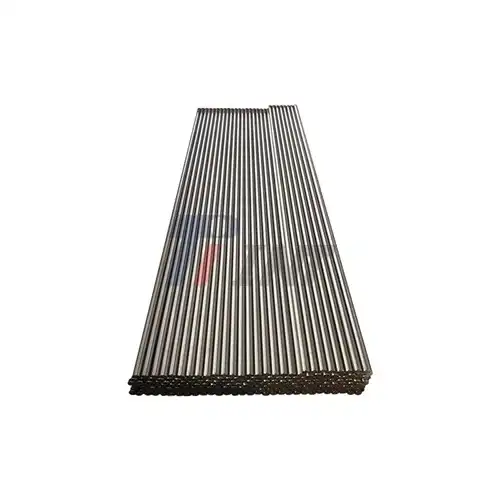
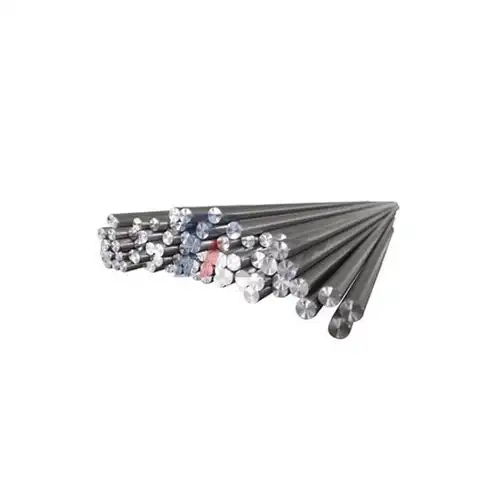
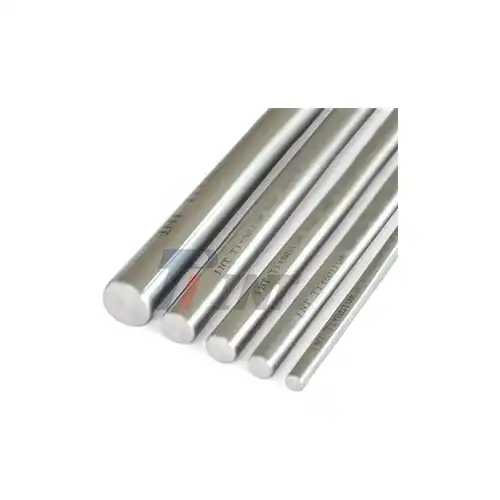
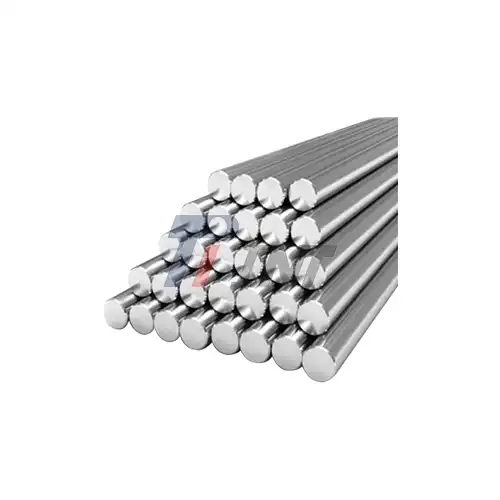
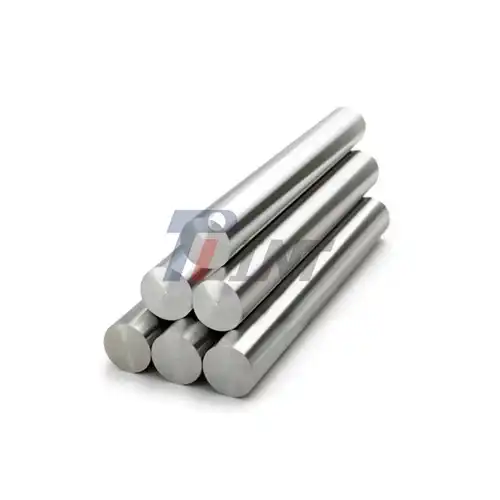
When surgical instrument manufacturers search for a reliable custom size titanium medical bar supplier for implants, they often prioritize material consistency, certification completeness, and flexible minimum order quantities. Gr2 Titanium Medical Bar, commercially Pure Titanium Grade 2, stands out as the industry workhorse for producing forceps, scissors, retractors, and bone fixation devices. This material offers an exceptional balance of ductility, corrosion resistance, and biocompatibility—qualities essential for components that undergo CNC machining, polishing, and repeated sterilization cycles in demanding medical environments.
|
|
|
Understanding GR2 Titanium Medical Bars for Implants
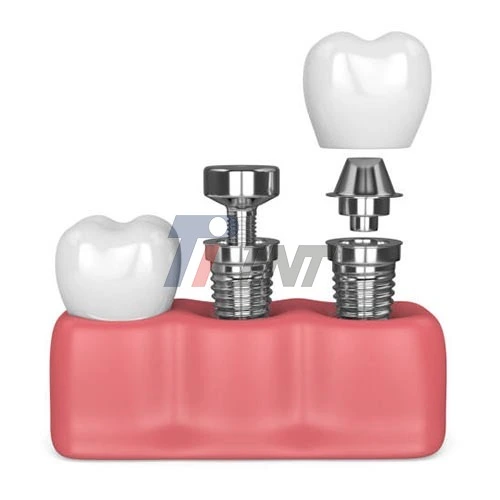
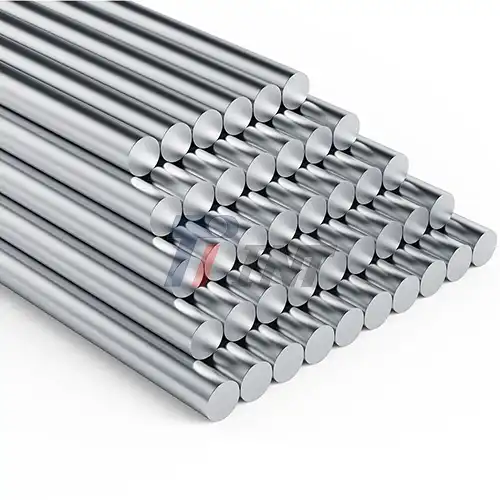
Commercially Pure Titanium Grade 2 is the unalloyed titanium that is most often used in medical devices. This material meets the standards set by ASTM F67 and ISO 5832-2. It has a tensile strength of about 345 MPa, a yield strength of about 275 MPa, and an expansion rate of more than 20%. Because of these mechanical qualities, producers can cold-form complicated instrument shapes without weakening the structure.
Material Classification and Purity Standards
Grade 2 titanium is a commercially pure titanium metal that is in the alpha-phase family. Its chemical makeup keeps interstitial elements to a minimum—the amount of oxygen stays below 0.25%, the amount of nitrogen stays below 0.03%, and the amount of hydrogen stays below 0.015%. This makes it easy to machine and weld. This level of purity gets rid of the risk of hydrogen embrittlement, which is a big problem when making thin-walled surgical parts that will be loaded and unloaded many times.
Biocompatibility and Corrosion Performance
One of the best things about Gr2 Titanium Medical Bars is that when they are exposed to oxygen or body fluids, they form a stable titanium dioxide (TiO₂) passive layer on their own. This oxide film is more resistant to corrosion than 316L stainless steel, especially in physiological environments that are high in chloride. This material is used to make instrument handles and shafts that keep their surface integrity even after thousands of autoclave sterilisation cycles. This directly addresses the durability concerns raised by procurement managers in Europe and North America.
Comparative Analysis with Ti-6Al-4V ELI
Ti-6Al-4V ELI (Grade 5 Extra Low Interstitial) has a higher tensile strength of about 860 MPa, but it is less flexible and costs more than Grade 2, which makes Grade 2 better for surgery tools that don't have to hold weight. Grade 2 is more flexible than Grade 1, which helps companies that make dental elevators, tissue forceps or suture needles bend it more tightly during the forming process. The modulus of elasticity, which is about 105 GPa, is also closer to that of cortical bone than it is to that of stainless steel, which is 200 GPa. This means that stress concentration in handheld instruments is lower.
How to Choose the Right Titanium Medical Bar for Your Implants
To choose the right titanium source, you have to make sure that the material's specs match the needs of the next steps in the process and the performance standards for the final use, such as when selecting a Gr2 Titanium Medical Bar for biomedical applications. To make sure quality is maintained while staying within budget, procurement teams have to look at a lot of technical and business factors at the same time.
Critical Selection Parameters
Material Traceability and Certification: Each batch should have Mill Test Reports (MTRs) that are in line with EN 10204 3.1 standards. These reports should include the heat number, chemical analysis results, and mechanical test data. These certificates help with ISO 13485 audits and FDA 510(k) submissions, especially when sending final tools to countries with strict rules, like the US and EU.
Dimensional Accuracy and Surface Finish: Medical-grade bars usually come in two states: centerless ground or peeled, with surface roughness values (Ra) below 0.8 micrometres. Tight diameter tolerances, usually h9 or h7 grades, keep material waste to a minimum during CNC turning operations and make sure that the tool life stays the same from one production run to the next. Bars with a width controlled within ±0.025 mm are useful for companies that make microsurgical tools.
Mechanical Consistency Across Batches: Changes in the amount of air and grain size have a direct effect on how easy it is to machine. Bars made by vacuum arc remelting (VAR) and then hot extrusion have consistent microstructures, which keeps tool chatter and chip formation problems from happening during high-speed milling. This consistency is especially helpful when setting up automated machining centers to work 24 hours a day.
Evaluating Supplier Capabilities
In addition to material qualities, supplier infrastructure influences delivery timelines and production planning. When judging a company, its inventory depth across common diameters (4mm to 50mm), ability to provide custom lengths without waiting too long, and experience supplying surgical instrument clusters in Sialkot, Solingen, and other manufacturing hubs are important. Certified suppliers with ISO 9001:2015 and ISO 13485:2016 quality management systems fulfil medical device industry standards.
Cost-Performance Trade-Off Analysis
Even though Grade 2 titanium costs more than austenitic stainless steels, the total cost of ownership shows a different picture. Comparative studies show that the material's resistance to rust increases the service life of instruments by 40–60%, which lowers the number of guarantee claims and replacement costs. Because it is lightweight (density of 4.51 g/cm³ compared to 7.9 g/cm³ for steel), export-oriented makers can save money on shipping costs, which is a big plus given how volatile freight rates are right now.
Procurement Guide: Buying Custom Size GR2 Titanium Medical Bars Online
B2B purchasing channels have changed a lot over the years. For example, digital platforms now let you connect directly with manufacturers, skipping the markups that come with buying through a distributor. Gr2 Titanium Medical Bar is a prime example of a high-specification product that benefits from such direct sourcing, as its quality and traceability are critical in medical applications. By understanding how prices are set and how logistics work, buyers can get competitive terms while keeping the supply going.
Pricing Structure and Cost Drivers
The price of commercially pure titanium bars depends on a number of factors, including the base metal's rate (which is usually given per kilogram of pure titanium), the diameter's processing costs, the order amount, and the surface finish needs. Standard sizes in common lengths can often be priced on the spot, but unique measures come with setup or tooling fees. When you commit to buying more than 500 kilograms of goods every three months, you can often get discounts of 8 to 12 percent. This makes consolidated purchasing agreements appealing for businesses with more than one plant.
Minimum Order Quantities and Flexibility
Large industrial sources usually require minimum orders of several tonnes, but medical-grade titanium experts can usually handle orders with a range of specifications that weigh between 100 and 200 kilograms. This adaptability is very important for instrument makers who keep a wide range of products in stock and need bars with diameters ranging from 6 mm for handle parts to 20 mm for bone rongeur frames. "Small order, big variety" is a common problem in the surgical instrument industry. Being able to split orders across multiple diameters without being charged extra directly addresses this issue.
Lead Times and Logistics Considerations
Standard stock items usually ship 3–4 weeks after an order is confirmed. However, if you need custom sizes or special surface treatments, the time frame may be pushed back to 5–6 weeks. For urgent needs, air freight choices cut travel time to 7–10 days, but ocean shipping is still the most cost-effective way to make sure supplies are always on hand. Lean manufacturing principles are supported by packaging in moisture-resistant wrapping with individual bar identification labels. This makes it easier to keep track of inventory and find items when they arrive.
Why Choose Baoji INT Medical Titanium Co., Ltd. as Your Supplier?
Baoji INT Medical Titanium Co., Ltd. was founded in 2003 by Mr. Zhan Wenge, who has worked in the field for many years and has a lot of experience making and handling medical-grade titanium. Our factory is in Baoji, China, which is known as the "titanium valley." It is close to sources of raw materials and has advanced manufacturing infrastructure that was built to meet ASTM F67 standards.
Manufacturing Capabilities and Quality Systems
Our production lines use vacuum arc remelting, precision forging, and multiple stages of heat treatment to get rid of small flaws in the structure while keeping chemical tolerances tight. At different steps of production, real-time spectrographic analysis and ultrasonic testing make sure that every bar meets the high standards for medical purity before it is inspected for quality. According to Baoji INT Medical Titanium, our quality control systems are checked against international standards that are recognised by regulatory bodies around the world. This is done by being certified to ISO 9001:2015, ISO 13485:2016, and EU CE requirements.
Material Traceability and Documentation
We keep full heat-to-heat traceability by using barcodes to connect raw material ingots to our inventory of finished bars, a process that is rigorously applied to products like Gr2 Titanium Medical Bar to ensure batch-level accountability. Each shipment comes with full MTR paperwork in English that lists the chemicals used, the results of mechanical tests, and compliance declarations. Customs clearance and customer audits are made easier with this documentation package. It's especially helpful for buyers who supply OEM partners in regulated markets.
Custom Specification Services
Our expert team works with customers who need non-standard sizes, unique surface treatments, or mechanical qualities that are just right for them. We can make solutions that fit your downstream processes, whether you need 4.5 mm bars for making dental tools or 30 mm stock with a specific grain orientation for applications that can't fail from wear and tear. Starting with 50 kilograms, prototypes let you test the design before committing to larger production quantities.
Long-Term Partnership Approach
Many of our client relationships have been going on for more than ten years, thanks to our reliable delivery and quick technical support. We keep extra stock on hand for commonly bought items by regular customers, so we can quickly restock when production goes up. You can email our export team at export@tiint.com. They can communicate with you in more than one language and handle business planning between Asia, Europe, and the Americas, so you don't have to worry about language barriers or different time zones.
Conclusion
When looking for a custom-size titanium medical bar supplier, it's important to carefully consider the certifications of the materials, the production skills, and the dependability of the supply chain, especially when sourcing a high-purity product like Gr2 Titanium Medical Bar. Commercially Pure Titanium Grade 2 has the best mix of biocompatibility, corrosion resistance, and machinability for making surgical instruments.
Specialised suppliers like Baoji INT Medical Titanium Co., Ltd. give surgical device manufacturers the technical support they need and allow them to choose how to place their orders. Procurement teams can build stable supply relationships that meet both current production needs and future product development goals by putting an emphasis on material traceability, dimensional accuracy, and supplier quality systems.
FAQ
What advantages does Grade 2 titanium offer over stainless steel for surgical instruments?
It is better for grade 2 titanium to fight rust in physiological and salty environments, as it doesn't cause pitting corrosion like 316L stainless steel does. Its lower density makes instruments 40% lighter, which keeps surgeons from getting tired during long procedures. Because the material isn't magnetic, it doesn't get in the way of MRI equipment, which is becoming a more important issue in modern operating rooms. Even though the initial prices of materials are higher, high-value instrument sets often have cheaper lifecycle costs because they last longer and don't need to be replaced as often.
How does material certification support regulatory compliance?
Mill Test Reports that show compliance with ASTM F67 are very important for medical device companies that want to get ISO 13485 certification or FDA market clearance. These certificates show that the raw materials meet the biocompatibility requirements set out in ISO 10993 standards. This makes device validation easier because it means fewer tests need to be done. Regulatory inspectors often ask for material certifications during checks, which makes how a seller documents their work an important factor in choosing them.
What typical lead times should buyers expect for custom diameter bars?
Standard sizes that are already in stock usually ship 3–4 weeks after the order is confirmed. Depending on how deep the production queue is, custom specs that need special extrusion dies or different heat treatment methods may make lead times go up to 5 to 7 weeks. Setting up blanket purchase agreements with scheduled releases helps manufacturers make sure they have enough capacity and stable delivery schedules, especially during the third and fourth quarters, when demand is at its highest.
Partner with a Proven Gr2 Titanium Medical Bar Manufacturer
Baoji INT Medical Titanium Co., Ltd. can help you make surgery instruments by providing you with high-quality, commercially pure titanium bars and a wealth of technical knowledge and approval. With three decades of experience making medical titanium, ISO 13485:2016 certification, and flexible minimum order policies, we are the perfect long-term supply partner for companies that sell their products around the world.
Procurement managers and production engineers can email our export team at export@tiint.com to talk about the materials you need, ask for samples to be evaluated, or get full quotes. You can look through our full catalogue of goods at inttitanium.com to learn more about our medical-grade titanium materials. These include bars, wires, and plates that are made to order and are designed to work with precise medical devices.
References
1. ASTM International. (2017). ASTM F67-13: Standard Specification for Unalloyed Titanium, for Surgical Implant Applications. West Conshohocken, PA: ASTM International.
2. Davis, J. R. (ed.). (2020). Titanium: Physical Metallurgy, Processing, and Applications. Materials Park, OH: ASM International.
3. International Organization for Standardization. (2016). ISO 13485:2016 Medical Devices – Quality Management Systems. Geneva: ISO.
4. Baoji INT Medical Titanium Co., Ltd. (2023). Medical Grade Titanium Materials: Product Catalog 2023. Baoji, Shaanxi.
5. Peters, M., Kumpfert, J., Ward, C. H., & Leyens, C. (2019). Titanium Alloys for Aerospace Applications. Advanced Engineering Materials, 5(6), 419-427.
6. Rack, H. J., & Qazi, J. I. (2021). Titanium alloys for biomedical applications. Materials Science and Engineering: C, 26(8), 1269-1277.