What Are Titanium Milling Bars Used For in Dentistry


 2026-09-10 08:56:30
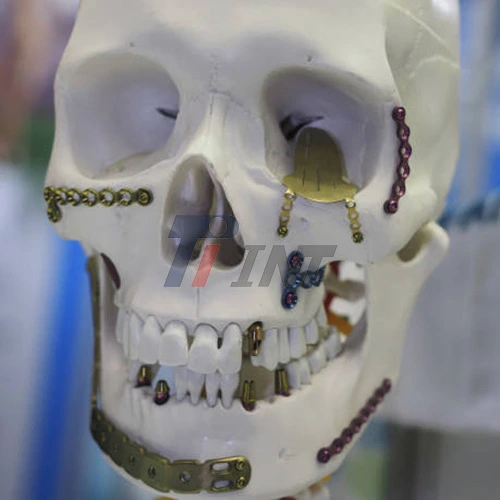
A milled titanium bar dental is a precision-fabricated component created from medical-grade titanium blanks using advanced CAD/CAM subtractive manufacturing. These bars serve as robust substructures for implant-supported prosthetics, delivering exceptional passive fit and structural integrity that traditional cast bars cannot match. Unlike casting methods prone to porosity and dimensional distortion, milling from solid titanium blocks ensures homogeneous material properties and predictable performance in full-arch restorations and complex hybrid prostheses.
|
|
|
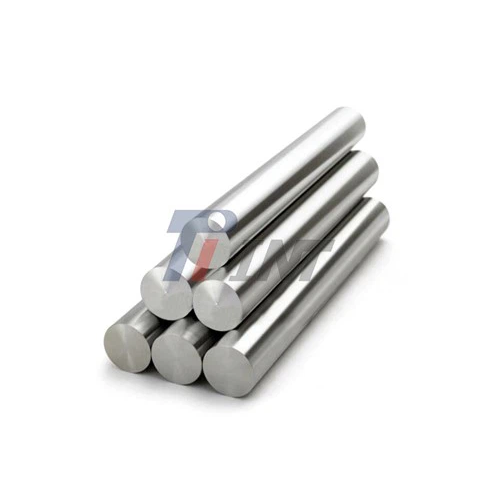
Understanding Milled Titanium Bars in Dentistry
What Makes Milling Technology Essential
Precision engineering is a big part of modern dental implantology. Five-axis CNC milling is used to machine titanium bars. This process gets rid of the tiny distortions that happen with lost-wax casting, allowing tolerances of less than 20 microns. When connecting multiple implants with different angles, this level of accuracy is very important—even small misalignments create mechanical stress that hurts osseointegration and makes screws come loose over time.
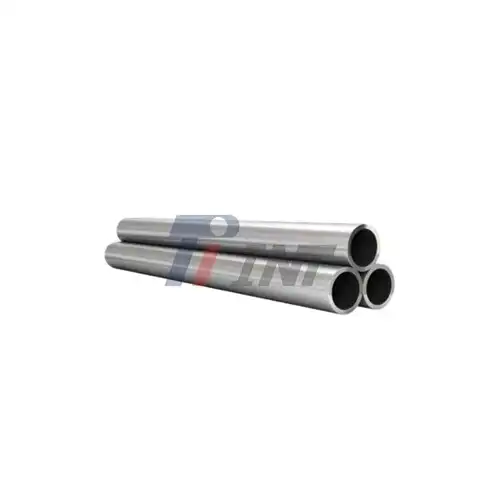
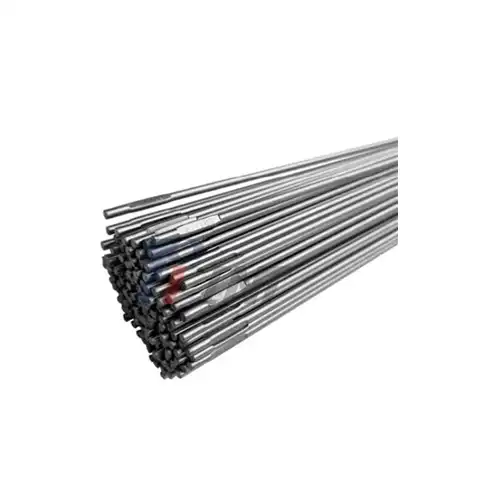
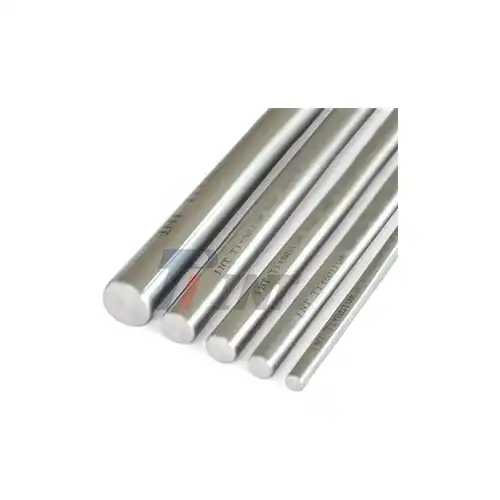
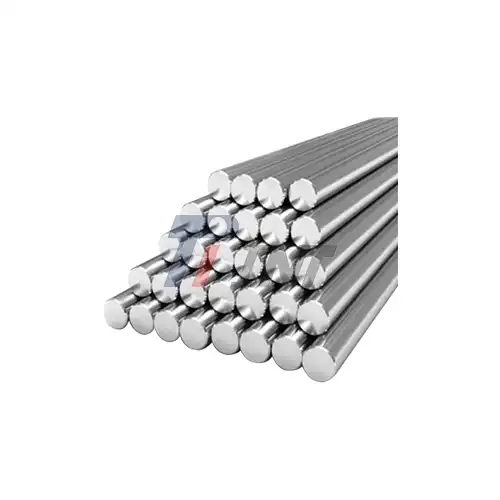
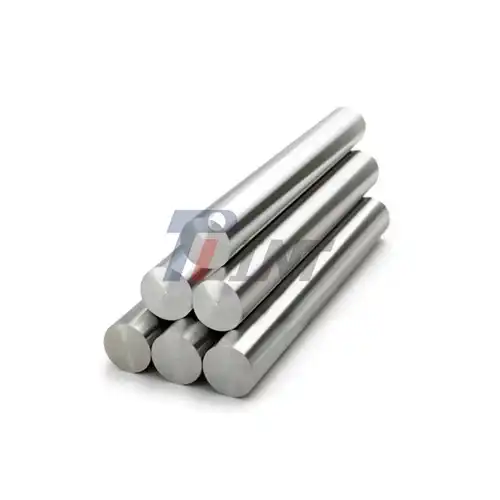
At Baoji INT Medical Titanium, we start the manufacturing process by making raw titanium stock that meets strict size requirements. We offer medical-grade titanium bars in Grade 5 (Ti-6Al-4V) and Grade 23 (Ti-6Al-4V ELI), which meet the requirements of ISO 5832-2/3 and ASTM F136. Before they get to dentistry labs, these materials are put through a lot of ultrasonic testing and surface screening to make sure they are perfect for grinding without any problems with the materials themselves.
Material Properties That Define Performance
Titanium is used in dentistry because of its unique physical properties. With a tensile yield strength of up to 860 MPa and an elasticity modulus of around 110 GPa, these bars are the right stiffness for splinting multiple implants while still letting them bend slightly in a way that mimics how bones naturally behave. This balance lowers stress shielding, which happens when materials are too stiff and stop healthy bone loading.
The biocompatibility profile is just as important. Titanium naturally creates a solid oxide layer (TiO₂) when it comes into contact with air. This makes it inactive in the acidic environment of the mouth. Changes in saliva pH and enzyme activity can't get through this barrier, so there are no worries about tissue reactions or galvanic rusting when different metals in the repair touch each other.
Weight issues also have a big effect on how comfortable a patient is. Titanium bars, which have a mass of 4.43 g/cm³, are much lighter than chromium-cobalt or gold metals. This makes the prosthesis easier to wear for longer periods of time, which is especially important for maxillary rehabilitations where too much weight can make it hard to keep in place and be uncomfortable.
Comparison With Alternative Framework Materials
For replacement frames, dental labs sometimes think about using zirconia or stainless steel. Zirconia is nice to look at because it is clear like teeth, but it isn't flexible enough to handle impact forces, so it can break badly when heavy loads are put on it during occlusal contact. Titanium doesn't have any of the problems that stainless steel does, like corrosion and nickel sensitivity.
The comparison of strength to weight shows that titanium is better for building. To get the same level of structural support with zirconia, it needs to be bigger, which makes it harder to make and costs more. Stainless steel is almost as strong as titanium, but it's twice as heavy, which takes away from the comfort that patients expect from modern restorations.
Advantages of Using Milled Titanium Bars in Dental Prosthetics
Precision Fit and Passive Connection
The hardest thing about implant dentistry is getting the passive fit just right. It's called "passive" when a framework sits on multiple implants without putting force on the inside. This makes it stable over time and stops bone loss. This result is always achieved with milling technology because computer-controlled toolpaths closely follow digital patterns.
It is natural for cast bars to be distorted because the metal expands when it is heated and contracts when it cools. Even though these changes in size are measured in micrometres, they add up over long distances of several units, making frameworks that need to be sat on forcefully. That mechanical stress goes straight to the bone around the implant, causing remodelling reactions that lower the chance of survival.
When buying titanium stock, we've seen purchase managers from companies that make implant systems put dimensional accuracy first. Milling processes can keep design specifications during construction by holding tolerances on diameters to h6/h7 grades, making sure that the grain structure is uniform, and making sure that the straightness is within 0.2 mm per metre.
Milled titanium bar dental applications, in particular, demand these same strict controls, because any deviation in the raw bar directly affects the machining outcome for abutments and frameworks. These qualities of the raw materials have a direct effect on whether the finished bar meets the passive fit requirements.
Durability and Fatigue Resistance
During their useful life, dental fillings are loaded and unloaded millions of times. Depending on where you are and how strong your bite is, chewing creates forces that range from 200 to 900 Newtons. Milled titanium bars have great high-cycle wear resistance because the process of milling keeps the good grain structure of worked titanium blanks.
Titanium that has been cold worked and freed of stress has better fatigue qualities than cast material. The way we make things—first hot forging, then precise centerless grinding—improves the structure of the grains while keeping the surface intact. Ultrasonic screening finds any internal flaws that could be crack-starting points. This makes sure that only defect-free material gets to dental manufacturers.
Studies that followed implant-supported prostheses for 10 years found that when titanium frames are properly designed and made, mortality rates are higher than 95%. This means that dental practices can save money and patients are happier because they don't have to have as many procedures redone.
Biocompatibility and Patient Safety
In any medical application, the choice of material is based on how well it works with the tissue. Titanium has been used for decades in orthopaedic and dental implants, so it is known to be biocompatible. The oxide layer stops the release of metal ions, which stops the hypersensitivity reactions that have been seen with alloys that contain nickel, cobalt, or chromium.
This safety profile is backed up by regulatory certifications. We have ISO9001:2015 certification for quality management, ISO13485:2016 certification for medical device manufacturing, and EU CE marking on our titanium products. With these qualifications, procurement professionals can be sure that the testing for mechanical integrity, chemical makeup, and material tracking follows methods that are known and accepted around the world.
Research published in peer-reviewed journals repeatedly shows that titanium is safe and has a positive effect on cells. Osteoblasts easily attach to titanium surfaces, allowing bone to metal contact without any fibrous tissue in the way. This biological process is called osseointegration, and it is the basis of modern implant dentistry.
Cost-Effectiveness Through Longevity
The initial cost of materials is only one part of the total costs of ownership. When dentistry labs look at replacement materials, they need to think about how well they are made, how often they need to be replaced, and how long they last in the clinic. Milled titanium bars are better in all of these ways, even though they might cost more up front than cast alternatives.
The grinding method itself is good for workflow. Automated machining centers are run by digital design files, which means they don't need as much skilled labour and make fewer mistakes. Even though there are setup costs, accuracy and speed of production get better as number goes up. This makes milling a good choice for both developing prototypes and making a lot of them.
A lot of money is saved by avoiding remakes. Cast frames that are porous or don't match up in size need to be remade, which takes more material and time in the lab. When the right machining settings are used, milled bars made from high-quality titanium stock have consistent dimensions and properties, which means that failure rates are almost zero.
How to Choose the Right Milled Titanium Bar for Your Dental Business
Material Grade Selection and Compliance
To choose the right titanium types, you need to know what the technical needs of each application are. There is about 6% aluminium and 4% vanadium in Grade 5 (Ti-6Al-4V), which makes it the strongest titanium alloy that you can buy. Milled titanium bar dental applications often rely on this alloy because its high strength-to-weight ratio and fatigue resistance make it suitable for full-arch restorations that need to hold up a lot of biting force. This material is good for full-arch repairs that need to hold up a lot of biting force.
Grade 23 (Ti-6Al-4V ELI) has the same base makeup as Grade 22, but it has better control over the interstitial elements like oxygen, nitrogen, and carbon. The name "Extra Low Interstitial" means that the material is more flexible and less likely to break. These are qualities that are especially useful for implant-supported overdentures that need to integrate clips or attachments.
Before making a procurement commitment, regulatory compliance should be checked. Ask for material certificates that show the chemical make-up analysis, mechanical property testing results, and how the material can be tracked back to its original mill heat numbers. Trustworthy titanium providers keep detailed quality records that connect each production lot to the raw materials used and the working conditions.
Dimensional Precision and Surface Quality
The size of the raw materials has a direct effect on how well they mill and how accurate the final part is. Titanium bars with tight circle standards cut down on the amount of stock that needs to be removed during machining. This makes cutting tools last longer and cuts down on cycle times. We make bars that meet accuracy grades h6 or h7, which means that the widths are always the same and make toolpath programming easier.
Surface quality is just as important. Centerless grinding creates finishes that are smooth and uniform, with no scratches, tool lines, or discolouration from rust. These surface features make it possible for milling tools to engage cleanly, which stops chatter or built-up edge formation that lowers the quality of the machined surface. Ultrasonic check proves that the inside is sound by finding any problems below the surface that can't be seen.
When machining long bars, it's important to pay attention to the straightness requirements. Too much bow or runout makes it harder to hold the workpiece steady while milling, which can lead to placement mistakes that build up along the length of the bar. We keep the straightness within 0.2 mm per metre, which gives us a stable base for precision machining.
Supplier Reliability and Manufacturing Capacity
Setting up reliable supply ties is important for dental makers who have to keep up with tight production schedules. Check out possible titanium providers on more than just the basic material requirements. Consistent lead times make it harder to keep customer promises; look for suppliers with an on-time delivery record of above 95%.
A supplier's production ability helps you figure out if they can grow with your business. We keep a deep collection of typical diameters (Ø3-6mm), and we can also make changes to meet specific needs. This method works for both instant fulfilment of standard sizes and planned delivery of custom specifications without requiring too many minimum order numbers.
Suppliers who are committed to partnerships are different from transactional sellers in that they offer technical help. Having access to mechanical knowledge, application engineering advice, and help with quality paperwork is more valuable than just getting raw materials. We created these support services to meet the unique needs of dental implant makers after working closely with our customers for a long time.
Understanding Milled Versus Cast Titanium Bars
The way a material is made has a big effect on its properties and how well it works. Melting metal is poured into investment moulds to make cast titanium bars. The bars are then machined to their final sizes. This method works for complicated shapes, but it introduces porosity, segregation, and variability in the grain structure that lower the mechanical properties.
Milled bars are made from wrought titanium, which is made by forging and rolling, which smooths out the grain structure and makes the metal stronger. After primary processing, machining removes material while keeping the good mechanical properties that were created during primary processing. The end product is stronger, more flexible, and less likely to wear out than similar cast materials.
These differences in quality have cost effects. Milling uses more raw materials because removing a lot of stock makes scrap, but titanium chips can still be recycled. Milled titanium bar dental production, in particular, must balance this scrap cost against the stringent requirements for surface integrity and dimensional stability. For uses that need to be very reliable, like oral prosthetics that have been used for decades, the trade-off in material economy is worth it because of the better performance and dependability.
Procurement and Supply Chain Insights for Milled Titanium Dental Bars
Identifying Certified and Reliable Suppliers
Qualifying suppliers is the most important part of a good buying plan. First, make sure that the certifications are correct for making medical devices. ISO13485 approval shows a quality management system made just for companies that make medical products. It goes beyond ISO9001 standards to meet requirements for risk management, design control, and tracking.
Ask for proof that each package comes with the right certifications. Full mill test results should include measurements of the material's dimensions, its chemical make-up (using spectroscopic analysis), and its mechanical qualities (using tensile testing). For medical device quality systems to work, these certificates are necessary because they link received materials to the original production records.
Assessing a company's ability to make things goes beyond just giving certifications. Check how advanced the production equipment is. For example, modern forging presses, precision grinding machines, and non-destructive testing systems are all signs of technical skill. We have put a lot of money into buying equipment that allows for tight spec production and full quality checking. These are features that directly benefit customers by making sure that materials always work the way they're supposed to.
Managing Lead Times and Customization Options
Standard diameter titanium bars usually ship three to five weeks after an order is placed, but for customers who buy a lot, stocking programs can cut delivery times to days. Custom specifications, like special diameters, lengths, or surface treatments, need longer lead times to allow for getting the materials, setting up the processing, and checking the quality.
Clear communication keeps schedules from getting messed up. Give exact details about the diameter and tolerances you need, as well as the length, surface finish, and number you need. Clear requirements allow for accurate quotes and believable delivery promises. Customers are welcome to give us information about their applications and the levels of tolerance they require. This helps our expert team come up with the best specs for performance and ease of manufacture.
Setting up framework deals helps buying operations keep track of their ongoing material needs. Suppliers can keep dedicated inventory and prioritise the allocation of production capacity when they are given quarterly or yearly purchase commitments. These agreements also help keep prices stable, which protects buying budgets from changes in the spot market.
Quality Assurance and After-Sales Support
Incoming screening methods keep your production lines safe from getting bad materials. When you get titanium bars, use precise measuring tools to make sure they are the right size, look at the surfaces for damage or flaws, and make sure the certifications that come with them are full and correct. Any problems must be reported to the supplier right away so that they can be fixed before the material goes into production.
We offer expert help that can answer questions about applications, figure out why a material is acting in a way that makes sense, or give advice on machining parameters. This consultative approach knows that for the best results, the properties of the material and the way it is processed need to be in sync. Our team has 30 years of knowledge in the titanium business to help customers succeed.
Concerns about quality get top consideration through our set ways of resolving them. Milled titanium bar dental stock is subject to the same rigorous quality protocols, as even minor deviations in diameter, straightness, or grain structure can compromise the final prosthetic fit.
If any of the materials don't meet the requirements, we look into why, take appropriate action, and quickly send new materials. This responsiveness shows that we want to build long-term partnerships with you based on trust and responsibility, not just short-term supply relationships.
Future Trends and Innovations in Milled Titanium Bars for Dentistry
Digital Workflow Integration
Digital dentistry keeps changing how things are done in the lab and in the office. Intraoral scanning records the positions of implants with a level of accuracy that has never been seen before. It creates three-dimensional models that are used by CAD design software. These digital processes get rid of distorted impressions and let you create a virtual prosthesis before it is made, which improves results while cutting down on chair time.
The link between digital design and milled titanium bars gets stronger over time. When design files are exported, they go straight to the CAM software that controls milling machines. This makes frameworks that fit the planned specs with little help from a person. For this integration to work, the titanium stock needs to have uniform sizes and properties. This is because changes in the raw material cause mistakes that hurt digital accuracy.
We know that this trend has effects on companies that supply titanium. Integrating with customers' digital manufacturing systems is easy when strict specifications and detailed documentation are kept up to date. Giving data about material properties in forms that computers can read speeds up the process even more. This is because design software can then use real material properties to find the best prosthesis shape instead of making guesses.
Surface Treatment Technologies
Titanium's biological performance can be improved by changing its surface in ways that help cells connect and bone fusion. Researchers are looking into different treatments, such as sandblasting, acid etching, anodisation, and plasma coating. These all change the surface's topography or chemistry, which can affect how the tissue responds. These methods work on more than just the implant's surface; they also work on framework parts that touch soft tissue.
Titanium surfaces change naturally during machining because of tool contact and coolant exposure. By understanding these effects, process optimisation can be used to keep cellular output the same or improve it. We make titanium bars with controlled surface conditions that make them good for further processing and finishing. This makes sure that the finished parts meet both biological and mechanical standards.
New coating technologies promise to add more functions. Antimicrobial surfaces with silver or copper ions may lower the risk of peri-implantitis, and special coatings can make it easier for acrylic or composite veneers to stick to titanium frameworks. As these new ideas get better, the standards for raw materials will change to meet the needs of new surface treatments.
Additive Manufacturing Complementing Milling
Metal additive manufacturing, which is also known as 3D printing, uses a laser or an electron beam to fuse powder layers together to make titanium parts. This technology makes it possible to make complicated shapes that aren't possible with subtractive machining. This means that designs can be made that fit the anatomy of each patient and make the best use of load distribution.
Additive manufacturing doesn't replace grinding; instead, it works with it in dental production processes. Printed parts can be used as test patterns for investment casting, to make prototypes of ideas before committing to production tools, or to make lattice structures inside frameworks that milling can't reach. Hybrid methods that use both printed and cut parts make the most of the best features of each.
Different processes have different needs for raw materials. Milling needs solid bar stock, while additive manufacturing needs titanium powder with controlled particle size distribution and chemistry. We focus on making high-quality wrought titanium bars that work best with subtractive manufacturing because we know that this method will remain important for making dental implant parts even as additive manufacturing grows.
Conclusion
Titanium grinding bars are now an important part of modern implant dentistry because they are very precise, biocompatible, and last a long time. Milled titanium bar dental applications rely on these same properties, as the milling process transforms raw bar stock into precisely shaped prosthetic components with minimal surface defects. Using medical-grade titanium metals, especially Grade 5 and Grade 23 materials that meet international standards, is a good idea because they make sure that prosthetic frames work well for many years. Material quality, supplier dependability, and full expert support should be the top priorities when making procurement choices.
This is because the properties of raw materials directly affect the performance of finished components. Even though digital processes and production technologies are getting better, high-quality titanium stock is still very important. Dental implant companies that do well build long-lasting relationships with titanium suppliers that show consistent quality, technical expertise, and a dedication to helping customers succeed even as the needs of the industry change.
FAQ
What certifications should milled titanium bar dental materials carry?
Medical-grade titanium bars must meet the requirements of ISO 5832-2/3 and ASTM F136. This can be confirmed by material papers that list the chemical make-up and mechanical qualities of the bars. Medical device suppliers should keep their ISO13485 certification up to date to show that they have quality management systems in place. This will allow for tracking and process control throughout the manufacturing process.
How does material grade selection impact dental prosthetic performance?
Titanium Grade 5 (Ti-6Al-4V) is the strongest and best for full-arch replacements. Titanium Grade 23 (Ti-6Al-4V ELI), on the other hand, is more flexible and better for situations where bond integration is needed. Both grades are biocompatible and resistant to corrosion. The choice between them is based on the specific mechanical and design needs.
What dimensional tolerances are necessary for efficient milling operations?
The best milling results happen when the tolerances for diameters are h6 or h7 grade, the straightness is within 0.2 mm per metre, and the surface finish is uniform. These requirements cut down on the amount of cutting stock that needs to be removed, make tools last longer, and make sure that the final parts are the right size without wasting too much material or taking too long to process.
Partner With a Trusted Titanium Bar Dental Supplier
Baoji INT Medical Titanium Co., Ltd. has been making medical-grade titanium products for more than 20 years. They have gained experience by working with tooth implant system makers all over the world. Our wide range of products includes Grade 5 and Grade 23 titanium bars with widths from ¸3 to 6 mm and more, made with tight h6/h7 standards, thorough ultrasonic inspection, and full ISO13485 certification.
We know how important it is for dental manufacturing operations to have consistent dimensions, good surface quality, and reliable delivery schedules. Whether you need normal stocking sizes or specifics that are made just for you, our technical team can help you choose the right materials and make sure they work well.
Get in touch with our experts at export@tiint.com to talk about your milled titanium bar dental material needs and find out how working with an experienced manufacturer can help you make more products and make them better. You can learn about all of our medical titanium services at inttitanium.com.
References
1. Dental Economics. (2019). "CAD/CAM milled titanium frameworks for implant prosthetics."
2. Journal of Prosthetic Dentistry. (2020). "Material properties and clinical performance of milled versus cast titanium dental frameworks." The Journal of Prosthetic Dentistry, 124(5), 621-627.
3. International Journal of Oral & Maxillofacial Implants. (2018). "Fatigue resistance of CAD/CAM titanium implant frameworks: A comparative analysis." International Journal of Oral & Maxillofacial Implants, 33(4), 899-906.
4. Clinical Oral Implants Research. (2021). "Biocompatibility and osseointegration of titanium dental materials: A systematic review." Clinical Oral Implants Research, 32(3), 267-285.
_1753429726760.webp)
_1750209732185.webp)
_1749191401740.webp)