
Best Titanium Rod Grade for Medical Implant Manufacturing


 2026-09-09 13:57:39
When surgical instrument manufacturers search for reliable titanium rod medical materials, the choice of grade directly impacts machining efficiency, end-product quality, and market competitiveness. Among commercially pure titanium (Grades 1-4) and Ti-6Al-4V alloys, Grade 5 titanium has emerged as the industry standard for implant-grade applications, delivering an optimal balance of tensile strength (860 MPa), biocompatibility, and corrosion resistance. This material addresses critical manufacturing challenges such as tool wear during CNC operations, dimensional stability during polishing, and regulatory compliance for export markets.
|
|
|
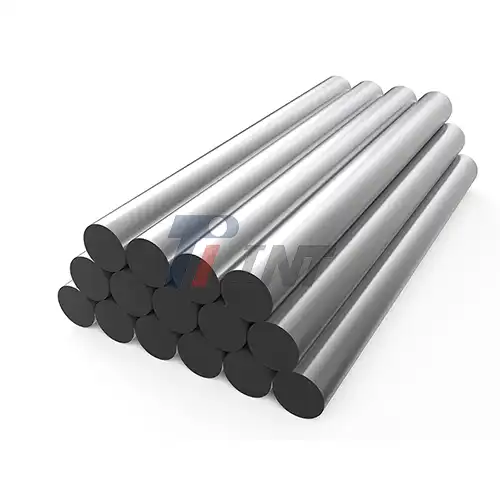
Understanding Titanium Rods and Their Medical Applications
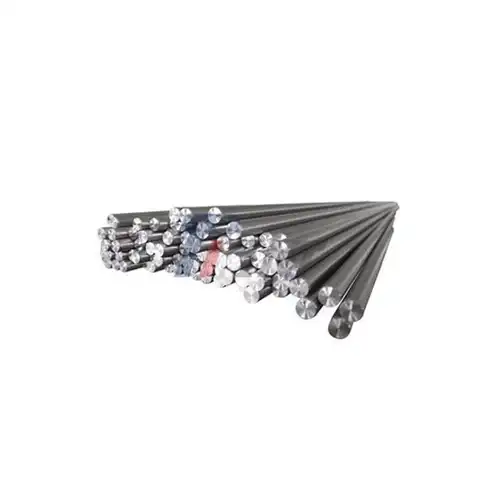
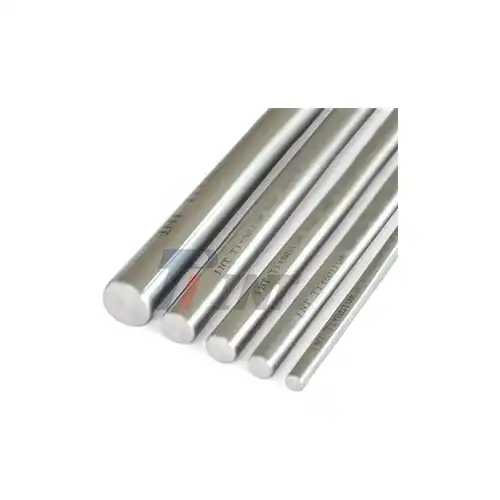
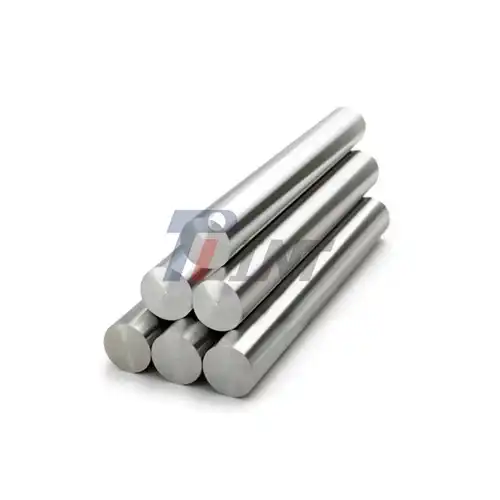
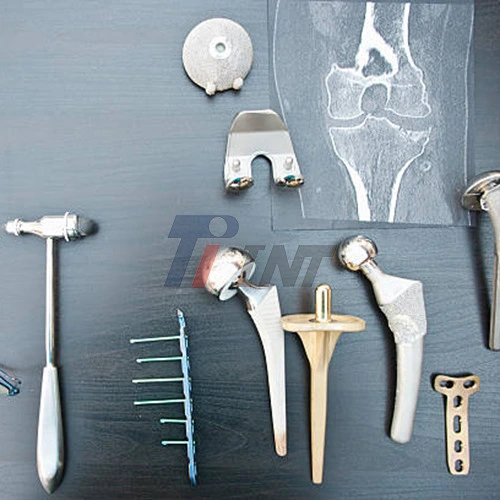
Medical-grade titanium bars are the main raw material used to make surgery tools, orthopaedic instruments, and oral prosthetics. Unlike industrial-grade titanium, these semi-finished products have to follow strict rules like ASTM F136 and ISO 5832-3 to make sure they don't harm cells when they are machined into tools that touch human tissue.
Titanium is biocompatible because it can make an inactive titanium dioxide (TiO₂) oxide layer. This layer stops ions from escaping in physiological settings and encourages osseointegration, which is the direct bonding between implant surfaces and bone tissue.
Why Titanium Dominates Medical Manufacturing
Three engineering reasons make companies in Sialkot, Solingen, and other global instrument hubs choose titanium. The material has a density of only 4.43 g/cm³, which means that the instrument will be lighter without losing its structural integrity.
Its elastic modulus (about 110 GPa) is very similar to that of human cortical bone, which means it reduces the stress shielding effects that lead to bone loss around implants. MRI compatibility is a must for post-operative imaging, and non-ferromagnetic qualities make that possible. These features fix problems that keep happening, like instruments breaking down after being sterilised over and over, body fluids causing rust pits, and the risk of rejection that comes with metallic ion leaking.
Common Applications in Surgical Instruments
Forging, CNC cutting, and polishing are the main ways that titanium bars are turned into fine parts. Orthopaedic forceps, retractors, and bone rongeurs need arms that don't wear out easily so they can handle being loaded and unloaded many times during treatments. The material can keep its sharp edges even after being autoclaved many times, which is good for dental scalers and curettes.
Handles for instruments made from Grade 2 titanium have good physical feedback because they don't conduct heat well, which keeps them cool during long surgeries. For these uses, rods need to have tight diameter tolerances (±0.05mm) and surface finishes below Ra 0.4μm to get rid of stress concentrators that cause cracks to spread.
Key Titanium Grades Used in Medical Implant Manufacturing
Whether commercially pure (CP) titanium or Ti-6Al-4V metals are used depends on how much mechanical load the final instrument needs to handle and how hard it is to machine. Titanium grades 1 through 4 have more oxygen in them, which makes them harder and less flexible. Grade 5 (Ti-6Al-4V) has 6% aluminium and 4% vanadium in it. This makes an alpha-beta microstructure that is very strong while still being easy to machine.
Grade 2: The Workhorse for Surgical Handles
The shapeability and strength of Grade 2 CP titanium are just right (345 MPa tensile strength), which means it can be used for instrument parts that need to be cold-healed or bent. Companies that make clamps, scissors handles, and retractor frames like how well it polishes, resulting in mirror finishes that are necessary to keep tissue from sticking together during surgeries.
The lower cost of the material compared to alloys makes it appealing for mass production where high strength is not necessary. Titanium rod medical applications, however, require stricter control over flexibility; to make sure the material is flexible enough for swaging, material certificates must show that the oxygen level is less than 0.25%.
Grade 5 (Ti-6Al-4V): The Benchmark for Load-Bearing Applications
When cutting forces are higher than 500N, this metal is mostly used to make orthopaedic drill bits, bone taps, and intramedullary reaming systems. The yield strength of 795 MPa lets cannulated instruments have thinner wall sections, which lowers the weight of the whole device without lowering the safety margins for the structure. CNC shops like how it breaks up chips during high-speed grinding (60–80 m/min with carbide tools), which keeps the tolerances for dimensions tight and extends the life of the tools.
To keep the fatigue strength, the alpha case—a thin, brittle layer of oxygen-rich material that forms during hot working—must be chemically milled or turned off. To stop work hardening caused by cutting, procurement teams should ask for alpha-case-free certifications and check that the metal has been heated (stress-relieved at 700–750°C).
Grade 23 (Ti-6Al-4V ELI): Enhanced Ductility for Implantable Devices
Extra Low Interstitial (ELI) types keep oxygen levels to a maximum of 0.13%. This makes the material much harder to break and more flexible, which is important for devices that need to be shaped after they have been machined or bent cold. Permanent implant makers mostly use Grade 23 rods, but instrument makers will sometimes ask for this grade for special tools like spine pedicle probes that need to be strong and flexible. The material costs 15-20% more than normal Grade 5, so procurement managers who are watching their budgets need to do a cost-benefit comparison.
Titanium Rods vs Other Materials for Medical Implants
Titanium has different performance trade-offs when compared to stainless steel (316L), cobalt-chromium metals, and new materials. Stainless steel is easier to work with and costs less than titanium ($8–12 per kilogram vs. $25–35 for titanium), but its 200 GPa elastic modulus makes stress shielding more dangerous. Cobalt-chromium metals are very good at resisting wear on moving surfaces, but they are sensitive to nickel and twice as dense as titanium.
Mechanical Performance Comparison
Titanium's strength-to-weight ratio is 40% higher than that of stainless steel. This lets instruments have thinner shapes that make them easier to use in minimally invasive surgeries. Grade 5 titanium can withstand up to 500 MPa of force over 10 cycles, while 316L stainless steel can only handle 280 MPa of force under the same testing conditions (ASTM E466). This means that replaceable tools that are sterilised and put under a lot of mechanical stress will last longer. Corrosion resistance testing according to ASTM G48 shows that titanium doesn't get pitted in 6% ferric chloride solutions at 50°C, but stainless steel does within 72 hours.
Cost Analysis for Procurement Managers
Titanium rod medical uses benefit from this same lifecycle economy, as the material's durability reduces long-term replacement costs. Even though the prices of titanium raw materials seem higher, manufacturers who want to export often choose titanium because it has lower total ownership costs. Titanium-made instruments need to be replaced less often, which means fewer warranty claims and customer complaints.
Getting rid of electroplating processes, which are needed to make stainless steel more resistant to corrosion, lowers the cost of making the product. Low-weight items save a lot on shipping costs, especially when you buy a lot of them. For example, a 20 kg shipment of titanium instruments weighs 30% less than the same-sized shipment of stainless steel items. This has a direct effect on freight costs and calculations of carbon footprint.
How to Choose and Procure the Best Titanium Rod Grade for Medical Implants
When making decisions about what to buy, you have to take into account both the material requirements and the supplier's skills and the paperwork needs. Medical Device Regulation (MDR) and FDA 21 CFR Part 820 have strict rules about how surgical tool makers can track their products when they want to sell them in Europe and North America. It's now necessary to only work with providers who provide EN 10204 3.1 Material Test Reports (MTR) that show where the melt came from, what chemicals were used, and how strong the material is.
Critical Specifications to Verify
Material certificates should show that they meet the requirements of ASTM F67 (for CP grades) or ASTM F136 (for Ti-6Al-4V ELI), with clear instructions on how to measure interstitial elements. Machinability is directly affected by the amount of oxygen present; higher oxygen grades cut faster but cause more tool wear.
Ask for proof that the annealed microstructure is correct by showing photomicrographs that show a uniform distribution of alpha and beta grains without any continuous grain boundary alpha networks, which weaken toughness. Specifications for surface finish are important. Centerless ground rods with Ra values below 0.8µm get rid of the need for secondary grinding, which lowers the cost of production.
Supplier Evaluation Criteria
You should also check a supplier's ability to handle orders with different specifications. Manufacturers of instruments usually need to ship a variety of sizes (6mm, 8mm, 12mm, and 16mm) at the same time, and each grade needs its own MTR paperwork. Minimum order quantities (MOQs) that are flexible can be used for prototype runs and changes in seasonal demand. For example, suppliers who offer 50 kg minimums per specification instead of 500 kg allow for more efficient inventory management. Consistent lead times are more important than exact speeds.
For example, orders that happen every 3–4 weeks are easier to plan than sudden rushes that last 2 weeks followed by delays that last 6 weeks. Check for ISO 13485:2016 approval, which shows that the quality control systems are in line with the needs of making medical devices. For more than 20 years, we've kept up with certifications like ISO9001:2015, ISO13485:2016, and CE compliance, making sure that every batch passes the strict standards of the government.
Negotiating Pricing and Payment Terms
Titanium prices change based on how much air travel is needed around the world and how much sponge can be made. Setting up yearly deals with price changes every three months based on London Metal Exchange titanium quotes can help keep prices from rising quickly. Ask for detailed quotes that break down the costs of the base metal, the processing fees, and the certification fees. Titanium rod medical grades, in particular, often carry additional quality assurance costs, so separating these line items is essential for accurate budgeting.
This makes it possible to compare prices accurately between providers. Payment terms should balance the need for cash flow with the security of the provider. For example, a 30% deposit and 70% due upon receipt of copies of the Bill of Lading is a good way to protect yourself while still staying competitive. When you commit to buying more than 500 kg of a grade every year, you can get savings of 8 to 12 percent and better production times when capacity is limited.
Case Studies and Real-World Applications
A German company that makes surgery instruments had quality problems with foreign Grade 5 rods that weren't always the same hardness (Rockwell C variation of ±3 points). When they switched to a supplier that offered vacuum arc remelted (VAR) ingots with uniform microstructures, the rate of rejects dropped from 4.2% to 0.6% during CNC operations.
Because the material was more consistent, the cutting parameters could be optimised. This increased throughput by 18% and increased the life of the carbide insert from 450 to 720 parts per edge. Even though the cost of materials went up by 9% per unit, the total cost savings were more than €43,000 per year.
Dental Implant Abutment Production Optimization
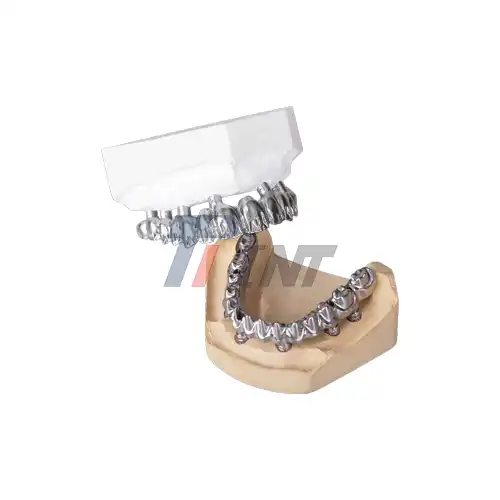
In response to customer requests for smaller emergence profiles, an Indian company that makes dental parts switched from Grade 2 to Grade 5 rods for making custom abutments. Because the metal was stronger, the width could be cut from 4.5 mm to 3.8 mm while still meeting the torque resistance requirements (35 Ncm).
This change to the design cut the amount of material used by 22% per part and improved patient outcomes by making the soft tissue look better. The manufacturer negotiated custom rod lengths (1.2m instead of standard 3m bars) to cut down on material waste during saw cutting. This led to an extra 7% increase in material yield.
Long-Term Supplier Partnership Benefits
A group of Pakistani instrument makers in Sialkot built a relationship with a titanium supplier that went beyond selling materials and included expert help. Metallurgists from the supplier trained CNC programmers on-site and optimised toolpaths to cut cycle times by 14 minutes per instrument set. By working together to create custom surface treatments (nitriding methods), the wear life of instruments was increased by 40%. This gave them a competitive edge in markets where price is important. This partnership model shows how strategic supplier selection goes beyond transactional buying and creates chances for continuous improvement.
Conclusion
When choosing the best titanium rod grade for surgical tool making, you have to balance mechanical performance, machinability, and cost. Titanium Grade 5 has the strength and fatigue resistance needed for load-bearing applications. Titanium Grade 2 is a more cost-effective choice for parts that aren't very important. A supplier's skills go beyond just providing good materials; strict paperwork, flexible MOQs, and expert help set partners apart from vendors.
As surgery becomes less invasive around the world, manufacturers are still looking for lighter, stronger instruments, and titanium rod medical grades are increasingly specified for precision tool shafts and guide pins. Titanium is the material of choice for manufacturers who want to stay ahead of the curve.
FAQ
What diameter tolerances should I specify for CNC-ready titanium rods?
Most machining tasks can be done with standard business specs of h9, which is ±0.043mm for a 10mm diameter. For very precise uses, like tooth abutments, h7 standards (±0.015mm) may be needed, which come with 12–15% price increases. When tolerances are tighter, facing processes are cut down and runout regularity is improved during high-speed turns.
How does surface finish affect tool life during machining?
When compared to hot-rolled surfaces (Ra 3.2μm), rods with centerless ground finishes (Ra 0.4–0.8μm) reduce the initial tool contact shock and increase the life of carbide inserts by 30–40%. The money spent on pre-finished rods is usually returned within 200 hours of use because the cost of the tools is lower.
Can I mix different titanium grades in a single shipment?
Reliable suppliers can handle orders for more than one grade, but they need different packaging and MTR paperwork for each standard to keep track of everything. Make sure the provider can do this during the qualification process so you don't end up with mixed materials that make quality control harder.
Partner with a Trusted Titanium Rod Medical Supplier
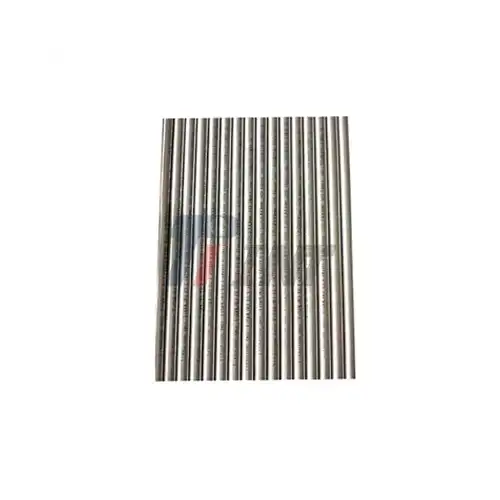
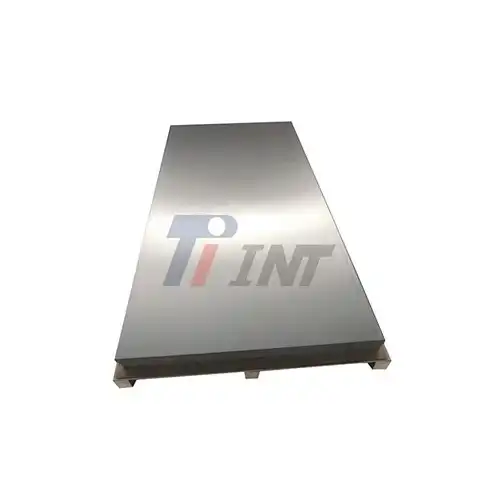
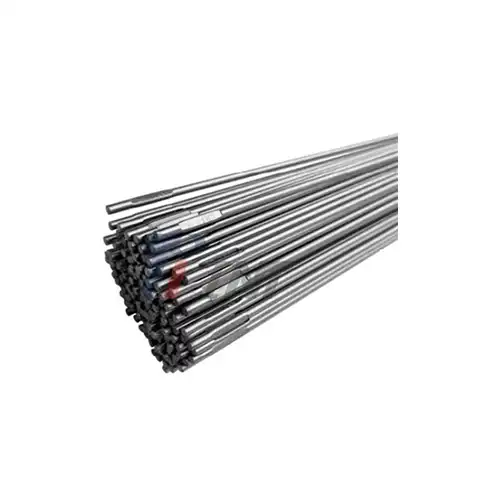
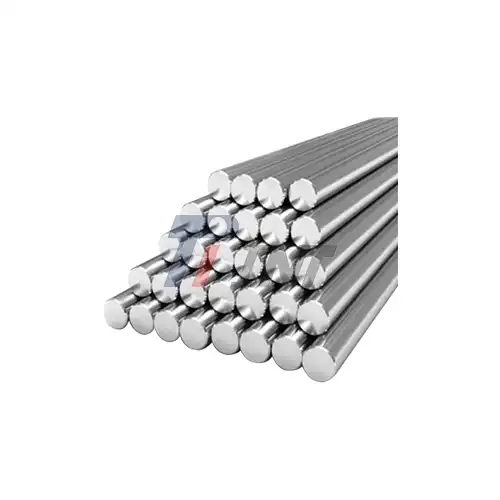
Since 2003, Baoji INT Medical Titanium Co., Ltd. has been making medical-grade titanium for companies that make surgery instruments in Pakistan, Germany, India, and the US. We sell CP titanium (Grades 1-4) and Ti-6Al-4V ELI rods with diameters ranging from 3mm to 100mm. The lengths can be changed up to 6 meters, and the surface finishes can be customised to meet your specific machining needs.
Each shipment comes with full paperwork for tracking the materials and safety certificates that meet ISO 13485:2016 and CE standards. We know how hard it is to deal with orders with different specifications and short wait times. Our flexible MOQs and 3–4 week delivery cycles make it easy for you to plan your production schedule. Our expert team works with you to choose the best materials and processing settings, whether you're making more orthopaedic instruments or creating the next generation of dental tools.
Email our export team at export@tiint.com to talk about your specific needs and ask for samples of materials with full test reports. As a top titanium rod medical manufacturer dedicated to your manufacturing success, visit inttitanium.com to learn more about our full capabilities.
References
1. ASTM International. (2021). ASTM F136-13: Standard Specification for Wrought Titanium-6Aluminum-4Vanadium ELI Alloy for Surgical Implant Applications.
2. Geetha, M., Singh, A.K., Asokamani, R., & Gogia, A.K. (2009). Ti based biomaterials, the ultimate choice for orthopaedic implants – A review. Progress in Materials Science, 54(3), 397-425.
3. International Organization for Standardization. (2016). ISO 5832-3:2016 Implants for surgery — Metallic materials — Part 3: Wrought titanium 6-aluminium 4-vanadium alloy.
4. Rack, H.J., & Qazi, J.I. (2006). Titanium alloys for biomedical applications. Materials Science and Engineering: C, 26(8), 1269-1277.
5. Niinomi, M. (2008). Mechanical biocompatibilities of titanium alloys for biomedical applications. Journal of the Mechanical Behavior of Biomedical Materials, 1(1), 30-42.
6. Boyer, R., Welsch, G., & Collings, E.W. (1994). Materials Properties Handbook: Titanium Alloys. ASM International.
_1750663253486.webp)