




Custom Titanium Wire for Medical Devices: OEM Buying Guide


 2026-09-18 11:15:04
When sourcing materials for precision medical device manufacturing, understanding your wire specifications can make the difference between production success and costly delays. Gr 1 Titanium Wire stands out as the purest commercially available titanium option, offering unmatched formability and corrosion resistance for OEM contract manufacturers serving implant and surgical instrument brands. This guide helps procurement managers, quality engineers, and production teams navigate the critical considerations when selecting custom medical-grade titanium wire to support exacting tolerance requirements and regulatory compliance.
|
|
|
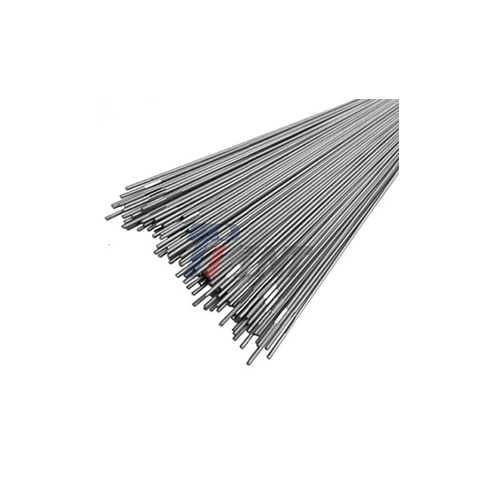
Understanding Grade 1 Titanium Wire for Medical Devices
What Makes Grade 1 Titanium Wire Unique?
When it comes to widely available pure titanium materials, Grade 1 pure titanium wire is the softest and most flexible choice. ASTM B863 standards say that this grade should have an oxygen content below 0.18% and an iron content below 0.20%. This gives it great elongation properties, usually above 24%. The material's mass of about 4.51 g/cm³ gives it a strength-to-weight ratio that is better than stainless steel options. It is also biocompatible, which is important for medical uses.
The wire is lightweight, but that doesn't mean it's not durable. Medical-grade titanium wire can handle the mechanical stresses of laser cutting, precise etching, and complex shaping processes that are common in making device parts. Its tensile strength is 240 MPa and its yield strength is 170 MPa. The structure of the material stays the same even after being sterilised many times and exposed to living fluids for long amounts of time.
Core Performance Characteristics
Medical gadget OEMs care about a number of different performance factors. The material is very resistant to corrosion because it forms a stable layer of titanium dioxide on the surface on its own, which keeps chloride from attacking it in salty environments. This passive film heals itself if it gets damaged, so it will work well for a long time without breaking down.
Another important benefit is that it doesn't cause fatigue. Parts made from pure titanium wire work the same way under cycle loading conditions. This means the material can be used for things like springs, woven mesh structures, and ligatures that need to be stressed over and over again. The 103 GPa elastic modulus is more like bone tissue than harder alloys, which makes stress shielding less of a problem for implantable devices.
Common Medical Device Applications
Medical-grade titanium wire is used in a variety of production situations by contract manufacturers. The material is good for making precision stamped parts for medical tool systems because it can be shaped and has a consistent surface finish. The wire's ability to bend and have a consistent thickness is used to make woven filter mesh for cardiovascular and neurological devices.
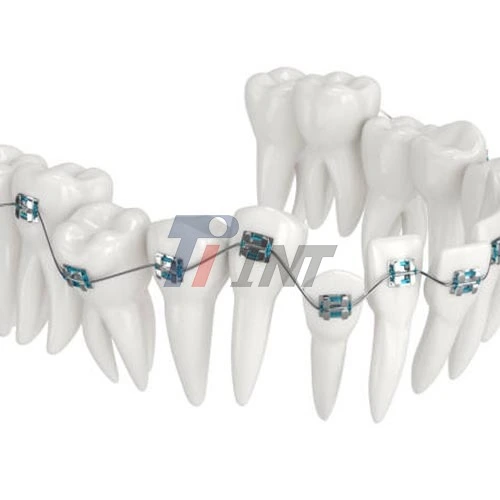
The manufacturing of orthopaedic implant blanks is a major application area. OEM factories that make fixation plates, spinal rods, and reconstruction parts need cut-to-size titanium wire stock that meets all the necessary dimensions and wastes as little material as possible. Dental device makers also count on uniform wire properties for orthodontic parts and prosthetic frames, where exact shaping can't work with uneven materials.
How to Choose the Right Grade 1 Titanium Wire for OEM Medical Device Production
Evaluating Your Specification Requirements
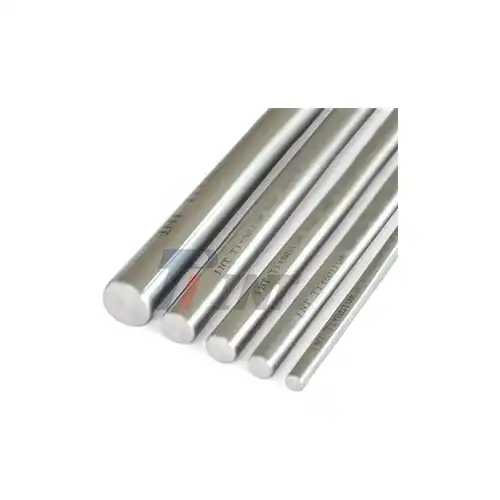
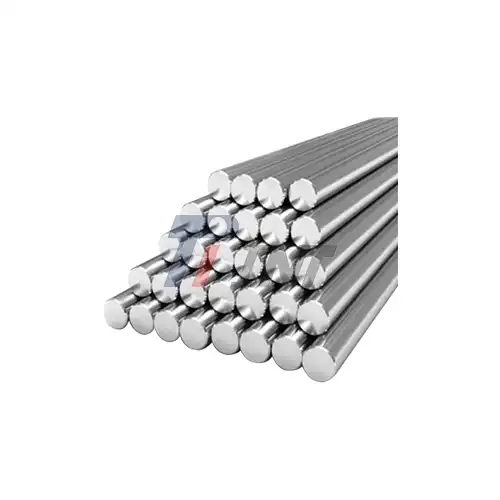
Making a clear list of your production needs is the first step to choosing the right materials. The thickness of the wire has a direct effect on how it can be processed and the shape of the finished part. The diameters range from 0.1mm to 6.0mm, so they can be used for everything from finely woven structures to large, shaped parts. The right diameter requirements are set by your laser cutting settings, die clearances, and welding tools. Gr 1 Titanium Wire is a common high‑purity choice within this range, offering excellent corrosion resistance and formability for demanding applications.
The quality of the surface finish affects how well the next steps are done. A surface that has been chemically cleaned or pickled gets rid of oxidation and contamination that could hurt the quality of the weld or cause mistakes during precision etching. When contract makers do large runs, they should ask for surface conditions that don't need to be cleaned again, which cuts down on touch work and cycle time.
Tolerances in dimensions need close attention. For fine wire uses, tight diameter control, usually within ±0.02mm, is needed for CNC operations and automatic feeding systems. Changes that are too big or too small can break tools, stop automatic machinery from working, and make parts that don't fit the specifications, which increases the number of scrap parts and delays deliveries.
Comparing Material Grade Options
Figuring out how Grade 1 stacks up against other grades of titanium can help you choose the best material for your device. Grade 2 titanium is stronger than Grade 1 (345 MPa tensile strength), but it is harder to shape. When deep drawing, tight-radius bending, or complex weaving is part of your production, Grade 1's high elasticity keeps cracking and work hardening fails from happening, which happen with harder grades.
The strongest titanium alloy is Grade 5 (Ti-6Al-4V), but it needs to be carefully processed. Because it is more expensive and can't be cold shaped as easily as pure titanium, the combination is only used when load-bearing needs are greater than what pure titanium can provide. The constant quality and ease of processing of Grade 1 are better for most medical device parts than the extra power of alloyed materials.
Certification and being able to track materials build trust in the purity of the supply chain. There should be a Certificate of Analysis for each production lot that lists the chemicals used, the mechanical properties, and the heat lot number. This traceability helps you meet the requirements for a quality management system set by ISO 13485 and lets you act quickly if any quality problems with the materials happen during production or use in the field.
Customization and Processing Considerations
Custom cutting services cut down on the time and materials your building needs to handle. If your supplier can cut the wire to the lengths you need for your production runs, you won't have to deal with the waste that comes with normal coil cutting. Edge deburring and the application of a protective film stop handling damage that leads to surface flaws that need to be fixed.
Choices for heat treatment affect how things work and how they are made mechanically. During annealing processes, leftover stress from wire drawing operations is released. This makes the metal easier to shape and more stable in its dimensions. Talk to the suppliers of the materials you need to form to find out whether stress-relieved or fully annealed conditions will work best for your production processes.
Manufacturing and Handling Considerations for Grade 1 Titanium Wire
Processing Best Practices
The quality of the wire is kept safe from the time it is received until it is used to make a final component. Keeping things in places with controlled humidity stops them from absorbing water, which could lead to hydrogen embrittlement during later welding operations. Keeping the hydrogen level below 150 ppm keeps the material flexible and stops made parts from breaking later.
Understanding titanium's springback properties is helpful for forming processes. Because of the material's elastic modulus, parts that are bent will partially return to their original shape once the forces that bent them are gone. This behaviour is taken into account in the creation of the tool by using compensation to make sure the end dimensions meet the requirements. Gradual bending with the right radius keeps work hardening to a minimum, which in turn keeps the material's shapeability.
Gr 1 Titanium Wire requires careful attention to tool selection because its adhesive and abrasive nature can quickly degrade inferior tooling. The choice of tool affects both the quality of the surface and how quickly it is processed. When working with titanium wire, carbide cutting tools keep their sharp edges longer than high-speed steel ones, which lowers the formation of burrs and surface roughness. For Gr 1 Titanium Wire, maintaining clean, sharp tools is especially critical, as this avoids galling and pickup, which damage the finish and introduce contamination.
Quality Control and Testing Protocols
Tough incoming inspection keeps your production processes safe from problems with materials. Using laser micrometres to check the diameter makes sure that the dimensions are the same along the length of the wire. Sample tensile testing makes sure that the mechanical properties match the supplier's certifications, and surface inspection finds flaws like chips or scratches that could spread during the shaping process.
Process certification gives you faith in your factory controls. Before starting mass production, first article inspection methods make sure that sample parts meet all the requirements for size, strength, and finish. Keeping specific records of the process helps with regulatory reports and gives information for fixing problems if quality issues arise.
Traceability tools link finished products to specific lots of materials. Keeping track of heat lot numbers and seller certifications in your device history records makes it easy to find the goods that are affected if there are any major problems. This paperwork meets the requirements of the law and makes sure that patients are safe by managing the supply chain well.
Procuring Grade 1 Titanium Wire: OEM Buying Strategies and Supplier Insights
Supplier Evaluation Criteria
To choose reliable titanium wire suppliers, you need to look at more than just the unit price. Certification to ISO 9001:2015 and ISO 13485:2016 standards shows dedication to quality management methods important for medical equipment supply chains. The EU CE marking on the right types of products gives people more faith that the rules are being followed.
The ability and capacity of a manufacturer affect how reliable a supply is. Keeping enough common specifications in stock at suppliers shortens the lead time for routine reorders, and melting and drawing materials in-house gives you more control over their consistency. Knowing how your supplier makes things helps you estimate lead times and plan your inventory accordingly.
In addition to providing materials, technical help skills add a lot of value. Suppliers who offer applications engineering help you choose the best materials and set the best working settings for your gadget. This collaboration shortens the time it takes to make a product and keeps expensive trial-and-error testing to a minimum when a new product is first introduced.
Pricing and Order Considerations
The price of medical-grade titanium wire is based on more than just the cost of the raw materials. Certification paperwork, systems for keeping track of products, and quality checks all add value that makes the higher price more reasonable when compared to industrial-grade options. When a production run changes over, setup costs and changeover costs are spread out over larger order volumes, this is called a quantity break.
Custom processing services cost more, but they often save you money in the long run. Cut-to-size operations, special surface processes, and non-standard standards all raise unit prices. However, they get rid of steps that need to be done in-house, cut down on waste, and make production more efficient. When looking at supplier quotes, total cost analysis should take these operational benefits into account.
Planning ahead for lead times keeps production from stopping. For repeat orders, standard specifications from well-known sources may ship within two to three weeks. However, wait times for custom sizes or special certifications can be as long as eight to twelve weeks. Keeping a safety stock of important wire specifications protects against changes in the supply chain and helps keep production plans steady.
Building Long-Term Supplier Partnerships
Strategic relationships with suppliers create benefits for both parties that go beyond simple buying. Sharing production estimates with providers helps them plan their capacity and keep an inventory of the items you want. The effectiveness of the supply chain can always be improved by talking about quality performance and delivery metrics on a regular basis.
Audits of suppliers make sure that the quality systems and controls used in production meet your needs. Regular visits to the facility make sure that all certifications are up-to-date, that equipment is well-kept, and that staff training supports consistent product quality. These audits meet the requirements of the law and let people know about possible supply chain risks early on.
Case Studies and Best Practices in OEM Use of Grade 1 Titanium Wire
Successful Implementation Examples
When a European company that makes orthopaedic implants switched to precision-tolerance titanium wire with better surface finish requirements, the amount of scrap they had dropped by 35%. Gr 1 Titanium Wire was the specific material chosen for this process, and its consistent quality played a key role in the improvement. The better accuracy in dimensions stopped tools from breaking during CNC operations and cut down on the need for extra finishing. Higher first-pass yield and lower labour content per component more than made up for the rise in material costs.
An American company that makes surgical instruments cut down on the costs of keeping supplies by forming smart partnerships with its suppliers. Getting all of your titanium wire from a single certified supplier saved you money on prices and made quality control easier. The supplier's willingness to hold consignment inventory for high-volume orders cut down on the need for working capital even more while still making sure materials were available.
Addressing Common Manufacturing Challenges
A common quality problem is surface flaws caused by bad handling. Using protection film from the seller and teaching workers how to keep things clean cut down on the number of rejects caused by surface scratches and foreign material. Having separate storage places with limited access kept things from getting damaged while they were being moved and retrieved.
Processing problems can happen when the dimensions of a line vary along its length. Working with suppliers to tighten tolerances for width and implementing more frequent inspections during wire drawing led to better uniformity. Tighter standards raised the cost of materials by about 8%, but the decrease in process error and waste more than made up for the price increase.
Future Trends and Innovation Opportunities
Medical-grade titanium wire is being used in new ways thanks to additive manufacturing technologies. New possibilities include wire-fed methods for making three-dimensional implant shapes and surgical guides that are specific to each patient. As more of these processes are used, material suppliers that make wire specifications that work best with them will benefit.
Biocompatibility and osseointegration traits are improved by surface modification methods. When suppliers offer alternative surface treatments like acid etching or micro-roughening, device makers can make their products work better without changing the core designs. These services that add value strengthen relationships with suppliers and help position high-quality products.
Conclusion
When choosing the right custom titanium wire for making medical devices, the properties of the material, the capabilities of the supplier, and the total cost must all be taken into account. Gr 1 Titanium Wire is very easy to shape, doesn't rust, and is biocompatible, so it can be used in a wide range of medical uses, from surgical tools to implantable parts. Instead of just looking at unit price, good procurement strategies stress source quality systems, material traceability, and expert support. As medical devices get more complicated and rules change, working with certified titanium wire providers becomes a more valuable strategic tool that helps with innovation while keeping quality and compliance.
FAQ
How does Grade 1 titanium wire compare to stainless steel for medical devices?
When it comes to biological environments, medical-grade titanium wire is more resistant to corrosion than 316L stainless steel. The inactive oxide layer of the material does a great job of protecting against chloride-induced pitting and crevice rust, which can weaken stainless steel over long periods of time. Titanium's lower mass makes devices lighter, and its biocompatibility keeps tissue responses from being too bad.
Can Grade 1 titanium wire be welded reliably?
Pure titanium wire can be welded very well with either TIG or MIG methods and the right amount of inert gas protection. Argon or helium atmospheres stop rusting from happening while welding, so the joins are clean and strong without needing to be heated up first or treated with heat after the welding process. With the right surface preparation and contamination control, the quality of the weld will stay the same from one production run to the next.
What certifications should I require from titanium wire suppliers?
Original Equipment Manufacturers (OEMs) of medical devices should check that their providers keep their ISO 13485:2016 certification, which shows that they can control the quality of medical devices. Certification to ISO 9001:2015 ensures a basic quality system, and certification to ASTM F67 standards for materials proves they are suitable for use in implantable devices. Ask for Certificates of Analysis for each output lot that show the chemistry, mechanical qualities, and ability to be tracked.
Partner with Baoji INT Medical Titanium for Certified Medical-Grade Materials
Baoji INT Medical Titanium Co., Ltd. has been making medical titanium wire since 2003 and works with contract makers in North America, Europe, and Asia. Our full set of quality certifications, which include ISO 9001:2015, ISO 13485:2016, and EU CE, show that we are dedicated to meeting the high standards that your medical device production needs. We have Gr 1 Titanium Wire with diameters ranging from 0.1mm to 6.0mm, and we can cut it to any size. We also offer precision tolerances and full material traceability documentation.
Our technical team knows the unique problems that medical device OEMs have to deal with, like having to meet strict size requirements and tight delivery deadlines. As a supplier of Gr 1 Titanium Wire with a lot of experience, we keep a lot of common specifications in stock to support short lead times. We can also do custom processing for specific uses. Our application engineering support helps you get the most out of your processing, whether you need material for precision stamping, laser cutting, or making woven mesh.
Get in touch with our team at export@tiint.com to talk about your specific needs for medical titanium wire. We offer quick quotes with all the necessary technical information, and we can also set up samples of the materials to be tested for quality. You can look at our full selection of medical titanium materials at inttitanium.com. These include rods, plates, and forged goods that can help with all of your gadget development needs.
References
1. ASTM International. (2021). ASTM B863-21: Standard Specification for Titanium and Titanium Alloy Wire. West Conshohocken, PA.
2. International Organization for Standardization. (2016). ISO 13485:2016 Medical devices — Quality management systems. Geneva, Switzerland.
3. European Commission. (2017). Medical Devices Regulation (MDR) 2017/745. Official Journal of the European Union.
4. Liu, X., Chu, P. K., & Ding, C. (2004). Surface modification of titanium, titanium alloys, and related materials for biomedical applications. Materials Science and Engineering: R: Reports, 47(3-4), 49-121.
5. ASTM International. (2019). ASTM F67-13: Standard Specification for Unalloyed Titanium, for Surgical Implant Applications. West Conshohocken, PA.