




How Titanium Grades Affect Medical Implant Performance


 2026-09-24 11:22:17
Selecting the right titanium grade directly determines implant longevity, patient safety, and manufacturing efficiency. For surgical instrument manufacturers sourcing medical titanium bar materials, understanding the differences between commercially pure titanium (Gr1-Gr4) and alloy grades like Ti6Al4V ELI is essential. These materials must balance mechanical strength, corrosion resistance, and biocompatibility while meeting cost and machinability requirements in forging and CNC operations.
|
|
|

Understanding Medical Titanium Bars and Their Grades
What Defines a Medical Titanium Bar
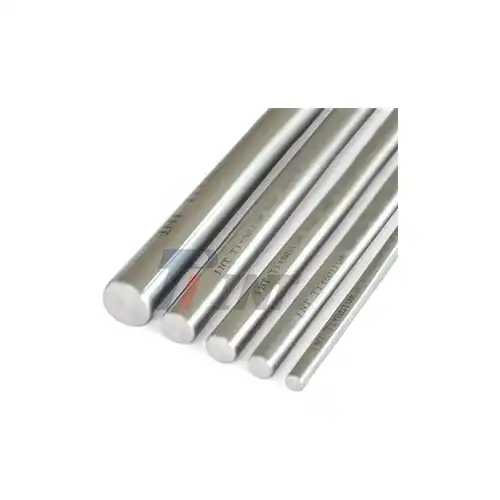
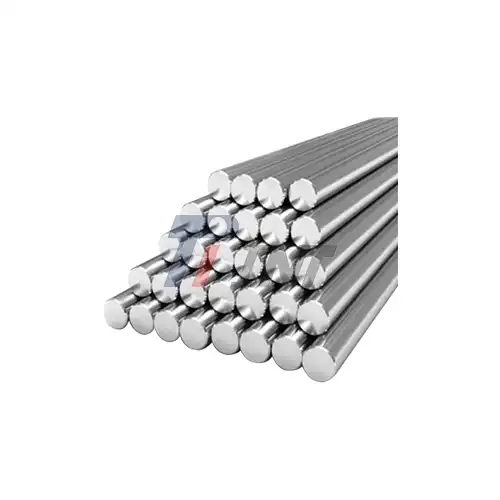
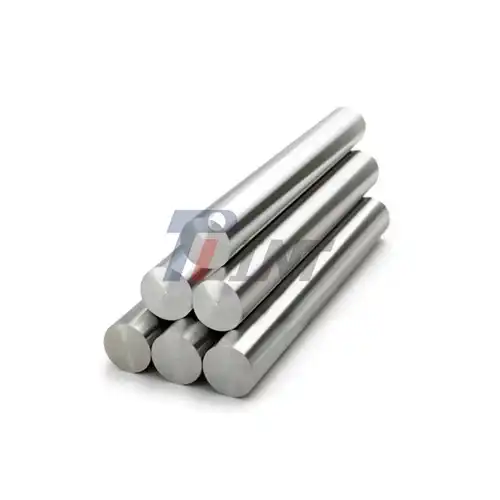
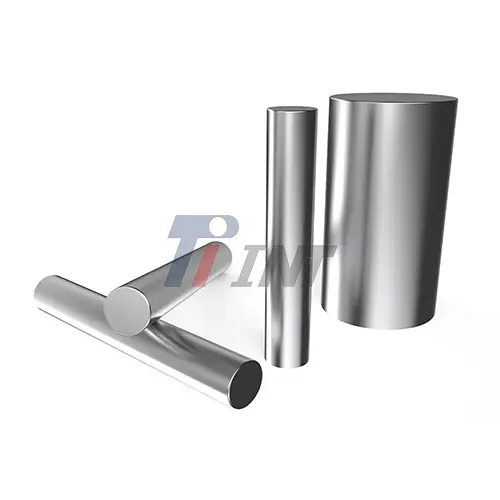
A medical titanium bar is a cylindrical raw material that is almost finished and is made from biocompatible titanium alloys or commercially pure titanium. To get microstructures without any flaws, these bars go through vacuum arc remelting (VAR) and controlled thermomechanical processes. Medical-grade bars, unlike industrial titanium, closely follow ASTM F136, ASTM F67, and ISO 5832-3 standards. This makes sure that the bars can be tracked through furnace batch paperwork needed for export clearance and customer checks.
Common Titanium Grades in Medical Manufacturing
There are four grades of commercially pure titanium. They are separated by the amount of oxygen they contain, which affects their strength and flexibility. Grade 1 is the most flexible and has a tensile strength of 240 MPa, making it good for medical tools with thin walls. At 345 MPa, Grade 2 has balanced properties and is often used for general instrument shafts. The tensile strength of Grade 4 is 550 MPa, making it perfect for load-bearing parts that need better mechanical performance.
Ti6Al4V (Grade 5) is the most common titanium metal. It has a tensile strength of 895 MPa and is made up of 6% aluminium and 4% vanadium. Extra Low Interstitial (ELI) version, which is also called Grade 23, lowers the amount of oxygen, nitrogen, and carbon in the material. This makes it more flexible and less likely to break, which is important for implant uses that are loaded and unloaded many times.
International Classification Standards
ASTM International and ISO set limits on composition, requirements for mechanical properties, and rules for testing. Ti6Al4V ELI worked alloys for medical implants are governed by ASTM F136, and unalloyed titanium is governed by ASTM F67. European standards that are similar to ISO 5832-3 are available. These approvals make sure that the quality of each production batch is the same. This eases buyers' worries about the stability of materials when they buy from multiple suppliers.
How Titanium Grades Affect Mechanical Strength and Corrosion Resistance
Comparative Mechanical Properties Across Grades
From 240 MPa in Grade 1 to ≥895 MPa in Ti6Al4V ELI, the tensile strength goes up. Similar patterns can be seen in yield strength, with Grade 4 reaching 485 MPa and Grade 1 reaching 170 MPa. These differences affect how instruments are made. For example, grasping tools and retractors can use cheaper grades, but bone screws and intramedullary nails need alloy-grade strength.
Fatigue resistance is especially important for implants that are loaded and unloaded millions of times. Medical titanium bar made of Ti6Al4V ELI has a higher wear strength of 510 MPa (for 10⁷ cycles) than Grade 4's 300 MPa under the same conditions. This feature lowers the chance of material failure in changing body settings. This directly increases the service life of implants and lowers the number of surgeries that need to be redone.
The Role of Natural Oxide Layer
Titanium makes a steady TiO₂ oxide layer on its own after being exposed to air for a few milliseconds. This passive film is 2–10 nanometres thick and heals itself right away if it gets scratched. It has great rust resistance in body fluids that are high in salt. Stainless steel releases nickel and chromium ions over time, but titanium implants don't release any of these ions. Choosing the right grade affects the security of the oxide layer. For example, Grade 4 has slightly better corrosion resistance than Grade 1 because it has more interstitial content. However, all medical grades work much better than other metals in physiological settings.
Biocompatibility and Clinical Performance of Titanium Grades
How Different Grades Influence Tissue Integration
Biocompatibility is more than just inertness; it also includes osseointegration, which is the direct structural connection between the bone and the implant surface. Because their surfaces are softer and more chemically reacting, commercially pure titanium grades are slightly better at attaching to cells at first. Within 12 weeks of surgery, clinical tests show that Grade 2 and Grade 4 implants make touch with 95% or more of the bone.
Ti6Al4V ELI has the same performance as this material, but it is stronger for load-bearing uses. The lower interstitial content in ELI variants gets rid of any worries about cytotoxicity caused by too much oxygen or carbon. This leads to neutral immune responses and little fibrous encapsulation. Because of this balance, Ti6Al4V ELI is the best material for trauma plates, spinal fusion cages, and hip stems that need to be strong and biocompatible.
Clinical Performance Data and Case Studies
Long-term implant records show that the choice of titanium grade has a big effect on the rate of revisions. A 15-year study of the Swedish Hip Registry found that 97.3% of people who received Ti6Al4V ELI stems lived, while only 94.1% of people who received cobalt-chrome alternatives did. The lower elastic modulus (110 GPa vs. 210 GPa for steel) lowers stress absorption. This is when stiff implants carry loads that should be transferred to the bone around them, leading to bone mass loss.
In dental and craniofacial reconstruction, where soft tissue integration is more important than load-bearing capacity, commercially pure titanium grades show special benefits. In multi-center trials, complications happened less than 3% of the time with Grade 2 mesh plates, which let blood vessels grow in while still being strong enough to fixate the skull.
Comparing Titanium Bars with Alternative Materials for Medical Implants
Titanium Versus Stainless Steel
Manufacturers who want to save money will be tempted by the fact that stainless steel 316L costs about 40% less than Grade 2 titanium. However, the 200 GPa elastic modulus of stainless steel makes it very good at protecting against stress in orthopaedic applications. Its density of 8.0 g/cm³ makes tools heavier, which makes surgeons more tired during long procedures.
Corrosion resistance seems good at first, but it breaks down in cracks, letting out nickel ions that cause allergic reactions in 10–15 percent of patients. In contrast, a medical titanium bar offers a lower elastic modulus closer to bone, lighter weight, and superior biocompatibility, making it a safer and more surgeon-friendly alternative despite its higher initial cost.
Titanium has a density of 4.5 g/cm³, which means that instruments made from the right grades can be 45% lighter without losing any strength. The high strength-to-weight ratio keeps the outstanding load-bearing abilities while reducing overall strain on surgical sites. When procurement managers try to find a balance between performance and budget, titanium's higher price is justified by fewer treatments that need to be redone and better patient results that lower overall healthcare costs.
Titanium Versus Cobalt-Chrome Alloys
Cobalt-chrome metals (CoCrMo) are good for moving joint surfaces because they don't wear down easily. But their 8.3 g/cm³ density and higher costs (20–30% more than Ti6Al4V) make them less useful. Cobalt-chrome is very hard, but it is also less flexible, which makes it more likely to break when hit.
New developments in surface treatments for metals have made it possible for titanium to get wear properties close to those of cobalt chrome for parts that don't move. When you add titanium's natural biocompatibility edge to the fact that cobalt and chromium ions are cytotoxic at high amounts, titanium bars become the best choice for 80% of surgical tool raw material needs. Manufacturers who need a certain level of wear resistance don't have to switch base materials altogether; they can just ask for changes to be made to the surface.
Procurement Guide: Selecting the Right Medical Titanium Bar Grade
Evaluating Project-Specific Requirements
To begin, look at the intended uses. Instruments that mostly deal with tensile loads, like retractors and forceps, work well with Grades 2–4, which saves money because they are easier to make. Parts that are loaded and unloaded over and over (like bone plates and screws) need Ti6Al4V ELI's high tolerance to wear. Forging Grade 2 is easier on complex shapes because it is easier to shape, which lowers the amount of scrap and tool wear.
Design engineers should use the right safety factors to compare the expected stress levels to the yield strengths of the materials. A 3:1 safety margin is usually used, which means that a part that will be under 300 MPa of service stress needs material with a minimum yield strength of 900 MPa. This points to Ti6Al4V ELI. When it comes to sterilisation processes, temperature doesn't mean as much for surgical tools as it does for aerospace uses.
Certification and Supplier Traceability
Material certificates must be included with every shipment. These show the chemical make-up, the results of mechanical tests, and the heat treatment factors that can be linked to individual furnace runs. Check that suppliers keep their ISO13485:2016 medical device certifications and ISO9001:2015 quality management systems up to date. Following the rules for CE marking lets you sell your goods in Europe, and FDA registration lets you sell them in the United States.
Ask for examples of the certificates when you are first evaluating the seller. Real papers for a medical titanium bar use ASTM or ISO test methods, have stamps from laboratories that prove they are accredited, and have unique batch numbers that connect bars to the original ingot production. Suppliers who can't or won't provide full traceability paperwork pose unacceptable quality risks, even if they offer lower prices.
Sourcing Strategies and Price-Quality Considerations
Leading medical titanium bar providers keep stock of popular sizes—6 mm to 150 mm in diameter and 1000 mm to 3000 mm in length—so delivery times are only 3 to 4 weeks. Build relationships with makers that offer flexible minimum order numbers (MOQ) so that they can handle the mixed-specification orders that come up a lot in instrument production. Avoid suppliers that want you to make big purchases of a single item, which can tie up your working capital.
When negotiating prices, the total cost of ownership should be more important than the rate per kilogram. Cheaper materials that need more time to be machined or produce more scrap end up costing more in the long run. Before committing to large quantities of production, you should ask for test examples of the grinding process to look at the surface finish after turning, cutting, and polishing. Material with a consistent grain structure machines more reliably, which cuts down on the number of tool replacements and setup times.
Baoji INT Medical Titanium Co., Ltd. is a good example of balanced sourcing because it offers a wide range of grades (Pure Titanium, Ti6Al4V, and Ti6Al4V ELI) and diameters from 6mm to 150mm, along with full certification paperwork and flexible order quantities that work with the way instruments are made.
Conclusion
Choosing the right titanium grade has a big impact on how well medical implants work because of technical, biological, and economic factors that all affect each other. Commercially pure grades are a cheap option for non-load-bearing instruments, and Ti6Al4V ELI gives orthopaedic implants the strength and fatigue resistance they need. When procurement teams know these differences, they can choose materials that meet legal standards, make manufacturing more efficient, and guarantee long-term clinical success.
When manufacturers have to balance tight margins with quality requirements, suppliers that offer a range of grade inventories, full traceability, and technical support throughout the product development cycle can help, especially when sourcing a medical titanium bar that must meet stringent performance and regulatory criteria for critical implant applications.
FAQ
Which titanium grade is most commonly used in medical implants?
Ti6Al4V ELI (Grade 23) is the most popular material for load-bearing implants because it has a tensile strength of 895 MPa and is more flexible because it has less intermediate substance. Grade 2 commercially pure titanium is used for 40% of surgery instruments where flexibility is more important than ultimate strength.
How do I verify the biocompatibility of a specific titanium grade?
Ask for certificates that show the materials meet the requirements of ISO 10993 biological evaluation standards and ASTM F136/F67 specifications. Cytotoxicity test reports from accredited laboratories are given by reputable suppliers. When products are made correctly, the chemical makeup limits set by these guidelines automatically make them biocompatible.
Where can surgical instrument manufacturers source certified medical titanium bars?
The most trusted providers are those that have been in business for a long time, are ISO13485 certified, and have worked in the industry for many years. Instead of just looking at price, you should compare suppliers based on their grade availability (Gr1-4, Ti6Al4V ELI), size range (6-150mm diameter), certification completeness (heat lot traceability), and technical support.
Partner with a Trusted Medical Titanium Bar Supplier
At Baoji INT Medical Titanium Co., Ltd., we help medical tool makers all over the world with our more than 30 years of experience in the titanium business. Our wide range of materials includes Pure Titanium (Grades 1-4), Ti6Al4V, and Ti6Al4V ELI in sizes ranging from 6mm to 150mm in diameter and up to 3000mm in length. All of these materials are certified by ISO9001:2015, ISO13485:2016, and EU CE.
We know what it's like for instrument makers to have to deal with tight margins, orders with different specifications, and strict standards for tracking. Our open MOQ policies and full furnace batch documents help you with quality control while keeping delivery times of 3–4 weeks.
You can talk to our technical team at export@tiint.com about your unique grade needs, ask for test samples, or get full material certificates. Visit inttitanium.com to see our full selection of medical-grade titanium materials and our precision forging skills, which we've gained by working with top device makers for decades.
References
1. Niinomi, M. (2008). Mechanical biocompatibilities of titanium alloys for biomedical applications. Journal of the Mechanical Behavior of Biomedical Materials, 1(1), 30-42.
2. Geetha, M., Singh, A. K., Asokamani, R., & Gogia, A. K. (2009). Ti based biomaterials, the ultimate choice for orthopaedic implants – A review. Progress in Materials Science, 54(3), 397-425.
3. Long, M., & Rack, H. J. (1998). Titanium alloys in total joint replacement—a materials science perspective. Biomaterials, 19(18), 1621-1639.