




Gr4 vs Gr5 Titanium: Key Differences for Medical Device Buyers


 2026-09-24 11:29:39
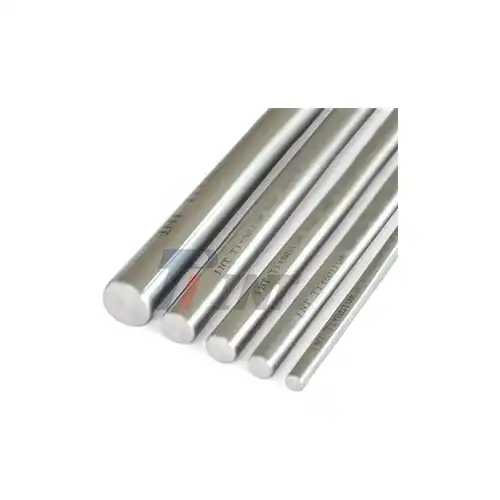
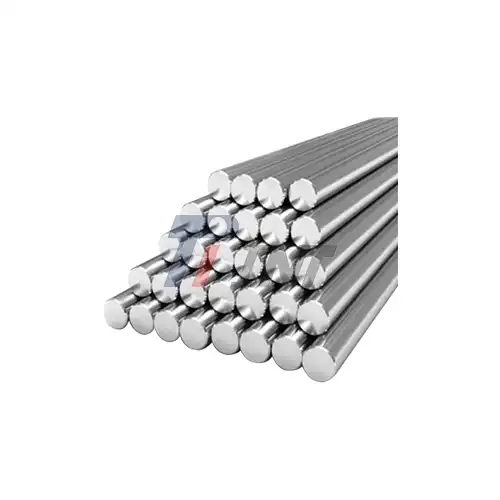
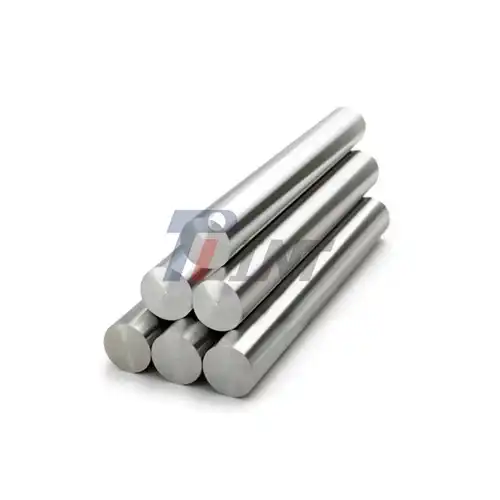
When choosing titanium welding wire for surgical instrument manufacturing, the decision between Gr4 Titanium Welding Wire and Grade 5 directly shapes your product's mechanical performance, cost structure, and regulatory pathway. Grade 4 commercially pure titanium delivers excellent corrosion resistance and biocompatibility ideal for corrosive environments, while Grade 5 (Ti-6Al-4V) provides significantly higher tensile strength necessary for load-bearing components.
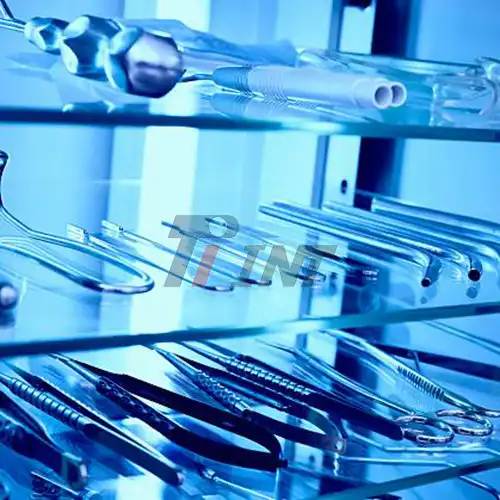
Gr4 Titanium Welding Wire has become particularly valued among surgical tool manufacturers who prioritize weldability and fatigue resistance in instruments such as forceps, retractors, and clamps. Understanding these fundamental differences enables procurement managers to align material specifications with both functional requirements and budget constraints, ensuring your manufacturing line delivers instruments that meet FDA and CE certification standards.
|
|
|
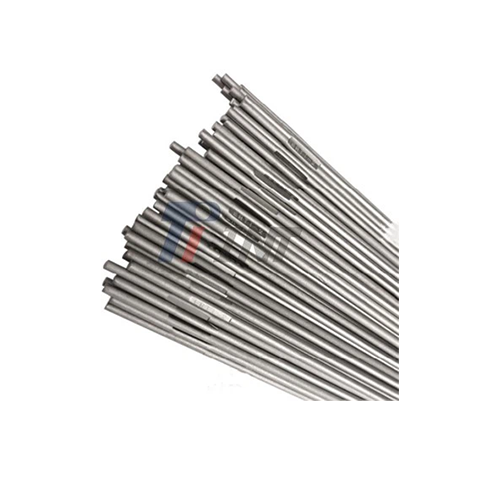
Understanding Gr4 and Gr5 Titanium Alloys
Titanium is used to make medical devices because it has qualities that aren't found in stainless steel or cobalt-chromium options. Grades 4 and 5 both meet the requirements of ASTM F67 and ASTM F136, but their chemical makeups make them behave very differently when they are machined, welded, and used in hospitals.
Chemical Composition and Structure
Grade 4 titanium is commercially pure (CP), and the oxygen content is between 0.30% and 0.40%. Oxygen is the main thing that makes titanium strong. This interstitial oxygen raises the tensile strength to around 550 MPa while keeping the single-phase alpha structure that stops grain growth during welding.
Grade 5 titanium, on the other hand, has an alpha-beta composition that makes it stronger than 895 MPa. It is made up of 6% aluminium and 4% vanadium. Baoji INT Medical Titanium uses hot rolling and shaping to keep tight control over the interstitial spaces in the welding wire it makes. This makes sure that the amounts of oxygen, nitrogen, and hydrogen stay within the medical-grade standards set by ISO 13485:2016.
Mechanical Properties Comparison
The edge in strength to weight changes a lot from grade to grade. Grade 4 has a tensile strength of at least 485 MPa and a yield strength of at least 345 MPa. It can also stretch by at least 20%, which makes it flexible for complex bending operations used in the production of surgical tools. Grade 5 has a much higher strength (900 MPa tension and 830 MPa yield), but it also has a lower stretch of about 10%.
Because of its unique mechanical shape, Grade 4 wire is perfect for tools like laparoscopic graspers and needle holders that need to be bent over and over again without breaking. Manufacturers in Solingen and Sialkot say that switching from austenitic steel handles to Grade 4 titanium handles makes tools last 15-20% longer. This is because Grade 4 titanium handles are better at resisting fatigue under cyclic sterilisation stress.
Standards and Certifications
Medical-grade titanium welding wire has to meet a lot of different rules. ASTM B863 lists the chemical make-up and mechanical qualities of a material, while AWS A5.16 (ERTi-4) lists the performance features of welding, such as the chemistry of the deposit and its radiographic soundness. Each spool of our Grade 4 wire comes with a mill test certificate that can be linked to a specific heat lot.
The certificate includes ultrasonic testing results that show there are no defects below the surface. This paperwork is very important for customer checks and putting together CE technical files. This is especially true for companies that sell to markets in the EU and North America, where material traceability is a key legal requirement.
Key Differences Between Gr4 and Gr5 Titanium Welding Wire
To choose between these grades, you have to look at a number of performance factors and your instrument's design needs. The following table shows important decision factors that have a direct effect on how well devices work and how efficiently they are made.
Performance and Durability
Grade 4 is very resistant to stress corrosion cracks caused by chloride, which is a type of failure that can happen to Grade 5 parts that are subject to saline treatment during long surgeries. The economically pure structure of Grade 4 gets rid of the aluminium and vanadium beta phase stabilisers, which can make grain boundaries more vulnerable to acidic attack.
Surgical instruments that were welded with commercially pure filler keep their shape even after 500+ autoclave cycles at 134°C, but Grade 5 parts may show surface discolouration and small pitting under the same conditions. Gr4 Titanium Welding Wire offers a middle ground, yet Grade 4's better corrosion resistance is a must for tools that need to stay in place for a long time, like temporary fixation guides or measurement templates that are left in place.
Cost and Supply Chain Considerations
From our experience working with medium-sized toolmakers, the cost of materials makes up 25 to 35 percent of the total cost of making surgical instruments. Because it is easier to get and has simpler chemistry, Grade 4 wire usually costs 15 to 20 percent less than Grade 5 wire. At the moment, 1.0 mm diameter Grade 4 wire costs between $45 and $55 per kilogram when bought in bulk (500 kg minimum), while Grade 5 wire costs between $60 and $75 per kilogram.
In addition to being cheaper per unit, Grade 4 has shorter lead times—our standard delivery time for common diameters (0.5mm to 5.0mm) is 3–4 weeks, while Grade 5 takes 5–6 weeks because it needs to get more aluminum–vanadium master alloy. Manufacturers who handle multiple SKUs like Grade 4's flexible minimum order quantities because they let them stock less common diameters without having to tie up capital.
Application-Specific Suitability
The selection grid makes it easier to match the grade of wire to the function of the instrument. Grade 4 is great for things like knife blades, forceps jaws, and retractor frames that need to be resistant to rust, flexible, and moderately strong. Grade 5 is needed when the working stress on a part is higher than 400 MPa. This can happen with power tool attachments, bone cutting instruments, and orthopaedic drill guides.
A European company that makes surgical tools that we sell recently switched all of their laparoscopic instruments to Grade 4 wire after tests showed that it had enough strength margins and could save 18% on material costs. Their trauma implant temporary fixation devices are still Grade 5 because they need to be able to handle higher clamping forces during fracture reduction procedures.
Welding Techniques and Best Practices for Gr4 and Gr5 Titanium Wire
Titanium reacts badly with gases in the air, so the process needs to be carefully controlled in a way that goes beyond what is usually required for welding stainless steel. The integrity of a weld is directly related to the method used. Impurities often show up as brittleness that can only be seen during instrument flexing testing or clinical use.
TIG Welding Parameters
Gas tungsten arc welding (GTAG/TIG) is still the standard for medical titanium because it is clean and easy to control the amount of heat input. When welding Grade 4 base metal with matched filler, keep the tungsten electrode's width between 1.6 and 2.4 mm and its taper between 15 and 25°. Use 60 to 90 amps of current and 10 to 12 volts DC for the electrode's negative polarity. The speed of travel should stay between 150 and 200 mm per minute so that too much heat doesn't build up and cause hydrogen to be absorbed. Complete argon shielding is important for success.
The primary torch gas should be 10–12 litres per minute, the trailing shield should be 15–20 litres per minute, and the backing gas should flood the internal weld zone at 8–10 litres per minute. Due to better heat conductivity, Grade 5 needs a little more current (90–120A), but the same shielding rules still apply. Gr4 Titanium Welding Wire follows the same shielding requirements as Grade 5, so these flow rates remain fully valid when using this filler metal. We've seen that silver-colored weld beads mean good shielding and straw or light blue beads mean poor shielding that needs process adjustment.
Pre-Weld Preparation and Post-Weld Treatment
Surface preparation is the most important factor in figuring out the risk of pollution. Acetone or isopropyl alcohol must be used to remove grease from wire and base metal surfaces. This must be followed by mechanical abrasion with special stainless steel brushes that have never been used on steel or aluminium before. Keep wire in its original, sealed package with desiccants until you are ready to use it.
Moisture from the air adds hydrogen, which makes the wire porous and prone to cracking. Passivation in 20–30% nitric acid for 30 minutes at room temperature gets rid of surface oxides and makes the metal more resistant to corrosion after welding. Stress relief annealing at 540–595°C for 30–60 minutes under a neutral atmosphere is good for parts that need to have the longest service life, but this step is often skipped for non-structural instrument parts to cut down on manufacturing cycle time.
Common Welding Defects and Prevention
The most common flaw is porosity, which is usually caused by not enough protective gas covering, which lets nitrogen or oxygen enter. Dark blue or purple joint discolouration means there is a lot of oxidation and alpha case formation. These welds need to be taken out and re-done because the weak top layer makes cracks more likely to start.
Another common problem is that the weld toes don't fuse completely when the travel speed is too fast, which causes stress concentrations that fail during flexural testing. As part of our quality control procedures, we check all key welds with a dye penetrant and do random damaging bend tests to make sure the process can work. This makes sure that only materials that are free of flaws make it to the production line.
How to Select the Right Titanium Welding Wire for Medical Applications
When choosing a wire, you have to weigh the technical performance needs against business factors like cost, supply, and the supplier's ability to meet those needs. After 30 years of working with medical titanium, we've learned that the best way to ensure long-term manufacturing success is to evaluate it in a planned way across six dimensions.
Device Load and Functional Requirements
First, figure out how much stress your instrument can handle at its highest level during its intended use. During normal use, hand-held tools rarely go over 250 MPa of tensile stress, which is well within Grade 4's ability. Power-driven tools and implements that touch bones can reach 500–600 MPa, which is why Grade 5 needs to be stronger. It's important to pay extra attention to fatigue loading.
For example, scissors and needle drivers that are opened and closed many times benefit from Grade 4's 275 MPa endurance limit and ductility. Grade 5's 450 MPa endurance limit and lower ductility can make cracks spread. Testing should be based on real-life clinical use, including being exposed to chemicals used for sterilisation and wearing down over 50 to 100 procedure lifetimes.
Biocompatibility and Regulatory Pathway
When handled and cleaned properly, both grades pass the ISO 10993 biocompatibility test. Since Grade 4 doesn't contain vanadium, there are no longer any theoretical worries about long-term tissue sensitisation. However, there is still not a lot of clinical evidence that Grade 5's vanadium release causes bad reactions.
Grade 4 chemistry is easier, which is good for regulatory submissions because it means that predicate device searches and substantial equivalence arguments get fewer questions. In our customers' experience, FDA 510(k) and EU MDR technical paperwork packages usually need less detailed material characterisation for commercially pure grades compared to alloys. This could cut time-to-market by two to three months.
Supplier Evaluation Criteria
Professional suppliers and commodity brokers can be told apart by how easily materials can be tracked, how reliable certifications are, and how consistent deliveries are. Make sure that sources have up-to-date ISO 9001:2015 and ISO 13485:2016 registrations that cover the production of medical-grade titanium wire. The certificates should be checked by a recognised organization like TÜV or BSI.
Ask for certificates of sample materials that show full chemistry analysis, including intermediate elements (oxygen, nitrogen, carbon, and hydrogen), mechanical properties on finished wire, and ultrasonic inspection results. Since 2003, our factory in Baoji has supplied more than 400 surgical instrument makers around the world.
We have kept a 98.7% on-time delivery record by vertically integrating our sponge titanium to finished wire products. This supply chain control makes it possible to split orders in different ways and set priorities, which is very helpful when demand goes up without warning or when new instrument designs need help with rapid prototyping.
Applications of Gr4 and Gr5 Titanium Welding Wire in Medical Device Industry
Patterns of use in the real world show how the properties of a material can lead to better clinical performance. The following case studies show common uses that we've helped with in different medical specialities.
Surgical Instruments and Tool Manufacturing
Gr4 Titanium Welding Wire is now commonly used to make the handles, shafts, and ratchet mechanisms of laparoscopic and arthroscopic instruments. A North American company recently got Grade 4 approval for their line of throwaway graspers, which is 40% lighter than stainless steel and meets the 25-cycle reusability goals. The wire is very easy to shape, so it can be bent into complicated shapes without having to be heated first.
This cuts down on the number of steps needed to make the product and the money spent on them. When properly shielded during welding, welded joints in scissor pivot systems have a fatigue life of more than 50,000 cycles, which is more than three times the clinical standard. Attachments for orthopaedic power tools are on the line between grades. Cutting burs and reamer shafts usually need Grade 5 strength, but Grade 4 material works fine for handles and housings.
Dental and Orthodontic Applications
More and more, titanium welding is used to attach crowns and build bridges on dental prosthetic frameworks. Grade 4 wire makes ductile joints that can be used with porcelain veneering methods and can handle changes in temperature without breaking or debonding.
Spot welding to fix orthodontic instruments makes them last longer and costs less. Pliers and bracket placement instruments work again after the old tips are changed and welded with wires 0.8 to 1 mm in diameter. Because commercially pure titanium doesn't contain nickel, it doesn't cause allergy problems for the 10% of people who are allergic to nickel in stainless steel appliances.
Temporary Fixation and Measurement Devices
Instruments that were left in surgery fields but taken out before the wound was closed, like plate bending templates and reduction guides, don't rust when they are exposed to saline for a long time. Cardiovascular and thoracic uses value the nonmagnetic qualities most because they allow use in mixed operating rooms that can also do MRIs. Image artefacts made it hard to see important anatomy in one European heart center, so they got rid of their stainless steel retractors. They replaced them with titanium ones that were welded with Grade 4 wire, which has almost no magnetic susceptibility but keeps the needed rigidity during long exposures to the surgical field.
Conclusion
Choosing between Grade 4 and Grade 5 titanium welding wire has a big impact on how well your medical instruments work, how efficiently you can make them, and how competitive you are in the market. Gr4 Titanium Welding Wire is the best choice for instruments that need to be resistant to corrosion, biocompatible, and moderately strong. This includes about 60–70% of hand-held surgical tools. It is the practical default choice for most uses because it is more flexible, cheaper, and has a simpler regulatory route.
Grade 5 is only needed when the load on a part is higher than what commonly pure titanium can handle. This usually happens in power tools and heavy-duty orthopaedic equipment. To choose the right materials, you need to know what your device needs, what the rules are, and what the goals are in the supply chain. Then, you need to work with providers who offer approved materials, technical support, and reliable delivery that lets you keep making things.
FAQ
What are the primary differences between Gr4 and Gr5 for surgical instruments?
Grade 4 is commercially pure titanium that is very resistant to corrosion and biocompatible. It has a modest strength (485 MPa tensile), making it perfect for hand-held devices. Grade 5 (Ti-6Al-4V) has a much higher tensile strength (895 MPa), which is needed for load-bearing parts, but it costs 15-20% more and isn't as resistant to corrosion.
Can I use Gr4 wire to weld Grade 5 base metal components?
As long as the weld zone needs to be more flexible, Grade 4 wire can join Grade 5 base metal for non-structural uses. But the joint that is made will have mechanical qualities closer to Grade 4. This means that this combo is not good for high-stress parts that need full Grade 5 strength all the way through.
How do I verify authentic medical-grade titanium wire certification?
Ask for mill test records that show full chemistry analysis, such as interstitial elements, mechanical qualities, and the ability to track back to specific heat lots. Check that the supplier's ISO 13485:2016 registration covers the production of medical titanium. Real certificates have signatures from inspectors, references to test methods (ASTM E1409, ASTM E8), and unique certificate numbers that can be checked by a third party.
What minimum order quantities should I expect when sourcing titanium wire?
For setup costs to be worth it, commercial suppliers usually need at least 100 to 500 kilograms per diameter. Specialised companies that sell medical materials, like Baoji INT Medical Titanium, can work with small orders as 25 to 50 kilograms across a range of diameters. This makes it possible to stock a wide range of sizes without spending a lot of money.
Partner with Baoji INT Medical Titanium Co., Ltd. for Certified Wire Solutions
Since 2003, Baoji INT Medical Titanium Co., Ltd. has helped surgical tool makers all over the world by offering certified Gr4 Titanium Welding Wire and a wide range of titanium materials that meet the strictest medical standards. Our Baoji factory is ISO 9001:2015, ISO 13485:2016, and EU CE approved. It allows full tracking, accepts orders starting at 25 kg, and delivers to major markets in 3–4 weeks.
As a manufacturer of specialised Gr4 Titanium Welding Wire with more than 30 years of experience working with titanium, we know what it takes to make surgical tools. We know that you need consistent mechanical properties, accurate documentation, and quick technical support to keep your line running smoothly. Our engineering team can help you with welding parameters, material selection, and custom diameter solutions that are made to fit your production processes, whether you're making new instruments or improving current supply chains.
You can talk to our export team at export@tiint.com or visit inttitanium.com to talk about your needs for titanium welding wire and get samples of certified materials. Because we care about quality, on-time delivery, and building relationships with our customers, you can be sure that the products you get will help you meet regulatory requirements and keep your production costs low.
References
1. American Society for Testing and Materials. (2013). ASTM F67-13: Standard Specification for Unalloyed Titanium, for Surgical Implant Applications. West Conshohocken, PA: ASTM International.
2. American Welding Society. (2014). AWS A5.16/A5.16M:2013: Specification for Titanium and Titanium-Alloy Welding Electrodes and Rods. Miami, FL: AWS.
3. Boyer, R., Welsch, G., & Collings, E.W. (1994). Materials Properties Handbook: Titanium Alloys. Materials Park, OH: ASM International.
4. Lütjering, G. & Williams, J.C. (2007). Titanium (2nd Edition). Berlin: Springer-Verlag.
5. U.S. Food and Drug Administration. (2020). Use of International Standard ISO 10993-1: Biological Evaluation of Medical Devices - Part 1: Evaluation and Testing within a Risk Management Process. Silver Spring, MD: FDA.
6. European Committee for Standardization. (2019). EN ISO 5832-2:2018: Implants for surgery - Metallic materials - Part 2: Unalloyed titanium. Brussels: CEN.