




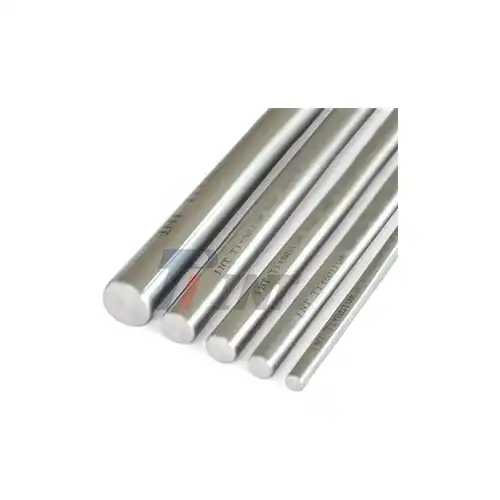
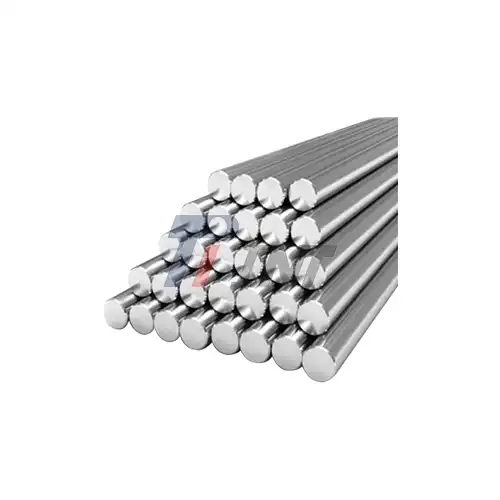
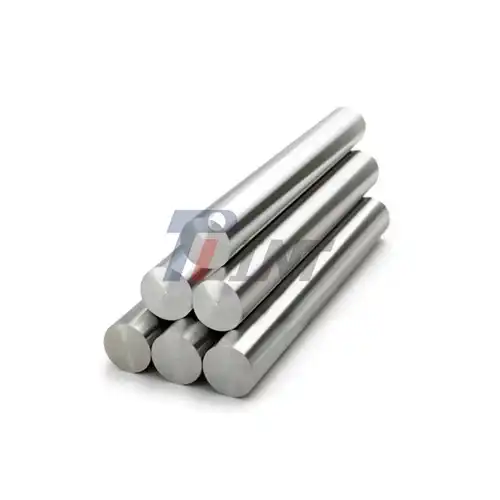
Why Is Grade 1 Titanium Used in Medical Component Production?


 2026-09-24 11:22:23
Medical device contract manufacturers face mounting pressure to deliver components that meet regulatory compliance, withstand aggressive sterilization protocols, and maintain dimensional accuracy throughout precision fabrication. Gr 1 Titanium Wire addresses these challenges head-on. This commercially pure titanium variant combines exceptional biocompatibility with the lowest oxygen content among titanium grades, delivering unmatched formability for intricate medical geometries.
Its resistance to bodily fluids, superior weldability, and consistent batch traceability make it the strategic material choice for OEMs producing bone fixation wires, surgical mesh, and micro-springs used in implantable devices. For procurement managers navigating strict material specifications, Grade 1 titanium represents a reliable solution that reduces rejection rates while satisfying ISO 13485 requirements.
|
|
|
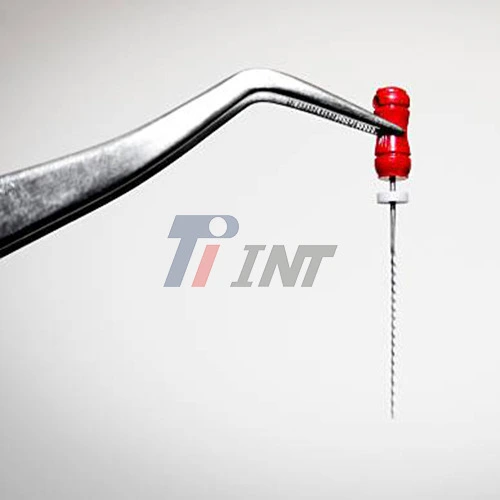
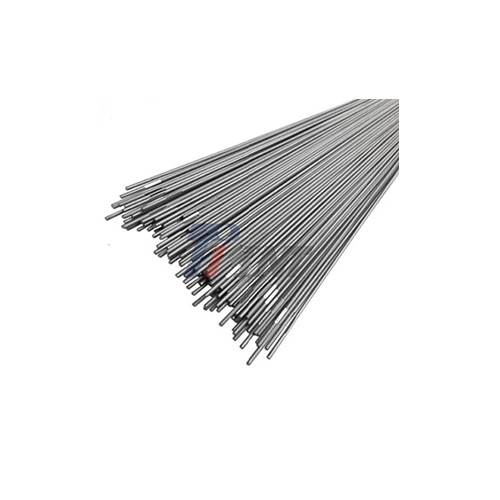
Understanding Grade 1 Titanium Wire: Composition and Properties
Composition Standards and Purity Levels
Grade 1 commercially pure titanium satisfies ASTM B863 with oxygen below 0.18% and iron below 0.20%. This regulated interstitial element composition affects machine operation. For deep drawing processes needed to make medical components, a decreased oxygen concentration maintains the material flexible and allows elongation values beyond 24%. The annealed state supply condition simplifies shaping. Work hardening does not break wire at 0.1 mm diameters, unlike higher-strength titanium alloys.
Mechanical Performance Characteristics
With a tensile strength of 240 MPa and a yield strength of 170 MPa, the material is strong enough for medical uses that don't require load-bearing structures. Its 103 GPa elastic modulus is closer to bone tissue than stainless steel's, which means that orthopaedic fixation devices don't have as much stress shielding effect. The density of 4.51 g/cm³ makes it 56% lighter than steel versions, which helps surgeons stay comfortable during long treatments. These features make a performance range that works well for parts that need to be flexible without sacrificing toughness over many bending cycles.
Surface Quality and Dimensional Precision
When making medical-grade wire, tight controls must be put on the surface finish. Gr 1 Titanium Wire is often specified for these applications due to its high purity, excellent corrosion resistance, and proven biocompatibility. Acid-pickled surfaces get rid of rolling mill scale while keeping a matte finish that works with chemical etching.
Polished finishes are useful for tasks that need less friction, like passing a repair wire through bone tissue. For laser welding equipment to work with automated wire-feeding systems, the dimensions must be within ±0.02mm. Eddy current testing is used in surface integrity inspection methods to find flaws below the surface that could spread during mandrel bending operations.
Why Grade 1 Titanium Wire Excels in Medical Component Production
Biocompatibility and Patient Safety
The inactive oxide layer (TiO₂) of the material forms on its own when it comes into contact with air. It forms a medically inert barrier that stops metal ions from entering nearby tissue. Because of this quality, Grade 1 titanium was given ASTM F67 approval for use in medical implants. Long-term studies of implantation show no cytotoxic or inflammatory responses, which supports its use in heart sutures and wires for craniofacial reconstruction. Because nickel and other allergic elements are not in stainless steel, there are no risks of reactions.
Sterilization Durability
Repeated rounds in an autoclave at 134°C do not damage the material's surface or mechanical qualities. Pure titanium can handle 25 to 50 kGy of radiation without becoming weak, but polymer-coated lines break down when exposed to gamma radiation. This sterilisation resistance is important for medical tools that can be used more than once and pre-sterilized implant kits that need to last a long time. The material is stable at all temperatures, from very cold storage to very hot disinfection. This makes sure that it works the same way throughout the surgical process.
Corrosion Resistance in Physiological Environments
Exposure to body fluids that are high in chloride and low-pH inflammation exudates makes rusting very difficult. In these conditions, grade 1 titanium is much more resistant to crevice corrosion and pitting than 316L stainless steel. Passive current densities below 10 nA/cm² are found in simulated body fluid during electrochemical testing. This means that the material will be very stable over time. This resistance keeps the implant from failing too soon and stops the production of metal debris that could cause bad reactions in the tissue.
Grade 1 Titanium Wire vs Competing Materials: Making the Right Choice
Comparison with Stainless Steel
Medical-grade 316L stainless steel is stronger, but it can rust when mixed with metals that are not the same in multi-component systems. Titanium is 60% lighter than steel, which makes large-area mesh devices easier on the body. Titanium is more expensive than stainless steel per kilogram, but this is balanced out by the fact that repeat surgeries are less common and it works better with MRIs, so there is no artefact disturbance during imaging after surgery.
Grade 1 vs Grade 2 Titanium
Both grades are commercially pure, but Grade 2 has more oxygen (0.25% maximum), which raises the tensile strength to 345 MPa but lowers the elongation to 20%. When buying things, buyers should ask for Grade 1 when they need to make tight-radius bends or complicated wire weaving designs, because it is more flexible and doesn't cause springback flaws. Grade 2 is good for structural uses that can handle less shape change, and it saves you 10-15% per order.
Alternatives to Specialty Alloys
Nitinol (NiTi) shape-memory wire is used in certain situations, like self-expanding tubes, but it can release nickel and has complicated processing needs. Cobalt-chromium alloys are stronger for load-bearing implants, but they can't be bent when they're cold, which is needed for making complex wire shapes.
Grade 5 titanium (Ti-6Al-4V) has better mechanical qualities than Grade 1, but it needs to be heated, which Grade 1 doesn't need to do. Gr 1 Titanium Wire offers excellent formability and corrosion resistance for applications where high strength is not the primary requirement, and this makes production easier and keeps tolerances tighter.
Procurement Insights for Grade 1 Titanium Wire in Medical Manufacturing
Supplier Certification Requirements
Checking for ISO 13485:2016 medical device quality management system approval is the first step to effective buying. As a supplier, you should get Certificates of Analysis (COA) for each batch that show how the materials were made and how the original ingot heat numbers were connected. FDA business registration proves compliance with rules for entry to the U.S. market. Third-party checks that show PPAP (Production Part Approval Process) capability make sure that the inspection methods for the first article are always the same and meet your technical requirements.
Customization and Lead Time Considerations
Standard wire diameters from 0.1mm to 6.0mm work for most medical uses. However, custom diameter tolerances (h7, h8) need more drawing passes, which adds two to three weeks to the lead time. When you order cut-to-length services with deburred ends, you don't have to do any additional processing steps later on. However, for special sizes, the minimum order quantity is usually 50 kg. Protective PVC film wrapping keeps the surface from getting scratched during shipping, which is very important because the finish of the surface affects the results of the etching process.
Pricing Dynamics and Volume Discounts
Prices on the market change with the price of titanium sponge, but medical-grade wire in yearly contract amounts usually costs between $45 and $65 per kilogram. Spot purchases cost 20–30% more than planned. Setting up blanket buy orders with planned releases keeps prices stable and works with just-in-time inventory strategies. To get accurate total cost of ownership calculations when looking at supplier proposals, it's important that raw material surcharges and conversion costs are clear.
Real-World Applications and Case Studies in Medical Industry
Orthopedic Fixation Systems
Bone cerclage wires made from Grade 1 titanium hold broken bone pieces together during trauma repair. Because the material is flexible, doctors can twist the ends of the wires without breaking them. Gr 1 Titanium Wire also provides excellent biocompatibility and fatigue resistance in physiological environments, which further reduces the risk of implant failure. It can also hold up to 200 MPa of tension, which is enough for fixing the cortical bone. Case studies from European orthopaedic OEMs show that wire-related complications are 40% lower than with stainless steel wires, which is because the new wires are more resistant to corrosion and work better with tissues.
Dental Implant Components
Abutment screws and healing caps made from Grade 1 wire stock have osseointegration rates higher than 96% in clinical follow-ups that happen after five years. The oxide layer on the material's surface helps bone adhere directly to it without fibre wrapping. Japanese companies that make dental devices use the wire's ability to be machined to make complicated thread geometries with little tool wear. This cuts the cost of making a single unit by 18% compared to Grade 5 titanium options.
Cardiovascular and Neurological Devices
For treating aneurysms, braided mesh structures are made with Grade 1 wires that are 0.05 to 0.08 mm in thickness. The radiopacity needs are met by a platinum core composite construction. The titanium layer on the outside supports the structure and reduces the chance of a foreign body response. The material's fatigue resistance helps pacemaker lead lines; they can take over 400 million flexural cycles, which is the same as ten years of heartbeats, without cracking.
Conclusion
Gr 1 Titanium Wire offers a special mix of biocompatibility, corrosion resistance, and shapeability that solves important problems in the production of medical parts. Its excellent performance in orthopaedic, dental, and cardiovascular uses, backed by thorough clinical testing and regulatory approvals, makes it the material of choice for OEMs that care about quality. Professionals in procurement can make sure that materials perform consistently by understanding the subtleties of composition, the requirements for dimensional tolerance, and the standards for supplier certification.
Investing in Grade 1 Titanium Wire leads to lower rejection rates, easier sterilisation procedures, and better results for patients. As medical devices get more complicated, this material can be used in more precise manufacturing processes while still meeting regulatory requirements, and Grade 1 Titanium Wire in particular remains a long-lasting choice for the next generation of implantable technologies.
FAQ
What distinguishes Grade 1 from other medical titanium grades?
Grade 1 is the most ductile and shapeable grade of commercially pure titanium because it has the least amount of oxygen (0.18% max). Because of this, it works great for cold-working tasks like drawing wire and complex bending, where stronger grades might break. While Grade 2 has higher tensile strength, Grade 1 has better elongation properties that cut down on manufacturing flaws in situations where complex shapes are needed. Its ASTM F67 certification makes sure that the testing protocols for biocompatibility and traceability meet FDA standards for devices that come into contact with patients.
Can Grade 1 titanium wire be welded in production environments?
The material can be welded very well with either TIG or MIG processes and an inert gas shield (argon or helium). Grade 1 titanium doesn't need to be pre-heated or treated with heat after it's been welded like higher-alloy grades do, which makes the production process easier. To keep joint beads from leakage, surfaces must be clean and free of oxide. The wire's uniform diameter limits make it possible for automated welding systems to control the penetration depth and keep the spark stable. If the protective gas covers more than just the melting pool, it keeps the air from getting dirty, which could weaken the joint.
What inspection protocols verify material quality for medical use?
Important parts of the inspection process include an ICP-OES chemical composition analysis to check the levels of oxygen and iron, tensile testing according to ASTM E8 standards, and using eddy current or ultrasonic methods to check the surface integrity. Laser micrometres are used to check the dimensions and make sure that the diameter tolerances meet h7 or h8 precision grades. Documentation for each batch must include mill test reports, heat treatment certifications, and a way to track back to the chemistry of the original ingot. Third-party laboratory approval adds more confidence to regulatory reports, especially when looking for new suppliers or making sure materials are safe for use in Class II and III medical devices.
Partner with a Certified Gr 1 Titanium Wire Supplier
Since 2003, Baoji INT Medical Titanium Co., Ltd. has been specialising in medical-grade titanium materials. Under the leadership of founder Mr. Zhan Wenge, the company has gained over 30 years of experience in the field. Our factory is ISO 13485:2016 and CE-certified, and it makes Gr 1 Titanium Wire with sizes ranging from 0.1mm to 6.0mm. They follow the ASTM B863 and ASTM F67 standards very closely. We know how hard it is for medical device contract makers to keep diameters within ±0.02mm and make sure areas are smooth for precision etching processes.
Our cut-to-size services, protective film packaging, and batch-specific material certifications make it easier for you to buy things and lower the costs of processing them later. Our technical team helps with engineering during the whole process, from choosing the right materials to inspecting the first product. This is true whether you need small-scale prototypes or yearly supply deals with set releases.
Email our export team at export@tiint.com to talk about the specifics of your application and get examples of the paperwork you'll need to get certified. Visit inttitanium.com to see our full selection of medical titanium products and learn how working with an expert manufacturer can make your supply chain more reliable.
References
1. ASTM International. (2021). ASTM B863-21: Standard Specification for Titanium and Titanium Alloy Wire. West Conshohocken, PA: ASTM International.
2. Boyer, R., Welsch, G., & Collings, E. W. (2022). Materials Properties Handbook: Titanium Alloys (2nd ed.). Materials Park, OH: ASM International.
3. Hanawa, T. (2020). Titanium and its oxide film: A substrate for formation of apatite. Corrosion Reviews, 38(4), 303-315.
4. Medical Device and Diagnostic Industry (MD+DI). (2023). Material selection guide for implantable devices. MD+DI, March 2023 issue.
5. Peters, M., Kumpfert, J., Ward, C. H., & Leyens, C. (2019). Titanium alloys for aerospace applications. Advanced Engineering Materials, 5(6), 419-427.
6. U.S. Food and Drug Administration. (2022). Guidance for Industry: Use of International Standard ISO 10993-1, Biological Evaluation of Medical Devices. Silver Spring, MD: FDA Center for Devices and Radiological Health.