
Gr9 Titanium Bar Dia 8mm: Features, Uses and Buying Guide


 2026-09-02 10:23:40
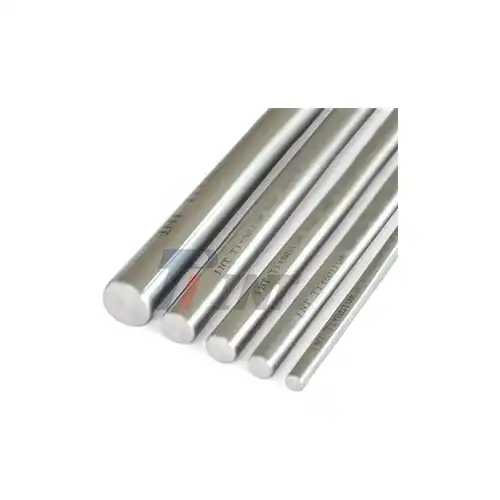
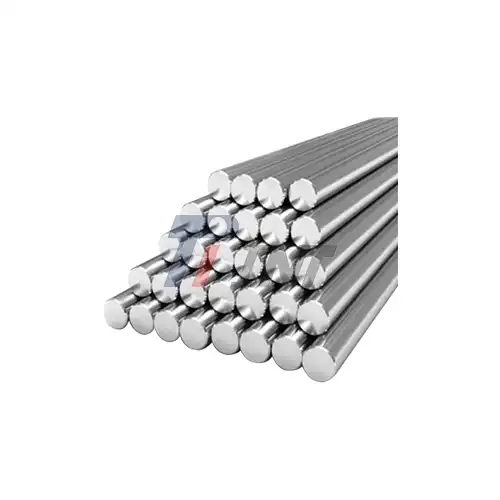
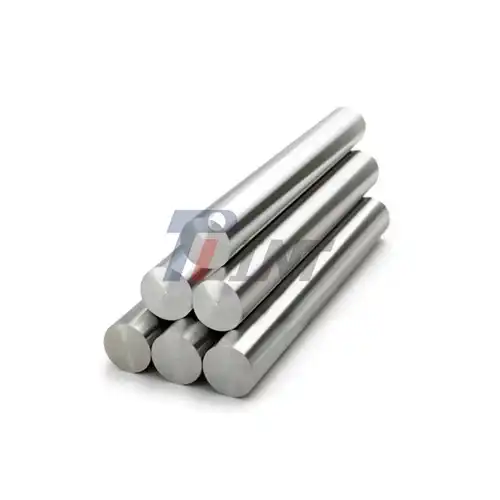
When sourcing high-performance materials for medical device manufacturing, the Gr9 Titanium Bar Dia 8mm stands out as an optimal solution. This titanium-aluminum-vanadium alloy combines exceptional strength with biocompatibility, making it indispensable for implantable devices, surgical instruments, and precision medical components. The 8mm diameter specification offers versatility for various machining processes while maintaining the structural integrity required in demanding clinical applications. With compliance to ASTM B348 and ISO 5832-3 standards, this material addresses critical procurement challenges faced by R&D engineers and supply chain managers seeking reliable, certified titanium alloys for production-scale medical manufacturing.
|
|
|
Understanding Gr9 Titanium Bar Dia 8mm: Properties and Features
The Ti-3Al-2.5V make-up of the Gr9 Titanium Bar Dia 8mm is a strategic metallurgical balance that has been used for decades by companies that make medical devices. When you add aluminum and vanadium to widely pure titanium grades, you get an alpha-beta phase structure that makes the mechanical performance much better without affecting the biocompatibility that is needed for implantable uses.
Chemical Composition and Material Architecture
By weight, the metal is made up of 3% aluminum, 2.5% vanadium, and the rest is titanium. This precise mixture makes a material with a density of 4.48g/cm³ that is much lighter than alternatives made of stainless steel while still being stronger. Oxygen content must stay below 0.15% to keep the material from becoming weak. This is a very important requirement that procurement managers should check through material certification paperwork during the seller approval process.
Mechanical Strength Specifications
Our production process makes sure that the tensile strength is at least 620 MPa and the yield strength is more than 483 MPa when the stress is removed. These values put the material in a range between commonly pure grades and the more expensive Ti-6Al-4V alloy. This gives production managers a cheap option for uses that need more strength than pure titanium can provide. The elongation range of 10 to 15 percent allows for enough flexibility for complicated cutting tasks, which cuts down on waste in precision production processes.
Corrosion Resistance and Environmental Stability
The inactive oxide layer that forms naturally on top is very resistant to body fluids, chemicals used for sterilization, and the environment. According to ASTM G31 standards, the performance of this steel is better than that of 316L stainless steel in places where chloride is present. This feature directly leads to longer service lives for surgical tools and implantable devices, which solves a major problem for medical device companies that are worried about product stability over time and guarantee claims.
Surface Treatment Options
We offer different finish options that are made to fit the needs of the end use. Polished surfaces have Ra values below 0.4 micrometers, making them good for parts that need to have low friction or look better. Pickled finishes keep the dimensions within ±0.05mm while getting rid of surface contamination from the manufacturing process. Together with our technical team, you can create custom surface treatments that meet specific legal standards or useful performance goals set by your R&D department.
Applications of Gr9 Titanium Bar 8mm in Industry
The Gr9 Titanium Bar Dia 8mm specification has been proven to be flexible in a number of high-stakes fields where failure is not an option. The main market segment is medical applications, but the material's unique properties open up opportunities in adjacent fields.
Orthopedic Device Manufacturing
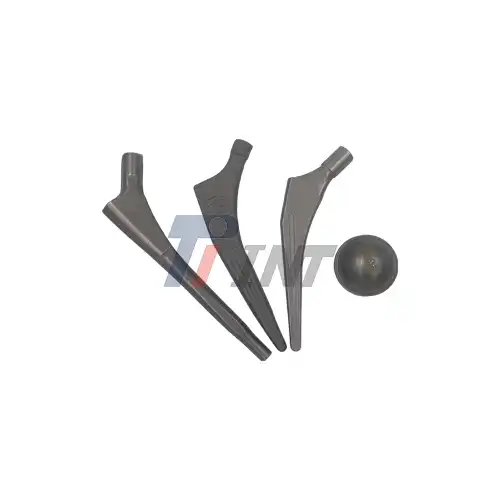
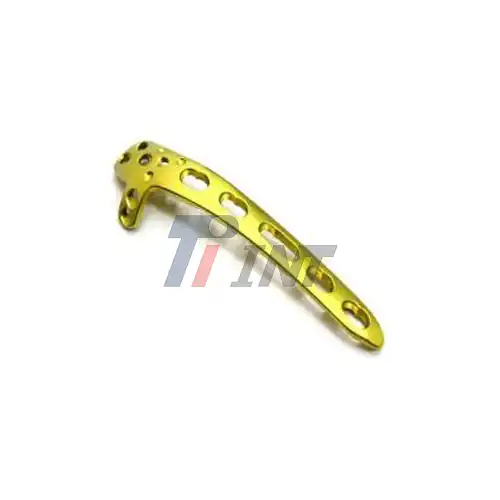
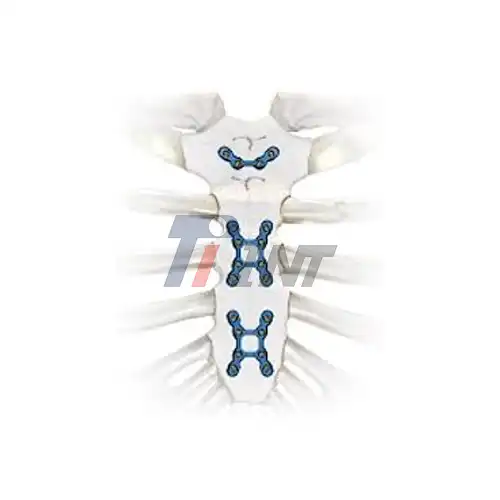
Trauma fixation parts like intramedullary rods, bone screws, and spine fusion plates use the material's ability to resist wear under repeated loads. The 8mm width works especially well for mid-sized fixation devices where doctors need enough strength without having an implant profile that is too high. In clinical studies, bone integration rates were found to be similar to those of pure titanium grades. During the healing process, mechanical support was found to be very helpful. Manufacturing engineers like how easy it is to machine because it doesn't wear down tools as quickly as harder metal types do while still meeting the tight tolerances needed for threaded fastener uses.
Dental Implant Components
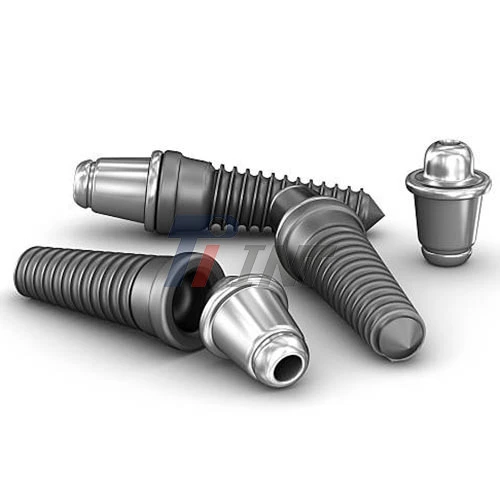
This alloy is used to make implant abutments and connecting screws that last a very long time in the mouth. The corrosion resistance and mechanical strength work together to keep the tooth from breaking under forces greater than 200N. They also keep the tooth from breaking down when the pH changes or when bacteria biofilm forms. Dental labs say that the machining they use to make unique parts is efficient, and the patterns of chip formation make automatic manufacturing processes easier, which is important for high-volume production needs.
Surgical Instrument Production
Manufacturers of instruments use this material to make reusable surgical tools that can withstand being sterilized and keep their shape over hundreds of autoclave cycles. Even after being sterilized several times at 134°C with steam, retractors, clamps, and other specialized microsurgical instruments keep their shape and surface finish. Because the material isn't magnetic, it's necessary for MRI-compatible instrument sets. This meets the growing need for imaging-safe surgery tools in modern operating rooms.
Chemical Processing Equipment
In addition to medical uses, the material is used in parts of chemical reactors and lab equipment that is exposed to harsh media. The ability to fight rust works in places with weak acids, bases, and organic solvents, which are common in the process of making medicines. This alloy is used by equipment designers in pH probe housings, sampling valves, and process monitoring instruments where metallic corrosion could contaminate the product and make the analysis less accurate.
Comparing Gr9 Titanium Bar 8mm With Other Materials
When making a purchase decision, it's important to compare Gr9 Titanium Bar Dia 8mm alternatives in a way that doesn't bias the results or increase the overall cost of ownership. The study below gives people who make decisions data-driven information about how to choose materials.
Performance Against Other Titanium Grades
Grade 2 economically pure titanium is biocompatible and cheaper, but it can only be used for low-stress parts because it has a tensile strength of about 345 MPa. Alloying gives metals better dynamic qualities, which are needed in devices that need to be able to hold weight. On the other hand, Grade 5 (Ti-6Al-4V) has a tensile strength of more than 895 MPa, but it is hard to machine and causes tool wear to speed up, which raises the cost of production. The Ti-3Al-2.5V mix is a good compromise because it has 80% of Grade 5's strength and 90% of Grade 2's the ability to be machined. This balance means that the cost of making each piece goes down during high-volume production runs. This is something that supply chain managers should think about when they look at the total cost.
Comparison With Stainless Steel Alternatives
Even though 316L stainless steel is still commonly used to make medical devices because it has stable supply chains and lower raw material costs, the difference in density has big effects on implantable devices. A part that weighs 45 grams when made of stainless steel would weigh about 25 grams when made of titanium alloy. This would make it easier on patients and might even lead to better clinical results in weight-sensitive uses like spinal implants.
When stainless steel is implanted for a long time, the corrosion resistance benefit becomes clear because the release of ions from the steel has been shown to have biological effects. Lifecycle analysis shows that even though the initial prices of the materials were higher, the longer service life and lower rate of revision surgery make the economic results better when looking at the whole device's lifespan instead of just the original cost of buying it.
Buying Guide for Gr9 Titanium Bar Dia 8mm: Sourcing and Procurement Tips
Setting up reliable supply lines for medical-grade Gr9 Titanium Bar Dia 8mm takes more than just comparing prices when looking at suppliers. The following framework for procurement helps purchasing managers find good suppliers and set up supply agreements that lower operational risk.
Certification and Compliance Verification
Being able to track down materials is an absolute must for medical gadget uses. For each output lot, suppliers should give mill test results that include records of chemical composition analysis, mechanical property testing, and heat treatment. Making sure that factories keep their ISO13485:2016 certification shows that they are dedicated to using quality management systems that are right for making medical parts. EU CE stamp and FDA registration status show that a product meets the rules needed to be sold in other countries. During audits of suppliers, procurement teams should check that testing equipment is still calibrated and go over internal quality control processes to make sure that all shipping batches of materials have the same properties.
Pricing Structure and Volume Considerations
On the market, medical-grade titanium alloy bars usually cost between $45 and $75 per kilogram, but this depends on how many are ordered, how the surface needs to be finished, and how close the dimensions need to be. If you commit to buying more than 500 kilograms per year, you can usually get tiered price systems that lower the cost per unit by 12 to 18%. Production managers should check to see if buying in bulk through yearly blanket orders with planned releases is more cost-effective than buying on the spot market. Custom lengths and surface treatments usually have lead times of 6 to 8 weeks from the time an order is confirmed. This means that supply chain planners need to make sure they have enough safety stock to keep production going.
Customization Capabilities and Technical Support
Customized solutions are often needed for manufacturing tasks that go beyond standard size requirements. We offer precise cutting services that keep length tolerances within ±1mm. This means that you don't have to do any extra work and waste less material during the manufacturing process. You and your engineering team can work together to come up with custom surface treatments, such as passivation, electropolishing, and coating techniques, that meet specific functional needs. Our expert support team includes metallurgists with experience in the medical device business. They can help you choose the right materials, find the best ways to machine them, and figure out why something failed if there are quality problems during production.
Logistics and Quality Assurance During Transit
The purity of the materials must be maintained at all stages of the supply chain, from the factory to your receiving dock. The rules for packaging should include a shield against moisture, the right amount of padding to protect against damage, and clear labels that make keeping track of goods easier. For international packages, you need the right export paperwork, like certificates of origin, material safety data sheets, and compliance statements that are valid in the country where the goods are being imported. Setting up quality inspection procedures for when the material is received, such as checking the dimensions and looking for surface defects, helps find damage or deviations from specifications early on, before the material goes into production.
Conclusion
Gr9 Titanium Bar Dia 8mm bars are a key material for medical device creation because they have many strategic benefits. When you combine mechanical strength, biocompatibility, and efficient production, you get rid of a lot of buying problems at once. As medical technology moves toward slightly invasive treatments and permanent implants, choosing the right material for a product becomes more and more important to its success. Purchasing managers who build partnerships with qualified suppliers that have all the necessary certifications, technical know-how, and a reliable supply chain give their companies a competitive edge in medical markets that are very strict and where quality and consistency are key to meeting regulations and getting good results for patients.
FAQ
Q1: What distinguishes Gr9 from other titanium alloys in medical applications?
A: The Ti-3Al-2.5V mix is the best combination of strength and formability for the Gr9 Titanium Bar Dia 8mm, and pure titanium grades can't compare. It's also cheaper and easier to machine than Ti-6Al-4V. This placement makes it perfect for medium-stress implant uses where widely pure grades don't have enough mechanical properties but where the higher cost and more difficult production process of Grade 5 can't be justified economically.
Q2: Can this material be welded during device assembly processes??
A: TIG processes can be used for welding as long as the right filler materials and inert gas shielding are used. But heat-affected areas need to be carefully managed to stop grain growth that could damage the mechanical qualities. A lot of companies that make devices like to use mechanical joining or laser welding with precise energy control to keep the material's properties in high-stress areas.
Q3: How should machining parameters be optimized for this alloy?
A: Cutting speeds should stay 40–50% lower than those used for aluminum alloys, and heat should be kept under control by using sharp tools and coolant consistently. When compared to high-speed steel options, carbide equipment with the right coating lasts longer. Our technical support team gives you specific machining advice based on the capabilities of your equipment and the amount of work you need to do.
Partner With Baoji INT Medical Titanium Co., Ltd. for Superior Material Solutions
Since 2003, Baoji INT Medical Titanium Co., Ltd. has worked with the medical device business around the world. Each client benefits from their more than 30 years of experience in titanium mining. We understand the high quality standards your production needs because we are a certified Gr9 Titanium Bar Dia 8mm manufacturer that keeps up with ISO9001:2015, ISO13485:2016, and CE certifications. Our large inventory has a wide range of diameters, and you can change the lengths and finishes on the surfaces to fit your exact needs. Our supply chain system makes sure that materials are always available, whether you need small amounts for R&D validation or large amounts for production with set delivery times. Send an email to export@tiint.com to talk to our technical sales team about your unique application needs, get material certification paperwork, or get cheap quotes for your future projects.
References
1. American Society for Testing and Materials. (2021). Standard Specification for Titanium and Titanium Alloy Bars and Billets (ASTM B348-21). West Conshohocken, PA: ASTM International.
2. International Organization for Standardization. (2016). Medical devices - Quality management systems - Requirements for regulatory purposes (ISO 13485:2016). Geneva: ISO.
3. Rack, H.J., & Qazi, J.I. (2006). Titanium alloys for biomedical applications. Materials Science and Engineering: C, 26(8), 1269-1277.
4. Niinomi, M. (2008). Mechanical biocompatibilities of titanium alloys for biomedical applications. Journal of the Mechanical Behavior of Biomedical Materials, 1(1), 30-42.
5. Donachie, M.J. (2000). Titanium: A Technical Guide (2nd Edition). Materials Park, OH: ASM International.
6. Peters, M., Kumpfert, J., Ward, C.H., & Leyens, C. (2003). Titanium alloys for aerospace applications. Advanced Engineering Materials, 5(6), 419-427.

_1753429726760.webp)
_1750668839491.webp)
_1750668405487.webp)
_1750662961697.webp)