
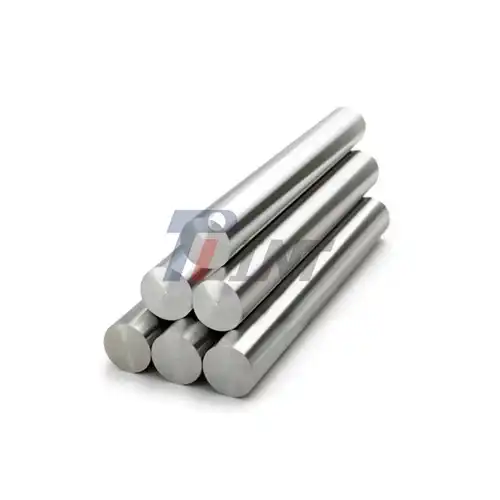
Top Factors When Choosing Titanium Bar Manufacturers


 2026-09-02 10:22:20
When sourcing high-performance materials for medical device production, selecting the right partner is more than a purchasing decision—it's a commitment to patient safety and product excellence. Manufacturers of implantable devices, surgical instruments, and dental components increasingly prioritize titanium bar dental implants and related raw materials due to their unmatched biocompatibility and mechanical reliability.
However, navigating the global supplier landscape presents challenges: verifying certifications, ensuring consistent quality, and securing timely delivery require careful evaluation. This guide walks procurement professionals through essential criteria for choosing titanium bar manufacturers, helping you build partnerships that deliver both immediate value and long-term confidence in your supply chain.
|
|
|
Understanding Titanium Bar Dental Implants and Their Market Significance
What Makes Titanium the Material of Choice
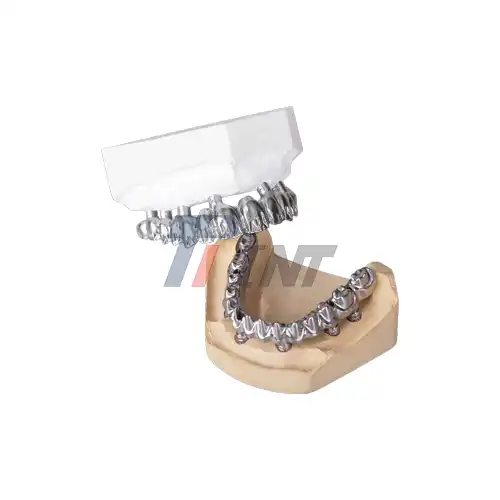
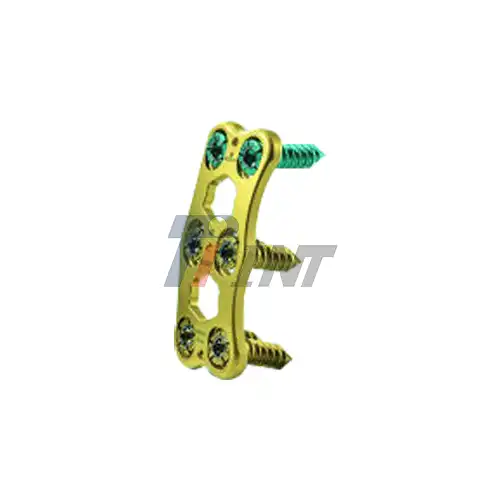
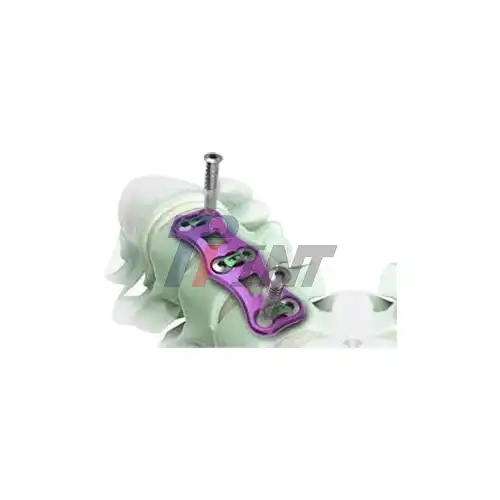
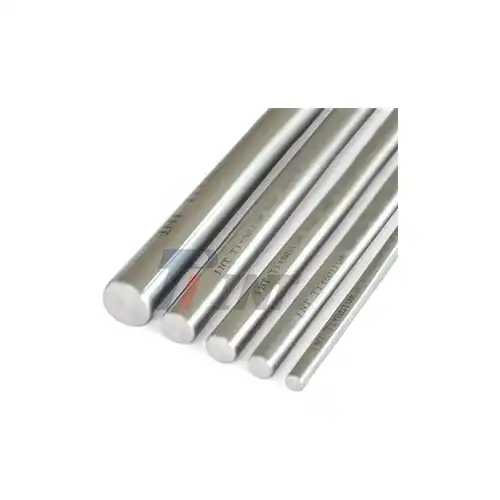
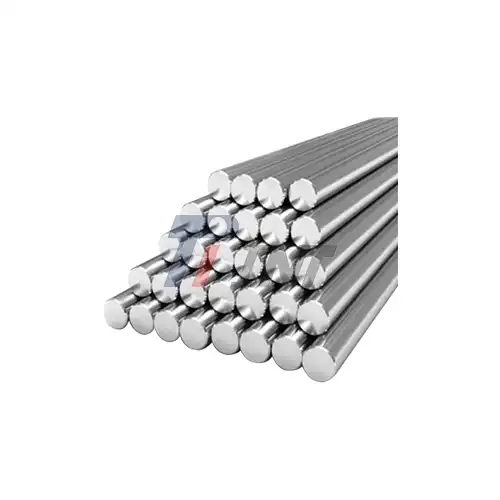
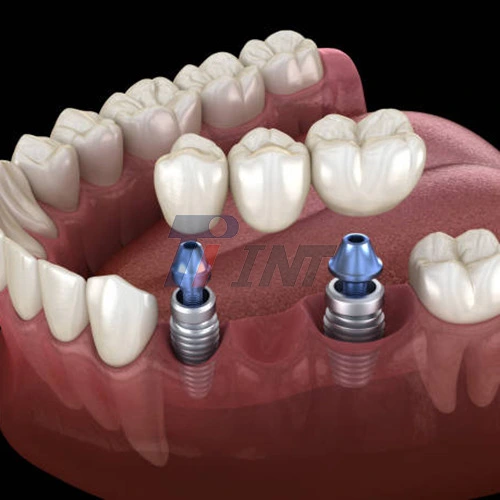
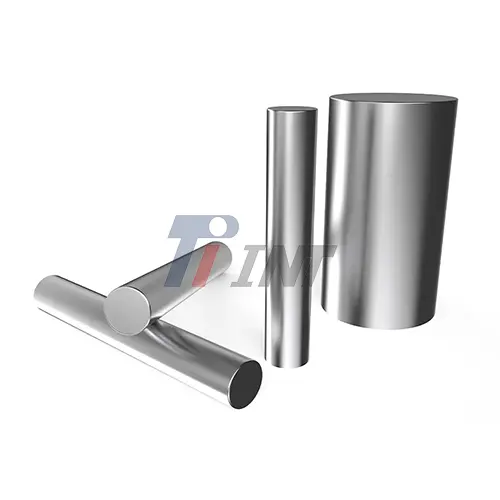
Titanium bar dental implants are semi-finished mill products that are designed to be used in CAD/CAM milling processes to make dental prostheses and implant parts. These mill products come in the form of rods, disks, or blocks. Medical-grade titanium is different from regular cobalt-chrome or nickel-chromium metals because it doesn't cause allergic reactions, doesn't change the color of the gums, and has better osseointegration. This bio-inert material forms a direct link with bone tissue as it heals. This keeps the implant stable over time and lowers the risk of rejection.
You can choose from Ti-6Al-4V (Grade 5) and Ti-6Al-4V ELI (Grade 23), which are the two grades that are used the most. Grade 5 has a lot of strength and doesn't rust, so it's good for tough jobs. Grade 23 is more pure, so it's better for medical settings where fatigue resistance and tissue compatibility are very important. Both grades keep their shape in the wet, chemically changing environment of the mouth, and they can handle repeated stress without losing their effectiveness.
Global Market Dynamics and Technological Advances
As more businesses in the dental and orthopedic fields switch to digital processes, the need for accurate titanium products keeps going up. With CAD/CAM technology, manufacturers can make very accurate implant superstructures that are made just for each patient. This cuts down on chair time and improves clinical outcomes. New surface treatments, like sandblasting and acid-etching, make it easier for bones to attach, meeting the changing needs of clinics and labs around the world. When procurement teams are aware of these trends, they can use cutting-edge solutions to make their companies better at both making products and staying competitive.
Top Criteria for Evaluating Titanium Bar Manufacturers
Regulatory Compliance and Material Traceability
Standards for certification are the basis for judging a supplier. ISO 9001:2015 makes sure that quality management is always the same, and ISO 13485:2016 is all about medical device requirements, including controls for design, risk management, and how to keep records. EU CE marking shows that the product meets safety standards, and FDA compliance (if needed) shows that the product is ready for the U.S. market. These certifications aren't just pieces of paper; they're part of audited systems that can track every batch from where the raw materials came from to the final review. This keeps your company safe from legal problems and product recalls.
When it comes to implantable devices, being able to track down materials is even more important. For each production lot, manufacturers should give mill certificates that list the chemical make-up, mechanical properties, and heat treatment history. This paperwork lets you check that the product meets ASTM F136 (specifications for surgical implants) or similar standards, which makes sure that the material works the way you need it to—and this is especially critical for titanium bar dental implants, where precise material validation directly affects osseointegration and long-term clinical success.
Manufacturing Capabilities and Customization Flexibility
Advanced production technology has a direct effect on the quality of the titanium products you get and how they can be used. Impurities that could hurt biocompatibility are removed by vacuum melting, and the structure of the grains is controlled during precision forging and rolling to get the best strength and fatigue resistance. Manufacturers with more than one extrusion line can meet a wide range of needs, from making small-diameter wires for orthodontic use to big-diameter rods for making joint prostheses.
Device makers and OEM providers care a lot about being able to customize their products. Can the provider change the mechanical qualities by using certain types of heat treatments? Do they offer different ways to finish the surface, such as centerless grinding or electropolishing? If a manufacturer offers customized solutions, you can make the most of the material's properties for your specific surgical needs. This is true whether you're making dental abutments that need to be very precise or orthopedic plates that need to be more flexible so they can be shaped during surgery.
Technical Support and Quality Assurance
The best manufacturers do more than just offer raw materials; they also act as expert partners. Their application engineers should know how you make things and what you need them for in the end. They should also be able to help you choose materials, set up machines, and make sure the quality is good. This knowledge comes in very handy when trying to fix problems or look for ways to make new products.
All parts of the supply chain are covered by comprehensive quality assurance. Spectral analysis, tensile testing, and microstructure evaluation are some of the incoming inspection tools that make sure materials meet specifications before they go into production. Some sellers offer checking of samples before they are shipped, which lets you confirm the properties of the material before placing a large order. This way of working together cuts down on production problems and boosts trust in your supply chain's dependability.
Comparing Leading Titanium Bar Manufacturers: Brands and Supplier Landscape
Distinguishing Manufacturer Types and Business Models
There are a few different types of players in the titanium supply ecosystem. Integrated producers are in charge of the whole value chain, from making sponges to finishing mill goods. They can guaranty quality and have a lot of technical knowledge. Specialized medical-grade processors only work with implant materials and spend money on cleanrooms and better ways to clean things that meet strict biocompatibility standards. Knowing about these differences can help you match the skills of your suppliers with your buying goals.
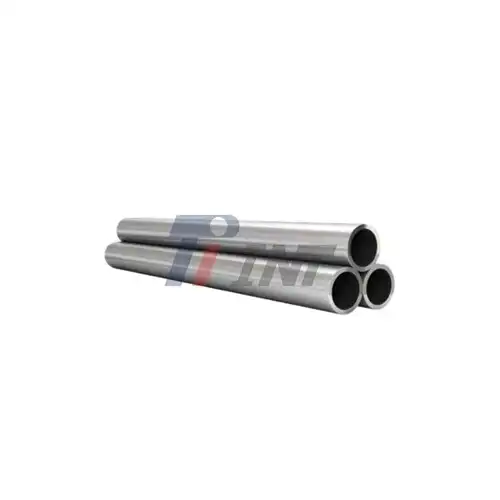
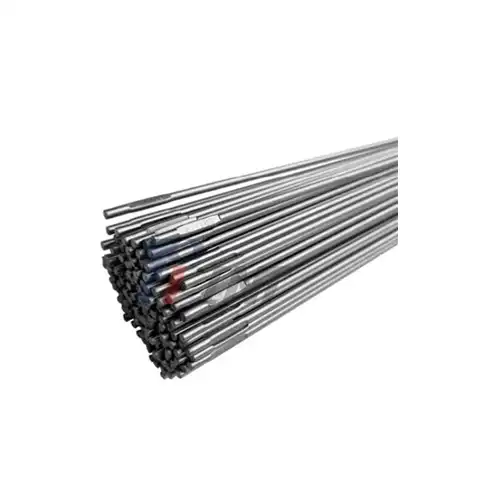
The specialized processor model is shown by Baoji INT Medical Titanium Co., Ltd. We started in 2003 and have more than 30 years of experience in the titanium business. We are experts in medical-grade materials. We focus on research and development (R&D) and production of titanium bars, wires, plates, and forged products with different specifications. This lets us provide consistent quality that is perfect for medical device uses. We've worked with clients for more than ten years, so we know how strict the standards have to be for medical implant materials and how important it is to stick to delivery dates.
Evaluating Supplier Credentials and Market Reputation
Reputation signs give you useful information about how reliable a seller is. How long has the business been in the medical titanium business? Do they keep up with licenses from a number of different regulatory groups in different markets? Testimonials and case studies from clients show how well the company really does in real life when it comes to quality consistency, answering technical questions quickly, and solving problems—and these real-world performance indicators are particularly valuable when sourcing titanium bar dental implants, where material integrity and supplier responsiveness directly impact clinical outcomes.
Being open about how things are made shows suppliers that you trust them and care about quality. Manufacturers who are willing to have facility audits or give detailed process documentation show that they are responsible. To make sure every product meets foreign standards, we've kept putting money into quality control infrastructure, production management systems, and methods for checking equipment. This organized approach to quality achievement is shown by our ISO 9001:2015, ISO 13485:2016, and EU CE certificates.
Key Considerations During the Procurement Process
Aligning Material Specifications with Application Requirements
For different medical uses, different types of materials are needed. For accurate cutting into screws, abutments, and bridgework, dental implant parts usually need Grade 4 or Grade 5 titanium with a smooth surface. Grade 5 titanium is often used in orthopedic applications like joint stems or spinal fixation hardware because it has a higher strength-to-weight ratio and doesn't wear down easily when loaded and unloaded many times. For forceps, scalpels, and retractors that are autoclaved over and over, surgical tool makers may put corrosion resistance and sterilizing compatibility at the top of their list of priorities.
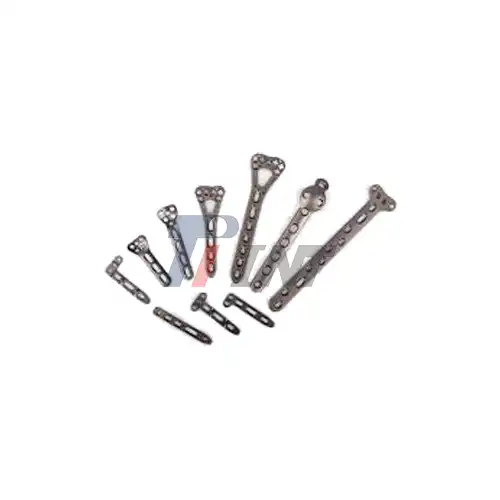
Understanding these subtleties lets you choose information that is right for you. With less interstitial oxygen, Grade 23 Ti-6Al-4V ELI has better flexibility and fracture toughness, which are important qualities for trauma stabilization plates that need to be bent during surgery. Pure titanium types (1-4) are the most biocompatible and are best for uses where strength isn't very important but there is a lot of flesh contact. Talking to suppliers about your specific use cases is a good way to make sure that the properties of the materials meet the needs of clinical performance.
Managing Logistics and Supply Chain Reliability
Scheduling production depends on knowing when materials will be available. Look at how the supplier manages their inventory and how long they promise to deliver items. Can they keep a safety stock of the things you regularly order? Do they offer fast shipping for things that need to be sent quickly? These days, being close geographically is less important than being good at logistics. For example, some foreign makers offer more reliable delivery than domestic suppliers who don't have strong planning systems.
Order freedom lets production needs change as needed. Minimum order amounts should match how much you use without making it too expensive to keep supplies on hand. Some suppliers offer vendor-managed inventory programs or blanket purchase orders with scheduled releases. These options help with cash flow and make sure that materials are always available. We set up our supply chain so that it can handle both large production runs and smaller study amounts. This is because we know that the prototyping and clinical trial phases of medical device development often need to be flexible.
Post-Sale Service and Technical Assistance
The relationship goes beyond just giving things. Your quality management system and regulatory entries are backed up by a lot of paperwork, like material certificates, test results, and handling suggestions. Quick technical support answers questions about machining parameters, how materials behave, or how to interpret specifications, which keeps production delays to a minimum.
Training materials help your team do their best on the job. Giving advice on the best cutting speeds, tools, and surface preparation methods lowers the amount of waste and raises the efficiency of machining. Some manufacturers give you application notes that list the best ways to use certain kinds of devices. Beyond the cost of the materials, this knowledge sharing adds a lot of value to your company and makes it more competitive.
Minimizing Risks and Ensuring Long-Term Value
Identifying Common Procurement Pitfalls
Several risks threaten the integrity of the supply chain when medical titanium is bought. Material substitution, in which suppliers give lower-grade metals that are passed off as medical grade, can cause devices to fail, which can have dangerous effects on patients. Not having enough licensing paperwork can lead to regulatory compliance gaps that might not be found until audits or inspections happen. Material traits that aren't the same from batch to batch make it harder to control the manufacturing process, which leads to more waste and quality problems.
It's very easy for counterfeit materials to be a threat. Some dishonest sellers change mill certificates or lie about where materials come from to get buyers who are only interested in price. It looks like you're saving money, but that's not the case when bad material performance leads to production problems or, worse, failures in the field that put patients at risk.
These problems can be avoided by carefully checking out suppliers and regularly checking the quality of the work—and this rigorous verification is especially critical for titanium bar dental implants, where any compromise in material authenticity can directly jeopardize implant stability and patient safety.
Implementing Best Practices for Supplier Management
Strong procurement protocols lower the risks in the supply chain. Before you give contracts to suppliers, you should do full audits of their factories, quality systems, and technical skills. Instead of depending only on copies that sellers give you, check certifications directly with the organizations that issued them. Set up processes for inspecting arriving materials that test representative samples from each lot to make sure they meet standards for chemical composition and mechanical properties.
Legal rights in contracts make standards clear and assign duties. In-depth specs should spell out the ranges of acceptable material properties, the testing methods that can be used, and the paperwork that needs to be produced. Warranty clauses spell out what to do if the materials don't meet standards, and responsibility terms talk about what will happen if the quality fails. These agreements look out for the interests of both sides and set up clear ways for people to talk about problems.
Long-term gains come from having open, cooperative relationships with key providers. Talking about quality measures, service performance, and changes in the market during regular business reviews helps everyone understand each other better. Sharing production forecasts helps suppliers plan better, which could lead to better availability and lower costs. With this partnership method, suppliers go from being transactional to being strategic friends who help your company reach its growth and innovation goals.
Conclusion
There are a lot of things to think about when choosing titanium bar makers, such as meeting regulations, having the right technical skills, making sure the supply chain is reliable, and the cost of the bars. The right supplier relationship includes more than just reasonable prices. It also includes good material quality, technical help, and working together to solve problems that make you more competitive. Medical device companies that take the time to carefully evaluate their suppliers lower their buying risks and get access to materials and skills that help them come up with new products.
Working with skilled titanium experts will make sure that your products meet the high standards that patients and doctors expect, whether you're making parts for titanium bar dental implants, orthopedic hardware, or surgical instruments. Paying close attention to certifications, manufacturing skills, and the image of the provider lets you make smart choices that add value to your product throughout its lifecycle.
FAQ
What factors most significantly impact titanium bar pricing?
Costs of materials are affected by more than just the price of the base metal. The grade of the material affects the price. For example, Ti-6Al-4V ELI costs more than standard Grade 5 because it has to go through more steps to be pure. Custom specs, like non-standard diameters, unique heat treatments, or better surface finishes, make the cost of production go up.
The amount of an order is very important; as production economies kick in, higher quantities usually mean lower prices per unit. Lead time needs are also important, since fast orders may cost more. Among the geographical factors that affect landed costs are shipping distance and import duties. When comparing prices, don't just look at the unit price; also think about the total cost of ownership, which includes things like quality consistency and expert assistance.
How do titanium implants compare with ceramic alternatives for clinical performance?
Titanium implants are known to integrate with bone, and decades of clinical data show that they have long-term success rates of over 95% in the right cases. The moderate elasticity of the material makes it easier for stress to be spread out at the bone interface, which lowers the risk of fracture under functional loading. Because they are white, zirconia ceramic implants look better in the front of the mouth, which could be especially helpful for people with thin gums.
Ceramics, on the other hand, are brittle, which makes them more likely to break, especially in cases of parafunctional habits or implants with a small diameter. Manufacturing flaws in the clay processing process can lead to structural problems that are hard to find before the implant is put in place. Most doctors think of titanium as the best material for predicting outcomes in a wide range of clinical situations.
What documentation should accompany medical-grade titanium material shipments?
Full certification of materials makes sure they can be tracked and follow the rules. Mill test certificates (MTCs) should list the chemicals that were tested using spectral analysis and show that they meet standards such as ASTM F136 or ISO 5832-3. The tensile strength, yield strength, and elongation values from mechanical property tests confirm how well the material works. Heat treatment records show how the processing conditions change the microstructure and qualities of a paper.
Batch tracking information links produced goods to the sources of raw materials, which helps make the supply chain more clear. Material safety data sheets (MSDS) tell you how to handle things safely. Biocompatibility evaluations according to ISO 10993 series standards are one type of extra testing that is needed for some uses. Good suppliers keep these records in a structured way and send full packages with every shipment.
Partner with Baoji INT Medical Titanium Co., Ltd. for Reliable Titanium Bar Supply
People in charge of buying things and researching new ideas who need a reliable source for titanium bar dental implants will find one in Baoji INT Medical Titanium Co., Ltd. We have been experts in medical-grade titanium materials for more than 20 years and offer a wide range of products, such as pure titanium, Ti-6Al-4V, and Ti-6Al-4V ELI in bars, wires, plates, and to your unique needs. Our ISO 9001:2015, ISO 13485:2016, and EU CE certifications show that we are dedicated to quality excellence and following all rules.
Whether you're coming up with new implant designs or increasing production for well-known lines, our technical team can help you succeed by giving you application-specific advice and making sure the quality of the materials stays high. Email us at export@tiint.com to talk about the materials you need, ask for samples, or set up a professional meeting. Visit inttitanium.com to see all of our products and learn how our knowledge of medical titanium can help your supply chain.
References
1. American Society for Testing and Materials. Standard Specification for Wrought Titanium-6Aluminum-4Vanadium ELI (Extra Low Interstitial) Alloy for Surgical Implant Applications (UNS R56401). ASTM F136-13, 2013.
2. International Organization for Standardization. Implants for Surgery — Metallic Materials — Part 3: Wrought Titanium 6-Aluminum 4-Vanadium Alloy. ISO 5832-3:2016.
3. Elias, Carlos Nelson, et al. "Biomedical Applications of Titanium and its Alloys." Journal of Materials Science: Materials in Medicine 59.3 (2008): 46-49.
4. International Organization for Standardization. Medical Devices — Quality Management Systems — Requirements for Regulatory Purposes. ISO 13485:2016.
5. Brunette, Donald M., et al. Titanium in Medicine: Material Science, Surface Science, Engineering, Biological Responses and Medical Applications. Springer, 2001.
6. Rack, H.J., and J.I. Qazi. "Titanium Alloys for Biomedical Applications." Materials Science and Engineering C 26.8 (2006): 1269-1277.