Gr9 Titanium Bar vs Ti6Al4V: Key Differences Explained


 2026-09-11 11:19:21
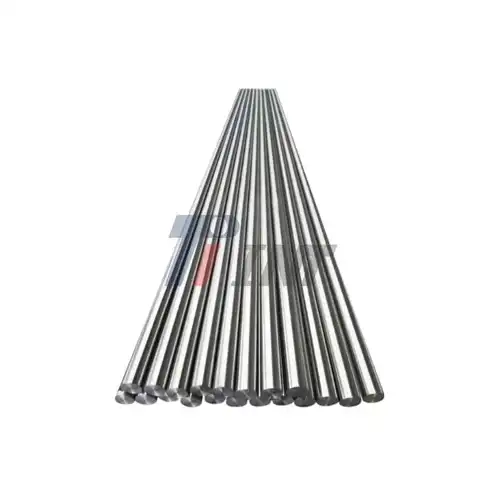
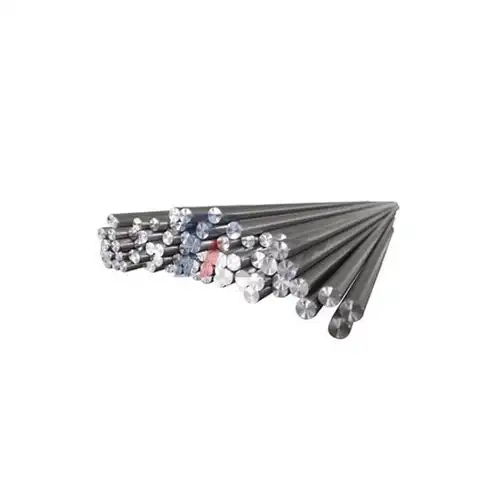
When choosing between titanium alloys for medical device manufacturing, the decision often narrows to two workhorses: Grade 9 titanium (Ti-3Al-2.5V) and Ti6Al4V (Grade 5). Both offer impressive mechanical properties, but Gr9 titanium bar dia 8mm has emerged as the preferred solution for medical manufacturers who need a balance between formability and strength. While Ti6Al4V delivers superior tensile strength at over 895 MPa, Grade 9 provides approximately 620 MPa with significantly better cold-working capabilities, making it ideal for precision medical applications requiring tight dimensional tolerances and complex geometries.
|
|
|


Understanding the Basics of Gr9 Titanium Bar and Ti6Al4V
There are two main groups of alloys in the medical titanium materials market. Each has its own mechanical properties that affect manufacturing choices.
Chemical Composition and Alloy Structure
The industry calls Grade 9 titanium "Half-6-4" because it is a lean alpha-beta alloy made up of only 3% aluminum and 2.5% vanadium. Its low alloying content gives it a density of 4.48 g/cm³ and keeps its good corrosion resistance in biological settings. The structure of the alloy has a balanced distribution of alpha and beta phases, which helps make the mechanical behavior during processing predictable.
The makeup of Ti6Al4V is more aggressive, with 6% aluminum and 4% vanadium. This gives it higher toughness and tensile strength but less flexibility. The extra aluminum makes the alpha phase stronger, and the vanadium keeps the beta phase stable at high temperatures. This makes Ti6Al4V the best material for load-bearing orthopedic implants, but it makes cold-forming more difficult.
Material Properties at a Glance
Knowing the standard differences helps procurement teams match the needs for materials with the output capacity:
Grade 9 (Ti-3Al-2.5V)
- Tensile Strength: at least 620 MPa (CWSR condition)
- Yield Strength: at least 483 MPa
- Elongation: 10 to 15 percent
- Machinability: Fair to good
- Weldability: Excellent without heating first
Ti6Al4V (Grade 5)
- Tensile Strength: at least 895 MPa
- Yield Strength: at least 828 MPa
- Elongation: 10 percent
- Machinability: Machinability is hard, and it makes heat
- Weldability: Good weldability with the right protection
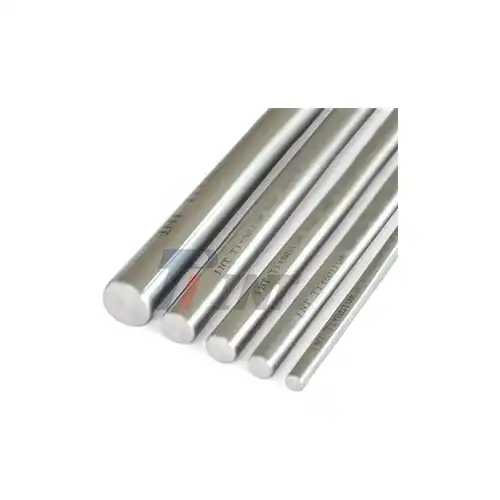
Gr9 Titanium Bar Dia 8mm are the best choice for medical device makers who work with smaller precision parts because they are strong and easy to shape. The smaller cross-section keeps the structure strong and lets complex machining work be done without wearing out the tools too quickly.
Regulatory Compliance and Standards
When properly certified, both alloys meet strict medical-grade standards. For bar stock, Grade 9 titanium meets ASTM B348 standards, and for medical implants, it meets ASTM F136 standards. Ti6Al4V usually meets the requirements of ASTM F136 and ISO 5832-3. To make sure that materials can be tracked all the way through the supply chain, manufacturers must check that they have the necessary standards, such as ISO9001:2015, ISO13485:2016, and EU CE safety marks. These certifications show that the raw materials have been through strict mechanical and chemical testing before they are sent to medical OEM partners.
Mechanical and Chemical Properties Comparison
The difference in performance between these metals is clear when you look at how they react to working stress and exposure to the environment.
Tensile Strength and Yield Characteristics
Ti6Al4V has a tensile strength that is about 45% higher than Grade 9. This makes it the standard choice for high-load orthopedic uses like spinal bolts and hip stems. But this strength advantage comes at the cost of being less easy to shape. Because Grade 9 has a lower yield strength (483 MPa vs. 828 MPa), it is easier to cold bend and thread without the spring-back problems that happen when Ti6Al4V is processed.
For medical tools and dental implant parts where accuracy in measurements is more important than raw strength, Grade 9's high ductility stops micro-cracking during CNC machining. Cold working stress relieving (CWSR) heat treatment makes the material stronger without losing the flexibility it needs for complex shapes.
Corrosion Resistance and Biocompatibility
Both alloys create stable layers of titanium oxide that are not affected by body fluids, saline solutions, or chemicals used for sterilization. In seawater environments up to 315°C, Grade 9 doesn't rust and works just as well as commercially pure titanium grades, but it's three times as strong. Ti6Al4V has a similar resistance to rust, but the surface needs to be prepared more carefully to avoid galvanic reactions when it is combined with metals that are not the same in medical devices that are being put together.
Because both metals contain aluminum, there are concerns about their long-term biocompatibility. However, decades of clinical use have shown that they are safe for permanent implants. The lower amount of aluminum in Grade 9 (3% vs. 6%) should theoretically lower the release of potential ions, but this difference is not clinically important when proper passivation protocols are followed.
Impact of Bar Diameter on Performance
changes in diameter have a big effect on mechanical qualities because they cause changes in grain structure and heat treatment penetration. Because the heat treatment effects spread more evenly through a Gr9 Titanium Bar Dia 8mm's smaller cross-section, it relieves stress more evenly than bars with bigger widths. When making precise parts like bone screws or tooth abutments, where material consistency directly affects fatigue life, this regularity is very important.
Bars with smaller diameters also waste less material when they are being machined. Starting with an 8mm diameter lets makers make 5-7mm finished parts with few chips, which increases material utilization rates by 15-20% compared to starting with 10mm or bigger stock.
Application-Specific Analysis: When to Choose Gr9 vs Ti6Al4V
Choosing the right material depends on how well the alloy's properties match the performance needs and manufacturing limitations.
Medical Device Applications
Orthopedic gadget makers have to decide which of these metals to use. Ti6Al4V is the most common material used in load-bearing implants like femoral stems, tibial trays, and spine bars because it has the highest strength and can't fail catastrophically. The alloy has a history of working well in high-stress situations, which makes the extra work required to machine it worth it.
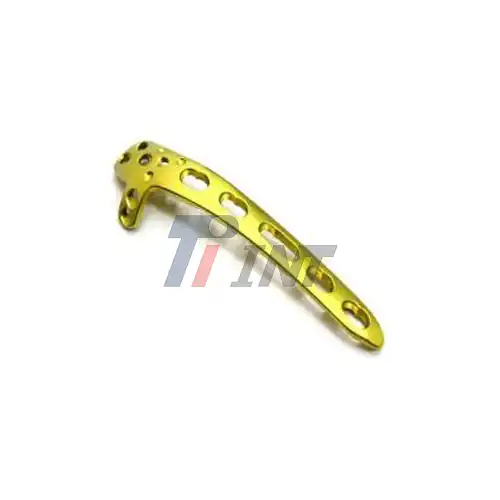
Gr9 Titanium Bar Dia 8mm works great in situations that need complex shapes and strong resistance to wear and tear. Grade 9 is easier to shape, which makes it better for bone fixation plates, intramedullary nails, and mandibular restoration parts. Dental implant makers like this alloy because it can be precisely threaded without galling or work-hardening, which can make the dimensions less accurate.
Making surgical instruments is another important application area. The balanced qualities of Grade 9 make it possible to make tools that can be used again and again and are sterilized many times. The substance can withstand the high temperatures of an autoclave and still keep its shape in clamping devices and cutting tools.
Aerospace and Industrial Comparison
Besides their use in medicine, these metals have different purposes. Ti6Al4V is still the standard in the aerospace business for parts of airplane frames and turbine blades where saving weight is worth the extra cost. Grade 9 is used in hydraulic tubing and heat exchangers where the ability to make seamless tubes and weld them together is more important than absolute strength. Learning from these tough industries tells companies that make medical devices what kind of long-term reliability they can expect when the devices are loaded and unloaded many times.
Cost-Performance Tradeoffs
Ti6Al4V usually costs 10–15 percent more than Grade 9 because it has more alloying elements and needs to be processed in a more complicated way. But the real economic comparison needs to take into account the costs of making both products. The better machinability of Grade 9 cuts cycle times by 20–30% and increases tool life by the same amount. Most of the time, these operational savings more than make up for Ti6Al4V's lower raw material cost. This is especially true for large production runs of small parts.
Procurement and Supply Chain Considerations for B2B Clients
Stable output and consistent product quality depend on getting materials from reliable sources.
Market Availability and Lead Times
Due to its popularity in aerospace uses, Ti6Al4V is widely available on the market, and many global providers keep large stocks on hand. Grade 9 is a more specialized product that is made by fewer dedicated producers. Instead of relying on general metal distributors, companies that need a steady supply of Gr9 Titanium Bar Dia 8mm should build relationships with medical-grade titanium experts who keep stock in standard sizes.
When you buy custom diameters or lengths, the standard wait time for approved medical-grade material is 8 to 12 weeks for Ti6Al4V and 10 to 14 weeks for Grade 9. Stock sizes ship in two to four weeks from reputable sources. Rush orders cost 25–40% more, but they can cut delivery times to 4–6 weeks if production plans allow it.
Certification Requirements and Traceability
Medical device companies that follow the FDA Quality System Regulations or ISO 13485 frameworks need to be able to fully trace their materials from the time they are certified at the mill all the way through to the finished product. On purchase orders, it should say:
- Unique identification numbers make it possible to track heat lots.
- Chemical makeup certificates from labs that have been approved
- Reports from mechanical tests that show tension, yield, and stretch values
- Results of ultrasonic tests according to AMS 2631 rules
- Details about the surface finish (polished, pickled, or as-rolled)
- Certifications for ASTM F136, ASTM B348, and ISO 5832-3
When suppliers package pre-certified materials with the necessary paperwork, it makes the receiving inspection process easier and cuts down on quality control bottlenecks. For every heat lot that goes through our center, we keep full test records and chain-of-custody paperwork.
Volume Pricing and Custom Machining Options
By buying in bulk, you can save a lot of money. Prices usually go down 12 to 18% compared to spot sales when you commit to buying more than 500 kg per year. Many suppliers have contract inventory programs where materials are stored at the customer's location but stay the supplier's property until they are used. This helps with managing cash flow.
With custom machining services, procurement teams can get parts that are almost finished instead of raw bar stock. Along with supply deals, centerless grinding with tight diameter tolerances (+/- 0.025mm), precise cutting to length, and surface processes like passivation can be built in. These services that add value cut down on handling steps and quality risks while using the supplier's titanium working knowledge.
Machining, Heat Treatment, and Handling Differences
To improve the manufacturing process, you need to know how each metal behaves during the production process.
Machining Challenges and Solutions
It is easier to machine Grade 9 than Ti6Al4V, but both need carbide or ceramic tools and a lot of water. For Grade 9, cutting speeds are between 60 and 90 surface feet per minute (SFM). For Ti6Al4V, they are between 40 and 60 SFM. When you machine at Grade 9, the cutting forces are lower, which makes the tools last 30 to 40 percent longer and reduces the amount of warping caused by heat.
Because neither metal is good at moving heat, heat builds up at the cutting edge. High-pressure coolant systems that send 1000 PSI or more directly to the interface between the tool and the workpiece stop thermal damage and make it easier for chips to escape. Peck-drilling methods that let chips clear before re-engaging are especially helpful for thread-cutting operations.
Heat Treatment Protocols
Stress-relief annealing at 600–700°C for 1–2 hours works well on Grade 9 to restore its flexibility after cold working without losing much strength. This process gets rid of any remaining stresses that could cause the material to twist during later grinding steps. For stress release to work, Ti6Al4V needs to be heated to higher temperatures (700–800°C), and it needs to be cooled slowly so that it doesn't change phases without being supposed to.
Solution treatment and then aging can make Ti6Al4V stronger, but it can cause changes in size that aren't okay for medical parts that need to be precise. Grade 9 is usually kept in the annealed or CWSR state while medical devices are being made to keep its shape and predictable mechanical properties.
Surface Treatment Effectiveness
Passivation treatments make oxide layers stronger, which makes both alloys more resistant to corrosion and better compatible with living things. According to ASTM F86, nitric acid passivation gets rid of surface contaminants and free iron without hurting the base titanium. Electropolishing makes the surface finish even better by smoothing out sharp edges that could cause fatigue cracks.
Plasma nitriding or ion implantation are two specialized surface modifications that can selectively improve wear resistance for articulating surfaces. However, these treatments need to be tested and proven to work for each device application. Standard mechanical cleaning can get surfaces smoother than 0.4 Ra micrometers, which is fine for most medical uses.
Conclusion
In the end, picking between Grade 9 and Ti6Al4V comes down to combining mechanical needs with the facts of manufacturing. Ti6Al4V is still needed for high-strength orthopedic implants, and Gr9 Titanium Bar Dia 8mm works best for precise medical parts that need to be easy to shape and resistant to wear. The 20–30% increase in machinability lowers the cost of production while keeping the biocompatibility and resistance to rust needed for medical uses.
When choosing suppliers, procurement teams should think about the devices they need, how much they can make, and how much they are willing to commit to. It's not just the qualities of the raw materials that matter when it comes to long-term manufacturing success and regulatory compliance. Material licenses, tracking paperwork, and the technical support that suppliers offer are also very important.
FAQ
Can Grade 9 directly replace Ti6Al4V in existing medical device designs?
For direct substitution to work, engineering needs to be looked at. Grade 9 has 70% of Ti6Al4V's strength and is easier to shape than Grade 5. Load-bearing implants made with Grade 5's mechanical properties may need to have their dimensions or geometry changed. Instruments and parts that don't carry weight often transfer well with little change.
What are typical lead times for custom 8mm Grade 9 bar orders?
Custom diameter production from medical-grade titanium sources usually takes 10 to 14 weeks, which includes getting the material certified and keeping quality records. Delivery time drops to two to four weeks for stock regular sizes. Setting up blanket purchase orders with scheduled releases makes it easier to get the Gr9 Titanium Bar Dia 8mm that are needed for ongoing production.
How does Grade 9 pricing compare to commercially pure titanium?
Due to alloying changes and controlled processing needs, Grade 9 titanium costs about 20 to 30 percent more than Grade 2 economically pure titanium. Its much higher strength, on the other hand, allows for smaller cross-sections and less material use, which often means that the cost of the component is about the same, but it performs better.
Partner with a Trusted Medical Titanium Material Supplier
Since 2003, Baoji INT Medical Titanium Co., Ltd. has been making medical-grade titanium alloys. We bring more than 30 years of experience in metalworking to every Gr9 Titanium Bar Dia 8mm we make. Our production methods are fully traceable and of consistent quality for your important medical device uses. They are ISO9001:2015, ISO13485:2016, and CE-certified. We keep 8mm diameter Grade 9 bars in stock, and you can choose from a variety of lengths and surface finishes, such as polished, pickled, or precision-ground, to meet your exact needs.
Our technical team is here to help you with every step of the material selection process, from the initial feasibility studies to the large-scale production. We know the unique problems that companies that make medical devices have to deal with, so we offer open ways for them to buy things, such as consignment inventory programs, volume price structures, and choices for faster delivery. As a well-known company that makes medical titanium bars, we can meet the needs of your production plan with a reliable supply chain that doesn't sacrifice material quality or certification completeness.
Contact our engineering team at export@tiint.com to talk about your specific needs or to ask for material certifications and sample quantities. Visit inttitanium.com to see our full selection of medical-grade titanium materials and learn how our 30 years of experience in the field can help you with your next gadget creation project.
References
1. American Society for Testing and Materials. (2020). ASTM F136-13: Standard Specification for Wrought Titanium-6Aluminum-4Vanadium ELI Alloy for Surgical Implant Applications. ASTM International.
2. Donachie, M. J. (2000). Titanium: A Technical Guide, 2nd Edition. ASM International.
3. International Organization for Standardization. (2016). ISO 5832-3: Implants for Surgery - Metallic Materials -Part 3: Wrought Titanium 6-Aluminum 4-Vanadium Alloy. ISO Standards.
4. Lütjering, G., & Williams, J. C. (2007). Titanium, 2nd Edition: Engineering Materials and Processes. Springer-Verlag Berlin Heidelberg.
5. Peters, M., Kumpfert, J., Ward, C. H., & Leyens, C. (2003). "Titanium Alloys for Aerospace Applications." Advanced Engineering Materials, 5(6), 419-427.
6. Rack, H. J., & Qazi, J. I. (2006). "Titanium Alloys for Biomedical Applications." Materials Science and Engineering: C, 26(8), 1269-1277.
_1753927576158.png)