





Why Gr1 Titanium Wire Works Well in Medical Applications


 2026-09-14 15:48:04
Grade 1 titanium wire has earned its reputation as a cornerstone material in medical device manufacturing. As the softest and most ductile commercially pure titanium grade, it delivers an exceptional combination of biocompatibility, corrosion resistance, and cold formability that few metals can match. For procurement professionals sourcing materials for implant components, surgical instruments, or precision woven mesh, understanding why Gr 1 titanium wire outperforms alternatives is critical to protecting yield rates, meeting regulatory requirements, and building a resilient supply chain.
|
|
|
Understanding Grade 1 Titanium Wire: Properties and Composition
Chemical Purity That Defines Performance
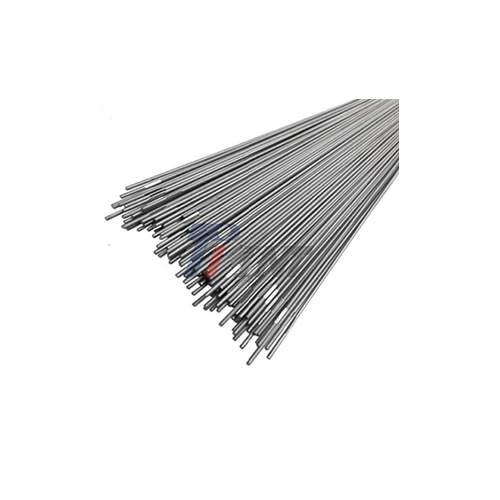
Gr 1 titanium wire has a low interstitial content, with oxygen levels below 0.18% and iron levels below 0.20%. This is what makes it so flexible. This grade meets ASTM F67 for implant-grade use and ASTM B863 for industrial wire. It has a minimum stretch of 24%, which makes it the most workable titanium grade on the market. That flexibility isn't a coincidence; it's what keeps the material from cracking when it's bent around a tight radius or woven in a complicated way.
Mechanical Specifications at a Glance
| Property | Value |
|---|---|
| Material Grade | Gr 1 Pure Titanium |
| Diameter Range | 0.1 mm – 6.0 mm |
| Tensile Strength | 240 MPa |
| Yield Strength | 170 MPa |
| Elongation | 24% |
| Standard | ASTM B348, ASTM F67 |
| Certifications | ISO 9001:2015, ISO 13485:2016, EU CE |
This commercially pure titanium grade has a density of approximately 4.51 g/cm³, which is about 56% that of steel. It has a high strength-to-weight ratio that makes devices lighter without sacrificing structural reliability. Gr 1 titanium wire benefits from these properties, and its 103 GPa elastic stiffness is also closer to that of cortical bone than stainless steel, which is important when making osteosynthesis wires and ligatures.
Why Grade 1 Titanium Wire Excels in Medical Applications
Corrosion Resistance Under Physiological Conditions
The fact that CP titanium wire forms a stable TiO₂ oxide film on its own is one of the most clinically important things about it. This passive layer grows back right away after being damaged by mechanical means. It protects against body fluids, sterilizing agents, and multiple sterilization cycles. On the other hand, pitting and crevice corrosion can happen to stainless steel in physiological conditions that are high in salt. For parts that will be in an implant for a long time, this difference has a direct effect on how long the device lasts and how safe it is for the patient.
Biocompatibility Validated by Standards
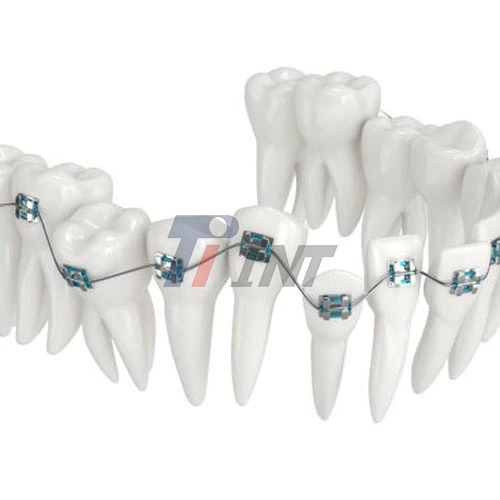
Gr 1 titanium wire certified to ASTM F67 meets the biocompatibility standards for medical devices in the United States and Europe. Because Grade 5 Ti-6Al-4V doesn't have any alloying elements like aluminum or vanadium, there is no need to worry about ions leaking out in sensitive body parts. This means that the material can be used for non-load-bearing ligatures, surgical mesh that is braided, dental arch wires, and precision tool springs that come into long contact with flesh.
Here are the core performance advantages that make this material a preferred choice across medical OEM production lines:
- Lightweight and extremely durable: At approximately 4.51 g/cm³, commercially pure titanium wire makes parts lighter while keeping their shape through repeated mechanical stress cycles. The structural stability of devices made with this material is maintained over a long period of time.
- Excellent fatigue resistance: The material can handle the repeated loading that happens in implant settings, which is very important for braided mesh and spring parts that have to bend all the time. Its resistance to fatigue helps make sure that the device works as expected and lowers the risk of failure.
- Outstanding cold formability: The wire can be stretched 24% and is the most flexible grade of titanium. It can be deep-drawn, precisely wound, and woven in complex ways without work-hardening fails that would lower the yield of later processing.
- Customizable diameter range: The wire's diameter can be changed from 0.1 mm to 6.0 mm to meet exact production needs. This cuts down on material waste and time spent cutting to length on the shop floor.
All of these benefits help precision medical component manufacturers with their daily problems with yield rate and surface quality. When the end part's acceptance is based on its surface quality and consistent dimensions, the choice of material used upstream, such as Gr 1 titanium wire, becomes a direct cost variable because its stable mechanical properties and consistent surface condition directly influence final part uniformity and reduce rejection rates.
Comparative Analysis: Grade 1 Titanium Wire vs Other Titanium Grades and Metals
Gr 1 vs Gr 2 and Gr 5 Titanium
Grade 2 titanium wire has a higher tensile strength (about 345 MPa) but is less flexible, so it is not as good for sewing with tight shapes or deep-drawn parts. Grade 5 (Ti-6Al-4V ELI) is the strongest and is best for high-load structural implants like spine plates and femoral stems. But because it is less flexible and contains aluminum and vanadium, it shouldn't be used in situations where cleanliness and maximum cold workability are important. Gr 1 titanium wire fills a unique need: it is the most resistant to corrosion and the easiest to shape, making it perfect for precision wire applications.
Gr 1 vs Stainless Steel and Nitinol
Because it is cheap and easy to work with, stainless steel 316L is still often used in medical equipment. However, it has a nickel content that can be measured and doesn't resist corrosion as well in reducing conditions as titanium does. Nitinol, which is made of nickel and titanium, is prized for being superelastic, but it needs to be processed in a certain way because nickel is a known sensitizer. CP titanium wire gets rid of both of these problems and has a density that is about 43% lower than steel. This makes designs easier when mass reduction is required by standard.
Procurement Considerations for Grade 1 Titanium Wire in Medical Industries
Quality Documentation and Traceability
Medical OEM manufacturers need a Certificate of Analysis that can be linked to a heat number for every lot of Gr 1 titanium wire that comes in. As part of the inspection process, oxygen and iron content in the Gr 1 titanium wire must be checked using ICP-OES, dimensional tolerance must be confirmed using a laser micrometer, and tensile and elongation tests must be done according to ASTM B863 for this same material. If the surface of the Gr 1 titanium wire is clean (no slivers, roll marks, or leftover oils), then precision etching or fine pressing can go ahead without batch rejection. Rework costs can be avoided by specifying a polished or chemically cleaned finish for the Gr 1 titanium wire when the order is placed.
Custom Sizing, Packaging, and Compliance
Teams that work with quality systems that are ISO 13485-certified need providers that can take part in First Article Inspections, give dimensional reports, and handle small-batch verification orders before going up to full production levels. Protective wrapping, like inter-leaf film and individual coil sleeves, keeps the surface from getting damaged during shipping, which has a direct effect on the pass rates for receiving inspection. Suppliers with ISO 9001:2015, ISO 13485:2016, and EU CE certifications make it easier for the OEM's quality team to do audits and meet brand-owner paperwork standards without having to go through extra steps to qualify as a supplier.
Conclusion
Gr 1 titanium wire earns its position in medical manufacturing through a combination of properties that no single alternative fully replicates: maximum cold formability, verifiable biocompatibility, spontaneous corrosion passivation, and a density profile that benefits weight-critical designs.
For procurement professionals managing yield rates, regulatory documentation, and supplier qualification timelines, the material's conformance to ASTM F67 and ISO 13485 supply chain requirements—which are consistently met by Gr 1 titanium wire—reduces risk at every stage. Selecting a verified, long-established manufacturer with traceable heat documentation and flexible cut-to-size capability for Gr 1 titanium wire translates directly into production efficiency and supply chain reliability.
FAQ
What distinguishes Gr 1 from Gr 2 titanium wire for medical use?
Gr 1 has less oxygen and iron, yielding higher ductility (≥24% elongation vs. ~20% for Gr 2) and superior cold formability. For braided mesh, ligatures, and fine coils, choose Gr 1. Choose Gr 2 when small increases in structural strength are worth the small loss of shapeability.
Is Gr 1 titanium wire suitable for implant-grade applications?
Yes, as long as it's certified to ASTM F67. Its biocompatibility and corrosion resistance make it appropriate for non-load-bearing implant parts, osteosynthesis wires, and dental parts. Grade 5 (Ti-6Al-4V ELI) is usually needed for high-load structural implants.
What surface finish should procurement teams specify?
For precision etching or welding, you should ask for a surface that has been buffed or chemically cleaned and is free of oxide coloring, roll marks, and leftover oils. An acid-pickled finish works well for chemical or structural uses where the look of the surface is not important.
How critical is hydrogen content control?
Hydrogen must stay below 150 ppm. Levels above this point increase the chance of delayed hydrogen embrittlement, a slow-developing failure mode that is especially bad for thin-wire implant parts that are under constant tension stress.
What diameter tolerances are achievable?
Tolerances of ±0.02 mm or less are possible for fine diameters in precision wire production, which meets h7 or h8 tolerance classes. Tight control over dimensions keeps automated weaving equipment from getting stuck and makes sure that laser cutting parameters stay the same.
Partner with Baoji INT Medical Titanium Co., Ltd. for Reliable Gr 1 Titanium Wire Supply
Baoji INT Medical Titanium Co., Ltd. has supplied certified medical titanium materials since 2003, with over 30 years of combined technical expertise behind every lot. As a dedicated Gr 1 titanium wire manufacturer holding ISO 9001:2015, ISO 13485:2016, and EU CE certifications, INT supports RFQ-to-FAI workflows, small-batch qualification orders, and full traceability documentation. Send your drawings and specifications to export@tiint.com or visit inttitanium.com to request a material sample and COA today.
References
1. ASTM International. ASTM F67: Standard Specification for Unalloyed Titanium for Surgical Implant Applications. ASTM International, 2023.
2. ASTM International. ASTM B863: Standard Specification for Titanium and Titanium Alloy Wire. ASTM International, 2022.
3. Niinomi, M. "Mechanical biocompatibilities of titanium alloys for biomedical applications." Journal of the Mechanical Behavior of Biomedical Materials, 2008.
4. Rack, H.J., and Qazi, J.I. "Titanium alloys for biomedical applications." Materials Science and Engineering: C, 2006.
5. Long, M., and Rack, H.J. "Titanium alloys in total joint replacement — a materials science perspective." Biomaterials, 1998.
6. ISO. ISO 13485:2016 — Medical Devices: Quality Management Systems — Requirements for Regulatory Purposes. International Organization for Standardization, 2016.