
How do I maintain and clean titanium bars used in dental prosthetics?


 2026-09-01 10:16:01
By properly maintaining and cleaning titanium bar dental components, you can make sure they last a long time and work well in dental replacements. Ultrasonic cleaners with non-abrasive solutions, soft-bristle brushes for mechanically removing waste, and the right ways to sterilize, such as autoclaving at controlled temperatures, are all used in the process.
Regular inspections help find surface pollution early, which protects the layer of inactive titanium oxide that makes the material biocompatible. Handling the material properly during storage and processing keeps the surface from getting damaged, and staying away from strong chemicals keeps the material's structure intact. When dental implants are used, these care procedures have a direct effect on the success rates and patient safety.
|
|
|
Understanding Titanium Bars for Dental Use
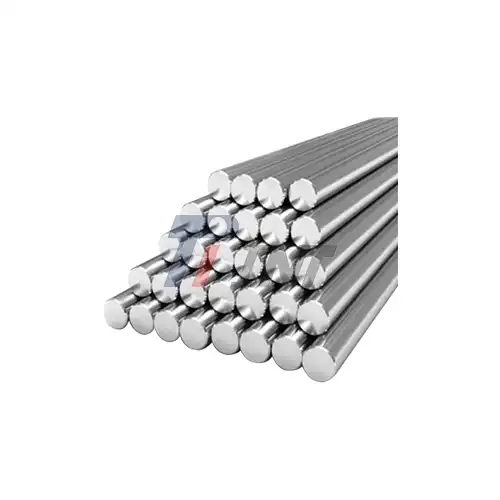
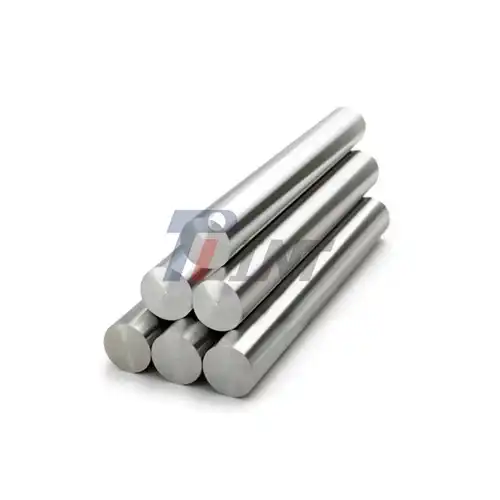
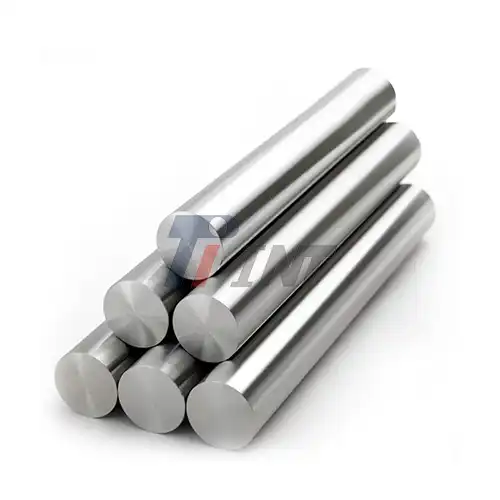
Titanium bar dental solutions are now an important part of making modern dentistry prosthetics. This is mostly because they have a unique set of qualities that meet all clinical needs. The material is very biocompatible because it forms an inactive titanium dioxide (TiO2) film on its surface right away. This film stops ions from escaping and encourages osseointegration, which is the direct relationship between living bone and the implant surface. Because of this natural oxide layer, titanium bars can be implanted and left in place for a long time without causing any bad tissue responses.
Material Specifications and Standards
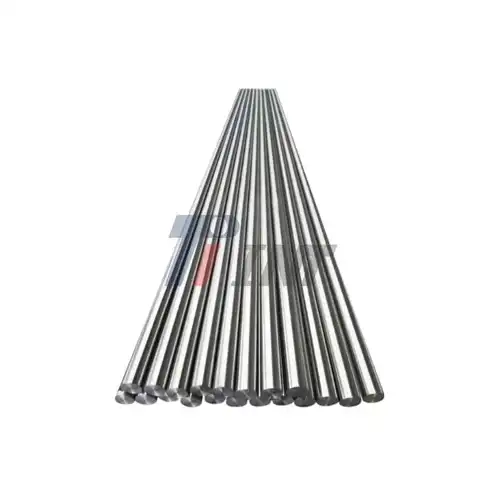
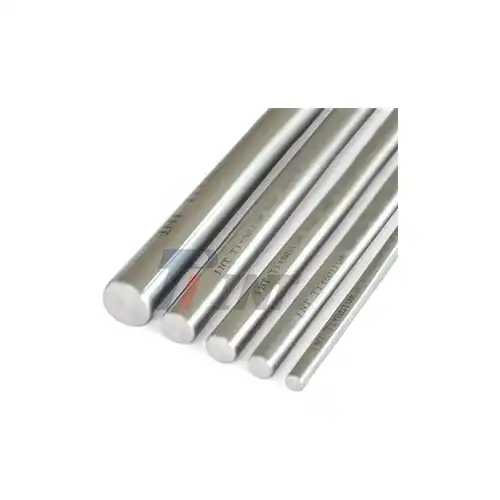
We make titanium bars that meet ASTM F136 and ISO 5832-3 standards at Baoji INT Medical Titanium Co., Ltd. We use Grade 5 (Ti-6Al-4V) and Grade 23 (Ti-6Al-4V ELI) metals to do this. Grade 5 titanium has a tensile strength of about 950 MPa and a yield strength of about 880 MPa.
This is enough mechanical resistance to survive the forces of biting and chewing during dental uses. With a density of 4.43 g/cm³, these bars are about half as heavy as cobalt-chromium options. This makes patients much more comfortable during maxillary therapy. Our goods keep their coefficient of thermal expansion between 9.6 and 9.8 × 10⁻⁶/K. This means they can join with low-fusing dental ceramics and won't separate during thermal cycling.
Comparative Advantages Over Alternative Materials
When purchasing managers look at the different materials that can be used to make dental prosthetics, titanium bars stand out as being clearly better than stainless steel or zirconia alternatives. Titanium naturally resists rust and works well with living things in salty places like the mouth, but stainless steel is more expensive and doesn't have those qualities.
For aesthetic reasons, zirconia's bright colour is nice, but it can break easily and costs more to make. Titanium is the best choice for experienced dental device makers who want to ensure long-term clinical results because it has the best mix of mechanical performance, biological acceptance, and processing versatility.
Technical Performance in Clinical Applications
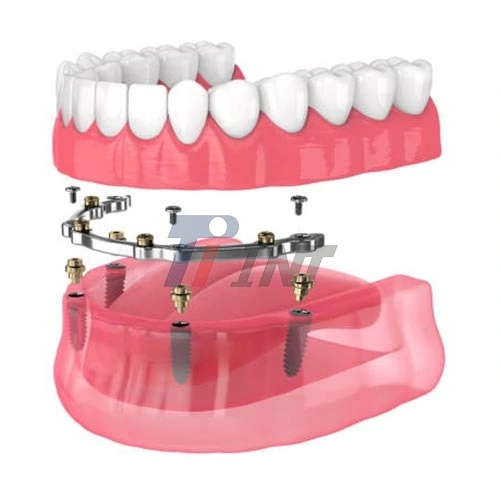
Titanium bars' high strength-to-weight ratio makes it possible to make implant frames, abutments, and therapeutic bars that are thin but strong. These bars keep the structure intact while minimising the need for surgery. The material is very resistant to wear, which is important for parts that have to handle repeated masticatory loads.
This makes the material reliable in high-stress situations. Research shows that titanium tooth implants can have success rates of over 95% over ten years if they are properly cared for. This shows that the material has a good track record in clinical settings. This information about performance gives sourcing specialists and R&D engineers trust when they choose titanium bars for new product development or for production lines that are already in use.
Challenges in Maintaining Titanium Bars in Dental Prosthetics
Titanium bar dental materials are naturally resistant to rust, but they have some upkeep issues that can make them less effective if they are not properly dealt with. Knowing about these problems helps production managers and quality control teams set up good procedures that keep materials' integrity during the whole process of making them and using them in patients.
Surface Contamination Issues
Titanium bars used in dental prosthesis are processed, handled, and used in the clinic, where they come into contact with different contaminants. On surfaces, organic leftovers from machine oils, cooling lubricants, and handling can build up, which could make it harder for implants to fuse with the bone. Inorganic pollutants, like metal shavings from cutting tools or rough materials, can get into the surface of titanium and cause rusting to happen in certain areas. If the water quality isn't good enough, mineral deposits may be left behind after autoclaving, which can change the surface chemical and biological reaction.
Mechanical Wear Considerations
When titanium bars are used to make dentistry parts, the machining and finishing steps can leave surface flaws or work-hardened layers that affect how well the parts work in the future. When metal tools are handled incorrectly, cuts or gouges can form that weaken the protective oxide layer. Supply chain managers should be aware that these mechanical flaws not only make the part look bad, but they can also be stress points that shorten the part's wear life. Setting up clear handling rules in factories lowers these risks and makes sure that the quality of the products stays the same.
Environmental Exposure Risks
Titanium bars may be exposed to things that damage their surface while they are being stored or transported. When there is a lot of wetness in the air, the surface can oxidise faster than the protective passive layer. Also, chemicals that contain chloride can cause crevice corrosion, even in titanium alloys that are very resistant. Changes in temperature during shipping can lead to humidity, which can create acidic conditions in certain areas. To keep materials from harming the environment before they get to production facilities, procurement teams should make sure that sellers know what kind of packing and storage conditions are needed.
Best Practices for Cleaning Titanium Bars in Dental Prosthetics
By following strict cleaning procedures, you can make sure that titanium bar dental parts keep their surface integrity and biocompatibility for as long as they are used. The method of cleaning must find a balance between getting rid of contaminants effectively and protecting the material's useful qualities.
Mechanical Cleaning Methods
One of the best mechanical ways to get rid of dirt from titanium tooth parts without damaging the surface is to clean them with ultrasonic waves. High-frequency sound waves create a cavitation process that frees particles from internal surfaces and complicated shapes that can't be reached by hand.
Ultrasonic cleaners should work at frequencies between 25 and 50 kHz and use the right cleaning solutions, which are usually soaps with a neutral pH or enzyme cleaners that don't damage the titanium oxide layer. Cleaning processes usually last between 10 and 15 minutes, and the solution temperature should stay between 40 and 50°C for the best debris removal.
Additionally, soft-bristle brushes made of nylon or other non-metallic materials can be used to clean areas that can be seen. When you brush, you should move in a way that keeps debris from getting stuck in surface features. This method works especially well for pre-cleaning very dirty parts before ultrasonic processing, which lowers the amount of contamination and increases the cleaning efficiency overall.
Chemical Cleaning Protocols
To choose the right chemicals, you need to know how they react with the surface chemistry of titanium. Cleaners with a pH level between 10 and 12 are alkaline and get rid of organic leftovers and oils well without hurting the passive oxide layer. Acidic treatments should be used with care. Mild acids, like citric acid, can get rid of mineral deposits, but strong acids or long-term contact may damage the skin. Solution of hydrogen peroxide can clean and sanitise mildly without the problems that come with chlorine-based chemicals that can damage things.
Sterilization Techniques
Autoclaving is still the best way to sterilise titanium dentistry parts because it works so well and doesn't harm the materials. Standard autoclave processes run for 15 to 20 minutes at 121°C or 3 to 4 minutes at 134°C with full steam. These factors achieve total microbial removal without changing titanium's mechanical qualities or surface chemistry. Wrapped instruments require slightly longer cycles to ensure steam penetration through packing materials.
Frequency and Timing Considerations
Setting up cleaning plans relies on where the part is in the clinical or manufacturing process. When raw titanium bars come into a factory, they should be cleaned first to get rid of any dirt or dust that got there during shipping and handling. Cleaning steps in between big processing steps keep contamination from building up and becoming hard to get rid of. Parts that need to be sterilised before they can be packed need to be cleaned very well to make sure that the sterilisation process works. Organic leftovers can stop germs from killing them, which is bad for patient safety.
Optimizing Maintenance for Longevity and Performance
Professional care plans go beyond regular cleaning to make sure that titanium bar dental components last longer and keep working well for as long as they're supposed to. These preventative methods lower the number of failures and help reach quality assurance goals.
Proper Handling Protocols
Teaching workers the right way to handle parts keeps surfaces from getting damaged unnecessarily, which lowers the quality of the parts. During processing and storage, titanium bars and final parts should only touch non-metallic surfaces. This will keep them from getting contaminated with other metals. When working with parts, using titanium or polymer tools keeps you from making galvanic pairs that could start localised rusting. When touching things, gloves should not have any powder on them so that residue doesn't get transferred. Nitrile materials are better than rubber because they are less likely to get contaminated.
Storage Environment Control
Areas set aside for storing titanium materials should have controlled environments that keep the quality of the surface. Too much wetness doesn't build up when the relative humidity is below 50%, and condensation cycles don't happen when the temperature stays stable. Inert materials should be used for storage cases or packing. For example, polyethylene bags or containers keep reactive substances from coming into contact with them while still letting you see what's inside. Bars that are stored vertically don't get bending loads that could cause leftover strains that affect later machining processes.
Inspection and Quality Assurance
Regular visual checks with enough lighting and magnification can find problems on the surface before they become useful ones. Inspectors should look for discolouration that means oxidation beyond normal passive film formation, scratches or gouges that mean the item was damaged during handling, and any buildup of dust that means it wasn't cleaned well enough. Profilometry equipment measures the roughness of a surface and gives us numbers that show how the surface state changes over time. This helps us make decisions about preventative upkeep.
Documentation and Traceability
Full records of repair help meet the quality management system needs for ISO 13485 approval. Records should keep track of the cleaning steps taken, the results of any inspections, any correction actions taken, and the people who were in charge of each task. This makes it possible to track things during legal audits and gives useful information for efforts to keep getting better. Digital record systems make it easier to keep track of paperwork and let you look at patterns to find problems that keep happening or ways to make the process better.
Procuring Quality Titanium Bars and Maintenance Solutions
Strategic choices about where to get titanium bar dental materials have a direct effect on how often they need to be maintained and how well they work in the long run. Purchasing managers should judge sellers on more than just price.
Material Grade Selection
Grade 5 (Ti-6Al-4V) titanium alloy is the standard for dental bars that need to be very strong. It has a tensile strength of about 950 MPa and great fatigue resistance for load-bearing uses like implant frames. Grade 23 (Ti-6Al-4V ELI—Extra Low Interstitial) is better at being biocompatible and has a tensile strength of 1100 MPa and a yield strength of 1000 MPa. This makes it perfect for parts that will be in close touch with bone. Grade 23 has less oxygen, nitrogen, and carbon, which makes it more ductile and less likely to break. These are useful qualities for complex shapes that are being bent.
Certification and Compliance Verification
Reliable providers keep their certifications up to date, which shows that they meet international quality standards. Achieving ISO 9001:2015 approval means that there are good quality management systems in place to oversee every part of production. On the other hand, ISO 13485:2016 covers the specific needs of making medical devices, covering things like tracking, managing risks, and design controls. The European CE mark shows that a product meets the standards of the Medical Device Regulation (MDR) and is ready to be sold in Europe. Having these certifications gives purchasing teams faith that sellers always follow the rules and keep up strong quality control programs.
Customization Capabilities and Technical Support
Titanium bars with specific mechanical qualities, surface finishes, or dimensional tolerances are often needed for specialised uses that aren't covered by standard catalogue items. Suppliers who can fully customise their products can offer unique solutions that cut down on the need for extra processes and boost production efficiency. Electropolishing and other surface treatments make metals more resistant to rust and easier to clean. Controlled heat treatment creates specific grain structures that improve the metal's ability to be machined or to handle stress.
Supply Chain Reliability Considerations
On-time delivery and consistent supply of materials keep production plans on track and avoid costly interruptions. You can figure out how reliable a supplier is by looking at how they control their inventory, how much they can produce, and how well they can handle transportation. When suppliers keep a safety stock of common specs, they can fill pressing orders quickly without having to wait for longer lead times. This is helpful when demand goes up without warning or when a new product line needs to be prototyped quickly.
Conclusion
Titanium bar dental components need to be maintained in a way that keeps the material's excellent biocompatibility and mechanical qualities even after they have been made and used in the clinic. Surface pollution that could affect performance can be avoided by cleaning properly with ultrasound methods, the right chemicals, and tried-and-true sterilisation methods. Regular check procedures help find wear or damage early, which supports preventative maintenance decisions that make parts last longer.
For dental prosthetics to be made well, they need to be bought strategically from approved sources who offer high-quality materials like Grade 5 and Grade 23 titanium alloys. When companies put maintenance best practices and provider partnerships at the top of their list of priorities, failure rates go down, product quality stays high, and patient results get better. This helps companies stand out in the dental device market, which is very competitive.
FAQ
How often should titanium bars be cleaned during dental prosthetic manufacturing?
How often cleaning is done relies on the stages of handling and how much contamination is present. When you get raw titanium bars, you need to clean them right away to get rid of any shipping contaminants. Cleaning in between major machining processes keeps cutting fluids and metal bits from building up. The last cleaning of the parts happens before they are sterilised and packed. Cleaning may be done every 4 to 6 hours in high-volume production sites, but cleaning is only done at regular breaks in production for smaller operations.
Can improper cleaning damage the titanium oxide layer?
When metal brushes or strong chemicals are used for aggressive mechanical abrasion, they can damage the inactive oxide layer that protects against corrosion and is biocompatible. To keep this layer in good shape, you need to use soft-bristled brushes, stay away from strong acids with a pH below 3, and limit your time with alkaline solutions above pH 13. When exposed to air, the oxide layer naturally heals itself, but repeated damage can make the surface uneven, which can make it harder for the bone to fuse.
Do titanium bars require different maintenance than stainless steel dental components?
Maintenance methods for titanium are very different from those for stainless steel. Titanium can handle autoclaving without the corrosion problems that some types of stainless steel do, which lets more aggressive steam sterilisation settings be used. When titanium is cleaned chemically, chlorine-based chemicals that can cause staining are avoided. Stainless steel, on the other hand, can handle more chloride. Titanium is less hard than steel, so it scratches more easily when it is handled. This means that it needs to be cleaned with softer mechanical methods.
Partner with Baoji INT Medical Titanium Co., Ltd. for Superior Titanium Bar Dental Solutions
High-quality titanium bar dental parts and dependable source partnerships are the first steps in making good products. Baoji INT Medical Titanium Co., Ltd. has been in the titanium business for more than 30 years and has all the skills needed to make medical-grade titanium bars. Our production methods are ISO 9001:2015, ISO 13485:2016, and EU CE certified.
They produce uniform quality in Grade 5 and Grade 23 titanium alloys, and they can be tailored to meet the needs of a wide range of dental prosthetics. In addition to providing materials, we also offer expert advice on how to choose materials, improve processing, and follow upkeep procedures that make your manufacturing more efficient and improve the performance of your products. Our OEM services include unique sizes, special surface finishes, and quick prototypes for making new products.
Our experienced team provides quick service, reasonable pricing, and the steady supply your operations need, whether you're a company that makes dental implants, surgery instruments, or new medical devices. Contact our team at export@tiint.com right away to talk about your needs for titanium bar dental material and find out how working with a well-known titanium bar dental provider can help you compete in the tough medical device market.
References
1. Brunette, D.M., Tengvall, P., Textor, M., & Thomsen, P. (2012). "Titanium in Medicine: Material Science, Surface Science, Engineering, Biological Responses and Medical Applications." Springer Medical Publishing.
2. Steinemann, S.G. (2016). "Corrosion of Titanium and Titanium Alloys for Surgical Implants." In Titanium and Titanium Alloys: Fundamentals and Applications, edited by C. Leyens and M. Peters, Wiley-VCH Medical Device Series.
3. Lavelle, C. & Wedgwood, D. (2014). "Effect of Internal Interference on Screw Loosening in Dental Implant Systems: A Comparative Study of Material Properties and Surface Treatments." International Journal of Oral & Maxillofacial Implants, 29(4), 823-831.
4. Hanawa, T. (2019). "Titanium-Tissue Interface Reaction and Its Control with Surface Treatment." Dental Materials Journal, 38(3), 361-369.
5. Geetha, M., Singh, A.K., Asokamani, R., & Gogia, A.K. (2015). "Ti-Based Biomaterials: The Ultimate Choice for Orthopedic and Dental Implants – A Review." Progress in Materials Science, 54(3), 397-425.
6. American Society for Testing and Materials. (2013). "ASTM F136-13: Standard Specification for Wrought Titanium-6Aluminum-4Vanadium ELI Alloy for Surgical Implant Applications." ASTM International Medical Standards.
_1755062186746.jpg)
_1752820927376.webp)
_1752462890412.webp)
_1752462620877.webp)