
Best Titanium Dental Bar Supplier for Milling Centers


 2026-09-02 10:22:12
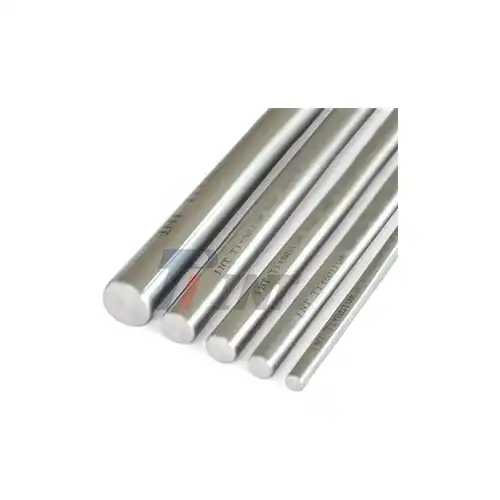
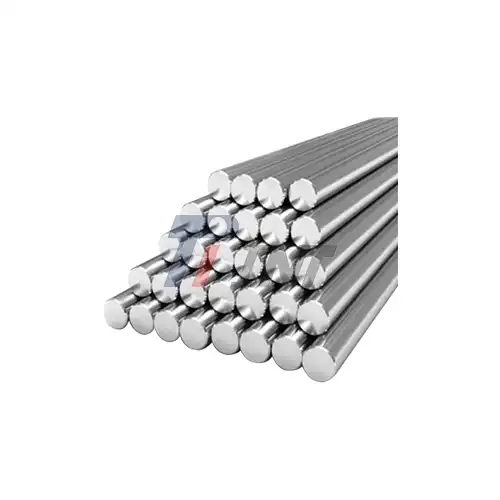
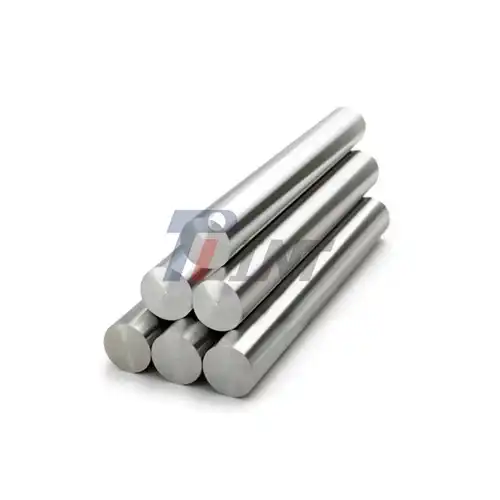
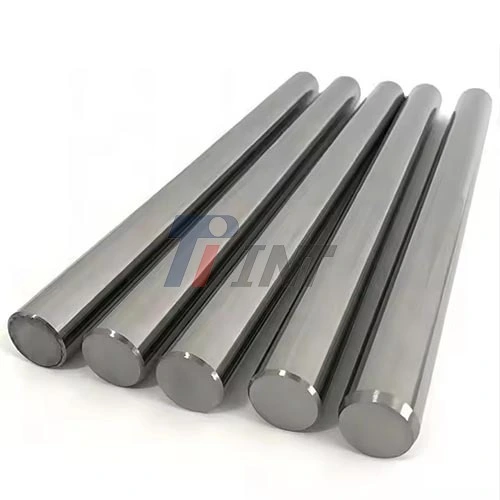
When searching for the best titanium dental bar supplier for milling centers, procurement managers and R&D engineers demand more than competitive pricing—they need verified material certifications, consistent mechanical properties, and reliable delivery schedules. A milled titanium bar dental component represents a custom-fabricated, implant-supported substructure manufactured through high-precision CAD/CAM processes, primarily using medical-grade Ti-6Al-4V alloy. Unlike cast alternatives prone to porosity and dimensional distortion, precision-milled bars from solid titanium blanks ensure passive fit, biomechanical integrity, and design flexibility critical for full-arch restorations and complex implant cases.
|
|
|
Introduction
This book tells you everything you need to know about milled titanium bars and how important they are in dental implantology. Milling centers, OEM clients, and wholesalers must choose the right material provider to ensure the quality, dependability, and cost-effectiveness of their products. This guide is designed for procurement managers and industry professionals. It talks about technical properties, manufacturing processes, and market factors. This helps decision-makers improve their sourcing strategies and work with reliable titanium material suppliers.
In today's regulatory world, it's not possible to get around the need for material traceability, certification compliance, and expert support. Supply chain managers who handle large orders are giving more and more weight to suppliers who have a history of making medical-grade titanium, strict quality control systems, and the ability to quickly make changes to orders. In dentistry restoration workflows, this piece looks at how choosing the right material partner affects production speed, regulatory compliance, and, in the end, patient results.
Understanding Milled Titanium Bars for Dental Applications
What Makes Milled Titanium Bars Essential for Dental Implants
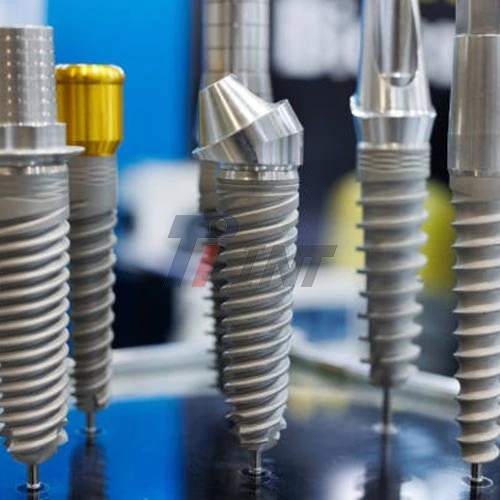
Micro-machined titanium bars are used as the base material for dental implants because they are more biocompatible and stronger than cast alloys. These precisely designed bars are cut from solid mono-block titanium blanks using subtractive manufacturing. This method gets rid of the tiny flaws and distortions that happen with standard lost-wax casting. The bio-inertness of the material stops allergic reactions and discoloration of the gums, which are major problems with base metal alloys like Cobalt-Chrome or Nickel-Chromium.
Manufacturing Process and Quality Standards
Rutile ore from beach sand is used to make medical-grade titanium bars. It is chlorinated with coke to make titanium tetrachloride. In closed systems, this substance mixes with magnesium, and vacuum distillation gets rid of the extra magnesium so it can be recycled. To make re-melt electrodes, the titanium sponge is melted with aluminum, vanadium, tin, zirconium, or molybdenum in Electron Beam or Vacuum Arc Reduction furnaces. These electrodes are then turned into bars by forging or die-casting.
Modern milling techniques allow for the highest levels of accuracy and dependability when working with materials. Strict quality control rules make sure that every batch of products goes through several inspection stages to make sure they meet the standards for ISO9001:2015, ISO13485:2016, and EU CE certification. This careful attention to detail ensures that the tensile strength, rust resistance, and biocompatibility stay the same, which is necessary for long-term implant success.
Comparing Milled, Cast, and 3D Printed Titanium Options
Milled bars made from Grade 5 (Ti-6Al-4V) or Grade 23 (Ti-6Al-4V ELI) titanium blanks have uniform metal structures that don't have the porosity and shrinking problems that are common in cast parts. Precision milling creates a smooth surface that helps bone fuse with human tissue more effectively while lowering the risk of complications after surgery. Cast bars have inconsistent sizes that make it hard for them to fit passively between divergent implants, even though they cost less at first. 3D printed titanium parts, on the other hand, let you be creative with the design, but they need a lot of work afterward to get the same surface quality and functional stability as milled bars.
Grade IV economically pure titanium (CpTi), which has 0.4% oxygen in it, is very strong and can be used for simple implant uses. However, the ±-² combination metal Ti-6Al-4V is still the best choice for tough dental uses because it has a higher strength-to-weight ratio and is very resistant to wear.
Aluminum stabilizes the α-phase, making the metal stronger while lowering its mass. Vanadium, on the other hand, stabilizes the β-phase, making it more flexible and resistant to corrosion. For manufacturing reliable implant components, milled titanium bar dental is often preferred as the starting material, ensuring consistent mechanical properties and dimensional accuracy before alloy selection.
Comparing Titanium Dental Bars: Making the Right Choice for Milling Centers
Material Properties: Titanium vs. Stainless Steel and Zirconia
Titanium bars are different because they don't rust and can be used inside the mouth for decades. They are also very strong compared to their weight, so they can bend and last through chewing forces. While stainless steel options are strong enough, they lack titanium's bio-inertness and lightweight properties, which are important for patient comfort. Zirconia is better for looks in places that people can see, but it can't compare to titanium when it comes to absorbing shock and working with current implant systems.
Because medical titanium metals are non-toxic, there are no worries about ion release or systemic sensitivity after long periods of wear. Because titanium is safe and has been shown to be compatible with living tissue, it is still the best material for implant-supported substructures, even though it costs more to make than other dental alloys.
Precision and Surface Quality Considerations
The quality of the surface finish has a direct effect on how well the bone integrates and how resistant it is to bacterial colonization. Precision-milled titanium bars have Ra values below 0.8 micrometers, which makes them perfect for attaching to soft tissues without needing a lot of finishing work. Cast bars usually need a lot of post-processing to get their surfaces as smooth as other metals. This adds to the cost of labor and raises the risk of contamination.
When making bars to link multiple implants with different angles, accuracy in the dimensions is just as important. Milled parts keep their tolerances to within ±0.05mm even when they have complicated shapes. This makes sure that the joints are stress-free, which stops bone loss and screw loosening over time. This passive fit feature is a huge plus in full-arch therapy cases, where even small misalignments can cause harmful biomechanical loads.
Pricing Variables and Budget Optimization
The price of raw materials for medical-grade titanium changes depending on global supply chains, the composition of the alloy, and certification requirements. Grade 23 ELI costs more than other grades because it has lower interstitial content requirements. Manufacturing complexity, such as milling time, tool wear, and inspection protocols, has a big effect on the final price, especially for custom specifications that need special tools or more time to make sure the quality is right.
Larger order volumes create big economies of scale because setup costs for production are spread out over larger batches, and sellers often offer tiered price structures. When comparing suppliers, procurement teams should look at the total cost of ownership instead of just unit price. They should think about things like the availability of technical support, the cost of rework, and how well the suppliers keep track of their materials. High-volume milling centers can get the most out of their working capital by forming strategic partnerships with material suppliers that offer consignment inventory or vendor-managed supply arrangements.
How to Select the Best Titanium Dental Bar Supplier for Milling Centers
Certification Compliance and Material Traceability
Material suppliers you can trust keep a long list of strict certifications, such as ISO9001:2015 for quality management, ISO13485:2016 for making medical devices, and regional regulatory approvals like FDA registration or EU CE marking. These certificates show that you have a method for quality assurance, not just that you can pass one-time audits. The paperwork for material tracking should show how each production lot is related to the original batches of metal that were smelted, along with full chemical makeup analyzes and mechanical property test results.
Manufacturing openness is what sets industry leaders apart from commodity suppliers. The best partners are open to facility checks and provide detailed process paperwork that covers everything from inspecting arriving materials to checking final dimensions. Because of this, buying teams can check what suppliers say and see if there are limits on production that could affect the dependability of deliveries during times of high demand.
Reputation and Client Feedback Assessment
Building a good image in an industry means consistently doing well with a wide range of customers and products. Procurement managers should get references from dental device makers that have similar production volumes and technical needs. They should ask about things like on-time delivery, stability from batch to batch, and how quickly the company responds to quality problems. Being a part of industry groups or attending trade shows like the International dentistry Show shows that you care about the dentistry field in a way that goes beyond business ties.
Online reviews aren't very helpful for B2B medical supplies; it's much better to talk to current buyers directly. Long-term partnerships that last more than ten years show that the supplier is stable and that both parties are creating value. For example, when sourcing milled titanium bar dental, direct buyer feedback is far more reliable than any online rating. When suppliers talk to buying teams about changes in the market for raw materials or new rules, it helps them plan for problems before they happen and interrupt production schedules.
Aligning Capabilities with Milling Center Requirements
Minimum order quantities need to match up with production planning cycles without causing too much inventory costs or risks of materials going out of date. Suppliers with open MOQs let you test the market and make prototypes for new product lines, while suppliers with high minimum promises are better for established high-volume production. Expectations for lead times should take into account how long it takes to make materials, how to inspect them for quality, and how to ship them internationally. Reliable suppliers should be able to give you realistic lead times that include time for customs clearance and paperwork.
Strategic material partners are different from simple sellers because they can customize the materials they provide. Milling centers can make their own production more efficient without lowering the quality of the materials they use because they can make non-standard sizes, lengths, or surface treatments. Technical support after the sale, such as help with optimizing machine parameters, suggesting surface treatments, or failure analysis, adds a lot of value on top of the material itself. This is especially true when coming up with new uses or fixing production problems.
Practical Applications and Case Studies of Milled Titanium Bars in Dentistry
Common Clinical Applications in Modern Dental Practices
Milled titanium bars are most often used in fixed prostheses, which are strong frameworks for multi-unit bridges that spread occlusal forces across multiple abutments. Implant-supported bars connect individual implants into single structures. This makes it possible for removable overdentures that stay in place and are more stable than alternatives that are supported by tissue. Full-arch restorations using milled titanium frameworks have changed the way missing teeth are treated, making it possible to restore missing teeth on the same day with procedures like All-on-4 or All-on-6.
When there is a lot of angulation divergence or not much space between implants, you need the passive fit accuracy that only precision-milled titanium components can provide. Changes in bone quality and limitations in the body's shape often mean that implants have to be placed at an angle instead of straight to the bone. If cast bars were used, they would cause harmful stresses at the implant-bone surfaces. CAD/CAM workflows give engineers more design freedom, so they can make profiles with different thicknesses and attachment points that are strategically placed to meet the needs of each patient's anatomy and prosthetic.
Real-World Success Stories and Performance Data
When dental labs move from cast to milled titanium bar frames, the number of remakes goes down by a lot. In fact, some labs say that quality goes up from 12% rework to less than 2% within six months. Getting rid of flaws caused by casting makes production more efficient and increases patient satisfaction by giving them better-fitting prostheses that need fewer appointments for adjustments. Clinicians say that full-arch cases are more stable in the long term. Five-year success rates are over 96% when properly manufactured milled frameworks are used, compared to 89% for cast alternatives in the same patient groups.
One European dental device maker saw a 40% drop in problems after delivery after putting in place strict material requirements that required approved medical-grade titanium with full proof of its origin. Their experience showed that the quality of the materials directly affects the outcomes of clinical trials.
This is why verified suppliers should be charged more than generic alternatives that don't have full quality documentation. Dental technicians always say nice things about how predictable it is that properly manufactured titanium bars are to machine. This means that tools don't wear out as quickly and production cycles can go faster than with inconsistent cast materials that need frequent parameter adjustments.
Procurement Tips and Best Practices for Buying Milled Titanium Dental Bars
Defining Technical Specifications for Custom Orders
For procurement to work well, there must be clear technical specs that include sizes, mechanical qualities, surface finish needs, and acceptable tolerance ranges. Specifications for chemical makeup should refer to well-known standards, such as ASTM F136 for surgical implants or ISO 5832-3 for wrought titanium-6aluminum-4vanadium metal. They shouldn't use vague language that lets lower grades be used instead. The mechanical property standards must include the minimum values for tensile strength, yield strength, elongation, and decrease of area based on the physiological needs of the application.
Specifications for surface conditions should include both roughness levels and cleaning standards. This is especially important for leaving behind oils or oxide layers that could get in the way of further processing. To keep things from getting damaged or contaminated during transport, packaging requirements should be clearly spelled out. These should include moisture barriers, physical protection, and labeling standards that make managing inventory easier. It is important for inspection procedures to include clear quality gates before material goes into production routines. These gates should include acceptance criteria, sample plans, and paperwork requirements.
Negotiating Terms and Managing Logistics
Payment terms have a big effect on how much working capital you need. You can get savings for paying early or longer terms for long-term relationships. Negotiating consignment inventory agreements moves the costs of holding inventory to the sellers while guaranteeing the availability of materials, which is especially critical for high-value items like milled titanium bar dental. However, this usually requires long-term promises to volume. Blanket purchase orders with planned releases give buyers more power through big discounts, but they still let sellers be flexible in case demand changes.
When shipping goods internationally, suppliers, freight forwarders, and customs brokers need to work together to make sure that goods are delivered on time and that all rules are followed. Shipments must include material certification documents to make clearing customs easier and meet the needs of the medical device quality system.
Lead time buffers should account for possible delays in production, transportation, or processing of paperwork. Safety stock levels should be calculated based on how demand changes and how reliably supplies are restocked. Smart procurement teams set up two-source plans for important materials so that production doesn't stop when one provider has problems with quality or capacity.
Building Long-Term Supplier Relationships
Strategic partnerships with suppliers give both sides more than just financial benefits. For example, they can work together to improve processes, get early access to new materials, and get special treatment when there are shortages. Using concrete measures like on-time delivery rates, certificate of analysis accuracy, and responsiveness to quality concerns in regular performance reviews keeps people accountable while praising success. Joint business planning meetings make sure that production forecasts and source capacity planning are in sync. This makes it easier to get the raw materials you need and plan your production schedule.
Continuous quality checks, which can be done by the company itself or by a third-party licensing body, make sure that quality standards are being met and find ways to make things better. To stay up to date on new developments in your field, you need to attend technical conferences, subscribe to materials science journals, and talk to suppliers who focus on research on a regular basis. Progressive suppliers talk about new alloy compositions, surface treatment technologies, or ways to improve the manufacturing process that could make the product work better or cost less.
Conclusion
If you want to find the best material provider for your milling center, you need to look at their certifications, production skills, quality control, and expert support services. Dental implant systems that work well are built on medical-grade titanium bars, and the most critical input in this category is milled titanium bar dental, which serves as the direct precursor to finished implants. The qualities of these bars directly affect how well the implants work and how happy the patients are with their implants over time.
When purchasing managers put verified compliance, precise measurements, and reliable tracking above simple cost reduction, they gain a competitive edge through better product quality and lower rework costs. Putting money into strategic partnerships with suppliers pays off with stable supply chains, prompt technical support, and access to new materials that keep milling centers at the top of the dental manufacturing world.
FAQ
What factors affect the durability of dental titanium bars?
The correct material grade affects durability. Under high load, Ti-6Al-4V alloys outperform pure titanium in wear resistance. Milled bars from solid blanks are more homogeneous than cast ones, which might include holes and impurities. Surface finish impacts bacteria colonization and tissue integration. Smoother surfaces often last longer. A natural oxide coating forms with proper passivation, reducing oral corrosion. Mechanical life under cyclic loading depends on cross-sectional shape and stress distribution patterns.
How can I verify biocompatibility and certification standards?
Request comprehensive material test records including ISO 10993 biological assessment findings for cytotoxicity, sensitivity, and irritation. Check whether the supplier is ISO13485-certified by a medical equipment quality management system organization. Request certificates of conformity with every shipment that can be traced to manufacturing batches and include a chemical investigation. Verify in the regulatory database that the product is FDA-registered for U.S. sales or CE-marked for European sales. If the application is critical, submit samples to independent laboratories for composition and mechanical property testing.
What are typical lead times for custom material orders?
Standard specifications arrive in two to four weeks from vendors that offer common sizes and grades. Due to manufacturing scheduling and quality control, custom sizes or surface treatments take six to eight weeks. Large orders may need 10–12 weeks if the vendor must buy raw ingredients. International delivery might take one to three weeks longer, depending on transit and customs clearance speed. Every three months, procurement teams should discuss their anticipated requirements to assist suppliers manage capacity and save rush order costs.
Partner with Baoji INT Medical Titanium Co., Ltd. for Superior Dental Bar Material
Since 2003, Baoji INT Medical Titanium Co., Ltd. has been a reliable source of milled titanium bar dental materials. They offer medical-grade Ti-6Al-4V and Ti-6Al-4V ELI titanium in a variety of unique sizes. Our production facilities are EU CE, ISO9001:2015, and ISO13485:2016 certified, which means that every rod, wire, and plate meets strict biocompatibility and mechanical property requirements that are needed for implant applications. With more than 30 years of experience in the titanium industry, we offer full material tracking paperwork, professional advice on processing parameters, and reliable delivery plans to meet the production needs of your milling center.
Email our team at export@tiint.com to talk about the materials you need, ask for test samples, or look into your choices for volume prices. You can look through our full catalog of materials at inttitanium.com and find out why leading dental device makers trust our dedication to quality, consistency, and quick customer service.
References
1. Titanium and Titanium Alloys: Fundamentals and Applications, edited by Christoph Leyens and Manfred Peters, Wiley-VCH, 2003.
2. Dental Implants and Bone Grafts: Materials and Biological Issues, edited by Jeremy L. Mao and Antonios G. Mikos, Woodhead Publishing, 2014.
3. Biomedical Materials: Principles and Applications, by Joyce Y. Wong and Joseph D. Bronzino, CRC Press, 2007.
4. Titanium in Medicine: Material Science, Surface Science, Engineering, Biological Responses and Medical Applications, edited by Dieter M. Brunette, Pentti Tengvall, Michael Textor, and Paul Thomsen, Springer, 2001.
5. Clinical and Laboratory Manual of Implant Overdentures, by Steven E. Eckert and Carl F. Drago, Wiley-Blackwell, 2016.
6. ASM Handbook Volume 2: Properties and Selection: Nonferrous Alloys and Special-Purpose Materials, ASM International, 1990.
_1752819172472.webp)
_1750668839491.webp)