


 2025-12-19 08:32:46
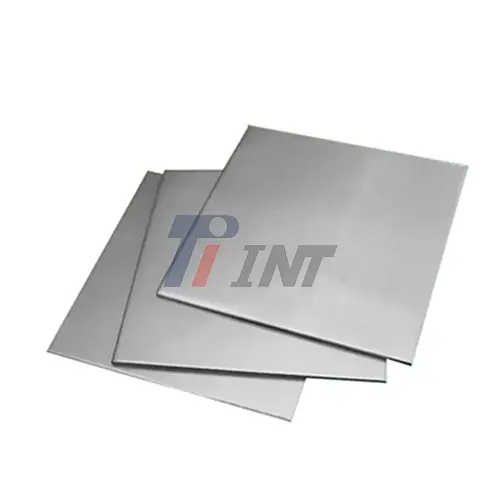
The Remarkable Durability of Titanium Implants
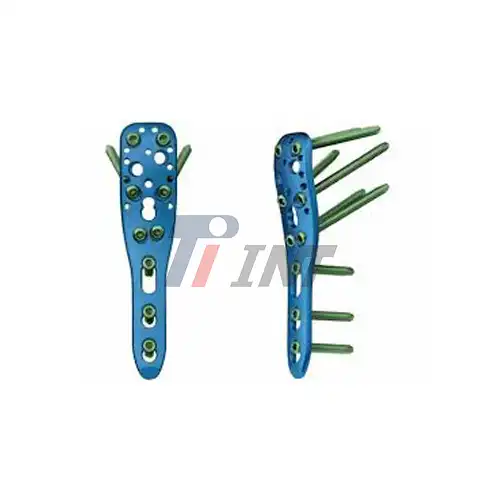
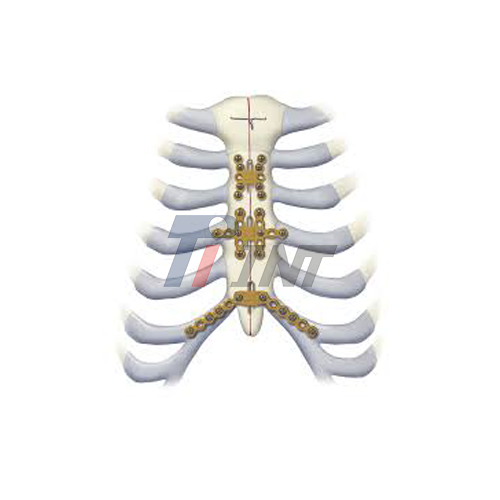
Titanium has earned its notoriety as the go-to fabric for therapeutic inserts due to its uncommon properties. Its biocompatibility, erosion resistance, and strength-to-weight proportion make it a perfect choice for long-term implantation. When considering titanium plate in chest, these characteristics have gotten to be indeed more significant.
The human body is a complex environment, and any remote question presented into it must withstand different physiological forms. Titanium exceeds expectations in this respect, as it shapes a defensive oxide layer upon introduction to oxygen, rendering it for all intents and purposes inactive inside the body. This natural property contributes altogether to the life span of titanium inserts.
In numerous cases, titanium plates can stay in the body inconclusively without causing antagonistic impacts. Be that as it may, the choice to keep or expel an embed depends on different components, including the particular therapeutic condition, the patient's general well-being, and the proposal of healthcare experts.
Factors Influencing the Lifespan of Titanium Plates in the Chest
While titanium plates are designed for long-term use, several factors can influence their lifespan and the necessity for removal:
- Purpose of implantation: Titanium plates used for fracture fixation may be removed once healing is complete, while those used for structural support might remain permanently.
- Patient age and growth: In pediatric cases, plates or implants may require periodic adjustments or removal to ensure proper bone growth and alignment, as the child’s skeletal structure develops and changes over time.
- Complications: Although rare, complications such as infection, implant loosening, or damage to surrounding tissues may require the removal or replacement of the implant to prevent further health issues and ensure optimal recovery.
- Patient comfort: Some individuals may experience mild to moderate discomfort, tenderness, or sensitivity around the implant site, especially during physical activity or pressure. This discomfort is typically temporary and may resolve with time or proper medical care.
- Imaging considerations: Titanium plates can interfere with certain imaging techniques, potentially affecting future diagnostic procedures.
When it comes to titanium plate in chest, the unique anatomy and function of this area introduce additional considerations. The constant movement associated with breathing and the proximity to vital organs mean that these implants must be particularly resilient and well-positioned.
Long-Term Outcomes and Patient Experiences
Research has shown that many patients with titanium plates in the chest experience positive long-term outcomes. A study published in the Journal of Thoracic Disease found that titanium plates used in chest wall reconstruction demonstrated excellent stability and low complication rates over extended periods. Patient experiences vary, but many report minimal awareness of their implants years after surgery. Some even forget about the presence of the titanium plates altogether, a testament to the biocompatibility of the material.
However, it's important to note that individual experiences can differ. Some patients may develop sensitivity to the implant over time or experience discomfort during certain activities. In such cases, removal of the titanium plate in chest might be considered if the benefits outweigh the risks of additional surgery. Regular follow-ups with healthcare providers are crucial for monitoring the status of titanium implants. These check-ups allow for early detection of any potential issues and ensure that the implant continues to serve its intended purpose effectively.
The decision to remove a titanium plate from the chest area is not taken lightly. Surgeons carefully weigh the potential benefits against the risks of additional surgery. In many cases, if the plate is not causing problems and is fulfilling its function, it may be left in place indefinitely. Advancements in medical technology continue to improve the design and application of titanium plates. Newer implants are being developed with enhanced osseointegration properties, potentially increasing their longevity and reducing the likelihood of complications.
For those considering or already living with titanium plate in the chest, it's reassuring to know that these implants are designed for long-term use. The exceptional properties of titanium, combined with ongoing medical advancements, provide a durable and reliable solution for various chest wall reconstructions and repairs.
Conclusion
In conclusion, titanium plate in chest, particularly those used in the chest area, have demonstrated remarkable longevity within the human body. Their ability to remain in place for decades, or even a lifetime, is a testament to the biocompatibility and durability of titanium as a medical implant material. While the potential for lifelong implantation exists, the decision to retain or remove a titanium plate should always be made on a case-by-case basis, considering individual patient factors and medical advice. Regular follow-ups and open communication with healthcare providers are essential for ensuring the ongoing success of titanium implants.
As medical technology continues to evolve, we can expect even more advanced and patient-friendly titanium implants in the future. For those seeking high-quality medical titanium products or more information about titanium applications in healthcare, Baoji INT Medical Titanium Co., Ltd. offers a wealth of expertise and resources. To learn more about their range of medical titanium materials and products, interested parties can reach out to them at export@tiint.com.
_1752817116199.webp)
_1752462199458.webp)
_1750668405487.webp)
_1750923514395.webp)