


 2025-12-22 09:34:02

The Remarkable Durability of Titanium Skull Plates
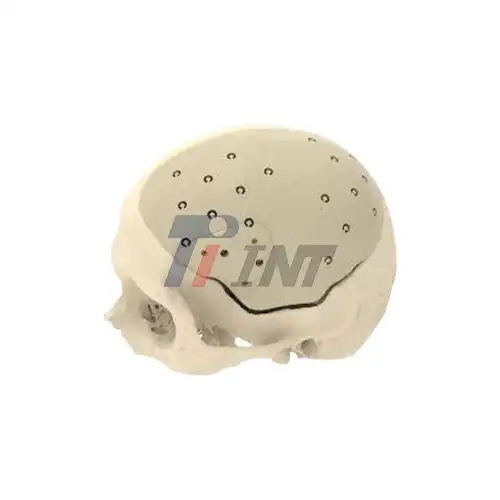
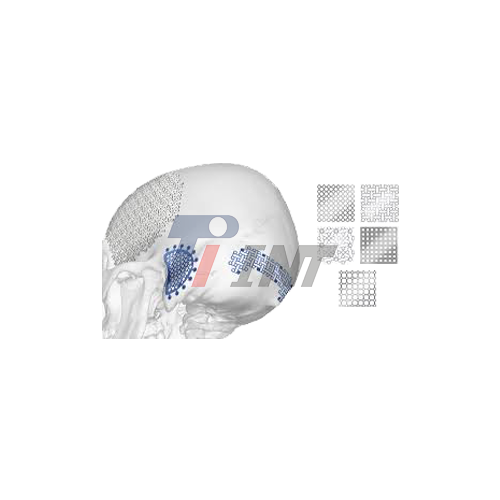
Titanium cranium plates are planned to be a changeless arrangement for patients who have experienced brain surgery. These plates are made from high-quality medical-grade titanium, eminent for its uncommon quality, biocompatibility, and resistance to erosion. When legitimately embedded, titanium cranium plates can last a lifetime, giving ceaseless assurance and bolster for the brain.
The longevity of titanium skull plates is attributed to several factors:
- Material Properties: Titanium is an inert metal that doesn't react with bodily fluids or tissues, making it highly stable within the human body.
- Osseointegration: Over time, titanium plate for brain surgery promotes osseointegration, where they fuse with surrounding bone tissue, creating a strong, stable bond that enhances the durability and effectiveness of the implant.
- Corrosion Resistance: Unlike other metals, titanium resists corrosion by forming a protective oxide layer, ensuring the plate maintains its structural integrity and durability over many years in the body.
- Biocompatibility: The human body generally accepts titanium implants without adverse reactions, reducing the risk of complications that could shorten the plate's lifespan.
While titanium skull plates are designed to last indefinitely, it's important to note that individual experiences may vary. Variables such as the patient's general well-being, the particular surgical procedure utilized, and post-operative care can all impact the life span of the embed.
Factors Affecting the Lifespan of Titanium Plates for Brain Surgery
Although titanium skull plates are incredibly durable, several factors can impact their longevity:
1. Surgical Technique: The neurosurgeon's skill and precision during implantation are crucial for ensuring the titanium plate's proper placement, contributing to its long-term success and optimal healing outcomes.
2. Patient Health: Underlying health conditions, like osteoporosis or compromised immune function, can hinder the titanium plate's integration with bone tissue, potentially affecting its stability and the overall success of the surgical procedure.
3. Trauma or Injury: Severe head injuries following surgery could cause damage or displacement of the titanium plate for brain surgery, which may compromise its stability, disrupt the healing process, and negatively impact the overall success and long-term outcome of the surgery.
4. Infection: Although rare, infections at the implant site can compromise the titanium plate's integrity, potentially leading to complications and requiring surgical removal to prevent further issues.
5. Manufacturing Quality: The quality of the titanium plate itself is crucial. Reputable manufacturers, such as Baoji INT Medical Titanium Co., Ltd., adhere to strict quality control measures to ensure the highest standards for their medical titanium products.
It's worth noting that advancements in medical technology and surgical techniques continue to improve the longevity and effectiveness of titanium skull plates. Ongoing research focuses on enhancing the design, materials, and integration methods to further extend the lifespan of these critical implants.
Maintenance and Care for Titanium Skull Plates
While titanium skull plates are designed to be low-maintenance, proper care can help ensure their longevity and effectiveness. Here are some key considerations for patients with titanium skull plates:
- Follow Medical Advice: Adhere to all post-operative instructions provided by your neurosurgeon, including any activity restrictions or wound care guidelines.
- Regular Check-ups: Attending scheduled follow-up appointments is essential to monitor healing progress, ensure proper integration of the plate, and address any potential complications early for optimal recovery.
- Avoid Head Trauma:Take necessary precautions to protect your head from impacts or injuries, as trauma could damage or displace the titanium plate for brain surgery, compromising its stability and hindering the healing process and surgical outcome.
- Maintain Overall Health: A healthy lifestyle, including balanced nutrition and regular exercise, helps support bone health, enhances the body’s ability to heal, and promotes the successful integration and long-term stability of the titanium plate.
- Be Aware of Warning Signs: Report any unusual symptoms, such as persistent pain, swelling, or changes in sensation around the implant site, to your healthcare provider promptly.
It's vital to keep in mind that whereas titanium cranium plates are fantastically tough, they are not indestructible. In uncommon cases, complications or changes in a patient's condition may require the substitution or expulsion of the plate. However, such instances are uncommon, and most patients can expect their titanium skull plates to provide long-lasting protection and support.
The remarkable longevity of titanium skull plates is a testament to the advancements in medical technology and the expertise of neurosurgeons and medical device manufacturers. Companies like Baoji INT Medical Titanium Co., Ltd. play a crucial role in this field by producing high-quality titanium materials for medical applications. Their commitment to excellence ensures that patients receive the best possible care and outcomes from their brain surgery procedures.
Conclusion
Titanium plate for brain surgery is outlined to last a lifetime, giving strong security and bolster for patients who have experienced brain surgery. The uncommon properties of medical-grade titanium, combined with progressed surgical procedures and legitimate persistent care, contribute to the long-term victory of these inserts. While individual experiences may vary, the vast majority of patients can expect their titanium skull plates to serve them well for many years to come.
For more information about medical titanium products and their applications in neurosurgery, please contact Baoji INT Medical Titanium Co., Ltd. at export@tiint.com. Their group of specialists can give profitable experiences into the most recent progressions in therapeutic titanium innovation and how it's forming the future of brain surgery.
_1751956094730.webp)
_1750662961697.webp)