
Titanium Plates vs. Other Materials for Brain Surgery


 2025-12-22 09:35:08
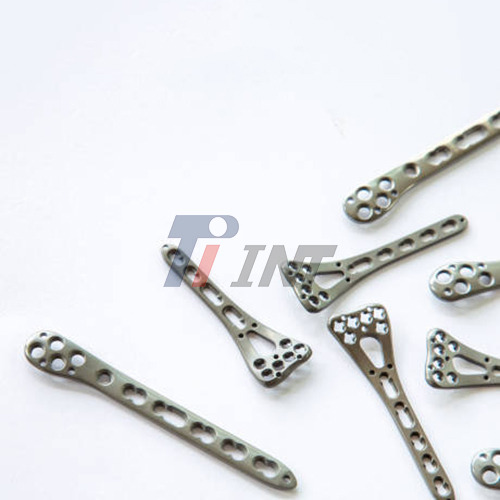
When it comes to brain surgery, the choice of materials used for inserts and obsession gadgets is vital. Among the different alternatives accessible, titanium plates have developed as a favored choice for numerous neurosurgeons. This article dives into the world of titanium plate for brain surgery, comparing them with other materials and investigating their special focal points.
|

|
|
The Evolution of Cranial Fixation Materials
Brain surgery has come a long way since its beginning. The materials used for cranial obsession have advanced essentially, keeping pace with progressions in medical innovation. In the early days, specialists depended on materials like wire and sutures to secure bone folds after craniotomy. In any case, these strategies frequently drove to complications and were not continuously viable in giving steady obsession.
As medical science progressed, new materials were introduced. Stainless steel was one of the first metals used for cranial plates. While it offered better stability than earlier methods, it had its drawbacks, including magnetic interference with imaging techniques and potential allergic reactions in some patients.
The search for an ideal material led to the development of biocompatible polymers. These materials, such as polyetheretherketone (PEEK), offered advantages like radiolucency and a modulus of elasticity closer to bone. However, they too had limitations, particularly in terms of long-term stability and integration with bone tissue. Enter titanium. The presentation of titanium plate for brain surgery checked a critical milestone in neurosurgery. Titanium's special properties make it especially well-suited for cranial obsession, advertising a combination of quality, biocompatibility, and flexibility that other materials battle to coordinate.
Titanium Plates: The Gold Standard for Cranial Fixation
Titanium plates have become the gold standard for cranial fixation in brain surgery, and for good reason. These plates offer a unique combination of properties that make them ideal for this critical application:
- Biocompatibility: Titanium is highly biocompatible, meaning it's well-tolerated by the human body. This reduces the risk of adverse reactions and promotes better integration with surrounding tissues.
- Strength-to-weight ratio: Titanium boasts an impressive strength-to-weight ratio. It's as strong as steel but 45% lighter, making it ideal for use in delicate areas like the skull.
- Corrosion resistance: Unlike some other metals, titanium is highly resistant to corrosion, ensuring long-term stability and reducing the risk of degradation over time.
- Osseointegration: Titanium has the unique ability to osseointegrate, or fuse with bone tissue. This property enhances the stability of the implant and promotes better healing.
- MRI compatibility: Unlike some other metals, titanium is compatible with magnetic resonance imaging (MRI), allowing for post-operative imaging without interference.
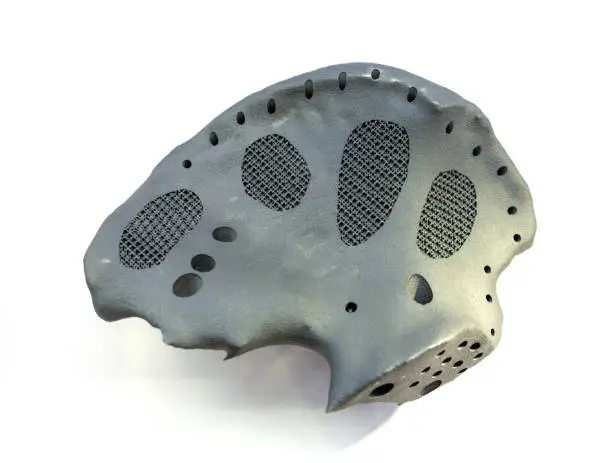
These properties make titanium plates a fabulous choice for different neurosurgical applications, including cranium reproduction after injury, tumor evacuation, or decompressive craniectomy. Additionally, titanium plates can be effectively shaped and contoured to fit the interesting life systems of each patient's skull. This pliability permits for precise situations and ideal, tasteful results, which is especially vital in visible areas of the head.
Comparing Titanium Plates with Alternative Materials
While titanium plate for brain surgery have become the preferred choice for many neurosurgeons, it's important to understand how they compare to other materials used in brain surgery:
Stainless Steel: Once a common choice for cranial plates, stainless steel has largely been supplanted by titanium. While stainless steel is strong and relatively inexpensive, it has several drawbacks when compared to titanium:
- Higher risk of allergic reactions
- Greater interference with imaging techniques
- Higher weight, which can be noticeable to patients
- Less biocompatible than titanium
Polymers (e.g., PEEK): Polyetheretherketone (PEEK) and other biocompatible polymers have gained popularity in recent years. They offer some advantages over metals:
- Radiolucency, allowing for clearer post-operative imaging
- A modulus of elasticity closer to bone, potentially reducing stress shielding
- Easy to shape and contour
- However, polymers also have limitations compared to titanium plates:
- Lower strength, which can be a concern in load-bearing applications
- Lack of osseointegration, potentially leading to less stable long-term fixation
- Higher cost compared to titanium in some cases
Resorbable Materials: In some cases, particularly in pediatric patients, resorbable materials like poly-L-lactic acid (PLLA) may be used. These materials gradually break down and are absorbed by the body over time. While this can be advantageous in certain situations, resorbable materials have limitations:
- Lower strength compared to titanium
- Unpredictable resorption rates
- Potential for foreign body reactions as the material breaks down
- Higher cost
Given these comparisons, it's clear why titanium plate for brain surgery have become the preferred choice for many neurosurgeons. They offer a unique combination of strength, biocompatibility, and long-term stability that other materials struggle to match. However, it's important to note that the choice of material often depends on the specific needs of each patient and the nature of the surgery. Factors such as the location and size of the cranial defect, the patient's age and overall health, and the potential need for future imaging all play a role in material selection.
Conclusion
The use of titanium plates for brain surgery represents a significant advancement in neurosurgical techniques. These plates offer a unique combination of strength, biocompatibility, and versatility that makes them ideal for cranial fixation. While other materials have their place in specific applications, titanium plates continue to be the gold standard for many neurosurgical procedures.
As medical technology continues to advance, we can expect to see further refinements in the design and application of titanium plates, as well as the development of new materials and techniques. However, the fundamental properties that make titanium so well-suited for brain surgery are likely to ensure its continued importance in the field for years to come.
For those interested in learning more about titanium plate for brain surgery or other medical titanium products, Baoji INT Medical Titanium Co., Ltd. offers a wealth of expertise and high-quality products. With over 30 years of experience in the research, development, and production of titanium materials, INT is at the forefront of medical titanium technology. To explore their range of products or discuss your specific needs, you can reach out to them at export@tiint.com.
References
1. Wachter, D., Reineke, K., Behm, T., & Rohde, V. (2013). Cranioplasty with polymethylmethacrylate (PMMA) versus titanium: A randomized clinical trial. World Neurosurgery, 80(1-2), e307-e314.
2. Zanotti, B., Zingaretti, N., Verlicchi, A., Robiony, M., Alfieri, A., & Parodi, P. C. (2016). Cranioplasty: Review of materials. Journal of Craniofacial Surgery, 27(8), 2061-2072.
3. Piitulainen, J. M., Kauko, T., Aitasalo, K. M., Vuorinen, V., Vallittu, P. K., & Posti, J. P. (2015). Outcomes of cranioplasty with synthetic materials and autologous bone grafts. World Neurosurgery, 83(5), 708-714.
4. Shah, A. M., Jung, H., & Skirboll, S. (2014). Materials used in cranioplasty: a history and analysis. Neurosurgical Focus, 36(4), E19.
5. Honeybul, S., & Ho, K. M. (2016). How "successful" is calvarial reconstruction using frozen autologous bone? Plastic and Reconstructive Surgery, 137(1), 192-199.
_1772162494331.jpg)
_1752462620877.webp)
_1752462435099.webp)
_1750664314563.webp)