


 2026-01-05 09:08:37
The Remarkable Strength of Titanium Plates in Jaw Surgery
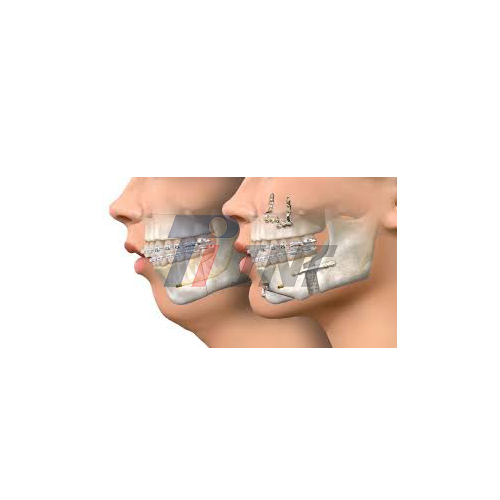
Titanium plates used in jaw surgery are renowned for their exceptional strength and durability. These plates are designed to withstand the significant forces exerted by the jaw during everyday activities such as speaking, chewing, and facial expressions.
Unparalleled Strength-to-Weight Ratio
One of the most impressive characteristics of jaw surgery titanium plates is their outstanding strength-to-weight ratio. This property allows the plates to provide robust support while remaining lightweight, minimizing discomfort for patients. The high strength-to-weight ratio of titanium ensures that the plates can effectively stabilize the jaw without adding unnecessary bulk or compromising the natural feel of the facial structure.
Resistance to Deformation and Fatigue
Jaw surgery titanium plates exhibit remarkable resistance to deformation and fatigue. This resilience is crucial for maintaining proper alignment of the jaw bones during the healing process. The plates are engineered to withstand repeated stress cycles without losing their structural integrity, ensuring long-term stability and reducing the risk of complications or the need for revision surgeries.
Corrosion Resistance for Long-Term Performance
Another key aspect of the strength of jaw surgery titanium plates is their excellent corrosion resistance. This property is vital in the moist environment of the oral cavity, where the plates are exposed to saliva and other bodily fluids. The corrosion-resistant nature of titanium ensures that the plates maintain their strength and structural integrity over time, contributing to their long-term effectiveness and patient safety.
Benefits of Using Titanium Plates in Jaw Surgery
The use of titanium plates in jaw surgery offers numerous advantages that contribute to successful outcomes and patient satisfaction.
Biocompatibility and Reduced Risk of Rejection
One of the most notable benefits of jaw surgery titanium plates is their outstanding biocompatibility, which minimizes the likelihood of allergic or inflammatory responses. Titanium interacts harmoniously with bone and soft tissue, allowing natural osseointegration to occur. This strong biological connection promotes faster healing and long-term stability of the implant. Moreover, titanium’s non-toxic and corrosion-resistant properties ensure it remains safe and durable within the body, reducing post-surgical complications and enhancing patient confidence in the recovery process.
Enhanced Stability and Precise Alignment
Titanium plates used in jaw surgery offer exceptional mechanical strength, providing the structural support needed for accurate bone alignment and fixation. Their rigidity ensures that bone segments remain securely in place during the healing phase, minimizing unwanted movement and aiding in proper bone fusion. Surgeons can contour the plates to fit individual anatomical structures, resulting in precise alignment and improved aesthetic symmetry. This enhanced stability not only facilitates optimal healing but also contributes to restoring natural jaw function and achieving long-lasting surgical success.
Radiolucency for Post-Operative Monitoring
Another important advantage of titanium plates in jaw surgery is their radiolucent quality, which permits clear post-operative imaging without distortion. This feature allows surgeons to evaluate bone healing, plate positioning, and tissue integration with high accuracy using X-rays or CT scans. The absence of imaging interference helps identify any potential complications early, such as improper fixation or delayed bone fusion. Consequently, healthcare professionals can make timely adjustments to ensure the best recovery outcomes, improving both clinical efficiency and patient safety during follow-up assessments.
Advancements in Titanium Plate Technology for Jaw Surgery
The field of jaw surgery has seen significant advancements in titanium plate technology, further enhancing their strength and effectiveness.
Customized Plate Designs for Optimal Fit
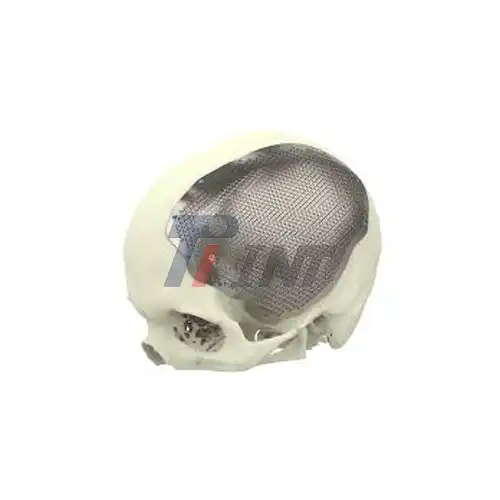
Recent innovations in jaw surgery titanium plates include the development of customized plate designs. Using advanced 3D imaging and computer-aided design technologies, surgeons can now work with jaw surgery titanium plate suppliers to create patient-specific plates that perfectly match the unique anatomy of each individual. These customized plates offer improved fit, stability, and aesthetic outcomes, further enhancing the success rates of jaw surgeries.
Surface Modifications for Enhanced Osseointegration
Ongoing research has led to the development of surface modifications for jaw surgery titanium plates. These modifications, such as micro-texturing or bioactive coatings, aim to enhance osseointegration – the process by which bone tissue grows and integrates with the implant surface. Improved osseointegration contributes to stronger and more stable fixation, potentially reducing healing times and improving long-term outcomes for patients undergoing jaw surgery.
Biodegradable Titanium Alloys: A Future Possibility
While current jaw surgery titanium plates are designed for permanent implantation, research is underway to develop biodegradable titanium alloys. These innovative materials would provide the initial strength and stability required for jaw surgery while gradually dissolving over time as the bone heals. This advancement could potentially eliminate the need for plate removal surgeries and reduce long-term complications associated with permanent implants.
Conclusion
The strength and durability of titanium plates used in jaw surgery are truly remarkable. Their high strength-to-weight ratio, resistance to deformation and fatigue, and corrosion resistance make them an ideal choice for ensuring successful outcomes in orthognathic procedures. As technology continues to advance, leading jaw surgery titanium plates supplier are developing even more innovative solutions, further improving patient care and surgical results. For more information about our high-quality jaw surgery titanium plates and other medical titanium products, please don't hesitate to contact us at export@tiint.com. Our team of experts is ready to assist you with any inquiries and provide tailored solutions for your specific needs.
FAQ
How long do titanium plates last after jaw surgery?
Titanium plates used in jaw surgery are designed for long-term use and can last a lifetime in many cases. Their durability and corrosion resistance contribute to their longevity.
Are titanium plates safe for MRI scans?
Yes, titanium plates are generally considered MRI-safe. They are non-magnetic and do not interfere with MRI imaging, allowing patients to undergo scans safely after jaw surgery.
Can titanium plates cause allergic reactions?
Allergic reactions to titanium are extremely rare. The biocompatibility of titanium makes it an excellent choice for medical implants, including jaw surgery plates.
References
1. Agarwal, R., & García, A. J. (2015). Biomaterial strategies for engineering implants for enhanced osseointegration and bone repair. Advanced Drug Delivery Reviews, 94, 53-62.
2. Elias, C. N., Lima, J. H. C., Valiev, R., & Meyers, M. A. (2008). Biomedical applications of titanium and its alloys. JOM, 60(3), 46-49.
3. Geetha, M., Singh, A. K., Asokamani, R., & Gogia, A. K. (2009). Ti based biomaterials, the ultimate choice for orthopaedic implants – A review. Progress in Materials Science, 54(3), 397-425.
4. Niinomi, M. (2008). Mechanical biocompatibilities of titanium alloys for biomedical applications. Journal of the Mechanical Behavior of Biomedical Materials, 1(1), 30-42.
5. Sidambe, A. T. (2014). Biocompatibility of advanced manufactured titanium implants—A review. Materials, 7(12), 8168-8188.
_1753427753918.webp)
_1752818317695.webp)
_1750662435585.webp)