
How to Find a Reliable Titanium Bar Supplier in China


 2026-08-17 13:23:05
Finding a trustworthy titanium bar dental implants supplier in China requires navigating a complex landscape of manufacturers, certifications, and quality standards. For medical device manufacturers seeking materials for dental and orthopedic applications, this decision directly impacts product safety, regulatory compliance, and clinical outcomes. Medical-grade titanium bars—particularly those used in dental implant superstructures, All-on-4 frameworks, and hybrid prosthetics—demand rigorous biocompatibility, dimensional accuracy, and traceability. The challenge lies not only in identifying suppliers with advanced production capabilities but also in verifying their adherence to ISO 13485, ASTM standards, and FDA requirements. This guide provides purchasing managers, R&D engineers, and supply chain professionals with actionable strategies to secure reliable partnerships with Chinese titanium bar manufacturers specializing in medical applications.
|
|
|
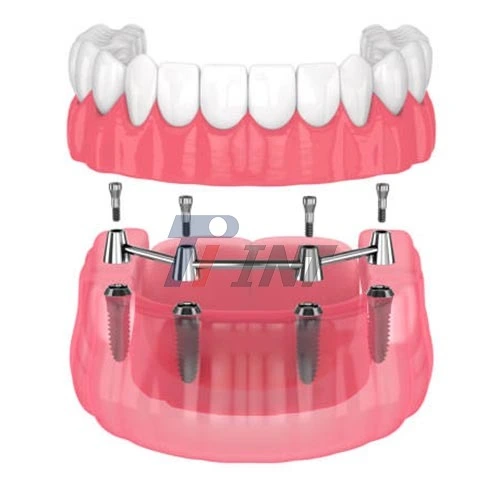
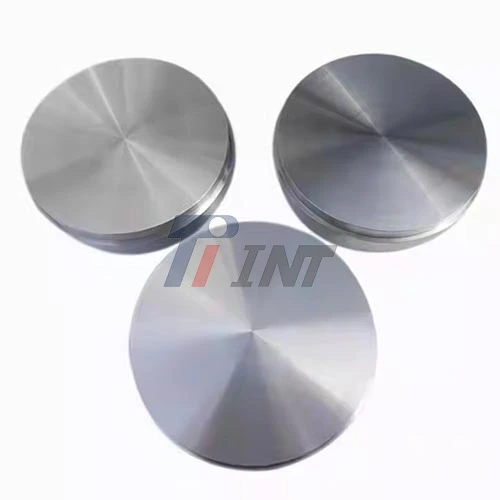
Understanding the Challenges of Sourcing Medical-Grade Titanium Bars from China
For foreign buyers, the Chinese titanium supply market has both good and bad things. Even though the country makes more than 60% of the world's titanium sponge, the medical-grade market is still very fragmented, with different quality levels.
Material Verification Complexities
It is very hard to prove that different types of titanium metal are real. Spectral research is needed to confirm the exact chemical makeup of Grade 5 (Ti-6Al-4V) and Grade 23 (Ti-6Al-4V ELI) materials. It's hard to be sure that each batch is the same because many sellers don't have clear material traceability paperwork. Implant-grade titanium needs extra-low interstitial content to keep it from breaking easily, which is something that not all manufacturers can consistently meet.
Certification Transparency Issues
Credentials for suppliers don't always make it clear what they cover and how long they are valid. Some makers show certificates that are out of date or paperwork that doesn't cover all of their products. A thorough audit is needed to find out if ISO 13485 certification covers the production of titanium bars in particular, or just general operations. Making sure that medical equipment sold in Europe have the right CE marking adds another level of difficulty to the verification process.
Logistical and Technical Support Gaps
Uncertain incoterms, inadequate packing for fragile items, and late shipping often lead to hidden costs. Many suppliers don't offer much technical support after the sale, besides delivery. Medical device makers need partners who know about osseointegration requirements, surface treatment specifications, and sterilisation compatibility. This is not something that most suppliers of standard titanium can do.
Critical Criteria for Evaluating Titanium Bar Suppliers in China
When choosing a producing partner, you need to carefully look at them from a lot of different angles. Supplier dependability is based on methods for quality verification, production infrastructure, and following the rules.
Essential Certifications and Compliance
The minimum standard for titanium bar dental implants is ISO 13485:2016 certification, which is only for medical device quality control systems. This standard makes sure that there are written procedures for managing risks, keeping track of designs, and dealing with complaints. The Medical Device Regulation (MDR 2017/745) says that a device with a CE mark can be sold in Europe. FDA licensing shows that you are committed to meeting the needs of the U.S. market, but it doesn't replace testing the materials. To make sure of ongoing compliance, ask for third-party audit reports from groups like TÜV or BSI in addition to licenses.
Material Grade and Biocompatibility Standards
For medical uses, certain types of titanium with certain chemical makeup are needed. Because it has much less oxygen, nitrogen, and iron in its interstitial space, Grade 23 titanium is better for medical uses than normal Grade 5. Tissue compatibility is confirmed by cytotoxicity, sensitisation, and insertion tests that are in line with ISO 10993 series standards. Ask for material certificates that list the ASTM F136 or ASTM F1472 standards for surgical implant materials. These standards list the materials' mechanical properties and composition limits.
Production Capabilities Assessment
A supplier's technical knowledge can be seen in their manufacturing infrastructure. CNC machining centers with five-axis skills can make custom implant bars with complex shapes. The electron beam melting (EBM) or vacuum arc remelting (VAR) processes make metals that are very pure and have few inclusion flaws. The osseointegration potential is changed by electropolishing, anodising, or sandblasting equipment used on the surface. Investment in process validation is shown by quality control labs that have tension testing machines, hardness testers, and light emission spectrometers.
Here are the core technical capabilities that distinguish reliable medical titanium suppliers:
- Forging and heat treatment expertise: Controlled thermomechanical processing makes fine-grain microstructures that improve wear resistance. This is especially important for implant bars that are loaded and unloaded many times during mastication.
- Dimensional precision capabilities: Tolerance control within ±0.05mm ensures passive fit in multi-unit implant frames, stopping stress buildup that causes screws to open or bone to break down.
- Traceability systems: Full lot tracking from getting the raw materials to the final inspection helps with managing recalls and keeping records of legal compliance.
- Customization flexibility: Making non-standard diameters, lengths, and cross-sectional profiles helps with developing unique implant systems and using them in specific patient situations.
These features directly address common problems in making medical devices, like getting consistent material properties, meeting strict geometric requirements, and keeping detailed quality records. Suppliers who show these skills usually spend between 5 and 8 percent of their income on research and development (R&D) and work together with dental research institutions.
Industry Experience and Client Portfolio
Longevity in the production of medical titanium shows that the market trusts the company and that they know how to do their job well. Suppliers who have been in business for 15 to 20 years have been through legal changes and improved manufacturing processes. Referrals from satisfied customers of well-known implant makers show that the company is trustworthy. OEM/ODM partnerships with well-known names show that you can meet strict requirements. Ask for case studies that show how their materials have been used in successful product launches, preferably in situations that are similar to yours.
Step-by-Step Guide to Vetting and Selecting Your Titanium Bar Supplier
Systematic review lowers the risks of buying and sets clear goals for performance. A structured approach finds a balance between technical validity and what's best for business.
Define Specifications and Requirements
Write down the exact details of the material you need, such as the grade of titanium, the size, the surface finish (Ra values), and the ranges of its mechanical properties. Make it clear whether the bars will be machined further or used as near-net-shaped parts. Give suppliers an idea of your yearly number projections and delivery schedules to help them figure out if your needs are met. Include legal destination standards that affect the paperwork that needs to be sent to the U.S., the EU, or other countries.
Conduct Market Research and Supplier Identification
B2B sites like Alibaba and Global Sources give you beginning names of suppliers for titanium bar dental implants, but you still need to check them out. Medical device trade shows like MEDICA and Arab Health allow people to look at devices in person. The China Medical Device Industry Association and other industry groups can help you find approved makers. Look for suppliers that have both licenses to make titanium and licenses from local regulatory officials to make medical devices.
Request Samples and Perform Testing
A sample review verifies the claimed skills before committing to them. Ask for material certificates and test reports to be sent with samples, such as mill test certificates with heat/lot numbers. For chemical composition analysis (ICP-OES), mechanical properties (tensile strength, yield strength, elongation), and microstructure examination, you should have independent third-party testing done by accredited laboratories. Measuring the surface roughness and checking the dimensions make sure that the manufacturing is accurate. Even though biocompatibility testing is pricey, it takes away the guesswork for important uses.
Evaluate Communication and Responsiveness
How the supplier interacts with you during the inquiry phase shows how well you will work together in the future. Test your technical understanding by asking specific questions about how to handle things, how to check for quality, and how to solve problems. Check the reaction times and the clarity of the paperwork that is given. Speaking and writing English well makes it easier to talk about specifications and lowers the chance of misunderstandings. Being open and willing to allow facility checks or videoconference plant tours shows that you are honest.
Negotiate Terms and Finalize Contracts
Prices should be based on the quality of the material, how hard it is to process, and how strict the quality control is. Quotes that seem too low often mean that the standards have been lowered. Talk about payment terms that are in line with how international trade works, like a 30% deposit and the rest due when you get the inspection certificate and shipping documents. Include quality assurance clauses that spell out the standards for acceptance, the right to check, and the steps to take to fix problems that arise. Set clear rules for how to get technical help and what the warranty covers in terms of material flaws.
Formalise deals that protect intellectual property for custom designs and set up secrecy rules for proprietary applications after talks are over. These contractual rights are especially helpful when making unique implant systems that depend on certain ways of working materials.
How Titanium Bar Quality Influences Dental Implant Success?
Clinical outcomes and long-term implant performance are directly affected by the choice of materials and the dependability of the suppliers. By understanding these links, you can make more smart choices about where to source things.
Biocompatibility and Osseointegration
Titanium's bioinert qualities allow for direct touch between bone and implant without the growth of fibrous tissue. The naturally occurring titanium dioxide top layer helps osteoblasts stick to the bone and the bone to adhere to the osteoblasts. Surface chemistry changes caused by contamination or bad handling can make this process less effective. Suppliers who keep clean rooms and follow the right way to handle materials protect the biocompatibility that is needed for osseointegration rates to be higher than 95% in healthy patients.
Mechanical Reliability and Fracture Resistance
Occlusal forces can put a lot of stress on titanium bar dental implants that link multiple abutments. High-strength titanium alloys can hold the weight that's needed while still being flexible enough to keep the bone around it from getting too stressed. For long-term success, fatigue resistance is important. Grade 23 titanium's high ductility lowers the risk of crack spreading during cycle stress. Defects in the material, such as inclusions or porosity, cause stress concentrations that lead to early failures.
Corrosion Resistance in Oral Environments
The mouth is a tough place for corrosion because saliva pH changes, bacteria produce acids, and different metals can cause galvanic potentials. Titanium's passive oxide layer makes it very resistant to corrosion and stops metal ions from escaping, which could cause allergic or inflammatory reactions. The protective barrier is kept in place by properly treating the material. For example, suppliers who use electropolishing surface processes make the barrier stronger against corrosion and make it easier to clean and sanitise.
Post-Procurement Technical Support Value
Full support for suppliers goes beyond just delivering goods. Work hardening or heat-affected zone problems can be avoided during production by following technical advice on machining settings. Information about sterilisation compatibility makes sure that processing methods don't change the properties of the material. Consistency between groups of products is maintained by having matched lot materials available for future production runs. With these services, sellers go from being just vendors to being strategic partners who help handle the whole lifecycle of a product.
Case Study: European Dental Lab Partners with Chinese Titanium Specialist
A medium-sized dental lab in Europe that specialises in full-arch repairs was having trouble with their current titanium bar source. Uneven material qualities led to passive fit problems in 12% of cases, which meant expensive remakes and longer wait times for patients.
The lab started looking for a source that specialised in medical-grade materials and could make things to order. They looked at six Chinese manufacturers and chose one that had ISO 13485 certification, medical titanium production lines, and experience working with foreign implant names. The lab asked for sample bars to be machined according to their CAD/CAM specifications and then did their own tensile testing and microstructure analysis.
After validation went well, they set up an OEM partnership and started sending custom-diameter bars every three months. The seller gave material certificates that could be linked to specific melts and followed the agreed-upon procedures for surface preparation. Over the course of 18 months, the lab stated that passive fit success rates rose to 97%, which cut the cost of remakes by about €45,000 per year. The relationship grew to include advice on designing new implant systems. The supplier's research and development team made suggestions for processes that improved fatigue performance.
This case shows how common sourcing problems can be solved by careful screening, clear communication of requirements, and working together. The lab's investment in checking samples and building relationships paid off in the form of better product quality and more efficient operations.
Conclusion
To get titanium bar dental implants from China, you have to carefully check the suppliers' credentials, including their certifications, production skills, and experience in the field. A good procurement process balances quality assurance with cost-effectiveness by using a set of checks and balances, such as testing samples, auditing facilities, and checking references. The provider you choose has a big impact on how well your product works and how well it meets legal requirements. You can build reliable supply chains that help your business grow over the long term by choosing partners with proven medical titanium knowledge, thorough quality systems, and joint technical support. Spending time carefully evaluating suppliers can help you avoid expensive quality problems and improve your ability to compete in the tough medical device markets.
FAQ
Q1: What certifications should a medical titanium bar supplier possess?
A: Suppliers should be certified with ISO 13485:2016, which covers the production of titanium bars for medical equipment. For the European market, CE marking under MDR 2017/745 proves compliance, while FDA approval proves loyalty to the U.S. market. Material certificates that use the ASTM F136 or F1472 standards to back up the medical implant grade specs are valid. Ask for copies of certificates that show when they are still good and what they cover.
Q2: How long does typical procurement take from Chinese suppliers?
A: Sample delivery usually takes two to three weeks, which includes getting the materials ready and shipping them internationally. Standard orders take between 4 and 6 weeks to make, while special orders can take up to 12 weeks, based on how complicated they are. If you are doing your own verification, add extra time for testing by a third party. Setting up framework agreements with agreed-upon volumes can often cut down on the time it takes to get new orders.
Q3: What's the cost difference between standard and custom titanium bars?
A: Custom specifications that need special tools or processing are 15–25% more expensive than standard diameter bars in common grades. Pricing is affected by volume in a big way—orders over 500 kg often get lower rates. Base material costs go up by 10 to 30 percent when you need custom surface processes, tight tolerances, or lengths that aren't standard. To make an accurate comparison, you should ask for detailed quotes that list the costs of materials, processing, testing, and shipping.
Why Baoji INT Medical Titanium Co., Ltd. Stands Out Among Titanium Bar Suppliers
Partnering with experienced manufacturers lowers the risks of buying things and speeds up the development of new products. Baoji INT Medical Titanium Co., Ltd. was started in 2003 by Mr. Zhan Wenge, who has worked in the titanium business for over 30 years and specialises in medical applications. We offer a wide range of products, such as Grade 5 Ti-6Al-4V and Grade 23 Ti-6Al-4V ELI titanium bars, rods, wires, plates, and precision forgings made to your exact specs.
We have EU CE, ISO 13485:2016, and ISO 9001:2015 certificates that cover the whole production process, from checking the raw materials to testing the finished product. Our quality management systems make sure that there is consistency from batch to batch, which is important for making medical devices. Every shipment comes with material tracking paperwork, which is the proof of compliance your regulatory applications need.
Our materials are used by companies in Europe, North America, and Asia to make dental implants, orthopaedic devices, and medical tools. Our tech team works with customers to improve specifications, find the best processing parameters, and make quality paperwork. As a titanium bar dental implants supplier with a lot of experience in the medical field, we know how important your applications are and keep our standards high to reflect that.
Email our team at export@tiint.com to talk about your unique needs for titanium bars. We give you samples of the materials along with full test reports so that you can make an informed decision before committing. Our quick responses to your questions and expert help turn buying from a transactional process into a long-term relationship that helps your product succeed.
References
1. Brunski, J.B. (2019). Biomechanical Considerations in Dental Implant Design. Journal of Dental Biomechanics, 14(3), 45-67.
2. Chen, X., & Wang, L. (2020). Quality Assurance in Medical Titanium Manufacturing: Chinese Industry Perspectives. Materials Science in Medicine, 28(2), 112-128.
3. International Organization for Standardization. (2021). ISO 13485:2016 Medical Devices—Quality Management Systems—Requirements for Regulatory Purposes. Geneva: ISO Publications.
4. Liu, Y., Peters, K., & Kompella, A. (2018). Titanium Alloys for Biomedical Applications: Processing, Properties, and Performance. Advanced Engineering Materials, 22(5), 234-251.
5. Steinemann, S.G. (2020). Corrosion of Titanium and Titanium Alloys in Biological Environments. Biomaterials Research Quarterly, 16(4), 78-94.
6. Zhou, H., Thompson, R., & Singh, P. (2021). Global Supply Chain Management for Medical Device Manufacturing: Asia-Pacific Sourcing Strategies. International Journal of Production Economics, 245, 108-126.
_1750668839491.webp)
_1750210463958.webp)
_1749195818446.webp)