
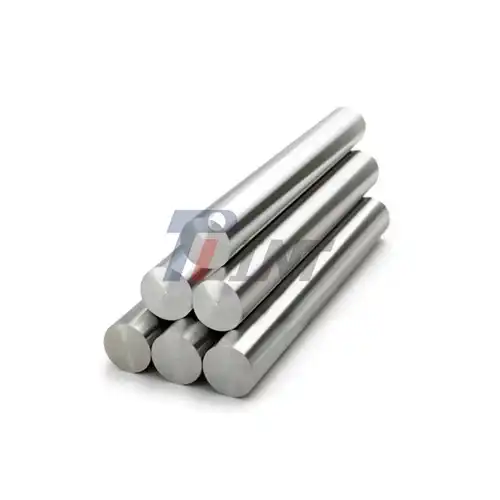
Medical Titanium Bar Benefits Every Buyer Should Know


 2026-08-17 13:23:10
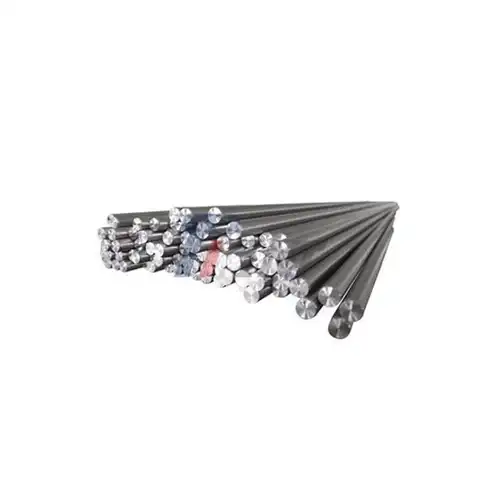
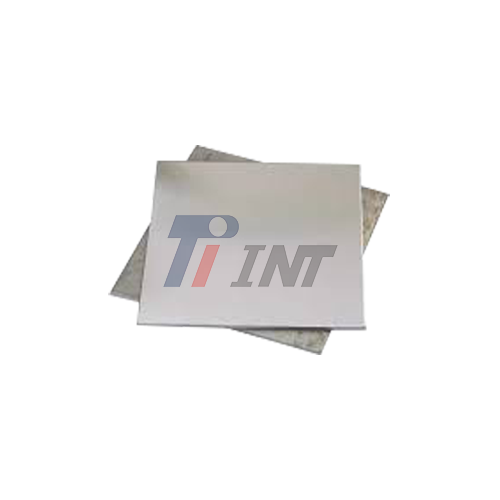
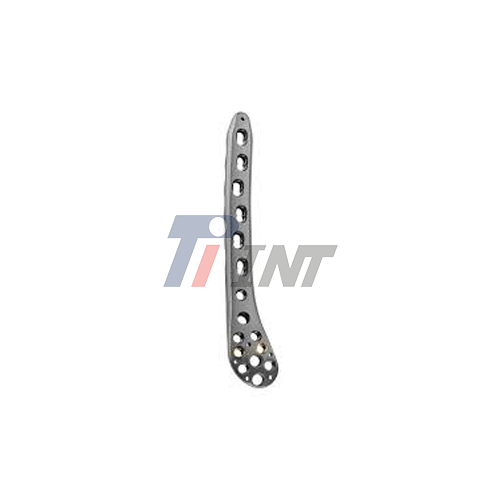
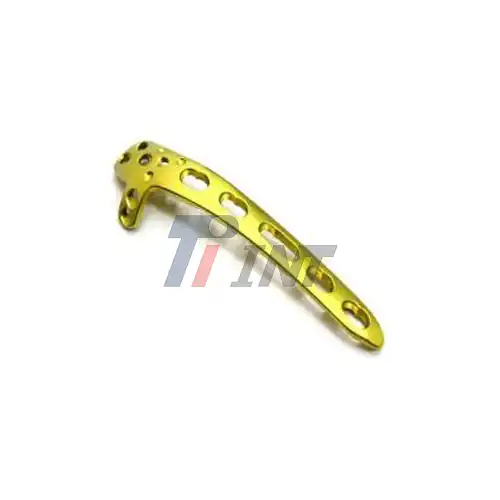
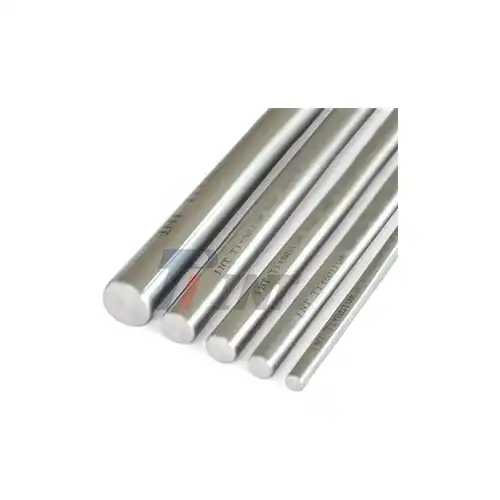
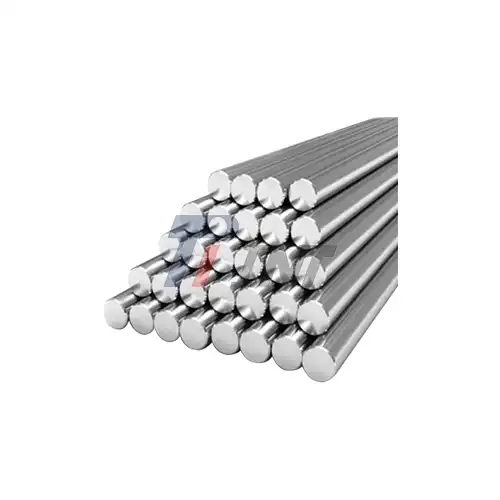
When sourcing materials for life-critical medical devices, understanding the full advantages of a titanium bar for medical use becomes non-negotiable. Medical-grade titanium bars deliver unparalleled biocompatibility, ensuring patient safety while withstanding the harsh physiological environment inside the human body. These materials combine exceptional corrosion resistance with a remarkable strength-to-weight ratio, making them indispensable for orthopedic implants, dental systems, and precision surgical instruments. Certified suppliers meeting ISO 13485:2016 and CE standards provide quality assurance, enabling manufacturers to maintain regulatory compliance while optimizing production efficiency.
|
|
|
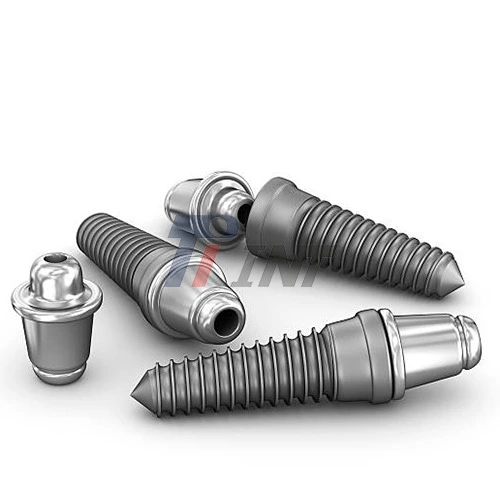
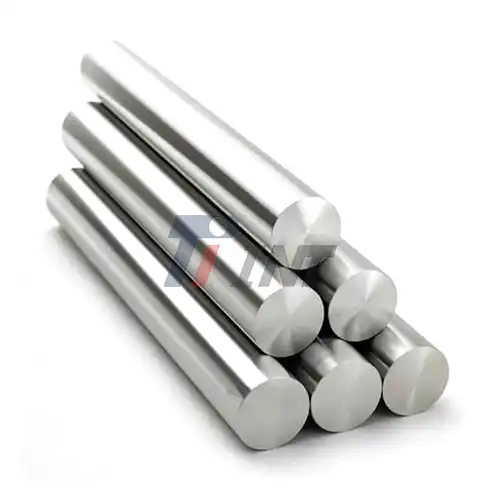
Understanding Medical Titanium Bars: Properties and Benefits
Medical titanium bars for medical use are made from a special kind of material that is designed to meet the strict needs of surgery and implantable uses. They are different from industrial-grade options because of the way they are made.
Exceptional Biocompatibility and Tissue Integration
Biocompatibility is the most important quality for any substance that goes into a person's body. Titanium alloys, like Ti-6Al-4V ELI (Extra Low Interstitial), are very good at sticking to human flesh, which lowers the risk of rejection. The surface of the material forms a stable layer of titanium dioxide (TiO2) on its own, which stops ions from getting into the tissues around it. This passive oxide film allows osseointegration, which is the direct structural connection between living bone and the implant surface. This is important for the long-term stability of implants in dental and orthopedic settings. Over ten years, clinical tests have shown that titanium implants have osseointegration success rates of over 95%.
Superior Corrosion Resistance in Physiological Environments
With its changing pH levels, enzymatic activity, and salt amounts, the human body is a tough place to live. Medical-grade titanium bars are better at resisting rust from body fluids, so they stay structurally sound for decades after being implanted. This toughness is very important for trauma fixation devices that have to hold bones in place while they heal while they are under constant mechanical stress. Because these bars don't rust, surgical instruments made from them can be sterilized many times, including in an autoclave at 134°C and with gamma radiation, without breaking down or getting contaminated on the outside, which could put patients at risk.
Lightweight Strength for Optimal Clinical Performance
Titanium bars have a high ratio of strength to weight, which solves a basic problem in implant design. Titanium has a density of 4.43 g/cm³, which is almost half that of stainless steel. It makes it easier on patients while still having tensile forces of over 860 MPa in Grade 23 alloys. With this mix, doctors can use smaller implants that require less surgery without lowering their functional performance. The lighter weight is especially helpful for spine fusion systems and joint replacement parts, where reducing mass helps protect natural biomechanics and lowers stress shielding. This is when implants that are too stiff stop bones from properly loading, which causes bone density loss over time.
Titanium Bars vs Alternative Materials: Making the Best Choice
When choosing materials for making medical devices, procurement managers have to make very important choices. When you compare a titanium bar for medical use to other materials, you can see that they perform very differently.
Why Titanium Outperforms Stainless Steel?
Even though stainless steel is cheaper at first, titanium bars are a better long-term value for implanted devices. Alloys made of nickel and chromium in stainless steel can make allergic people sick, but titanium doesn't mix with living things. During MRI treatments, the magnetic qualities of stainless steel can cause problems, possibly moving implants or distorting images. Medical titanium bars are not easily magnetized, which makes them compatible with MRIs, which is becoming more and more important as diagnostic imaging becomes normal in post-operative care. Titanium is also better than stainless steel at resisting fatigue in high-cycle applications, like bone screws that have to last millions of loading cycles over the course of a patient's life.
Comparing Titanium Grades for Specific Applications
Knowing the differences between the different grades of titanium helps buyers choose the right materials for the job. Grade 2 economically pure titanium is very flexible, which makes it perfect for craniomaxillofacial plates that doctors have to shape to complicated body shapes during surgery. The lower strength of the material is fine for low-load situations, and it can be shaped better than other materials. Grade 5 (Ti-6Al-4V) has higher mechanical strength thanks to the aluminum and vanadium alloying. It can be used for load-bearing orthopedic parts like femoral stems and tibial components. Grade 23 (Ti-6Al-4V ELI) is the best choice for vital implants because it has tightly controlled interstitial elements (oxygen below 0.13%) that make it much harder to break and less likely to grow wear cracks compared to Grade 5.
Evaluating Medical-Grade Versus Commercial-Grade Standards
Medical-grade and commercial-grade titanium bars are different in more ways than just what they are made of. For example, manufacturing standards and quality control are different for medical-grade bars. Medical-grade materials go through vacuum or triple-melting processes that get rid of as many inclusions as possible. Inclusions are tiny flaws that can cause cracks to spread when they are loaded and unloaded repeatedly.
According to ISO 10993 standards, suppliers must keep a lot of tracking paperwork, such as melt certificates, mechanical test records, and biocompatibility validation. Commercial-grade materials don't have these strict controls, which means they pose too many risks for use in implants. Procurement teams should make sure that providers have ISO 13485:2016 certification, which shows that they have quality control systems in place that are meant to make medical devices.
Procurement Insights: How to Buy Medical Grade Titanium Bars?
When you strategically source medical titanium bars for medical use, you have to think about how to balance technical requirements, legal compliance, and supply chain issues.
Sourcing from Certified Manufacturers
Direct ties with certified producers are better than dealing with distributors who act as middlemen. Manufacturers like Baoji INT Medical Titanium Co., Ltd., which has been in business since 2003 and has over 30 years of experience in the field, offer professional support throughout the entire product development cycle. These partnerships make it possible to customize in ways that off-the-shelf materials can't, such as by meeting specific diameter and length needs or surface finish requirements.
Certified manufacturers keep testing labs on-site for checking mechanical properties, analyzing chemical composition, and non-destructive testing. This makes sure that each batch is the same, which is very important for making regulated medical devices. When looking at possible suppliers, you should ask for facility audit records, customer references from well-known medical device companies, and proof of programs for continuous growth.
Navigating MOQ, Lead Times, and Customization
Minimum order numbers (MOQ) and production lead times have a big effect on deciding how to buy things. The MOQ for standard specifications is usually lower, around 50 to 100 kilograms, and the lead time is 4 to 6 weeks. For special orders that need certain heat treatments, surface preparations, or non-standard sizes, the minimum order quantity (MOQ) may be 200 kg or more, and the lead time may be 8 to 12 weeks to allow for tooling and process validation. To keep production from stopping, buyers should correctly predict demand and keep smart inventory gaps. By making framework agreements with suppliers, you can lower the MOQ for repeat orders and make sure that you get priority during times of high market demand.
Understanding Pricing Structures and Cost Optimization
Medical-grade titanium bars are priced based on more than just the cost of the raw materials. Prices depend on the type of alloy. For example, Grade 23 Ti-6Al-4V ELI costs 15% to 25% more than Grade 5 because it needs to be processed more carefully. Certification costs, such as testing by a third party and keeping records, raise unit costs but are still necessary to meet legal requirements. Prices go up even more when you ask for special services, like precision cutting or electropolishing. By committing to a certain amount of goods, you can get better prices.
For example, yearly contracts with deliveries every three months can save you 5% to 10% compared to buying on the spot. Buyers should also consider the total cost of ownership, which includes material yield rates during machining. The fact that titanium is easy to work with can make up for its higher material costs by cutting down on waste and tool wear.
Ensuring Quality and Safety in Medical Titanium Bars
Quality assurance measures make sure that patients are safe while also keeping the factory running smoothly and in good standing with the government. A high-quality titanium bar for medical use must meet rigorous international standards to ensure reliability.
Rigorous Testing and Certification Standards
A lot of testing makes sure that the products meet the performance and standard requirements. Tensile strength, yield strength, elongation, and modulus of elasticity are checked mechanically against ASTM F136 and ASTM F67 standards. Chemical analysis confirms the composition of the elements, making sure that the amounts of interstitial elements stay within acceptable limits. Through in vitro and in vivo studies, biocompatibility testing according to the ISO 10993 series checks for cytotoxicity, sensitization, and systemic toxicity.
Ultrasonic screening and dye penetrant testing are two types of non-destructive testing that can find problems inside or on the surface of something that can't be seen with the naked eye. It is recommended that manufacturers give a Certificate of Conformance (CoC) that lists the test results for each production lot. This way, it is possible to fully track the product from the raw materials to the finished product.
Sterilization Compatibility and Long-Term Performance
Medical titanium bars must keep their qualities after being sterilized many times without losing any of them. Most of the time, autoclaving is used to sterilize things by putting them in full steam at 121°C to 134°C and 15 to 30 psi of pressure. Titanium is thermally stable and doesn't rust, so even after hundreds of sterilizer cycles, the dimensions and surface structure stay the same. Gamma radiation sterilization gives off ionizing radiation doses of 25 to 50 kGy to single-use instruments that are already packed. Medical-grade titanium bars are very resistant to radiation and don't become weak or lose their properties. Long-term implantation studies that follow devices for 10 to 20 years prove that they keep working mechanically and don't cause any bad biological effects. This gives manufacturers confidence to make new products.
Avoiding Counterfeit and Substandard Materials
The medical device market is growing, which is bad because it has brought in suppliers who sell fake or low-quality materials. These goods might not have the right licenses, have too many impurities, or not meet the required size limits. Procurement teams should set up ways to qualify suppliers, such as on-site checks, making sure that certifications are real by checking with the groups that issued them, and following rules for inspecting arriving materials.
Getting in touch with trustworthy suppliers with decades of experience in the field, like manufacturers with ISO 9001:2015 and ISO 13485:2016 certifications, lowers the risks. Before committing to big sales, ask for samples to be tested by a third party. The cost of discarded batches, production delays, and possible product recalls is much higher than the small amount of money saved by going with cheap sources that you don't know much about.
Trusted Brands and Suppliers of Medical Titanium Bars
Medical device manufacturers can only be successful in the long run if they choose the right supplier partnership for each titanium bar for medical use they source.
What Makes Leading Manufacturers Unique?
Leading manufacturers set themselves apart by providing consistent quality, new technologies, and quick customer service. Companies that have been in the titanium business for a long time, like Baoji INT Medical Titanium Co., Ltd., which was started in 2003 by Mr. Zhan Wenge, bring a wealth of experience that younger companies can't match.
These well-known companies keep buying new, high-tech tools like vacuum melting furnaces and precision forging presses, which let them control microstructures more precisely and with tighter tolerances. Their research and development (R&D) helps with joint product creation by giving advice on choosing materials, suggesting ways to make processes run more smoothly, and looking into failures when they happen. Having long-term ties with big medical device companies is proof of quality and dependability.
Key Criteria for Supplier Evaluation
A good supplier evaluation looks at more than just how competitive the price is. As part of your certification portfolio, you should have ISO 13485:2016 for managing the quality of medical devices, ISO 9001:2015 for general quality systems, and approvals relevant to your area, like EU CE marking. To find out how strict compliance is, look at audit reports from notified bodies or regulatory agencies.
Technical skills, such as having in-house testing labs, metallurgical knowledge, and the ability to make changes, show if providers can adapt to changing product needs. In a world full of shocks, supply chain resilience is becoming more and more important. Suppliers with a variety of raw material sources and enough inventory backups offer more continuity guarantee. You can ask for performance measures like the percentage of on-time deliveries, the number of defects per million parts, and the average wait time for both standard and special orders.
Building Long-Term Strategic Partnerships
When compared to strategic partnerships, transactional buying relationships have fewer benefits that could be gained. Long-term partnerships let suppliers put money into developing processes that are specific to each customer, keeping an inventory of only those items, and giving priority to allocating capacity during times of high demand. Baoji INT Medical Titanium Co., Ltd. has built partnerships with top medical device makers that last more than 10 years.
This shows how valuable long-term relationships are for both parties. These partnerships make it easier to do things like continuous improvement, joint cost-cutting programs, and getting involved early in the development of new products. Suppliers can see how demand will change in the future, which lets them plan ahead for capacity and buy raw materials. Buyers get better prices, expert help, and supply security that buying based only on price can't provide.
Conclusion
To choose the right titanium bar for medical use, you need to know a lot about the material's features, the rules that apply, and the supplier's abilities. Medical-grade titanium bars are essential for orthopedic implants, dental systems, and surgery tools because they are biocompatible, don't rust, and are very strong for their weight. Partnering with certified manufacturers who show consistent quality, technical knowledge, and supply chain reliability is key to successful procurement. Tough testing procedures, the right licenses, and records of tracking make sure that patients are safe and that regulations are followed. Strategic connections with suppliers offer long-term benefits like backing for new ideas, the ability to make changes, and quick service that transactional buying can't match.
FAQ
Q1: What makes titanium bars suitable for medical implants?
A: Medical titanium bars for medical use are very biocompatible because they have a stable layer of titanium dioxide on the outside that stops ions from entering body tissues. This silent film helps osseointegration, which means that the implant can connect directly with the bone without being rejected. The material doesn't rust, so it will last for a long time in physiological settings. It's also very strong for its weight, so implants are lighter without losing any mechanical performance. Because of these qualities and the fact that it can be used with MRIs, titanium is perfect for lifelong implants.
Q2: How do I verify the quality of medical-grade titanium bars?
A: To check the quality of a product, you have to look at the supplier's ISO 13485:2016 certifications as well as the Certificates of Conformance that show that the product has been tested for mechanical strength, chemical composition, and biocompatibility according to ISO 10993 guidelines. Ask for melt certificates that show where the raw materials came from and non-destructive testing results that show there are no internal flaws. Think about having a third party test samples before committing to large amounts. Additional proof comes from supplier audits and customer references from well-known medical device companies.
Q3: What is the difference between Grade 5 and Grade 23 titanium?
A: Grade 5 (Ti-6Al-4V) is strong because it has aluminum and vanadium in it, making it good for load-bearing uses. Grade 23 (Ti-6Al-4V ELI) has the same basic make-up, but it has Extra Low Interstitial content, which means that the levels of oxygen, nitrogen, and carbon are tightly controlled. This makes it much harder to break and less likely to grow fatigue cracks. Grade 23 is the best option for important, long-lasting implantable devices where failure would have serious effects, which is why it costs more.
Partner with a Trusted Medical Titanium Bar Supplier
Since 2003, Baoji INT Medical Titanium Co., Ltd. has been a leader in the production of medical-grade titanium products for the healthcare business around the world. We have a wide range of products, such as Ti-6Al-4V and Ti-6Al-4V ELI titanium bars for medical use with different sizes and shapes. All of these products are approved under ISO 9001:2015, ISO 13485:2016, and EU CE standards. We have been in the titanium business for more than 30 years and can help you with your product development and manufacturing needs by giving you technical advice, custom processing services, and full traceability documentation.
We are committed to quality, reliability, and on-time delivery, as shown by our long-term partnerships with top medical device companies. Our engineering team can help you choose the right materials and make the best processing choices, whether you need high-precision bars for dental implants, load-bearing materials for orthopedic uses, or custom solutions for surgical tools. Email our team at export@tiint.com to talk about your specific needs and get samples from a manufacturer of certified titanium bars for medical use.
References
1. American Society for Testing and Materials. (2021). Standard Specification for Wrought Titanium-6Aluminum-4Vanadium ELI Alloy for Surgical Implant Applications (ASTM F136-13). ASTM International.
2. International Organization for Standardization. (2016). Medical devices - Quality management systems - Requirements for regulatory purposes (ISO 13485:2016). ISO Standards.
3. Niinomi, M., & Nakai, M. (2011). Titanium-Based Biomaterials for Preventing Stress Shielding between Implant Devices and Bone. International Journal of Biomaterials, Article ID 836587.
4. Rack, H.J., & Qazi, J.I. (2006). Titanium alloys for biomedical applications. Materials Science and Engineering C, 26(8), 1269-1277.
5. Long, M., & Rack, H.J. (1998). Titanium alloys in total joint replacement—a materials science perspective. Biomaterials, 19(18), 1621-1639.
6. Geetha, M., Singh, A.K., Asokamani, R., & Gogia, A.K. (2009). Ti based biomaterials, the ultimate choice for orthopaedic implants – A review. Progress in Materials Science, 54(3), 397-425.
_1750664157440.webp)