
How to Select Titanium Bar Diameter for Medical Machining


 2026-08-17 13:23:01
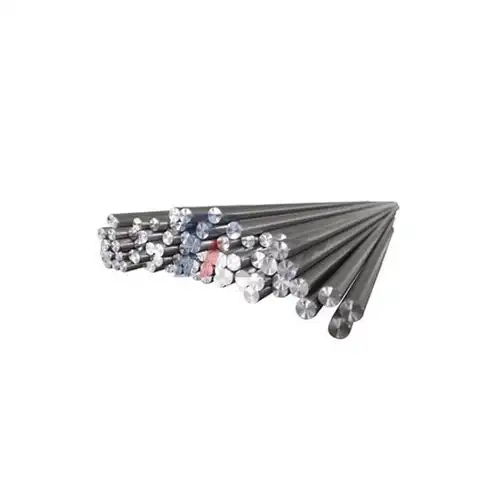
Selecting the appropriate Gr2 Titanium Medical Bar diameter is not about following a one-size-fits-all formula—it requires careful evaluation of your device design, load-bearing requirements, machining capabilities, and regulatory compliance standards. The diameter directly impacts mechanical performance, material waste, machining time, and the final implant's biocompatibility profile. At our company, we guide purchasing managers through this technical decision by assessing component geometry, stress distribution patterns, and production throughput needs. A properly selected diameter balances tensile strength with ductility, allowing precise CNC machining without excessive tool wear while maintaining dimensional stability throughout sterilization cycles. This guide clarifies the selection process, ensuring your medical device project achieves optimal performance and cost-efficiency.
|
|
|
Understanding Gr2 Titanium Medical Bars for Medical Machining
Chemical Composition and Medical Grade Standards
Gr2 Titanium Medical Bar economically pure titanium has very low amounts of iron (0.30%), oxygen (0.25%), and hydrogen (0.015%) in the intermediate space. The materials in this mix meet the ASTM B348 and ASTM F67 standards, which are the basis for medical devices that are FDA-approved. The low oxygen content keeps the ductility during cold forming, and the controlled hydrogen levels keep the material from becoming fragile, which could weaken the fatigue resistance of load-bearing implants.
Mechanical Properties Critical for Medical Applications
The tensile strength of Gr2 Titanium Medical Bars is at least 345 MPa, the yield strength is at least 275 MPa, and the stretch is at least 20%. These numbers make sure that the material can handle bending stresses when surgical instruments are moved around and cyclic loading in orthopaedic implants. The density of 4.51 g/cm³ makes it stronger than stainless steel and lighter, so patients don't have to carry as much weight without sacrificing the structure's strength.
Biocompatibility and Corrosion Resistance
Gr2 Titanium Medical Bar can be implanted for a long time because it forms a solid TiO2 oxide layer on its own, which protects it from all body fluids. Unlike stainless steel, which can release nickel ions, titanium that is sold in stores doesn't hurt cells and doesn't cause many allergic reactions. This passive film heals itself right away if it gets scratched, so it doesn't rust even in chloride-rich settings like surgery irrigation saline solutions.
Manufacturing Processes and Quality Control
We use vacuum arc remelting (VAR) at Baoji INT Medical Titanium Co., Ltd. to get rid of gas pockets and make sure the substructure is uniform. Ultrasonic testing according to AMS 2631 Class A1 is used to find internal laminations after bars have been hot rolled and annealed at controlled temperatures. Precision centerless grinding keeps the size tolerances to ±0.05mm, which is very important for automatic machining sets in production lines that make a lot of things. There are material traceability documents and proof of compliance with ISO 13485:2016 medical device quality control systems in every batch.
Core Criteria for Selecting the Titanium Bar Diameter in Medical Machining
Functional Requirements of the Medical Device
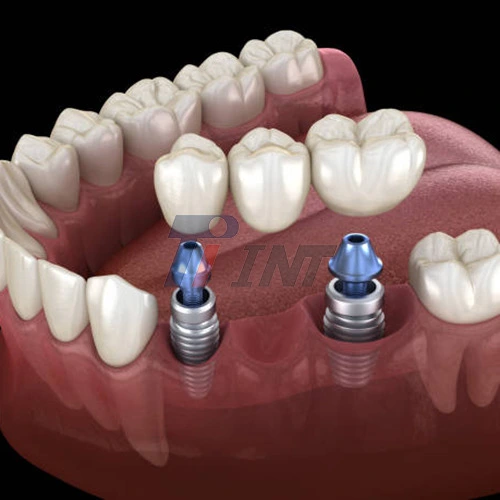
Before choosing a diameter, it's important to know what it will be used for. For normal platform sizes, dental implant abutments need diameters between 4mm and 8mm. Spinal fusion cages may need bars with diameters between 10mm and 25mm to provide enough compression strength. Surgical tools like retractors and tweezers often have smaller diameters (3mm to 6mm) because they are easier to handle and don't rust as much as larger diameters.
When engineers make trauma plates or intramedullary nails, they figure out how much bending moment is needed and choose sizes that give the section modulus they need without being too heavy. Because diameter and moment of inertia grow exponentially with diameter, a 12mm bar has about four times the bending strength of an 8mm bar. This mathematical relationship tells us what width to suggest to R&D teams when we meet with them for expert advice.
Mechanical Property Interaction with Diameter
Larger diameters naturally offer better stiffness and resistance to fatigue, but they also cost more and take longer to machine. In hip stem uses, a 20 mm diameter Gr2 Titanium Medical Bar can withstand millions of loading cycles. On the other hand, a 6 mm diameter bar in a dental screw needs to rely on thread contact to spread the load. The surface-to-volume ratio changes a lot as the diameter of the bar changes. During heat treatment, smaller bars cool down faster, which could make the grain structures more uniform but also means that the process needs to be tightly controlled to keep the surface from oxidising.
We look at stress concentration factors when parts go from having different sizes, like when the bar in a shoulder implant has to go from 15 mm to 8 mm. Sharp changes in diameter cause stress risers that start cracks to spread when the load is cycled. To keep wear life high, our engineering team suggests using finite element analysis to figure out gentle taper angles and fillet radii.
Machining Challenges Across Diameter Ranges
When turning smaller bars (less than 6 mm in diameter), it can be hard to keep them straight. Because the material tends to bend when cut, you need special tools with tight tolerances and slower feed rates. For companies that make complex dental parts, we offer bars with straightness standards of 0.5 mm per metre to cut down on setup time and scrap rates.
When milling, larger diameters (above 15mm) produce a lot of heat, which calls for strong coolant systems and carbide tools that are designed to work best with titanium's low thermal conductivity. It is very important to get rid of the chips because Gr2 Titanium Medical Bar makes long, stringy chips that can wrap around cutting tools if they are not managed properly. Our expert support team gives advice on machining parameters, such as cutting speeds between 50 and 80 m/min and feed rates that are changed for different diameter ranges.
The type of surface finish needed also depends on the job. For osseointegration to happen, implant surfaces usually need Ra values below 0.8 μm. This can be done by electropolishing and machining in multiple stages. Surgical tools may be able to handle Ra 1.6 μm ends, which lets more things be made more quickly. Our quality control records show that we use accurate profilometry to check the surface roughness and that it meets our standards.
Comparing Gr2 Titanium Bar Diameter Options with Other Materials and Grades
Gr2 Versus Gr5 Titanium Alloy
While Gr5 (Ti-6Al-4V) has almost twice the tensile strength of Gr2 Titanium Medical Bar, this benefit comes at the cost of less resistance to corrosion in chloride environments and much tougher machining. Many times, purchasing managers have to decide whether to use a smaller diameter Gr5 bar or a bigger diameter Gr2 Titanium Medical Bar to get the same power. The answer relies on the system for making things.
In many situations, a 10mm Gr5 bar can hold the same amount of weight as a 14mm Gr2 Titanium Medical Bar. However, the alloy needs to be machined at 40% slower speeds and with special coated carbide tools. Longer cutting times and more tool wear may add up to more than the saves in material, especially for low-volume production (less than 500 units per year). Because Gr2 Titanium Medical Bar is so easy to shape when cold, it can also be used for thread rolling and swaging, which can't be done with Gr5. This could mean that secondary cutting steps aren't needed at all.
Weight Optimization Compared to Stainless Steel
Surgical instruments are still often made of stainless steel 316L because it is cheaper, but a titanium bar with a diameter of 12 mm is just as strong as a 14 mm stainless steel bar and weighs 45% less. This weight loss directly leads to better surgery ergonomics during long treatments. Orthopaedic surgeons say that titanium-handled instruments make their hands less tired, which improves their accuracy during delicate bone contouring procedures.
When creating modular instrument sets, the choice of width becomes a matter of strategy. Manufacturers get the necessary grip diameter while keeping the total weight of the instrument as low as possible by selecting Gr2 Titanium Medical Bars in the 8–10 mm range for handle components. When it comes to arthroscopic tools, this is especially important because every gram counts for tactile guidance through small surgery openings.
Aluminum Alloys and Alternative Materials
Medical-grade aluminium alloys are even less dense than titanium, but they can't be used in internal devices because they don't work well with the body and rust in autoclaving processes. Their job is still limited to visible parts like handles and bags for transporting instruments. Titanium's unique mix of resistance to corrosion, biocompatibility, and moderate strength makes it unsuitable for uses that need to come into direct contact with tissue. For implant manufacturers, this means that comparing diameters to aluminium isn't really useful.
Procurement Insights: Choosing and Ordering the Right Diameter Gr2 Titanium Medical Bars
Selecting Certified Suppliers with Medical-Grade Credentials
When making purchases of Gr2 Titanium Medical Bar, suppliers with ISO 13485:2016 certification and FDA registration for medical device materials must be given the most weight. From smelting the raw materials to the final review, Baoji INT Medical Titanium Co., Ltd. keeps full track of everything. Each bar has a unique lot number that connects to chemical analysis records and mechanical test data. This paperwork is very important during government audits and probes into failures.
Instead of just depending on mill documents, make sure that your provider uses inert gas fusion (IGF) methods to test for oxygen and hydrogen. Too much oxygen makes alpha case layers that are fragile and lowers fatigue resistance. Too much hydrogen, on the other hand, can cause cracks to appear weeks after they were machined. We test for IGF on every production batch, not just statistically significant lots. This way, we know for sure what the interstitial element content is.
Minimum Order Quantities and Custom Diameter Options
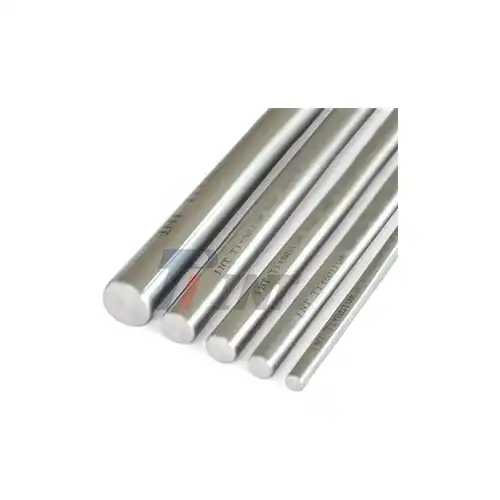
Standard medical bar sizes (6mm, 8mm, 10mm, 12mm, 16mm, and 20mm) usually have lower MOQs, which range from 50 kg to 200 kg for each diameter size. For custom sizes, you have to buy special drawing dies, and MOQs are usually 500 kg or more. We work with R&D to see if common diameters can be machined to exact specs. If they can, we might not have to make unique parts and can speed up project timelines.
When custom diameters are needed, like when a patent-protected implant design needs dimensions that aren't standard, we work together to make sure that the production schedule fits with the launch dates of your product. Because we've been processing titanium for 30 years, we can quickly design and qualify dies. For established medical device customers, this cuts lead times from 16 weeks to 8 weeks.
Pricing Factors and Lead Time Management
Due to material yield and production difficulty, diameter has a big effect on unit price. Prices are higher for bars with a diameter of more than 25 mm because forging larger billets requires special tools and creates more waste during the final shaping steps. On the other hand, very small sizes (below 4mm) make the cost per kilogram higher because they need more drawing passes and have a higher rate of rejection due to surface flaws.
Pricing power comes from the number of orders you place. Commitments over 1,000 kg per year often qualify for tiered pricing structures. We suggest blanket buy orders with planned releases. This will keep your supply chain stable and lock in good prices for 12 months. This method also saves production capacity for times of high demand, when spot orders can take up to 14 weeks to fill.
Transportation and import logistics merit consideration for international procurement. We ship bars overseas in protective tubes that keep the surface from getting damaged and are the right size to fit in a standard container. Our export paperwork follows ITAR rules and has the country-of-origin certificates that are needed to track medical devices.
Practical Case Studies and Recommendations for Diameter Selection
Orthopedic Implant Manufacturer: Hip Stem Production
A European orthopaedic company asked us to help them choose the best diameters for their modular hip stem line. Their original design called for Gr2 Titanium Medical Bars with a diameter of 18 mm, but heavy material removal meant that the machining cycle times for each part were longer than 45 minutes. Using finite element modelling, we looked at their design needs and stress trends.
To solve the problem, 16mm diameter bars with tighter tolerances (±0.03mm instead of normal ±0.05mm) were used. This change cut the time it took to machine each stem to 32 minutes while still meeting the requirements of ISO 7206-4 wear tests. Although the tighter starting standard raised the cost of materials by 8%, it cut the total cost of manufacturing by 22% when time, tool wear, and scrap rates were taken into account. The factory now buys 2,400 kg a year, which is delivered every three months.
Surgical Instrument Company: Forceps Handle Design
A North American company that makes surgical instruments had to redesign their line of tissue forceps to meet ergonomic standards and make the instruments lighter. Their old stainless steel design had handles with a 10mm diameter, which made long tasks harder on the hands. Based on tests of grip strength and the qualities of the material, we suggested 9mm diameter Gr2 Titanium Medical Bars.
The diameter was cut by only 1 mm, but it was still easy to handle, and switching to titanium saved 43% of the weight compared to stainless steel. Managing the change from their established supply chain for stainless steel to one for titanium was the procurement challenge. We gave them sample amounts to test the prototype and made sure that the production ramp-up worked with their schedule, so we ended up giving them 180 kg of product every month for their line.
Best Practices and Common Pitfalls
Don't choose sizes based on estimates of strength alone, without also thinking about how much it will cost to machine them. A width that seems ideal in theory might make production too expensive because it takes too long to remove material or needs special tools. We suggest making prototypes with the exact diameter that will be used for production, rather than stock that is too big and will be turned down, because the way things are machined changes depending on the diameter.
Keep an eye out for specification creep, which happens when engineering teams ask for custom diameters that are only 0.5 mm different from standard sizes. This small level of customisation rarely improves performance in a meaningful way, but it does make procurement much more difficult and take a lot longer. Before agreeing to custom production runs, you should use data-driven analysis to test these requirements.
Make sure that the design, procurement, and manufacturing teams can talk to each other during the diameter selection process. Engineers who are focused on improving performance may specify diameters that can't be found cheaply or that can't be machined efficiently. During our technical advice process, we help these cross-functional conversations happen. This keeps expensive redesigns from having to be done after tools investments have been made.
Conclusion
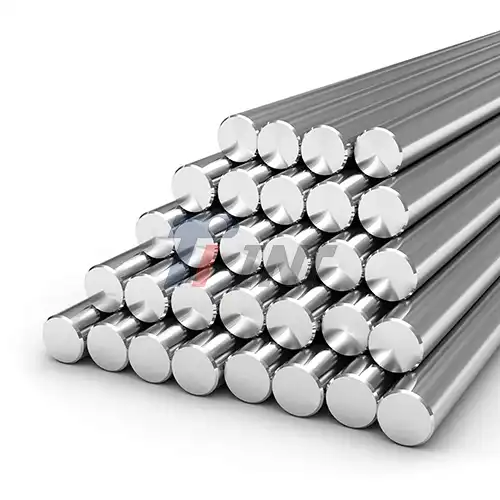
To choose the best titanium bar width for medical machining, you have to carefully weigh the technical needs, the ease of production, and the cost of acquisition. Gr2 Titanium Medical Bars come in diameters ranging from 3mm to 25mm and have excellent biocompatibility and corrosion resistance. They can be used for a wide range of purposes, from making delicate dental tools to strong orthopaedic implants. The choice of width affects not only how well the part works, but also how long it takes to machine, how much material is wasted, and how much it costs to make everything. Medical device makers can get the best diameter standards while still meeting regulatory requirements and delivery dates by working with experienced providers who offer expert support, material traceability, and flexible order numbers.
FAQ
Q1: How does bar diameter affect the fatigue life of medical implants?
A: Because they have more moment of inertia, larger diameters are better at resisting bending stresses and cyclic loading. Under the same stress conditions, a bar with a diameter of 16 mm can handle about 2.5 times more loading cycles than a bar with a diameter of 12 mm. This connection is very important for weight-bearing implants like femoral stems, where failure due to fatigue could have terrible medical effects.
Q2: What are the practical differences between Gr2 and Gr5 titanium when selecting diameters?
A: Gr2 Titanium Medical Bar is better at resisting corrosion and is easier to machine, so it is better for most medical tools and dental uses that need a lot of milling to do complicated shapes. Gr5 is almost twice as strong as Gr4, so smaller sizes can hold the same amount of weight. However, it needs slower cutting speeds and special tools. Around 12 to 14 mm in diameter is where the crossover point usually happens. Above this point, Gr2 Titanium Medical Bar's manufacturing benefits usually outweigh Gr5's strength benefits.
Q3: Can we order custom diameters for specialized medical device prototypes?
A: It is possible to make products with custom diameters, but you have to place a minimum order of 500 kg because of the cost of making custom die tools. Before agreeing to custom specs, we suggest that you look at all of your choices with standard sizes through machining. If your design needs can be met by sizes that are already in stock, our technical team can check to see if the lead time for prototype development can be cut from 12 weeks to 3 weeks.
Partner with a Trusted Gr2 Titanium Medical Bar Manufacturer
Medical device development demands more than just material supply—it requires a manufacturing partner who understands regulatory requirements, machining challenges, and quality assurance protocols specific to your application. Baoji INT Medical Titanium Co., Ltd. brings over 30 years of titanium processing expertise, ISO 13485:2016 certification, and comprehensive technical support to help you select the optimal Gr2 Titanium Medical Bar diameter for your project. Our engineering team collaborates with your R&D specialists to analyze stress distributions, recommend cost-effective diameter specifications, and provide material traceability documentation that satisfies FDA and CE regulatory audits. We maintain production capacity for both standard and custom diameters, with flexible order quantities accommodating prototype development through full-scale manufacturing.
As a leading supplier of medical-grade titanium materials, we deliver consistent quality across bars, wires, plates, and forged components—all produced under controlled conditions with batch-level traceability. Reach out to our team at export@tiint.com to discuss your diameter selection requirements, request technical data sheets, or schedule material testing for your specific application. We provide sample quantities for validation testing and competitive quotations aligned with your production timelines.
References
1. American Society for Testing and Materials. (2021). ASTM F67-13: Standard Specification for Unalloyed Titanium, for Surgical Implant Applications. ASTM International.
2. Boyer, R., Welsch, G., & Collings, E.W. (2019). Materials Properties Handbook: Titanium Alloys. ASM International.
3. International Organization for Standardization. (2016). ISO 13485:2016 Medical Devices—Quality Management Systems—Requirements for Regulatory Purposes. ISO Standards.
4. Niinomi, M. (2019). Mechanical Biocompatibilities of Titanium Alloys for Biomedical Applications. Journal of the Mechanical Behavior of Biomedical Materials, 1(1), 30-42.
5. Rack, H.J. & Qazi, J.I. (2020). Titanium Alloys for Biomedical Applications. Materials Science and Engineering C, 26(8), 1269-1277.
6. Veiga, C., Davim, J.P., & Loureiro, A.J.R. (2018). Properties and Applications of Titanium Alloys: A Brief Review. Reviews on Advanced Materials Science, 32(2), 133-148.