
How to Find Titanium Medical Bar Suppliers from China


 2026-09-04 09:59:29
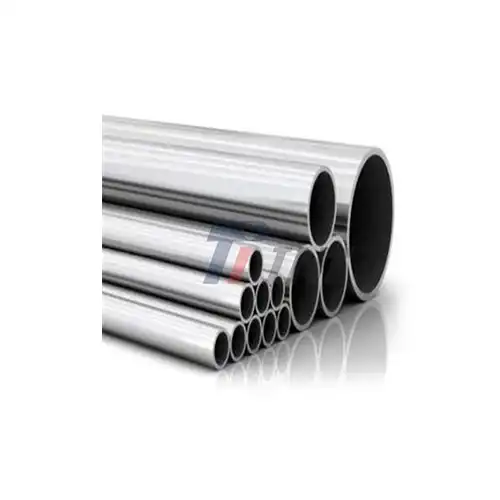
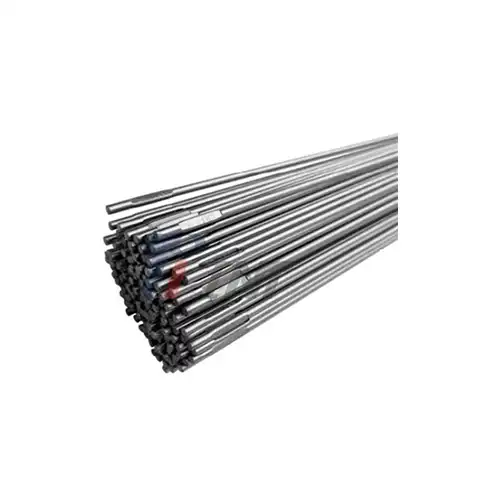
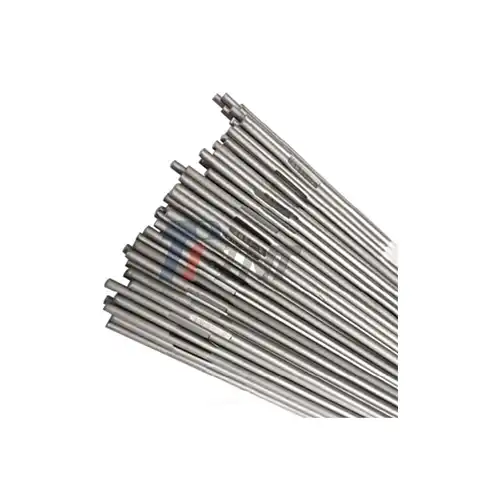
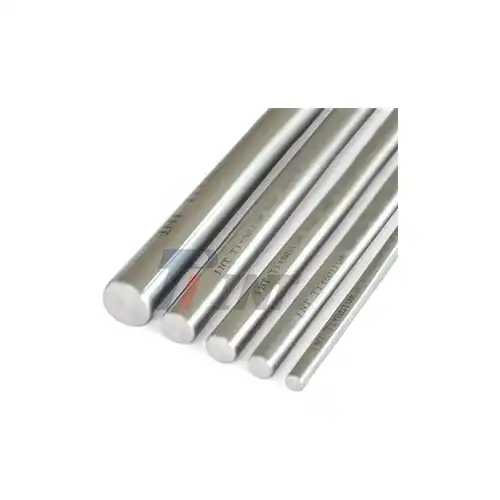
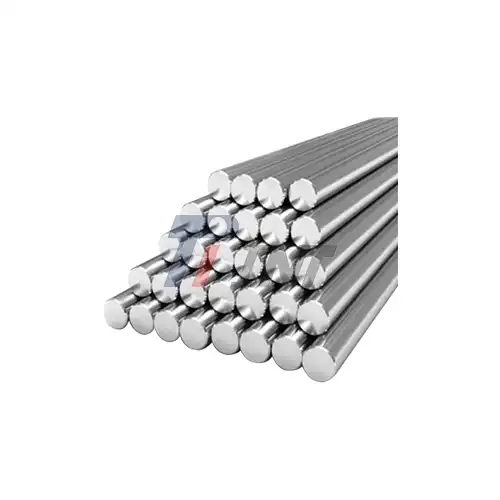
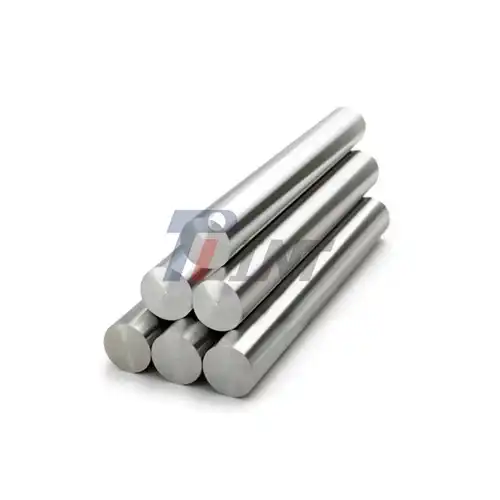
Sourcing Gr2 Titanium Medical Bar from China requires diligence, expertise, and a clear understanding of regulatory compliance. The right supplier delivers not just raw material but biocompatible, defect-free titanium rods that meet ASTM F67 and ISO 5832-2 standards—essential for implants, surgical instruments, and orthopedic applications. By partnering with experienced manufacturers who control vacuum arc remelting processes and maintain rigorous traceability, medical device companies can secure stable supply chains while reducing procurement risks and ensuring on-time delivery for critical production schedules.
|
|
|
Understanding Gr2 Titanium Medical Bars and Their Medical Applications
What Makes Gr2 Titanium Ideal for Medical Use?
Gr2 titanium, which is certified as economically pure titanium, is unique in the medical field because it is both strong and safe for living things. This material has a tensile strength of about 345 MPa and a yield strength of between 275 and 450 MPa. It is strong enough to hold structures together without losing its ability to bend. With a density of 4.51 g/cm³, it is about 45% lighter than stainless steel. This means that implants and surgical tools will be lighter overall, which is very important for both patient comfort and surgical accuracy.
The steady formation of a titanium dioxide (TiO₂) surface layer on Gr2 titanium bars makes them very resistant to rusting in physiological settings. This passive oxide film grows back right away when it comes in contact with oxygen. It protects against bodily fluids, chemicals used to kill germs, and even harsh chemicals like wet chlorine. Gr2 titanium is chemically bio-inert, which means it doesn't react with living things. This means there are no risks of metal ions leaking out or allergic reactions, which could put patients at risk.
Key Applications in Medical Device Manufacturing
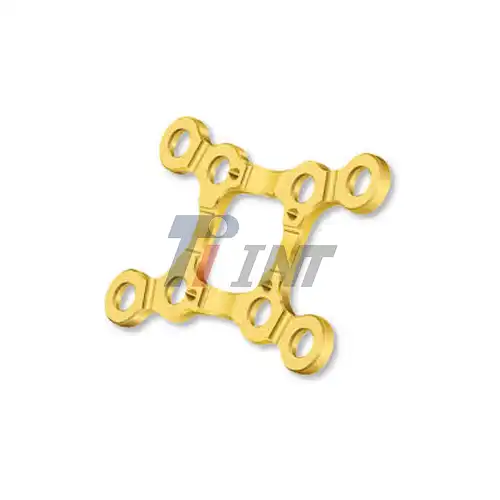
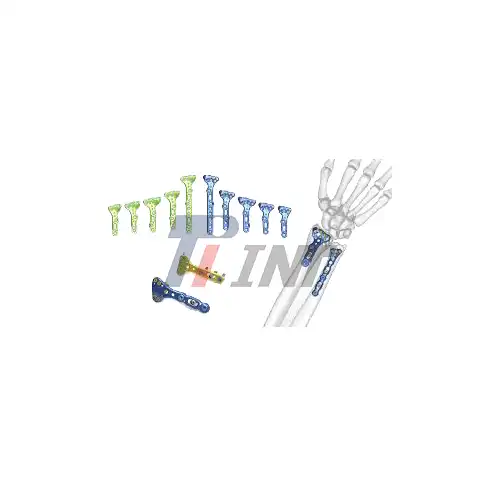
Titanium medical bars are used by companies that make medical devices to make many important parts. The low modulus of elasticity (about 105 GPa) of the material makes it a good choice for trauma plates, spine rods, oral implants, and surgical screws. A problem in the industry is called "stress shielding," and it happens when implants are too rigid, causing bone loss and long-term implant failure.
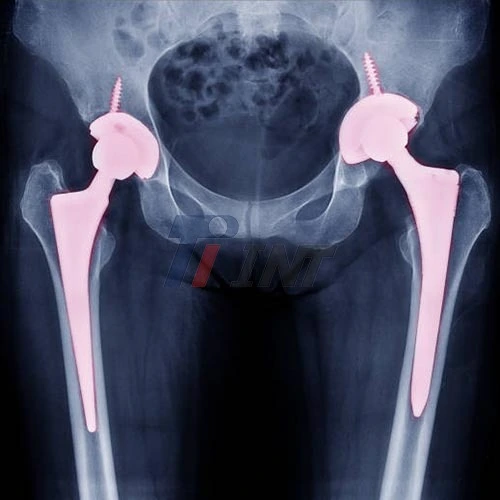
Orthopedic suppliers use precisely ground Gr2 bars to make hip and knee joint stems, which must have microstructures that are very pure and free of defects. The fact that the material isn't magnetic is important to companies that make surgical instruments because it makes them compatible with MRI settings. Dental instrument makers like that it can be easily machined and go through complicated milling and turning processes, which lets them make the complex shapes needed for modern dental procedures.
How Gr2 Compares to Other Medical Alloys
When you look at Gr2 next to stainless steel, the better resistance to corrosion is clear right away. When implanted for long amounts of time, stainless steel can pit and rust, but Gr2 titanium stays strong forever. Gr2 titanium alloy (Ti-6Al-4V) is easier to shape and sterilize than Gr5 titanium alloy (Ti-6Al-4V), which has a higher tensile strength (895 MPa minimum) and is harder. Gr5 is better for heavy-duty uses like big joint parts, but Gr2 is still the best choice for uses that need to be compatible with tissue, cause little inflammation, and be stable over time when in close touch with bone and soft tissue.
Challenges in Sourcing Medical-Grade Titanium Bars from China
Quality Consistency and Certification Verification
When purchasing from unreliable sources, procurement teams often find that the quality of the materials they get isn't always the same. Gr2 Titanium Medical Bar is a prime example where such inconsistency can be critical: changes in the amount of oxygen in a material, for example, have a direct effect on its flexibility. For example, too much oxygen makes the material stronger but breaks it when it is being formed.
For medical-grade titanium to stay shapeable, the interstitial elements must be tightly controlled. For example, the maximum amount of iron must be kept at 0.30%, and the maximum amount of oxygen must be kept at around 0.25%. Batches might not meet ASTM B348 or ASTM F67 requirements if they are not put through strict inert gas fusion testing and vacuum arc remelting protocols.
Another big problem is that there are different certifications. Some sellers say they are in line with ISO 13485 without having to go through third-party checks or keep proper records that can be tracked. Buyers from businesses must make sure that the certificates are up-to-date, came from reputable organizations, and cover the exact grades and sizes of products that are needed. When non-compliant materials get into the supply chain, fake or expired certifications can cause expensive production delays, rejection by regulators, and damage to a company's image.
Delivery Reliability and Communication Barriers
On-time delivery depends on how well a supplier manages their inventory, makes things, and coordinates logistics. Smaller makers might not have the tools to deal with special requests or large amounts of production, which can cause longer lead times that mess up manufacturing plans. Some providers don't have the advanced CNC cutting skills and quality control systems needed to meet complex customization requests, like tight dimensional limits (±0.05mm) or specific surface finishes.
Technical communication that works well is important, but it can be hard to do across international borders. Misunderstandings about the specs of a material, the rules for testing it, or the rules for packing it can cause wrong shipping and waste of resources. Suppliers who have technical staff who can speak two languages and give detailed material test reports (MTRs), dimensional inspection certificates, and photographic documentation before shipping are good for supply chain managers.
Step-by-Step Guide to Finding Reliable Gr2 Titanium Medical Bar Suppliers in China
Define Your Procurement Requirements Precisely
Write down the exact requirements, such as the bar's diameter, any length variations, the required surface finish, and the expected mechanical properties. Make it clear if you need the metal to be tempered or cold-worked, and list any other processes you need, like centerless grinding or ultrasonic testing. Set minimum order numbers (MOQs) that are in line with your production plans and leave room for testing samples and qualification runs.
Make a list of the certifications that are needed right away. For example, ISO 13485:2016 is for managing the quality of medical devices, ISO 9001:2015 is for general quality systems, and ASTM F67 compliance is needed for surgical implant materials. Make sure that sources can provide materials made under cGMP conditions with full traceability documents if the goods will be sold in FDA-regulated markets. The European Medical Device Regulation (MDR 2017/745) says that medical devices must have CE marking. This could mean that suppliers need to make more statements of compatibility.
Leverage Verified Industry Directories and Trade Platforms
Trustworthy B2B sites like Alibaba's certified seller program, Global Sources, and Made-in-China do some basic screening, but you should still do more research before doing business with someone. Gr2 Titanium Medical Bar requires particular attention in this process, so check out possible suppliers through groups like the China Nonferrous Metals Industry Association (CNIA) or the regional titanium manufacturing clusters in Baoji, Shaanxi province, which has been a hub for over 30 years for its expertise in titanium production.
Going to specific trade shows is a great way to meet people in person. Manufacturers who want to show off their certifications, production facilities, and technical skills come to events like MEDTEC China, CMEF (China International Medical Equipment Fair), and Material China. By talking to engineers and quality managers in person, you can find out how well they understand the needs for medical-grade materials and how committed they are to following the rules.
Conduct Thorough Supplier Vetting and Audits
Ask well-known medical device OEMs for full company details that include how long the company has been in business, how much it can produce, a list of its most important equipment, and client examples. A seller with 20 years or more of experience in the titanium business usually has a better understanding of metals and more advanced process control. Check to see if they have vacuum arc remelting furnaces, precision forging equipment, and advanced testing labs that can check the chemical composition and mechanical properties of the metal.
Set up virtual or in-person factory audits to look at how things are made, quality control points, and how materials are moved. Check how the raw materials are stored, how they are kept clean, and how medical-grade batches are kept separate from industry goods. Check that the seller has properly calibrated testing equipment, written quality processes, and trained staff who can do ASTM E290 bend tests and dimensional inspections with micrometers and laser gaging systems.
Request and Validate Material Samples
Before agreeing to large sales, get samples that are representative of the whole and exactly what you want. You should send these samples to unbiased third-party labs to check their chemical make-up, tensile strength, microstructure, and levels of surface contamination. Testing should make sure that there is no alpha case (a brittle top layer that is high in oxygen) and that the material can handle the forming, cutting, or welding process you need it to go through without cracking or tool wear that is too high.
Compare the test reports that the supplier gives you for the materials with the results that you get from your lab to see how accurate and clear the data is. Differences could mean that quality control isn't working well or that information is being lied on purpose. If the samples are going to be used directly on tissue, they should also be biocompatibility screened according to ISO 10993 standards. This is to make sure that the cytotoxicity, sensitivity, and discomfort tests meet regulatory standards.
Negotiate Terms That Protect Quality and Timeline
Set up clear quality agreements that spell out the criteria for acceptance, the steps for inspections, and the steps for fixing materials that don't meet the standards. Talk about payment terms that link milestone payments to inspection approvals. For example, you could agree to pay a 30% deposit, 50% when production is complete with photographic proof, and 20% after receiving the goods and confirming the specifications. Include penalties for late deliveries to encourage people to stick to the plan.
Talk about logistics plans, such as how to package items so they don't get damaged during shipping, how to load containers so they don't bend or deform, and how to make sure that high-value shipments are covered by insurance. Make Incoterms (FOB, CIF, DDP) clear so there are no mistakes about who is responsible for costs and where the risk lies. For long-term partnerships, you might want to set up framework deals that include agreed-upon minimum order quantities, prices, and wait times to make placing repeat orders easier.
Case Studies: Successful Procurement of Gr2 Titanium Medical Bars from China
Case Study: North American Orthopedic Implant Manufacturer
A medium-sized American company that makes surgical implants had supply problems with their European titanium provider on a regular basis. Lead times grew to 16 weeks, and prices went up by 22% over two years. Their head of purchasing started looking for other sources, mainly Chinese companies that have a history of making medical-grade products.
They chose a Baoji-based manufacturer with full ISO 13485 certification and more than 20 years of experience processing titanium after testing samples and doing virtual audits on six possible suppliers. The source showed they were good at vacuum arc remelting and kept production lines just for medical products. The first batches of samples were put through strict testing by a third party, which confirmed that they met the ASTM F67 chemical makeup limits and mechanical property requirements.
Lead times were cut down to 8–10 weeks, costs were cut by 30%, and quality stayed the same across 15 production batches thanks to the partnership. Gr2 Titanium Medical Bar was the primary material used in these batches, and the supplier gave the manufacturer a lot of information about how to track the materials, including heat lot numbers that could be used to find the sources of the raw materials. This helped the manufacturer meet FDA audit requirements. Because of this partnership, about 2,000 implant parts are now made every month, and there have been no quality problems with the materials in 18 months.
Case Study: European Dental Instrument Distributor
A European company that sells dental surgical instruments wanted to add titanium-based tools to their line, but they didn't have any direct manufacturing relationships in Asia. Their R&D team needed Gr2 titanium bars with custom diameters (6mm and 8mm), tight tolerances (±0.03mm), and mirror-polished surfaces so that they could make complex dental scalers and curettes with more accuracy.
They were put in touch with a Chinese supplier that had a specialized medical titanium division through suggestions from people in the business at a materials meeting. The seller could provide bars with surface finishes of Ra 0.2μm and could do CNC centerless grinding. Once the sample was confirmed to be good, the distributor made an initial order for 500 kg in a number of different lengths.
The technical team from the seller worked closely with the engineers from the wholesaler to improve the hardness of the material through controlled annealing processes. This was done to find the best mix between the ability to machine the material and the performance of the finished tool. Because of this partnership, the distributor was able to release their new line of products six months early, which helped them get a big share of the market. Consistent material quality led to 95% output rates during production, which made the business much more profitable than other metal options.
Key Takeaways and Best Practices for B2B Buyers
To get medical-grade titanium bars from China, you need to do a lot of research on the suppliers, be devoted to checking their certifications, and be proactive about quality control. Buyers should give more weight to suppliers who have experience with medical applications, have invested in modern production equipment, and have clear quality management systems. Setting clear technical standards from the start avoids confusion and makes sure that what the buyer wants and what the provider can do are in line with each other.
To build strong relationships with suppliers, you need to keep talking to them, review their work on a regular basis, and work together to solve problems when they come up. Set up processes for inspecting incoming materials that check important factors before they are used in production. This will help you find problems early on. To help with continuous improvement efforts and regulatory compliance paperwork, keep detailed records of all interactions with suppliers, test results, and delivery performance.
To lower the risk, you should qualify more than one provider so you don't have to rely on just one, negotiate inventory buffer deals for important materials, and keep an eye on geopolitical factors that could affect supply lines. For shipments of high value or when direct factory checks aren't possible, you might want to hire a third-party inspection service. This adds an extra layer of independent verification that boosts trust in the quality and compliance of the materials.
Conclusion
To find reliable Chinese suppliers of medical-grade titanium bars, you need to do a lot of research, make sure the quality is high, and build strategic partnerships. Gr2 Titanium Medical Bar is a critical specification in this category, and purchasing managers who take the time to learn about material requirements, check the qualifications of suppliers, and set up clear lines of communication set their companies up for long-term success in buying.
When paired with suppliers who are committed to medical industry standards, China's advanced titanium manufacturing skills and competitive prices make for a great value proposition. Medical device companies can build reliable supply chains that support innovation, legal compliance, and long-term business growth by following the strategies in this guide, from clearly defining their needs to managing their relationships with suppliers on an ongoing basis.
FAQ
What certifications should a medical titanium bar supplier hold?
To keep their ISO 13485:2016 approval for medical device quality management systems, reputable providers must show that they have controlled processes in place for creation, production, and distribution. Quality management is based on ISO 9001:2015, and ASTM F67 (for medical implant materials) and ASTM B348 (for titanium bars) make sure that the product meets the standards for chemical and mechanical properties.
For suppliers that sell to customers in Europe, they need to show proof that their products have been CE marked. For suppliers that sell to customers in the US, FDA registration may be needed based on the final use. Ask for copies of recent certificates from recognized organizations such as TÜV, BSI, or DEKRA, and use registrar databases to make sure the certificates are still valid.
How long are typical lead times for custom titanium bar orders?
After an order is confirmed, standard dimension bars from stock usually ship within two to four weeks. Custom specifications that need special processing, like non-standard diameters, specific surface finishes, or more testing, usually take 6 to 10 weeks, but this depends on the production queue and how complicated the requirements are. Lead times may be extended to 10–14 weeks for orders of more than 1,000 kg so that there is time for multiple melting heats and quality checks. By getting rid of the need to re-qualify people, setting up framework agreements with pre-approved specifications can cut the time it takes to get a repeat order down to 4 to 6 weeks.
Can suppliers provide custom-sized medical titanium bars?
Medical titanium sources with a lot of experience can make a lot of changes, like changing the diameter from 4mm to 200mm, making unique lengths up to 6 meters, and grinding with precision to get tolerances as close as ±0.02mm. You can choose from basic turned finishes to centerless ground or electropolished surfaces with Ra values below 0.4μm for the surface treatments. Suppliers with high-tech casting and extrusion tools can make bars that are either annealed or aged to meet certain mechanical property goals. During the initial consultation, talk about your exact size, shape, and property needs to make sure the project is technically possible and to find out how much it will cost.
Partner with Baoji INT Medical Titanium Co., Ltd. for Your Medical Titanium Bar Needs
Baoji INT Medical Titanium Co., Ltd. is a leading manufacturer of Gr2 Titanium Medical Bars. They have been helping medical device makers around the world for more than 20 years. Our company was started in 2003 by Mr. Zhan Wenge, who has worked in the titanium industry for 30 years. We have ISO 13485:2016 and ISO 9001:2015 certifications, which mean that every product we make meets the highest international standards for surgical implant materials. We are experts at remelting commercially pure titanium and Ti6Al4V ELI alloy bars using a vacuum arc and meeting a wide range of requirements. We can give your R&D and production teams the consistent materials, traceability paperwork, and technical support they need.
Our complete quality control system includes inert gas fusion tests to accurately measure the amount of oxygen and hydrogen in the material, checking the mechanical properties according to ASTM F67 standards, and using laser gaging systems to check the sizes. We keep separate production lines for medical-grade materials to avoid cross-contamination and make sure that each batch is reliable.
In addition to supplying materials, we also offer a wide range of expert services, such as help with choosing materials, handling suggestions, and following the rules. Our long-term relationships with top orthopedic, dental, and surgical instrument makers show that we are dedicated to delivering on time, communicating clearly, and always making the quality better. Email us at export@tiint.com to talk about your buying needs, get material test results, or set up a tour of our plant. You can see all of our products at inttitanium.com and learn more about how Baoji INT can become your reliable partner in getting medical titanium.
References
1. American Society for Testing and Materials. "ASTM F67-13: Standard Specification for Unalloyed Titanium for Surgical Implant Applications." ASTM International, 2013.
2. International Organization for Standardization. "ISO 5832-2:2018: Implants for Surgery — Metallic Materials — Part 2: Unalloyed Titanium." ISO Standards Catalogue, 2018.
3. Niinomi, Mitsuo. "Mechanical Biocompatibilities of Titanium Alloys for Biomedical Applications." Journal of the Mechanical Behavior of Biomedical Materials, vol. 1, no. 1, 2008, pp. 30-42.
4. Geetha, M., et al. "Ti Based Biomaterials, the Ultimate Choice for Orthopaedic Implants – A Review." Progress in Materials Science, vol. 54, no. 3, 2009, pp. 397-425.
5. Chen, Qizhen, and George A. Thouas. "Metallic Implant Biomaterials." Materials Science and Engineering: R: Reports, vol. 87, 2015, pp. 1-57.
6. Liu, Xuanyong, et al. "Surface Modification of Titanium, Titanium Alloys, and Related Materials for Biomedical Applications." Materials Science and Engineering: R: Reports, vol. 47, no. 3-4, 2004, pp. 49-121.
_1753927576158.png)
_1752643437358.webp)