
Benefits of Using Titanium Medical Bars in Medical Devices


 2026-09-04 10:00:06
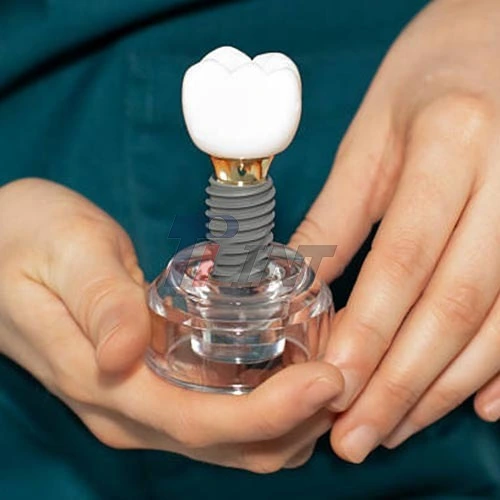
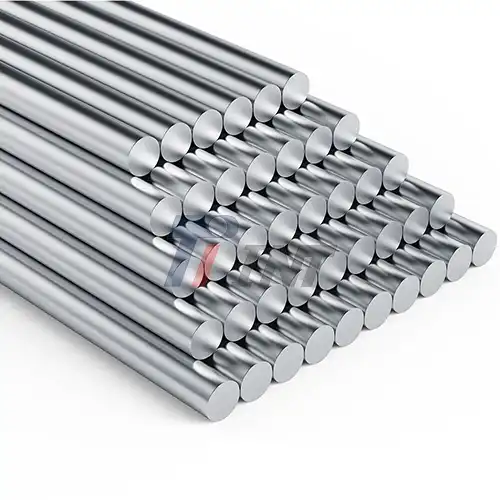
When selecting materials for critical medical applications, manufacturers face a pivotal decision that affects device performance, patient safety, and regulatory compliance. Gr2 Medical Titanium Bar stands out as the preferred choice for implants, surgical instruments, and dental devices due to its exceptional biocompatibility, corrosion resistance, and mechanical reliability.
This commercially pure titanium grade eliminates toxic elements like vanadium and aluminum, preventing immune rejection while offering a modulus of elasticity closer to human bone—reducing stress shielding risks that compromise orthopedic outcomes. Beyond safety, GR2 titanium bars deliver lifecycle cost efficiency through reduced maintenance requirements and long-term durability, making them strategic investments for manufacturers committed to innovation and regulatory excellence.
|
|
|
Understanding GR2 Medical Titanium Bars: Properties and Specifications
Chemical Composition and Purity Standards
The Gr2 Medical Titanium Bar is made of commercially pure (CP) titanium whose chemical makeup is carefully controlled by ASTM F67 and ISO 5832-2 standards. The material keeps the titanium balance, with oxygen levels around 0.25% and iron levels no more than 0.30%. The amount of oxygen in the material is very important. Too much oxygen makes the material less flexible and brittle when it is being made in ways like pressing or folding.
Medical-grade bars are different from industrial ones because they don't contain any sensitive materials. This means that they are completely safe for use in biomedical settings. This high level of purity is good for manufacturers because it makes sure that the material will behave the same way during machining, sterilization, and long-term implantation.
Mechanical Performance Characteristics
According to ASTM B348 standards, GR2 titanium bars must have a minimum yield strength of 275 MPa (40 ksi) and a minimum tensile strength of 345 MPa (50 ksi). They must also be able to stretch more than 20% before breaking. These factors make GR2 different from harder alloys like Ti-6Al-4V because they create the best balance between moderate strength and high ductility. Titanium is about 45% lighter than stainless steel because it has a mass of 4.51 g/cm³.
This means that devices can be made lighter without losing their structural integrity. The modulus of elasticity of about 105 GPa is very close to that of human bone, while stainless steel's is 200 GPa. This makes the risk of bone loss in orthopedic implants much lower. This mechanical design works with both cold-forming and the more complicated cutting that is needed to make precise medical parts.
Regulatory Compliance and Traceability
Medical device makers have to follow strict rules that require them to keep track of all the materials they use and show proof that they are certified. For CE marking and 510(k) submissions, GR2 titanium bars that are certified to ASTM F67, ISO 5832-2, and FDA-recognized standards are the basis for compliance. These certificates show that the dimensions are accurate (often within 0.005 mm for important uses), that the chemical makeup is stable (tested with Inert Gas Fusion, or IGF), and that the surface is clean and free of alpha case contamination.
Before agreeing to large-scale production runs, procurement teams use these written standards to make sure that suppliers can meet their obligations when they test samples and do material verification checks. The line of traceability, from where the raw materials come from to the end inspection, sets up the quality assurance system that is needed to get medical devices on the market.
Key Benefits of Using GR2 Titanium Bars in Medical Devices
Medical device makers are always looking for materials that meet legal requirements and solve important performance problems. Gr2 Medical Titanium Bar solves a lot of problems at once, from biocompatibility issues to the need for long-lasting sturdiness. Knowing about these benefits helps engineers and buying teams make smart choices that affect the success of the product and the health of patients.
Superior Biocompatibility and Tissue Integration
When GR2 titanium bars come into touch with bone, they naturally create a solid layer of titanium dioxide (TiO2) oxide that stops tissue reactions and helps the bars fuse with the bone. When this passive film is exposed to oxygen, it keeps growing back. This makes a biocompatible interface that doesn't have the rejection risks that come with other metallic biomaterials.
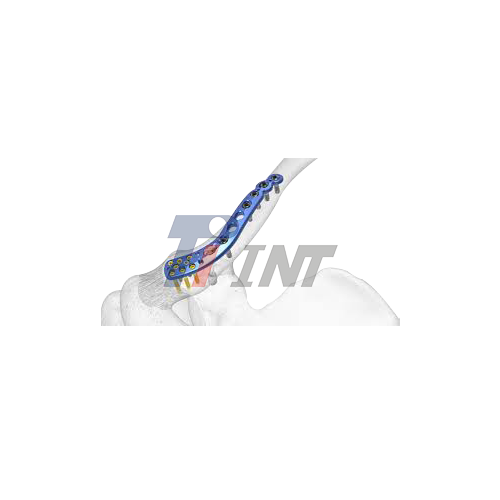
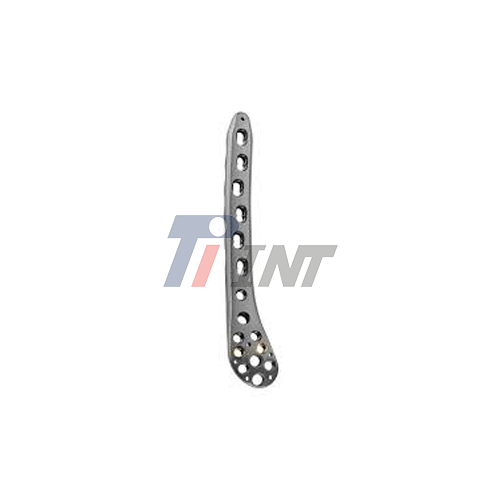
Unlike stainless steel types that contain nickel or chromium, which can cause hypersensitivity reactions in some patients, commercially pure titanium is not allergic and can be used for long-term implants. GR2 titanium implants have been shown in clinical studies to keep tissue surfaces steady for decades without breaking down or causing inflammation. This makes them perfect for trauma plates, spine fusion cages, and dental abutments where lasting integration is needed.
Exceptional Corrosion Resistance in Physiological Environments
The physiological environment is one of the most corrosive places for materials to be. Protein interactions, saline fluids, and changing pH levels all make implant surfaces constantly difficult. In these conditions, GR2 titanium bars are almost completely resistant to wear and rust. They can handle attacks from metallic chlorides, organic acids, and wet chlorine environments that break down other materials.
This corrosion resistance comes from the self-healing TiO2 layer, which fixes itself right away when it gets damaged, keeping its protective properties for the whole life of the implant. Surgical instruments made from GR2 titanium can be sterilized many times without losing their shape or surface quality. This makes the tools last longer and saves money on replacement costs. Ion leaching worries that hurt both gadget performance and patient safety are taken away by the material's stability in body fluids.
Optimal Strength-to-Weight Ratio for Device Design
There is constant pressure on device designers to make instruments lighter while still keeping the structural performance needed for difficult surgeries. GR2 titanium bars have the same tensile strength as many types of stainless steel but are less than half the weight. This lets engineers make instruments that are more comfortable for surgeons to use during long operations.
GR2 titanium orthopedic implants can hold the appropriate amount of weight without being too big, which can make soft tissues close up or make the patient uncomfortable. The good strength-to-weight ratio also helps the creation of minimally invasive devices, since small sizes and low mass make catheter-based delivery or endoscopic approaches easier. This mechanical benefit directly leads to better clinical results by making it easier to handle the device and reducing tissue damage.
MRI Compatibility and Imaging Clarity
Magnetic resonance imaging is being used more and more in modern medicine to diagnose and plan surgeries. This can be hard for people who have metal devices. GR2 titanium bars are not magnetic, so they don't cause the artifacts that ferromagnetic materials do during MRI procedures. Because of this, imaging studies can be done on people who have titanium implants without having to take the devices out or worry about picture quality loss that makes it hard to see the medical information.
Because they aren't magnetic, there are also no safety worries about the implant heating up or moving during high-field MRI scans. This means that implant recipients have more treatment choices. Companies that make surgical instruments can make more money by making tools that don't get in the way of intraoperative imaging guidance systems, which are used in complicated orthopedic and neurosurgical procedures.
Comparison of GR2 Titanium Bars with Other Medical Titanium Grades and Materials
GR2 Versus GR5 Titanium Alloy
When purchasing things, people often have to choose between GR2 (commercially pure titanium) and GR5 (Ti-6Al-4V) titanium metal. Each has its own benefits for certain uses. GR5 has a minimum tensile strength of 895 MPa, which is much higher than GR2's 345 MPa. This means it can be used for high-stress orthopedic implants like hip stems and trauma plates that need to be able to hold the most weight. But this strength comes with some downsides: GR5 is less flexible, which makes it harder to shape, and it's harder (about 36 HRC), which speeds up tool wear during cutting.
Also, the aluminum and vanadium in it raise theoretical biocompatibility issues, even though it has been used in clinical settings for decades. Because GR2 is so flexible, it can be cold-formed and bent around tight angles without breaking. This makes it perfect for instruments and devices that need complex geometries. When choosing what to buy, the difference in price is also important. GR2 alloy usually costs 15–25% less per kilogram than GR5 alloy.
GR2 Titanium Versus Stainless Steel
316L and other types of stainless steel have become the most popular for making medical devices because they are easy to work with and don't cost too much. But Gr2 Medical Titanium Bar gets around important problems that stainless steel has in tough situations. Even though 316L stainless steel is pretty resistant to corrosion in most settings, it can still get pocket corrosion and pitting in body fluids that are high in salt after being implanted for a long time.
Titanium's lighter weight is especially useful for hand-held surgical tools, where less mass leads to more accurate surgery and fewer injuries from repeated strain for operating room staff. Titanium doesn't conduct heat as well as stainless steel, which is also helpful in situations where temperature is important for treatments or for patient comfort. The difference in modulus between bone and stainless steel causes stress shielding, which breaks down bone around orthopedic implants. GR2 titanium greatly reduces this problem.
Clarifying Misconceptions About Commercially Pure Titanium
Some procurement professionals think that "commercially pure" means lower quality than titanium alloys, but it actually means managed purity that is best for certain performance characteristics. When it comes to the ASTM rating system, "Grade 2" is the most common type of medical titanium because it strikes the best balance between strength, flexibility, and corrosion resistance. Another common misunderstanding is that all grades of titanium are biocompatible.
This doesn't take into account the fact that alloying elements in grades like GR5 add factors that make regulatory reports and possible long-term safety profiles more difficult. By knowing these differences, device makers can choose materials that meet both engineering needs and regulatory strategies. This way, they can avoid over-specification, which raises costs without improving performance in the same way.
How to Choose and Procure GR2 Medical Titanium Bars for Your Business
Essential Certification and Compliance Verification
The first step in effective procurement is to make sure that potential suppliers have up-to-date certifications that show they meet the standards for medical-grade materials. The ASTM F67 certification shows that the material meets the chemical composition and mechanical property standards for surgical implants. The ISO 13485:2016 certification shows that the supplier's quality management system meets the needs of the medical device business.
Asking for mill test reports (MTRs) with every shipment gives batch-specific proof of chemical analysis, tensile testing results, and dimensional verification—proof that is needed for regulatory submissions and internal quality audits. Suppliers should also show tracking systems that can follow materials from the raw ingot to the finished bar. This way, if quality problems happen while the device is being made, they can be fixed quickly. This framework for documentation keeps your company safe from supply chain risks and meets the needs of regulatory bodies during facility inspections.
Evaluating Supplier Technical Capabilities
In addition to checking for certifications, you should also check a supplier's production skills to make sure they can meet the needs of your particular application. Ask about their dimensional tolerances. For example, if your design calls for precision-ground bars, can they regularly hold ±0.005mm thickness limits? Check out their options for finishing the surface, because medical uses often need specific levels of roughness or electropolished surfaces to help with biocompatibility and cleaning. Knowing how the provider treats and anneals materials helps you guess how consistent the material will be.
This is especially important when the standard calls for controlled grain structures or stress relief. Suppliers who have their own steel testing labs show they care about quality control and can complete unique testing requests more quickly than those who outsource the research. Technical support is just as important. For example, can their engineering team help you choose the right materials, suggest the best processing parameters for your machining operations, or fix problems with forming while you're developing a product?
Structuring Reliable Supply Agreements
For medical device production to go smoothly, it's important that materials are always available at times that work with production plans and customer obligations. Framework deals with lead times, minimum order amounts, and delivery terms protect production lines from supply problems that stop them. Talk about your options for managing your inventory. For example, some suppliers offer consignment arrangements or safety stock programs that help you balance your cash flow needs with your material availability needs.
Understanding how prices are set helps you get the best deals on purchases. Using volume-based tier pricing, annual contracts with price locks, and multi-grade buying can save you a lot of money without lowering the quality of the goods. For a critical material like Gr2 Medical Titanium Bar, it is especially important to make it clear how to pay, who is responsible for shipping, and what kind of packing is needed.
These things affect the total landing cost. When you work with suppliers who see themselves as manufacturing partners instead of transactional vendors, they will communicate production schedules ahead of time, predict your needs when demand changes, and give your orders priority when there aren't enough resources to go around.
Future Trends and Innovations in Medical Grade Titanium Bars
Additive Manufacturing Integration
Additive manufacturing technologies are changing how companies that make medical devices use titanium. This makes it possible for customized implants and complex geometries that were not possible with traditional machining. Powder bed fusion processes are the most common way to 3D print titanium right now, but new mixed methods are starting to appear that use cast GR2 titanium bars for load-bearing structures along with 3D-printed parts that are better at integrating with tissue.
Manufacturers can use the tested mechanical qualities and regulatory background of ASTM F67-compliant bar stock while adding patient-specific design elements or lattice structures that help the bone fuse together better. As more things are made with additive manufacturing, companies that make devices need titanium bar stock in smaller and more varied sizes so they can quickly make prototypes of new designs. Learning about these changing ways of making things helps buying teams plan for changing material needs and find sources who can work with both traditional and new ways of making things.
Advanced Surface Treatment Technologies
New developments in surface engineering are making GR2 titanium bars even better for use in specific medical situations. Plasma electrolytic oxidation (PEO) makes ceramic-like top layers that are more durable and ideal for moving joint surfaces. This is done while keeping the biocompatibility of the titanium substrates below. Nanostructured surface treatments change the topography at scales that affect how cells behave, which speeds up the time it takes for orthopedic and dental implants to fuse with the bone.
Adding silver ions or photocatalytic titanium dioxide layers to trauma implants and surgery tools can make their surfaces less likely to get infections. These new developments make GR2 titanium more useful in more situations, but they also change how it is bought. Suppliers with surface treatment partnerships or in-house capabilities can offer integrated solutions that make managing supply chains and quality control easier than if you had to deal with multiple vendors.
Sustainability and Circular Economy Initiatives
As healthcare systems, investors, and regulatory bodies put more pressure on medical device businesses to show sustainable practices, environmental concerns are becoming more important in the buying choices. Titanium can be recycled naturally, which supports circular economy models in which production waste and old electronics are reused without losing their properties. Progressive sellers use closed-loop manufacturing systems that reuse machining chips and material that doesn't meet specifications.
This cuts down on the amount of raw materials needed and the cost of getting rid of trash. Traceability systems that keep track of the percentages of recycled content help device makers include sustainability metrics in their corporate responsibility reports. The medical titanium business is also looking into less harmful ways to extract and process titanium that will lower the carbon footprint of bar production. When you work with suppliers who are committed to these green efforts, your company will be ahead of new rules and in line with environmental goals set by the healthcare industry.
Conclusion
Gr2 Medical Titanium Bars are the best material for manufacturers who want to balance biocompatibility, mechanical performance, and regulatory compliance in medical applications that are very important. The unique mix of resistance to corrosion, high strength-to-weight ratio, and tissue compatibility solves important problems in implant design, surgery tools, and the creation of new dentistry devices. Even though the initial costs of materials are higher than alternatives like stainless steel, the lifecycle value proposition—lower maintenance, longer device lifespan, and better patient outcomes—makes the case for a strong return on investment.
To do successful procurement, you need to work with sellers who can show not only the quality of their materials and certifications, but also their technical knowledge and the stability of their supply chain, which is important for making medical devices. GR2 titanium will play a bigger part in medical technology as new surface treatments and environmentally friendly ways of making things keep getting better. This will make smart supplier relationships more valuable.
FAQ
Why are GR2 titanium bars preferred over other metals for medical implants?
GR2 titanium bars are one of a kind because they are completely biocompatible, don't rust in body fluids, and have mechanical qualities that are very close to those of human bone. The material can create a stable, self-healing oxide layer that stops immune rejection and stops the toxic ions that can leak out of other metallic implant materials.
Stress buffering effects that cause bone to break down around stronger materials like stainless steel are lessened when the modulus of elasticity is close to 105 GPa. GR2 is also non-magnetic, which means it can be used with MRI machines. Its long past with the government makes it easier to get devices approved than other materials that need a lot of biocompatibility testing.
Can GR2 medical titanium bars be customized to specific sizes and shapes?
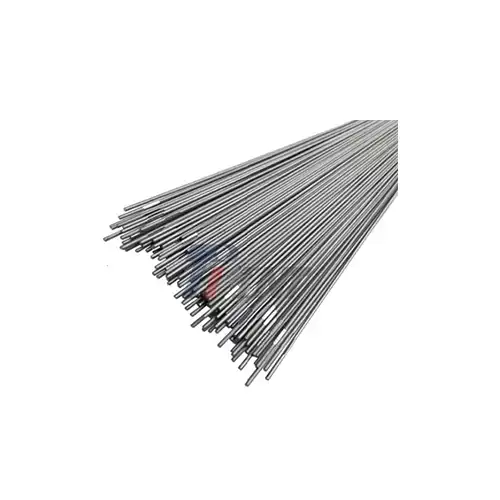
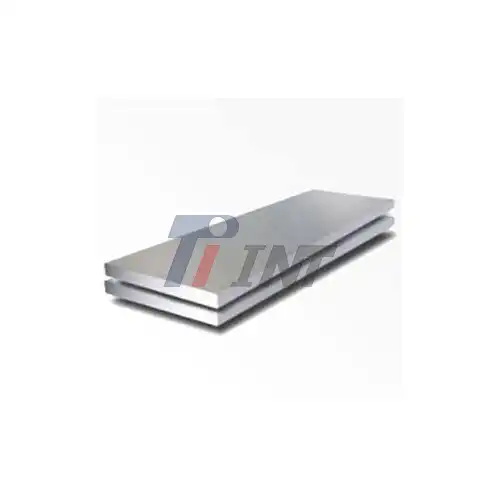
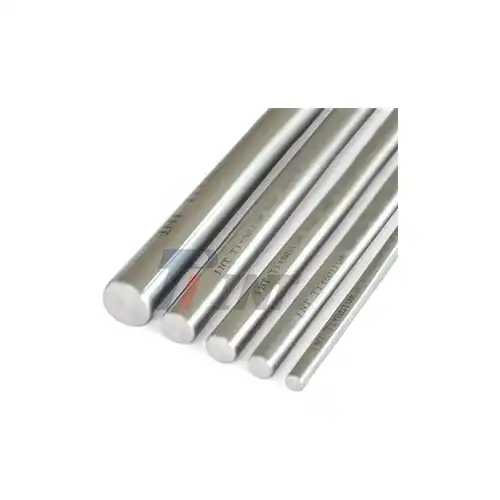
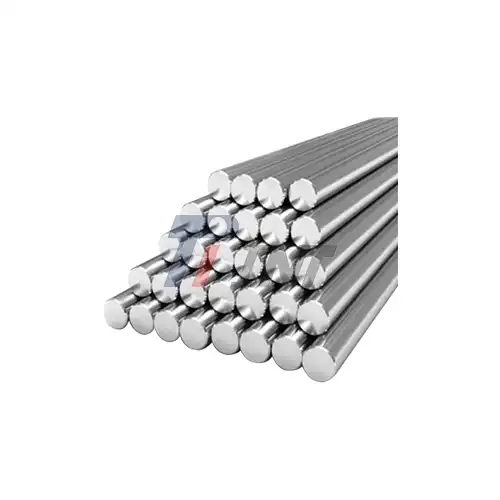
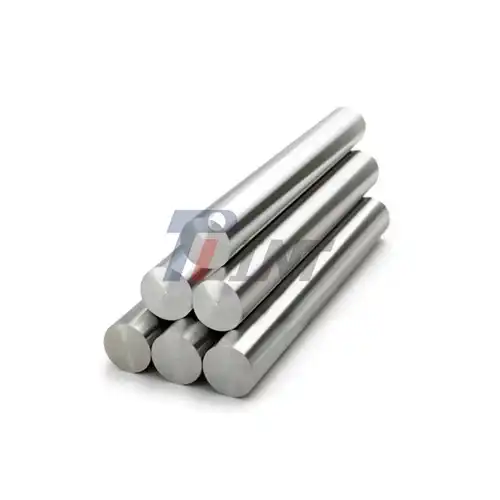
Medical-grade titanium bar suppliers usually give a lot of customization choices to meet a wide range of manufacturing needs. Standard round bar sizes range from 3 mm to over 300 mm, and lengths can be changed to fit different ways of working with materials and machines. Suppliers can offer precision-ground bars with close circle specs, different surface finishes (from as-forged to electropolished), and different temper conditions that affect how easy they are to machine.
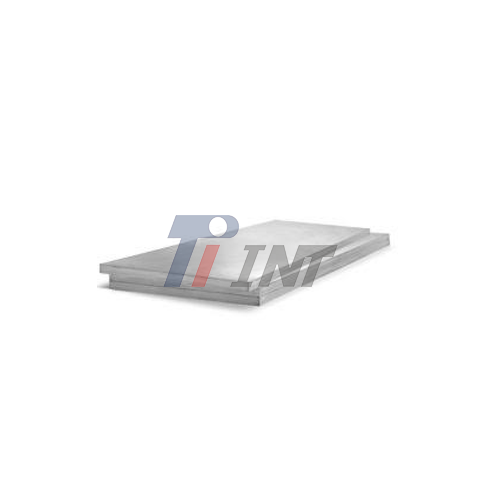
Custom cross-sections other than round bars, such as triangular, square, and flat shapes, help with specific production processes. Talking to suppliers about your unique application needs during the procurement phase makes sure that the material specifications match perfectly with your production methods and the performance standards for the end device.
How does GR2 titanium compare to other materials regarding long-term corrosion resistance?
GR2 titanium has better long-term corrosion resistance than stainless steel, cobalt-chromium alloys, and other metals that are often used in medical devices. A strong layer of titanium dioxide forms on its own, protecting against attacks from chloride ions, proteins, and changes in pH that happen in physiological environments. This passive film heals itself right away if it gets broken, and its defensive properties stay the same for decades after it is put in place.
When titanium implants are taken out after 20 years or more, there isn't much rust visible. Stainless steel devices, on the other hand, show pocket corrosion and pitting. Because it lasts so long, there are no worries about mechanical property loss or ion release that could affect how well the device works or the patient's safety during long insertion times.
Partner with Baoji INT Medical Titanium Co., Ltd. for Reliable Gr2 Medical Titanium Bar Supply
Baoji INT Medical Titanium Co., Ltd. is a reliable company that has been making Gr2 Medical Titanium Bars for over twenty years, working with medical device makers all over the world. Since our company was founded in 2003, we have gained a lot of experience making medical-grade titanium materials. Our ISO 9001:2015, ISO 13485:2016, and CE certifications show that we are dedicated to quality excellence. Our full line of products includes bars, wires, plates, and forged items made from commercially pure titanium and Ti6Al4V ELI alloy.
These are made following strict quality control procedures that guaranty consistent mechanical properties and full traceability documentation. The expert help our engineering team gives you, from helping you choose the right materials to suggesting the best working parameters, speeds up your development and production efforts. Because we know how important on-time shipping and stable supply lines are in medical manufacturing, we only do business with people who want to work with us for a long time.
Email our team at export@tiint.com to talk about the materials you need, ask for samples to be tested and confirmed, or find out how our services can help you with your next medical device idea. You can find out more about our full range of medical titanium products at inttitanium.com.
References
1. American Society for Testing and Materials. (2022). ASTM F67-13: Standard Specification for Unalloyed Titanium, for Surgical Implant Applications. West Conshohocken, PA: ASTM International.
2. Geetha, M., Singh, A.K., Asokamani, R., & Gogia, A.K. (2009). Ti based biomaterials, the ultimate choice for orthopaedic implants – A review. Progress in Materials Science, 54(3), 397-425.
3. International Organization for Standardization. (2016). ISO 5832-2: Implants for surgery — Metallic materials — Part 2: Unalloyed titanium. Geneva, Switzerland: ISO.
4. Niinomi, M., & Nakai, M. (2011). Titanium-based biomaterials for preventing stress shielding between implant devices and bone. International Journal of Biomaterials, Article ID 836587.
5. Rack, H.J., & Qazi, J.I. (2006). Titanium alloys for biomedical applications. Materials Science and Engineering: C, 26(8), 1269-1277.
6. Williams, D.F. (2008). On the mechanisms of biocompatibility. Biomaterials, 29(20), 2941-2953.
_1753426579714.webp)
_1750664157440.webp)
_1750209732185.webp)