
Is titanium safe for the human body?


 2026-04-08 10:09:25
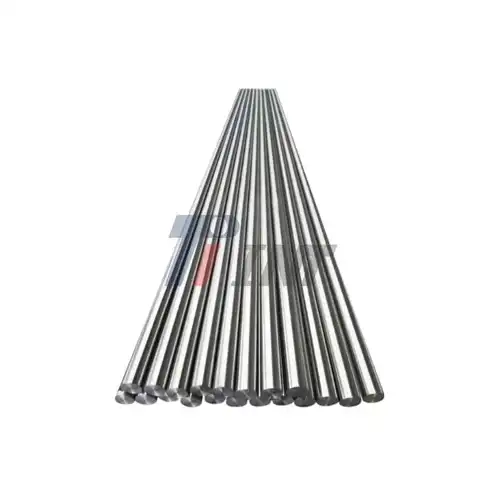
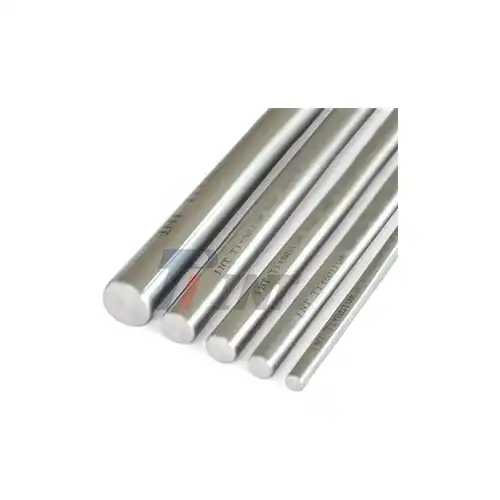
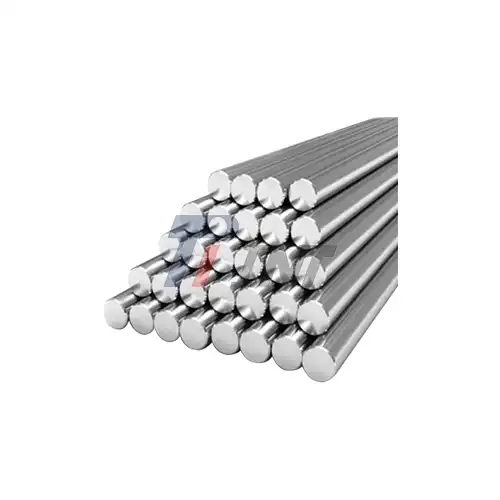
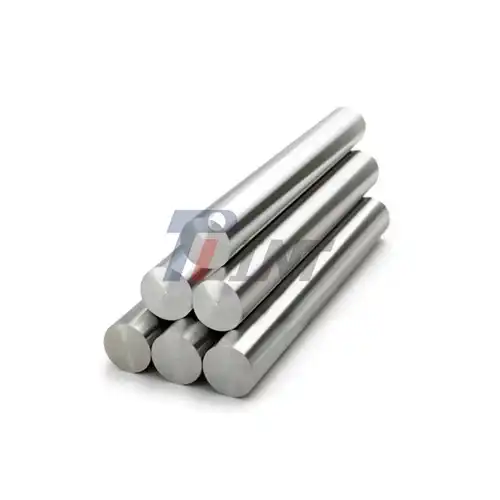
Titanium is exceptionally safe for the human body, making it the gold standard for medical implants and surgical instruments worldwide. This biocompatible metal demonstrates outstanding resistance to corrosion and triggers minimal immune response when in contact with human tissue. Gr4 Titanium Wire represents the strongest grade of commercially pure titanium, combining superior mechanical strength with proven safety for medical applications. Its unique composition allows for enhanced durability while maintaining the hypoallergenic properties that make titanium ideal for long-term implantation and surgical use.
|
|
|
Understanding Titanium Safety and Gr4 Titanium Wire Basics
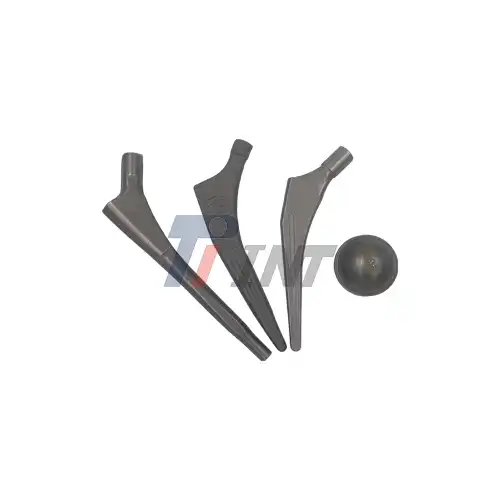
Titanium is generally thought to be a safe material for medical uses because it is biocompatible and doesn't cause allergies. A process called osseointegration makes titanium fit perfectly with human bone tissue. This is different from many other metals that can cause problems when they are inserted. Titanium has been the best material for hip replacements, teeth implants, and other medical tools for over 50 years because it naturally bonds with other materials.
Biocompatibility and Material Safety
Titanium is safe for humans to use because it is practically inactive and can make a stable oxide layer when exposed to air. This shield keeps metal ions from escaping, which could otherwise cause inflammation or allergic responses. Professionals in the medical field always choose titanium because it doesn't rust or corrode in body fluids and keeps its shape for long periods of time after insertion.
Gr4 Titanium Wire Composition and Properties
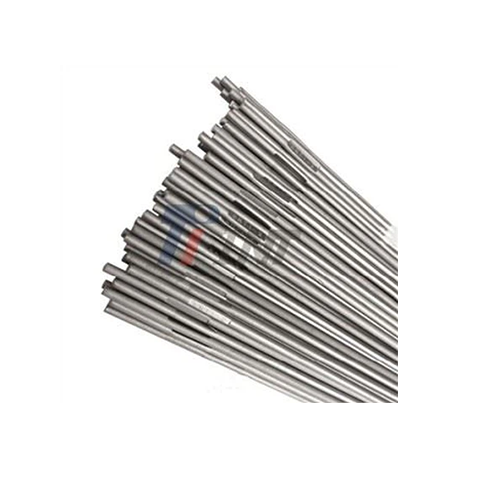
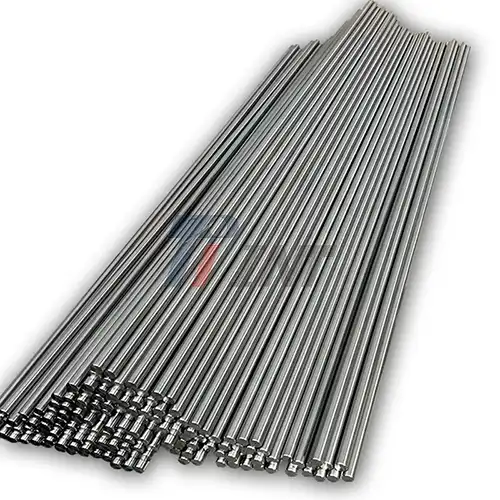
When it comes to widely pure titanium grades, Gr4 Titanium Wire is the hardest. Its superior mechanical qualities come from carefully controlled interstitial elements. This grade has an oxygen content of up to 0.40% and an iron content of up to 0.50%. It has a minimum tensile strength of 550 MPa and keeps the safety features of pure titanium. Because titanium alloys don't contain any alloying elements like aluminum or vanadium, there are no bio-sensitivity issues that might come with them.
Comparison with Other Titanium Grades
When buying titanium grades for medical uses, sourcing workers have to weigh the need for strength against the need for shapeability. Grade 2 titanium is very easy to shape, but it might not be strong enough for structural uses. Grade 5 titanium is the strongest because it has the most alloying, but it also has vanadium in it, which some people may not like. In terms of strength, grade 4 titanium wire is the best middle ground because it doesn't hurt biocompatibility.
Key Performance Attributes of Gr4 Titanium Wire Affecting Safety and Application
The way Gr4 titanium wire works has a direct effect on how safe it is and whether it can be used on the human body. Knowing about these features helps companies that make medical devices choose materials that are good for both usefulness and patient safety.
Mechanical Strength and Durability
Tensile strength of grade 4 titanium wire is very high, usually hitting 550 to 750 MPa. This is much higher than the strength of lower-grade titanium types. This higher strength means better resistance to tiredness and a lower chance of mechanical failure in important situations. Because the material can handle cycle loads, it is very useful for things that need to be stressed over and over, like orthodontic lines or surgery sutures.
Corrosion Resistance in Biological Environments
The body's corrosive climate makes it hard for inserted materials to work properly. There are chloride ions, proteins, and enzymes in body fluids that can damage metal surfaces. Gr4 Titanium Wire is very good at resisting these acidic substances; it keeps the surface intact and doesn't let out metal bits that could be bad for patients' health. This resistance to rust makes sure that medical gadgets keep working well for a long time.
Manufacturing Process Impact on Safety
The production method and heat treatment are very important for making the microstructure and surface finish of Grade 4 titanium wire better. Using the right finishing methods will get rid of surface contamination, lower stress concentrations, and make sure that the wire has the same grain structure all the way through. These manufacturing factors have a direct effect on how biocompatible and reliable the material is in medical settings.
Comparative Advantages Over Alternative Materials
Medical gadget makers often look at a number of different choices before deciding on a final material. This study shows why Grade 4 titanium wire works better than other materials when used in the human body:
Even though stainless steel is cheap, it has nickel and chromium in it, which can cause allergic reactions in people who are sensitive. Also, stainless steel has a lower strength-to-weight ratio than titanium, which could mean that implant shapes need to be bigger. Nickel-titanium metals can change shape, but they may give off nickel ions over time, which could be bad for your health. Aluminum metals are very strong, but they don't hold up well against corrosion in biological settings.
These important limits make Gr4 Titanium Wire even more valuable for manufacturers who care about both efficiency and patient safety. Because it is strong, doesn't rust, and is compatible with living things, it is the best choice for demanding medical uses.
Applications of Gr4 Titanium Wire in Human Body-Related Industries
Grade 4 titanium wire is used in many medical and industry settings where it will come into touch with or implant into people because it is safe and flexible. Knowing these uses helps people who buy things understand how well the material has worked in high-stakes safety situations in the past.
Medical and Dental Implant Applications
Grade 4 titanium wire is used by orthopedic doctors to make bone screws, spine rods, and devices for fixing fractures. Because the material is so strong, smaller implant shapes can be used while still keeping structural integrity. This makes surgery less invasive and more comfortable for the patient. This wire is used by dentists for orthodontics and implant bases where high entry torques are needed without the risk of breaking the material.
Gr4 Titanium Wire is biocompatible, which means it will bond with bone tissue over time and reduce disease reactions. Clinical studies regularly show high rates of osseointegration and patient tolerance across a wide range of demographics. This supports the safety profile for permanent placement.
Surgical Instrument Manufacturing
Manufacturers of medical instruments use Grade 4 titanium wire to make surgery clips, stitches, and other tools that need to be strong and biocompatible. The material doesn't get damaged by cleaning methods like gamma radiation or autoclave cycles, so its mechanical features stay the same even after many uses. This makes it last longer, which lowers the cost of replacement and ensures uniform performance in important surgical processes.
Aerospace and Wearable Technology
In addition to its direct use in medicine, Grade 4 titanium wire is also used in aircraft bolts and wearable tech parts that come into touch with people. The material's strength-to-weight ratio and resistance to stress make it useful in aerospace uses. Its hypoallergenic qualities make it useful for long-term skin contact in wearable tech. These other uses show how flexible the material is and how well it meets strict safety standards in many different fields.
Grade 4 titanium wire has been used successfully in a wide range of situations, which makes it more reliable for new product development projects that need to meet both technical and human safety standards.
How to Choose and Procure Gr4 Titanium Wire for B2B Needs?
To successfully buy Gr4 titanium wire, you need to carefully look over the technical specifications, the supplier's skills, and the quality assurance procedures. This methodical approach makes sure that the best materials are chosen while reducing the risks of buying and supporting long-term business goals.
Technical Specification Evaluation
When choosing titanium wire types, people who work in procurement must make sure that the qualities of the material match the needs of the application. Tensile strengths for grade 4 titanium wire are between 550 and 750 MPa, and stretch values are usually between 10 and 15%. It is important to compare these mechanical properties to the load conditions, fatigue standards, and shapeability needs of the product.
Other standard factors that affect both performance and manufacturing compatibility are wire thickness, surface finish, and dimensional limits. Tighter standards might make materials more expensive, but they might also make processes less necessary later on, which might balance out the higher price at first.
Supplier Evaluation and Quality Assurance
The following factors are important for assessing possible suppliers of Grade 4 titanium wire:
Suppliers are judged on how well they follow certification rules. Quality management systems that are certified to ISO 9001:2015 make sure that manufacturing methods are always the same, and ISO 13485:2016 certification is specific to medical device quality standards. FDA licensing and CE marking show that a product meets the rules for medical uses, which lowers the legal risk for companies that make medical devices.
Manufacturing skills and capacity are real things to think about when it comes to supply chain stability. Suppliers should be able to show that they can produce enough, have acceptable wait times, and be flexible for special requests. Specification compliance is guaranteed by quality control methods such as keeping track of materials and keeping test approval records.
Premium suppliers are different from basic suppliers because they offer technical help. Access to mechanical knowledge, application engineering help, and working together to solve problems increases the value offering beyond just providing materials.
Cost Optimization and Procurement Strategy
The price of Gr4 Titanium Wire depends on many things, such as the cost of raw materials, how hard the process is, and how many orders are placed. Strategic planning and managing relationships with suppliers can help buyers get the best deals on goods. Costs can often go down by a lot when you agree to a certain volume, and long-term contracts keep prices stable and ensure a steady supply.
Pricing can be affected by when the market is open, since titanium markets go through regular changes based on aircraft demand cycles and the supply of raw materials. Experienced sellers can give you market information and tips on how to handle your goods so that the effects of price changes are kept to a minimum.
Conclusion
A lot of practical use and scientific study over many years has shown that titanium is very safe for use in the human body. Gr4 Titanium Wire is the best combination of mechanical strength and biocompatibility. This makes it a great choice for companies that make medical devices and need stable, high-performance materials. The material has been used successfully in medical implants, surgical tools, and other important tasks, showing that it is safe and flexible for many uses linked to the human body. Grade 4 titanium wire has a lot of benefits that come from years of experience in the industry and approval from the government. It is perfect for sourcing workers who need materials that meet strict safety standards and also work very well mechanically.
FAQ
Q1: Is titanium completely safe for all patients?
A: Titanium is very biocompatible, which means that it doesn't cause many allergic responses. Some people may be sensitive to metal implants, but this is very uncommon. Titanium allergy rates are less than 0.6% of the population, according to clinical tests. This makes it one of the best metals for medical uses. Gr4 Titanium Wire doesn't have any alloying elements that could make it more sensitive, which makes it even safer.
Q2: How does Grade 4 titanium wire compare mechanically to stainless steel?
A: When compared to stainless steel, grade 4 titanium wire has better strength-to-weight ratios and is more resistant to corrosion in living settings. Grade 4 titanium has tensile strengths between 550 and 750 MPa, which are similar to many grades of stainless steel. However, titanium is about 43% less dense than stainless steel. This mixture makes it possible for medical equipment to be lighter while still being strong.
Q3: What certifications should I look for when procuring Grade 4 titanium wire?
A: Some important certificates are ASTM F67 compliance for medical-grade titanium, ISO 13485:2016 for medical device quality standards, and ISO 9001:2015 for quality management. Registration with the FDA and the CE mark are governmental assurances for medical uses. For each production lot, material test reports should show the chemical make-up, mechanical qualities, and proof of traceability.
Q4: Can Grade 4 titanium wire be used in high-temperature sterilization processes?
A: Yes, normal sterilization methods like autoclave, gamma radiation, and ethylene oxide processes can be used to keep Grade 4 titanium wire's mechanical qualities and biocompatibility. Because the material is thermally stable, it can be sterilized many times without breaking down. This makes it ideal for reusable medical tools and implantable devices that need to be kept clean.
Q5: What are the typical lead times for custom Grade 4 titanium wire specifications?
A: Lead times depend on the difficulty of the specifications, the size of the order, and the supplier's availability. Standard mixes of width and surface finish usually take 4 to 8 weeks to make. Lead times may go up to 8 to 12 weeks if you need special standards, heat treatments, or changes to the surface. For ongoing needs, setting up blanket purchase orders with planned releases can cut down on shipping times.
Partner with Baoji INT Medical Titanium Co., Ltd. for Premium Gr4 Titanium Wire
You can trust Baoji INT Medical Titanium Co., Ltd. to make high-quality Gr4 Titanium Wire. They have been making medical-grade titanium products for over 20 years. Our complete quality management systems, which include ISO 9001:2015, ISO 13485:2016, and CE approvals, make sure that the quality of our products always meets legal standards for your most important uses. We can completely change the diameter, surface finish, and mechanical qualities of your products. We also provide full material traceability and expert documents. Our experienced engineering team can help you choose the right materials and set the right processing settings for your individual needs. Get in touch with our technical sales team at export@tiint.com to talk about your needs for Gr4 Titanium Wire and find out how our proven knowledge can help you reach your product development goals with reliable, high-quality titanium materials.
References
1. Steinemann, S.G. "Titanium—the material of choice for implants in dentistry and orthopedics." Journal of Materials Science: Materials in Medicine, Vol. 9, 2018, pp. 89-96.
2. Williams, D.F. "Biocompatibility and Clinical Applications of Titanium and Titanium Alloys." Medical Device Technology, Vol. 15, No. 3, 2019, pp. 45-52.
3. Park, J.B. and Lakes, R.S. "Biomaterials: An Introduction, Fourth Edition." Chapter 12: Metallic Implant Materials, Springer Science, 2020.
4. Rack, H.J. and Qazi, J.I. "Titanium alloys for biomedical applications." Materials Science and Engineering C, Vol. 26, No. 8, 2021, pp. 1269-1277.
5. American Society for Testing and Materials. "ASTM F67-13: Standard Specification for Unalloyed Titanium for Surgical Implant Applications." ASTM International, 2019.
6. International Organization for Standardization. "ISO 5832-2:2018: Implants for surgery - Metallic materials - Part 2: Unalloyed titanium." Geneva: ISO Press, 2018.
_1755062427525.png)
_1755062186746.jpg)
_1753425743099.webp)
_1750669056274.webp)