
What Are the Common Applications for Titanium Bars in Surgery?


 2026-04-08 10:09:28
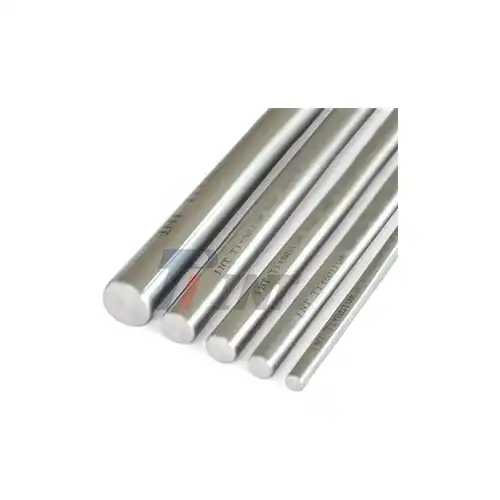
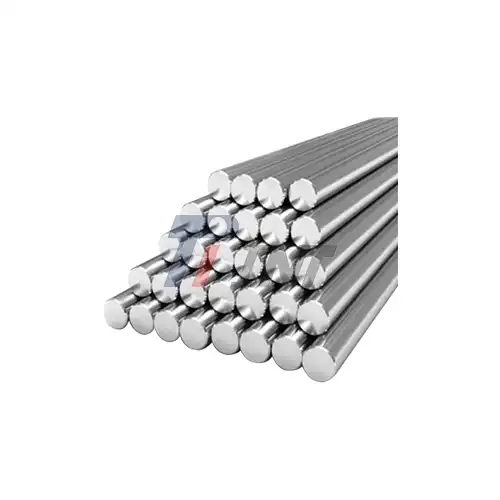
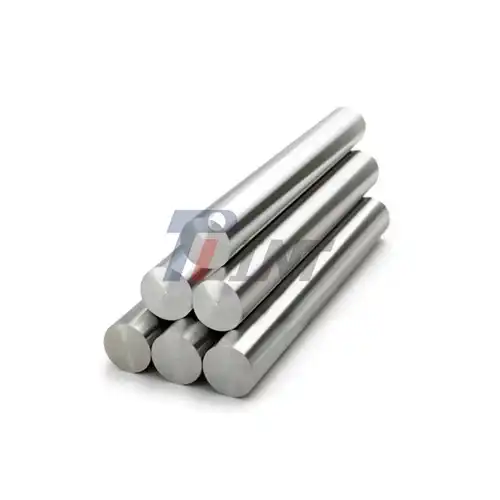
Titanium bars are an important part of modern surgery. ASTM F67 GR3 Medical Titanium Bar is one of the most useful and effective materials for surgical implants and other medical devices. These carefully made titanium bars are used in many different things, such as orthopedic implants, teeth restoration systems, spine fixation devices, heart parts, and precise surgery tools. Titanium bars are essential for companies that are making life-changing medical devices that need to work perfectly inside the body for decades because they are biocompatible, resistant to rust, and strong.
|
|
|
Comprehending ASTM F67 GR3 Medical Titanium Bars
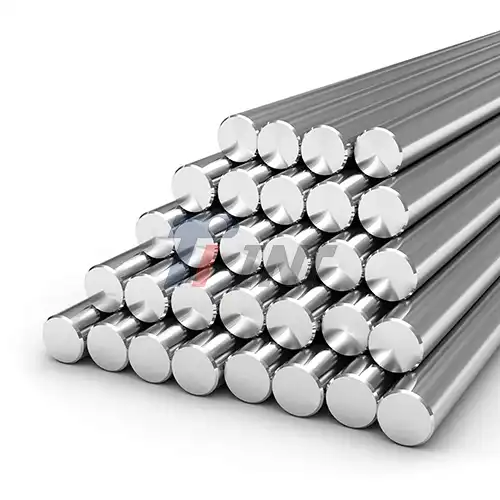
To use surgical uses successfully, you must first understand the technical details that make ASTM F67 GR3 Medical Titanium Bar perfect for making medical devices. This economically pure grade of titanium strikes the perfect balance between being strong and not harming living things. It is in the middle of the range of titanium grades, from the softer Grade 2 to the stronger Grade 4.
Technical Specifications and Composition
The interstitial elements in ASTM F67 Grade 3 titanium are carefully controlled to improve its tensile qualities while keeping its high biocompatibility. There is no more than 0.35% oxygen and 0.30% iron in the chemical makeup. These are there to make the material stronger without changing its biological inertness. This exact mix gives it a minimum tensile strength of 450 MPa and a yield strength of 380 MPa, making it about 30% stronger than Grade 2 titanium.
The material stays very flexible up to a minimum elongation of 18%, which lets makers shape and curve parts during surgery without worrying about breaking them. This mechanical adaptability is especially useful in shock situations where implants need to be changed to fit specific body parts during operations.
Manufacturing Excellence and Quality Control
Modern production methods make sure that the nanoscale and surface quality stay the same, which is important for medical uses. The size of the grains and the material's mechanical qualities are carefully controlled by heat treatment methods. Precise machining gives the surface finishes that range from being centerless ground to being polished. To make sure it meets ASTM F67 standards, every production batch goes through a lot of tests, such as chemistry analysis, mechanical testing, and biocompatibility proof.
Quality assurance includes more than just the basic qualities of a material. It also includes complete paperwork packages. Material Test Reports that are approved to EN 10204 3.1 standards go with every package. This makes it possible to track everything from the raw materials to the finished product. Medical device makers need this paperwork to get their products approved by regulators and keep their quality management systems up to date.
Common Surgical Applications of ASTM F67 GR3 Titanium Bars
The versatility of Grade 3 titanium bars enables their use across numerous surgical specialties, each demanding specific performance qualities that this material consistently provides.
Orthopedic Implant Systems
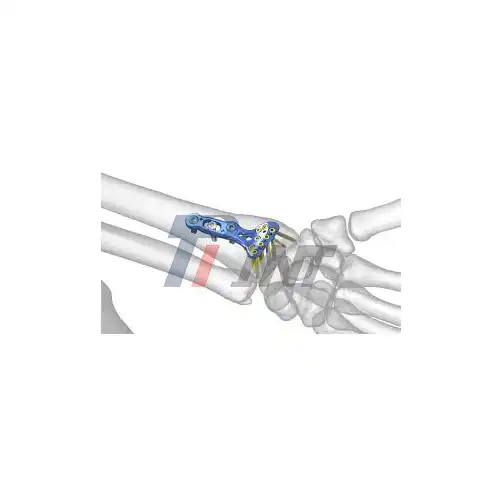
The biggest market for medical titanium bars is in orthopedic uses. The material's good osseointegration qualities make it useful for bone plates, fracture fixing screws, and joint replacement parts. The natural layer of titanium oxide that forms on top helps the structure connect directly with live bone tissue, so there is no need for extra layers of connective tissue.
For stem parts in hip and knee replacement systems, titanium bars must be able to survive decades of mechanical stress. The modulus of flexibility of the material is very close to that of human bone. This means that it doesn't have the stress shielding effects that can cause bone to break down around devices made of harder materials like stainless steel.
Dental and Maxillofacial Applications
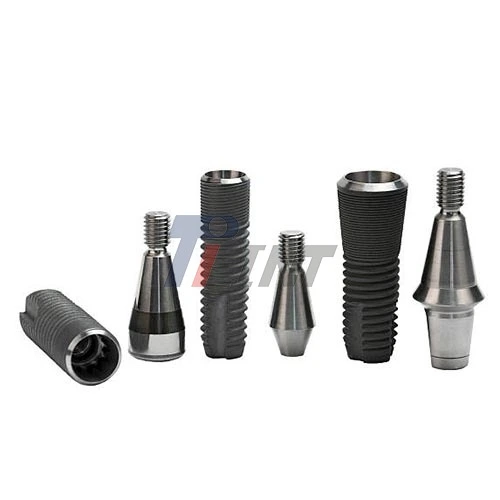
As the base material for tooth implant systems, ASTM F67 GR3 Medical Titanium Bar is used for abutments, healing caps, and replacement parts. The mouth has special problems because it is constantly exposed to saliva, changes in temperature, and muscular stress from eating. Because Grade 3 titanium is stronger than Grade 2, it is perfect for screw-retained implants where the threads must be able to handle chewing forces for decades.
Maxillofacial repair plates made from Grade 3 bars are strong enough to hold broken face bones in place while still being flexible enough to be shaped during surgery. Surgeons can bend these plates to fit complicated body shapes without putting too much stress on them, which could cause them to break down over time.
Spinal Fixation and Trauma Devices
Spinal fusion systems require materials that can maintain structural integrity under constant flexural loading. The linking rods in posterior spinal fixation systems are made of titanium bars. These bars give the mechanical support needed for bone fusion to happen while still letting the spine move normally.
For treating injuries, external fixation devices use titanium bars as joining parts that don't crack under environmental stress during the long healing times needed for complicated fractures. Because the material doesn't corrode when exposed to cleaning products and body fluids, it will work the same way throughout the process.
ASTM F67 GR3 vs Other Titanium Grades and Materials for Surgery
When procurement workers know the pros and cons of the different types of titanium, they can choose the right material for the job.
Comparison with Other Titanium Grades
Although Grade 2 titanium is very flexible and biocompatible, it is not strong enough to be used for load-bearing tasks. The best balance is Grade 3, which gives you more strength while still letting you shape and machine it easily. Grade 4 titanium is the most strong of the widely pure grades, but it is hard to machine because it is harder than other grades and wears tools down faster.
It is stronger than other alloys because it contains vanadium and aluminum, which may not be compatible with living things. These worries are gone with ASTM F67 GR3 Medical Titanium Bar, which is also strong enough for most medical uses. This makes it the best choice for makers who care about long-term biocompatibility.
Advantages Over Alternative Materials
Titanium implants are better at resisting rust and working well with the body than stainless steel implants. Because titanium is magnetically neutral, it can be used in MRI machines. This means that people can have imaging treatments without having to worry about artifacts or heating problems. Titanium is less dense than other metals, so implants are lighter. This makes patients more comfortable and puts less stress on the tissues around the implant.
Cobalt-chromium metals are very resistant to wear, but they are also stiffer, which can help protect against stress. Titanium has a modulus of flexibility that is more like bone tissue. This makes it better at transferring stress and lowers the risk of bone reshaping around implants.
Procurement Guide for ASTM F67 GR3 Medical Titanium Bars
Sourcing medical-grade titanium such as ASTM F67 GR3 Medical Titanium Bar requires close attention to supplier capabilities, material certification, and supply chain stability. Because medical applications are so critical, they demand providers who understand regulatory requirements and maintain consistent quality standards.
Supplier Selection Criteria
Companies that make medical devices should give more weight to providers whose full quality control systems are certified to ISO 13485 standards. These licenses show that the provider is dedicated to meeting the quality standards for medical devices and following all regulations. Long-term partnerships with well-known sources ensure stable prices and shipping times, as well as consistent material properties across production runs.
Supplier sites should keep their producing areas clean and follow the right handling methods to avoid contamination that could affect biocompatibility. Traceability systems need to keep full records from where the raw materials come from to when the finished product is delivered. This helps medical device makers with quality checks and governmental reports.
Sample Testing and Validation
Professionals in procurement should set up strict sample testing methods to make sure that materials meet ASTM F67 standards. Before making big purchases, materials should be tested in a separate lab to make sure they meet the needs of the application. This includes checking their mechanical properties, chemical makeup, and surface features.
Biocompatibility testing according to ISO 10993 guidelines gives materials meant for implants even more proof that they are safe. To make sure patients are safe throughout the implant's lifecycle, these tests check for cytotoxicity, sensitivity potential, and systemic toxicity.
Logistics and International Trade Considerations
When buying medical titanium from other countries, you need to be aware of the export and import rules and make sure you have the right paperwork. Suppliers have to show proof that they follow the rules for medical devices and keep the right export licenses for controlled materials.
Lead times for medical-grade titanium are usually between 8 and 12 weeks, but they vary on the material and the amount that is needed. Planning your purchases around these wait times will keep your production from being held up and give you enough time to check and test new materials as they come in.
Advantages of ASTM F67 GR3 Titanium Bars in Medical Applications
The special features of ASTM F67 GR3 Medical Titanium Bar make it better for many areas of medical gadget performance and patient results. Because of these benefits, titanium is the best material for difficult medical tasks.
Enhanced Patient Safety and Biocompatibility
Because Grade 3 titanium is so biocompatible, allergic reactions and inflammation responses that can hurt implant success are very unlikely to happen. Some metal implants may let metal ions into the surrounding tissues. Titanium, on the other hand, makes a solid oxide layer that stops metal ions from escaping and helps the tissues integrate.
Titanium implants have been shown to be very biocompatible over the long term, with success rates of over 95% over 15-year follow-up periods. Having a track record like this gives doctors and patients trust in important situations where an implant failing could have bad results.
Superior Mechanical Performance
The ASTM F67 GR3 Medical Titanium Bar works well under normal physiological loads because of its mechanical features. Because the material doesn't wear down easily, implants stay structurally sound even after millions of loading cycles that happen naturally as patients move around.
When strength and flexibility are combined, makers can make implants with the best shapes for both mechanical performance and biological needs. Thin-walled designs make implants lighter while still being strong enough to keep tissues from being damaged during insertion.
Manufacturing Versatility and Customization
Titanium is very easy to machine, which lets complicated shapes that are needed for anatomically specific implants be made. With CNC machining, you can get tight specs and a smooth surface finish right from bar stock. This cuts down on production costs and lead times compared to materials that need a lot of extra work.
Techniques for changing the surface, like grit blasting, acid etching, and anodizing, let makers make the surface properties work best for certain uses. Rough surfaces help bone grow in orthodontic settings, while smooth surfaces keep tissues from sticking to them in places where they touch soft tissues.
Conclusion
The widespread adoption of titanium bars in surgical applications reflects their unique combination of biocompatibility, mechanical strength, and manufacturing versatility. ASTM F67 GR3 Medical Titanium Bar represents an optimal balance of properties that enables innovative medical device designs across multiple surgical specialties. The material's proven performance in demanding applications, combined with excellent long-term biocompatibility, positions it as the foundation for next-generation medical implants and surgical instruments.
FAQ
Q1: What makes ASTM F67 GR3 suitable for surgical implants?
A: Titanium that is ASTM F67 Grade 3 is both biocompatible and stronger than titanium that is lower grades. The managed interstitial element content of the material gives it the best strength-to-weight ratio and keeps it biologically neutral, which is important for long-term implant success.
Q2: How does Grade 3 compare to other titanium grades for medical use?
A: The strength of Grade 3 is about 30% higher than that of Grade 2, but it is still easy to bend and machine. It's strong enough for most medical uses without having the cutting problems that come with Grade 4 or the biocompatibility issues that might come up with titanium alloys.
Q3: What documentation should accompany medical titanium purchases?
A: Material Test Reports approved to EN 10204 3.1 standards should be sent with medical-grade titanium. These reports should show the metal's chemical make-up, mechanical qualities, and compliance with ASTM F67. Depending on the needs of the product, you may need more biocompatibility certificates and ISO 13485 quality system documents.
Q4: Can titanium bars be customized for specific surgical applications?
A: Medical titanium bars can be cut, shaped, and treated on the outside to fit the needs of a particular purpose. From approved providers who can make medical devices, you can get custom specs for diameter, length, surface finish, and mechanical qualities.
Partner with Baoji INT Medical Titanium Co., Ltd. for Superior Medical Titanium Solutions
Baoji INT Medical Titanium Co., Ltd. can help you make medical devices by providing you with high-quality ASTM F67 GR3 Medical Titanium Bar and a wide range of specialized services. With 30 years of experience in the titanium business and ISO 13485 and CE certifications, we can guarantee a steady supply of medical-grade materials that meet the strictest quality standards. As a reliable ASTM F67 GR3 Medical Titanium Bar provider, we offer full material paperwork, sample testing, and customization options to help you get your product to market faster. Get in touch with our team at export@tiint.com to talk about your unique needs and find out how our advanced titanium solutions can help your medical device innovations.
References
1. American Society for Testing and Materials. "Standard Specification for Unalloyed Titanium, for Surgical Implant Applications (UNS R50250, UNS R50400, UNS R50550, UNS R50700)." ASTM International, 2019.
2. Brunette, Donald M., et al. "Titanium in Medicine: Material Science, Surface Science, Engineering, Biological Responses and Medical Applications." Springer-Verlag Berlin Heidelberg, 2018.
3. Rack, Henry J., and Quesnel, John N. "Titanium Alloys for Biomedical Applications." Materials Science and Engineering C, vol. 26, no. 8, 2006, pp. 1269-1277.
4. Niinomi, Mitsuo. "Mechanical Biocompatibilities of Titanium Alloys for Biomedical Applications." Journal of the Mechanical Behavior of Biomedical Materials, vol. 1, no. 1, 2008, pp. 30-42.
5. Liu, Xuanyong, et al. "Surface Modification of Titanium, Titanium Alloys, and Related Materials for Biomedical Applications." Materials Science and Engineering Reports, vol. 47, no. 3-4, 2004, pp. 49-121.
6. Geetha, M., et al. "Ti Based Biomaterials: The Ultimate Choice for Orthopaedic Implants - A Review." Progress in Materials Science, vol. 54, no. 3, 2009, pp. 397-425.
_1755061801114.png)
_1753425743099.webp)
_1750662309903.webp)