Can titanium wire be soldered?


 2026-04-08 10:09:23
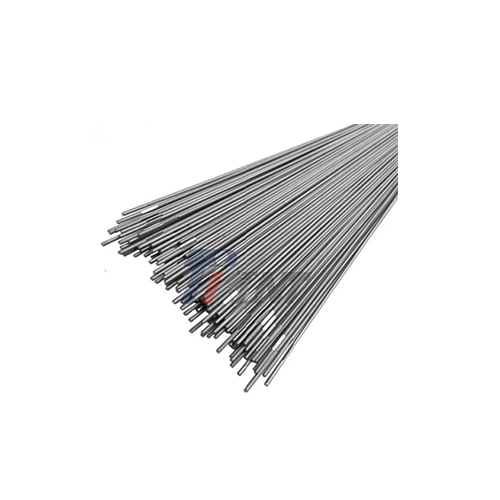
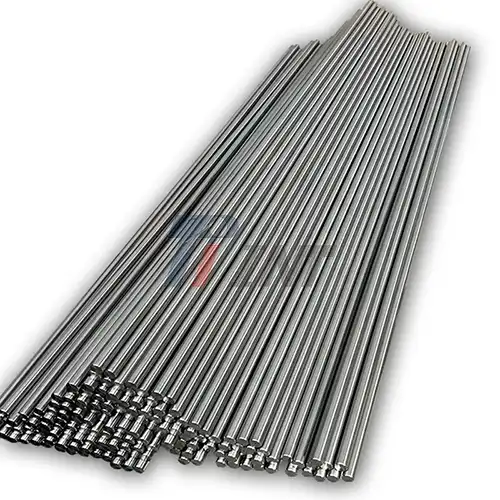
Soldering titanium wire, particularly Gr3 Titanium Wire, presents significant technical challenges due to titanium's inherent properties. While traditional soldering methods struggle with titanium's natural oxide layer and low thermal conductivity, specialized techniques can achieve limited success. However, welding and brazing remain the preferred joining methods for titanium applications in medical device manufacturing and industrial settings where reliability and strength are paramount.
|
|
|
Comprehending Titanium Wire and the Soldering Challenge
When making medical devices, working with titanium wire comes with its own set of mechanical problems that buying managers and R&D engineers need to carefully solve. The unique qualities of the material that make it valuable also make it hard to join with traditional methods.
Unique Properties of Gr3 Titanium
When it comes to commercially pure titanium, Gr3 Titanium Wire is the middle grade. It is made with more oxygen (up to 0.35%) and iron (up to 0.30%) than lower grades. The minimum tensile strength of this mixture is 450 MPa, and it still has the single-phase alpha structure that makes it very resistant to weathering. Because the intermediate elements are higher, a material is made that is in between Grade 2, which is softer, and Ti-6Al-4V, which is more expensive.
The wire's biocompatibility and strength make it indispensable for medical applications requiring moderate mechanical qualities without the higher cost of alloyed types. It is especially useful in chemical processing settings because it doesn't rust or pit when exposed to hexavalent chromium, wet chlorine, or nitric acid, which is how stainless steels usually fail.
Why Soldering Titanium Proves Difficult?
The main thing that stops soldering from working is that titanium surfaces form a tough oxide layer. This titanium dioxide film grows back right away when it is touched, which makes it impossible for regular solders to properly wet the base metal. During soldering, heat is still not evenly distributed because titanium is not as good at conducting heat as copper or aluminum.
Titanium's sensitivity at high temperatures makes these problems even worse. When hot, the metal easily takes in hydrogen, oxygen, and nitrogen from the air, which weakens it and contaminates the joint zone. Standard flux mixtures don't work well enough to break through the oxide layer and keep the metal below it from getting contaminated by air.
Is Soldering Gr3 Titanium Wire Feasible?
Use of traditional soldering methods is severely limited when working with titanium wire. When buying workers know about these limitations, they can make better decisions about which joining technologies will work best for their needs.
Technical Limitations of Conventional Soldering
Due to titanium's inherent properties, joining processes such as soldering Gr3 Titanium Wire are particularly challenging. The metal's thermal characteristics result in poor heat transfer efficiency, requiring prolonged heating cycles that increase oxidation risk. At soldering temperatures, surface oxides form rapidly and persistently interfere with solder bonding, even when aggressive fluxes are employed.
Normal lead-tin or lead-free solders don't have the right properties to stick to titanium surfaces. When solder bonds do form, they usually don't have good mechanical properties and don't last long when they're stressed or heated and cooled many times. When used in medical devices, where joint integrity directly affects patient safety and gadget longevity, these limits become very problematic.
Specialized Soldering Approaches
Titanium wire can be used with some success with advanced joining methods that use special fluxes and silver-based solders. Fluorides or chlorides in ultra-activated fluxes can briefly break down the oxide layer, which lets some solder wet. But these strong chemicals need to be handled carefully and completely removed to avoid rusting problems in the long run.
Controlled atmosphere soldering in inert gas settings gets rid of the problem of oxidation, but the method is much more complicated and expensive. When compared to other ways of joining, like welding or mechanical fastening systems, the costs of specialized tools and process development often outweigh the benefits.
Practical Alternatives to Soldering Gr3 Titanium Wire
Professional production companies usually use tried-and-true alternatives to soldering that produce better joints and are more reliable. The strict quality standards of making medical devices are better met by these tried-and-true ways.
Welding Technologies for Titanium Applications
When it comes to combining titanium wire in a factory setting, TIG welding is the best way to do it. The process gives exact control over the heat and shields the weld zone from outside pollution with inert gases. Skilled workers can make full entry welds that have great mechanical qualities that are the same as or greater than the strength of the base metal.
When working with small-diameter Gr3 Titanium Wire, laser welding technology provides exceptional precision. The concentrated heat input minimizes the heat-affected zone and enables automation for high-volume production. Medical device manufacturers favor laser welding for its repeatability and clean, corrosion-resistant weld appearance that meets stringent cosmetic standards.
Certain wire-to-wire or wire-to-substrate uses can be solved with resistance welding. The fast heating procedure keeps oxidation to a minimum, and the controlled pressure keeps the metals in close touch. When the joint strength standards allow it, this method works well for making a lot of electrical connections.
Surface Preparation and Quality Control
The first step in successfully welding titanium is to carefully prepare the surface. Chemical cleaning, also called pickling, gets rid of surface dirt and metal layers that could hurt the quality of the weld. Usually, acid cleaning is followed by a thorough rinse and welding right away to stop rust from happening again.
Before welding starts, quality control processes must make sure that the area is clean and that the measurements are correct. Fingerprints, cutting fluids, or storage materials that get on the finished joints can make them weak and porous. Setting up written cleaning and checking processes makes sure that the results are the same from batch to batch.
Visual observation, dye penetrant testing, or radiographic methods used after the welding process prove that the joint is solid. When medical implants are used, these quality standards are even more important because a failed joint could have dangerous medical effects.
Procurement Considerations for Gr3 Titanium Wire in B2B Context
To choose the right supplier and material specs, you need to carefully consider more than just the basic qualities of the material. When making choices, good buying teams think about how those decisions will affect the whole supply chain.
Supplier Qualification and Certification
Companies that make medical devices need providers that have a lot of quality certifications, like ISO 13485 for medical equipment and ISO 9001 for quality management systems. Compliance with CE marking is also required for European markets, while FDA approval may be needed for US uses. With these certificates, you can be sure that the material meets the strict standards for biocompatible uses.
Both the supplier's skill in handling titanium and their knowledge of how it will be used in the end are useful. Well-known makers can offer expert help with choosing materials, setting up processing parameters, and fixing problems when they happen. This kind of knowledge is especially useful when making new goods or increasing the amount that is made.
Traceability paperwork lets lots be tracked all the way through the supply chain, which meets the rules for medical device uses. For each batch of material, suppliers should give mill test certificates, chemical analysis records, and proof of its mechanical properties.
Cost Optimization and Supply Chain Management
Total procurement costs for Gr3 Titanium Wire are significantly influenced by wire diameter, length requirements, and packaging configurations. Standard sizes ordered in volume typically yield more favorable pricing, while certain applications may demand custom specifications. Balancing inventory carrying costs against volume purchase savings requires careful analysis of usage patterns and storage capacity.
Lead times are very different for normal and custom specs. Rush orders for important projects often come with big price increases that affect the economy of the project. Planning buying processes around standard lead times helps keep costs low and makes sure that materials are available when production plans call for them.
Cost and quality are both affected by how things are transported and handled. The right wrapping keeps the surface clean so that it doesn't get damaged during shipping and is ready for further processing. For customs processing and regulatory compliance, international shipping may need extra paperwork.
Applications and Benefits of Using Gr3 Titanium Wire in Industry
The versatility of titanium wire enables applications across multiple industries where conventional materials cannot meet the demanding performance requirements. Knowing about these uses helps to support the choices about which materials to use and how to handle them.
Medical Device Manufacturing Applications
Titanium wire is used a lot in the manufacturing of surgical instruments for its springs, clips, and fixing parts. The biocompatibility of the material takes away any worries about how it will respond with tissue, and it also has the mechanical qualities needed for effective use. When gadgets are sterilization compatible, they can go through many autoclave processes without breaking down.
Titanium wire is used to make cerclage lines and bone support systems for orthopedic implants. The wire's high strength-to-weight ratio and ability to prevent corrosion make it stable over time in the harsh living environment. In these situations, welded joints must show that they can withstand repeated loads without breaking.
Orthodontic archwires and surgery sutures are two dental uses for the material that benefit from its biocompatibility and springy qualities. Controlled processing makes it possible to get exact material qualities, which lets them be tailored to specific clinical needs.
Industrial and Aerospace Applications
Titanium wire is used in mesh demisters and heat exchanger parts of tools used in chemical processes. The material's ability to prevent corrosion in harsh chemical environments makes devices last longer and require less upkeep. Welded parts must stay strong even when exposed to chemicals and changing temperatures.
As a result of its low weight and resistance to rust, titanium wire is used in aerospace parts for electrical connections, bolts, and springs. For aerospace uses, the strict quality standards call for tried-and-true joining methods and detailed quality records.
Titanium is resistant to corrosion in saltwater, which is good for marine uses where parts are exposed to harsh salty conditions. Welded titanium parts are what offshore platforms and desalination equipment depend on to work reliably for a long time in these harsh circumstances.
Conclusion
Although soldering Gr3 Titanium Wire is still hard to do because of the metal's oxide formation and heat qualities, there are better ways to join things for professional use. TIG and laser welding, in particular, provide the power and dependability of joints needed in the production of medical devices and in commercial settings. The right way to prepare the surface and check the quality of the work guarantees regular results that meet strict industry standards. It is better for buying professionals to choose experienced sources with the right certifications and technical know-how than to try to change the process to make titanium solderable even though it isn't easy to do.
FAQ
Q1: Can titanium wire be successfully soldered using standard techniques?
A: Standard soldering techniques face significant limitations with titanium wire due to the rapid formation of oxide layers and poor solder wetting characteristics. While specialized fluxes and silver-based solders can achieve limited success, the resulting joints typically exhibit inferior mechanical properties compared to welding alternatives. Most professional applications rely on TIG or laser welding for reliable titanium wire joining.
Q2: What welding methods work best for Gr3 titanium wire applications?
A: TIG welding provides excellent results for most titanium wire applications, offering precise heat control and inert gas protection. Laser welding delivers superior precision for small-diameter wires and enables automation for high-volume production. Resistance welding works effectively for specific wire-to-wire connections where rapid heating cycles prevent oxidation issues.
Q3: How does surface preparation affect titanium wire joining quality?
A: Proper surface preparation proves critical for successful titanium welding operations. Chemical cleaning or pickling removes contaminants and oxide layers that could cause porosity or weak joints. Immediate welding after cleaning prevents re-oxidation, while documented cleaning procedures ensure consistent quality across production batches.
Contact Baoji INT Medical Titanium Co., Ltd. for Premium Gr3 Titanium Wire Solutions
Baoji INT Medical Titanium Co., Ltd. stands ready to support your titanium wire procurement needs with over two decades of specialized manufacturing experience. Our comprehensive product line includes certified Gr3 Titanium Wire manufactured to ASTM and ISO standards, ensuring compliance with medical device regulations worldwide. Whether you require standard specifications or custom sizing for specialized applications, our technical team provides expert guidance on material selection and processing parameters. Contact our specialists at export@tiint.com to discuss your requirements and receive detailed quotations for your next project.
References
1. Boyer, R., Welsch, G., & Collings, E.W. "Materials Properties Handbook: Titanium Alloys." ASM International, Materials Park, OH.
2. Donachie, Matthew J. "Titanium: A Technical Guide, 2nd Edition." ASM International, Materials Park, OH.
3. ASTM International. "ASTM B863-20: Standard Specification for Titanium and Titanium Alloy Wire." West Conshohocken, PA.
4. Peters, M., Kumpfert, J., Ward, C.H., & Leyens, C. "Titanium Alloys for Aerospace Applications." Advanced Engineering Materials, Vol. 5, No. 6.
5. Schutz, R.W. & Watkins, H.B. "Recent Developments in Titanium Alloy Application in the Energy Industry." Materials Science and Engineering A, Vol. 243, Issues 1-2.
6. Veiga, C., Davim, J.P., & Loureiro, A.J.R. "Properties and Applications of Titanium Alloys: A Brief Review." Reviews on Advanced Materials Science, Vol. 32, No. 2.
_1755061801114.png)
_1751956503238.webp)
_1750663253486.webp)