
What Is Grade 7 Titanium Plate and Where Is It Used Today


 2026-07-29 09:16:40
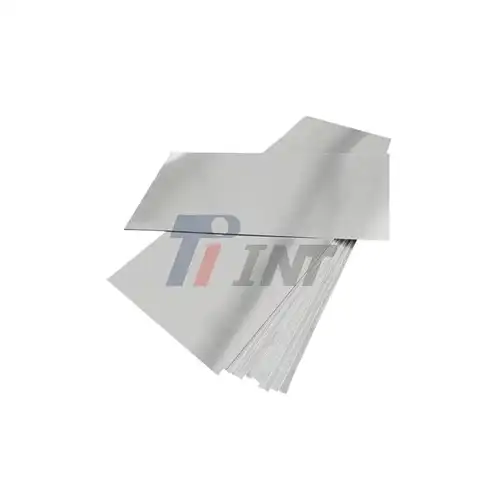
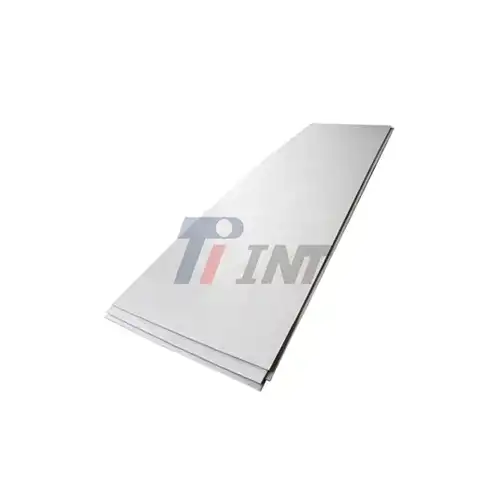
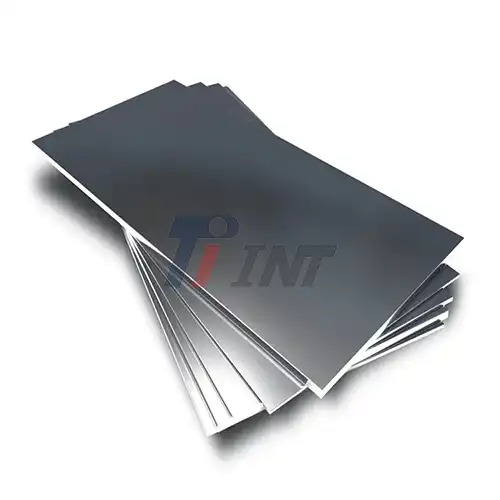
Gr 7 Titanium Plate represents a specialized titanium alloy featuring a unique palladium addition (0.12-0.25% Pd) that dramatically enhances corrosion resistance beyond commercially pure titanium. Manufactured to ASTM B265 specifications, this material delivers exceptional performance in aggressive chemical environments where standard titanium grades fail. Its mechanical properties include tensile strength exceeding 345 MPa and elongation rates above 20%, making it suitable for critical applications in medical device manufacturing, chemical processing, and marine equipment. The palladium content activates a self-passivation mechanism that reforms protective oxide layers even in low pH conditions, extending component lifecycles significantly.
|
|
|
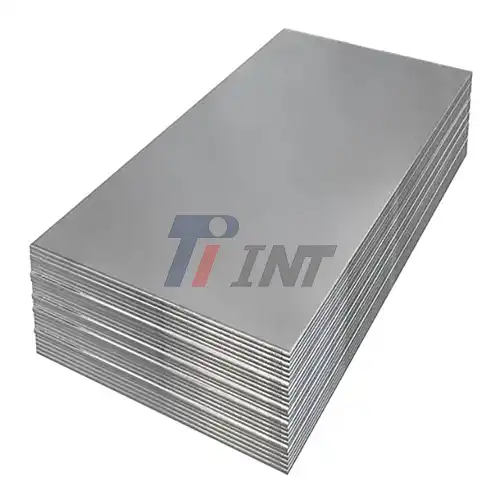
Understanding Grade 7 Titanium Plate
Chemical Composition and Manufacturing Standards
The measured amount of palladium in this Gr 7 Titanium Plate is what makes it unique. It changes the way the material reacts to electricity. Titanium is still the main element in the base makeup, and palladium is carefully balanced between 0.12% and 0.25%. The amount of iron in the material is kept below 0.3%, and the amount of air is tightly managed to keep it flexible. Multiple international standards, such as ASTM B265, ASME SB265, and GB/T 3621, are met by this exact formulation. This makes sure that there is stability in supply lines around the world.
Vacuum arc remelting (VAR) is often used in manufacturing to get rid of impurities that could make the metal less resistant to corrosion. When bars are hot-rolled, they are turned into plates while the palladium is evenly distributed throughout the substructure. Spectroscopic analysis is used in quality control methods to check the chemical makeup and make sure that all the rules are followed before the material is certified.
Mechanical and Physical Properties
When the material is delivered after being annealed, its tensile strength is between 345 and 450 MPa and its yield strength is usually around 275 MPa. The stretch capacity is more than 20%, which makes it very easy to shape during the production process. Because it is flexible, makers can cold-form parts without them breaking, which makes production simpler. The density is about 4.51 g/cm³, which makes it lighter than stainless steel alternatives while still keeping the structure strong. The thermal conductivity is 16 W/m·K, which is good enough for uses where modest heat transfer is needed. At constant service temperatures of 315°C, the material stays the same size, but its corrosion resistance still works at higher temperatures in some chemical environments.
The Palladium Effect on Corrosion Resistance
Adding palladium gives the material a huge advantage in corrosive media. When normal titanium oxides are exposed to reducing acids, palladium particles build up on the surface and speed up the formation of new protected TiO₂ layers. This self-passivation process works well in places with pH levels below 1, where Grade 2 titanium would be attacked more quickly. When tested in chloride-rich brines at temperatures above 250°C, it shows resistance to crevice corrosion ten to fifteen times better than Grade 2 performance. Solutions of sulphuric acid, hydrochloric acid, and hypochlorite can't damage the material. Lower-grade titanium would be destroyed in hours. This durability directly means that industrial users can get more use out of their tools and need less upkeep.
Grade 7 Titanium Plate vs Other Titanium Grades and Materials
Comparison with Grade 2 Commercially Pure Titanium
Grade 2 is the most common type of unalloyed titanium. It is less expensive than other grades and has great corrosion resistance in general. Both grades have similar ranges of tensile strength and fabrication properties, which means they can be used interchangeably in many designs. The important difference shows up in lowering acidic conditions and high-temperature chloride experiences.
In seawater heat exchangers that work above 70°C, Grade 2 rusts in cracks, but the palladium-enhanced version stays passive above 250°C. In chemical processing equipment that works with weak sulphuric acid below pH 2, Grade 2 rusts at a measured rate, but the improved alloy doesn't seem to be affected at all. This difference in performance makes the material premium worth it in situations where failure would have worse effects than the initial cost.
Distinguishing from Grade 5 Ti-6Al-4V
Because it has a tensile strength of more than 900 MPa, Grade 5 titanium metal is widely used in aircraft and construction. This aluminum-vanadium metal has better mechanical properties than Gr 7 Titanium Plate. It is used to support weight in aeroplane bulkheads and landing gear parts. But the strength advantage means that it is less resistant to rust in some chemical conditions.
It is possible for Grade 5 to fail through stress corrosion cracking in salt solutions when it is under tension load, but this doesn't happen with the palladium-bearing grade. When making medical devices like implants that need to be biocompatible and resistant to rust in body fluids, they usually choose Gr 7 or its extra-low interstitial version instead of the stronger one. Which to use relies on whether the design needs to be strong in terms of structure or long-lasting in terms of chemicals.
Advantages Over Stainless Steel
Austenitic stainless steels, such as 316L, have well-known properties and are easier to get, so they are often used as the first choice in industrial systems. But pitting and crevice corrosion caused by chloride make stainless steel less useful in marine and chemical processing settings. The titanium option gets rid of all of these failure modes and has a better strength-to-weight ratio.
A heat exchanger made of Gr 7 titanium weighs about 40% less than one made of stainless steel and is completely resistant to rusting by seawater across the entire temperature range of operation. Even though the original cost of the material is two to three times higher, lifecycle cost analysis always favours titanium in systems where corrosion drives maintenance plans. Energy companies that run remote platforms and chemical plants that process chlorinated substances are using this material more and more because it can last for ten years without needing to be replaced.
Key Industrial Applications of Grade 7 Titanium Plate
Chemical Processing Equipment
Manufacturers of storage tanks, heat exchangers, and reactors use this alloy when working with corrosive media that break down other materials. Gr 7 Titanium Plate is used in chlor-alkali factories to protect parts of the electrolysis cell from hot brine and chlorine gas. The material can be exposed to both oxidising chlorine and reducing conditions at the same time without getting pitted, which is what happens to stainless steel after a few months.
This grade of titanium is used to keep products from getting contaminated with metals in pharmaceutical synthesis operations that work with acidic intermediates. A reactor tank covered with this material keeps its surface integrity through thousands of batch cycles. This stops iron from leaching from steel options, which can change the colour of the product and poison the catalyst. The inert surface makes sure that work settings that have been approved by the FDA follow the rules.
Marine and Offshore Engineering
It doesn't rust in salty environments, so it can be used for seawater piping systems, condenser tubes, and hull fittings on naval ships and offshore platforms. This material is used for evaporator tubes and brine heaters in desalination plants that handle brackish water at high temperatures. Its working availability is higher than 95%, compared to 70–80% for copper-nickel alloys, which need to have their tubes replaced more often.
The material is resistant to sulphide stress cracking in sour gas environments, which is used in deepwater oil fields for subsea production equipment like wellhead components and riser systems. This alloy can be used to make a single part that lasts longer than three generations of stainless steel versions. This cuts down on the cost of interventions that are more than $1 million per underwater operation.
Medical Device Manufacturing and Biomedical Implants
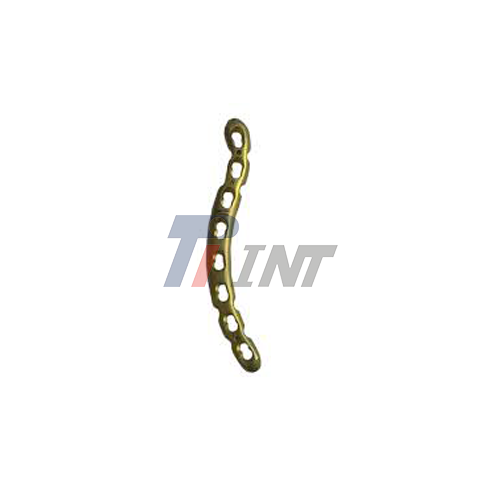
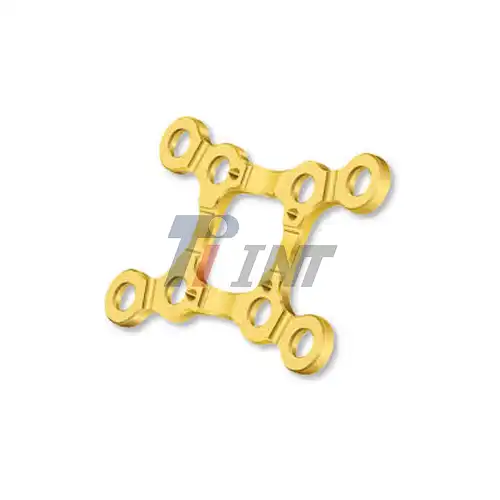
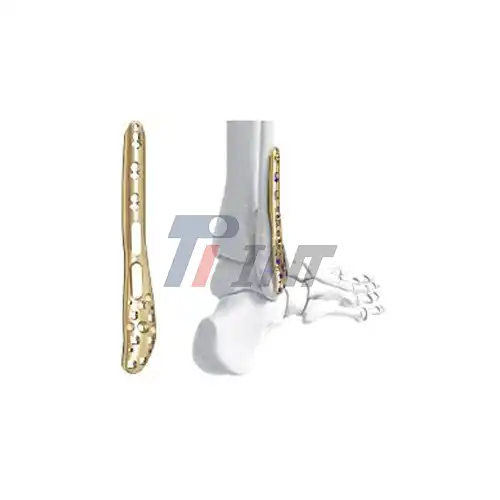
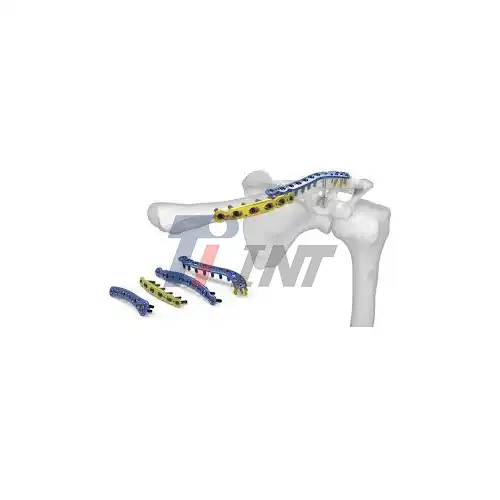
Titanium is biocompatible, and this grade has better corrosion resistance, which makes it useful for surgical instruments and devices that are implanted. This material is often used by companies that make dental implants, craniofacial plates, and orthopaedic fixing hardware for people who are allergic to metal or who need to be implanted for a long time in acidic body environments.
When we make things at Baoji INT Medical Titanium, we see that medical device OEMs always want materials that are certified by ISO 13485 and registered with the FDA. According to ISO 10993 standards, the plates we sell are put through a lot of tests to make sure they are biocompatible. The full mill test reports show the chemical makeup and mechanical properties of the plates. When surgical tool sets are made from this grade, the surface finish stays the same after hundreds of autoclave sterilisation cycles, while lower-grade options start to discolour.
Aerospace Components in Corrosive Environments
For parts of their structures that are exposed to salt spray, marine-based aircraft must use titanium that doesn't rust. This material is used in places where aluminium alloys rust, like on helicopter airframes that serve offshore bases and navy fighters that are based on aircraft carriers. The mix of strength, light weight, and chemical protection makes engine nacelle parts and hydraulic system fittings better. This alloy is used for tanks and pipes that are subjected to nitrogen tetroxide and hydrazine in space launch systems that use hypergolic propellants. The material's resistance to these strong oxidisers stops catastrophic breakdowns that end missions. This makes the higher cost of the material worth it because it makes things more reliable.
How to Procure Grade 7 Titanium Plate: A B2B Buyer's Guide?
Supplier Qualification and Certification Verification
Managers in charge of buying Gr 7 Titanium Plate should make sure that sellers have both ISO 9001:2015 quality management certification and credentials specific to their business. Medical device makers need suppliers who are registered with ISO 13485:2016 and have written tracking systems. Ask for copies of the material mill certificates that show they follow ASTM B265 standards. These certificates should include chemistry analysis results and mechanical test data for each output lot.
Check the quality systems of suppliers to make sure that heat can be tracked from melting to final inspection. Reputable manufacturers keep digital records that connect the identification of the finished plate to the chemistry of the original ingot. This lets the whole genealogy be reconstructed if problems happen in the field. During regulatory checks and failure probes, this paperwork is very important.
Pricing Structures and Order Quantities
The prices of materials change with the price of palladium, which adds a level of instability that isn't present in normal titanium grades. Prices will be 40–60% higher than Grade 2 Commercially Pure Titanium. The exact price will depend on the spot price of palladium at the time of the order. To handle commodity risk, suppliers usually offer prices that are good for 30 to 60 days.
Minimum order amounts depend on the seller. Some specialised makers will take orders as low as 100 kilograms, while big mills may need promises on a ton-scale. Talk about blanket purchase agreements for long-term production needs. These agreements lock in prices for yearly amounts and schedule drops to match demand from manufacturers. Lead times are usually between 8 and 12 weeks for standard sizes and up to 16 weeks for custom sizes that need special rolling campaigns.
Dimensional Specifications and Customization
Plates can be as thin as 0.5 mm or as thick as 60 mm, and they can be as wide as 2000 mm, based on the mill's capabilities. Specifications for buying should include tolerances for thickness (usually ±10% for plates less than 5mm and ±0.5mm for bigger parts), surface finish (pickled, annealed, or polished), and edge condition (mill edge vs. sheared and ground). When it comes to high-volume uses, custom moving services can meet specific size needs. Work with providers early on in the product development process to find the best plate measurements. This will cut down on waste during machining and the cost of materials. Some makers offer extra services like laser cutting, water jet profiling, and CNC turning to make near-net-shape blanks that are ready for the next step in the process.
Why Choose Grade 7 Titanium Plate? Advantages and Business Value?
Lifecycle Cost Advantages
The extra money spent on this Gr 7 Titanium Plate at the beginning pays off because the parts last longer and need less upkeep. This metal is used to make equipment that can last for decades in harsh settings where stainless steel equipment needs to be replaced every three to five years. When you figure out the total cost of ownership, you should include the costs of avoided downtime, replacement labour, and lost output during repair periods.
By using titanium heat exchangers instead of stainless steel tubes, a chemical processing plant can avoid having to repair them every two years, which saves them $200,000 per maintenance cycle and the money they would have spent on production costs. Over the course of 20 years, the total savings are three to five times the cost of the starting tools, even when higher material costs are taken into account.
Technical Performance Reliability
Because corrosion behaves in a known way, there is no doubt in the design safety factors. Engineers can ask for thinner wall sections because they know that the material won't get thinner over the life of the equipment. This lower weight has a ripple effect on the supporting structure, which lowers the cost of the foundation and makes installation easier. The material is stable across changes in temperature, which stops the thermal stress cracking that happens when different metals are joined together in temperature-cycling services. Systems made with this alloy have failure rates lower than 0.1% over their planned lives. This is in contrast to failure rates of 5–10% for systems made with standard materials in the same services.
Supply Chain Partnership Benefits
By building relationships with skilled providers, you can get access to technical knowledge that can help you choose the right materials and design applications. Manufacturers with a lot of experience can give you advice on how to weld, how much you can bend, and what surface treatments will make your material easier to work with. This partnership lowers the risk of development when titanium is used in new ways. At Baoji INT Medical Titanium, our team brings more than 30 years of experience handling titanium to every job. We can help customers choose materials that meet their needs and follow the rules set by authorities. We keep a stock of popular medical-grade specs, which lets us quickly provide samples for prototyping and qualification testing.
Conclusion
Gr 7 Titanium Plate has the best corrosion protection in chemical, marine, and medical settings where the effects of a material failure are bad enough to justify spending more on the material. The palladium-enhanced composition allows auto-passivation in harsh environments that break down normal materials. This makes parts last decades longer while still being mechanically sound. When procurement professionals are looking at different material options, they should do a lifecycle cost analysis that compares the initial costs to the money saved on maintenance and the increased reliability. As long as you work with qualified suppliers who offer full certifications, expert support, and reliable delivery schedules, your project will be successful and supply chain risk in this area of specialised materials will be managed.
FAQ
Q1: What distinguishes Grade 7 from Grade 2 titanium plate?
A: In terms of tensile strength, both materials are about 345 MPa, but Gr 7 Titanium Plate has 0.1 to 0.25% palladium in it. This addition makes it 10-15 times more resistant to crevice corrosion in hot chloride solutions and reducing acids than Grade 2. The palladium makes it possible for the surface to be re-passivated in pH levels below 1, which is where normal titanium oxides dissolve. Grade 2 is good for general industrial uses, and Gr 7 is for heavy chemical use.
Q2: Can Grade 7 titanium plate be welded effectively?
A: Yes, the material can be welded very well with inert gas shielding and matching ERTi-7 filler wire that contains palladium. When the right welding techniques are used to keep interstitial contamination to a minimum, the heat-affected zone keeps its corrosion resistance at the same level as the base metal. Validation testing according to ASME Section IX or AWS D1.9 shows that the joint is solid. Autogenous welding without filler material works for thin parts, but adding filler makes heavy plate joints more flexible.
Q3: Does heat treatment improve Grade 7 properties?
A: Annealing at temperatures between 650°C and 750°C removes stresses left over from cold working without changing the tensile properties much. This material is not like Grade 5 Titanium Alloy in that it does not get stronger with age hardening or solution heat treatment. Because the palladium stays in solid solution instead of making precipitates, the mechanical properties don't change much when the metal is heated. Relieving stress makes precision made parts more stable in terms of their dimensions.
Partner with Baoji INT Medical Titanium for Certified Gr 7 Titanium Plate Supply
Since 2003, Baoji INT Medical Titanium Co., Ltd. has sold medical-grade titanium products to companies around the world that make devices and surgery instruments. Our production systems are ISO 13485:2016 certified, which means they can be fully tracked and follow all FDA rules for implantable materials. We keep Gr 7 Titanium Plate in stock in normal sizes ranging from 1 mm to 20 mm. If you need a different size, we can also roll it to your specifications.
As a trusted provider of Gr 7 Titanium Plates, we offer full mill test results that include chemical composition according to ASTM E1409 and mechanical properties confirmed by approved lab testing. During the whole process of developing your product, our expert team helps you choose the right materials, come up with new welding techniques, and get advice on how to make things. You can talk about your needs, ask for samples of materials, or set up a facility audit by emailing export@tiint.com. Our dedication to on-time delivery and consistent quality has helped us build relationships with top medical device makers that have lasted for more than ten years. These include Ti6Al4V ELI rods, precision forgings, and certified plate stock that can help with FDA and CE mark applications.
References
1. Boyer, R., Welsch, G., and Collings, E.W. (1994). Materials Properties Handbook: Titanium Alloys. ASM International.
2. Schutz, R.W. and Thomas, D.E. (1987). "Corrosion of Titanium and Titanium Alloys." ASM Handbook, Volume 13: Corrosion. ASM International.
3. American Society for Testing and Materials (2020). ASTM B265-20: Standard Specification for Titanium and Titanium Alloy Strip, Sheet, and Plate. ASTM International.
4. Lutjering, G. and Williams, J.C. (2007). Titanium: Engineering Materials and Processes. Springer-Verlag Berlin Heidelberg.
5. Donachie, M.J. (2000). Titanium: A Technical Guide, 2nd Edition. ASM International.
6. International Organization for Standardization (2016). ISO 5832-2: Implants for Surgery - Metallic Materials - Part 2: Unalloyed Titanium. ISO Standards.