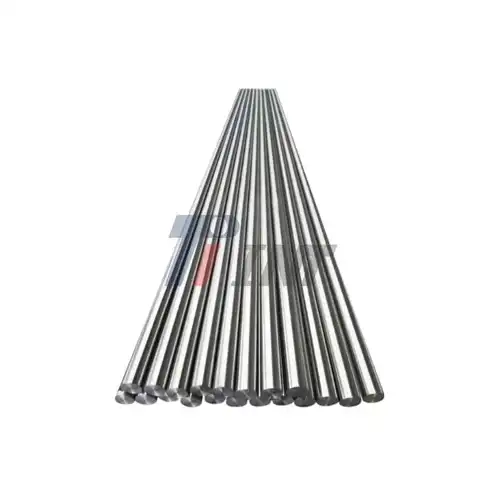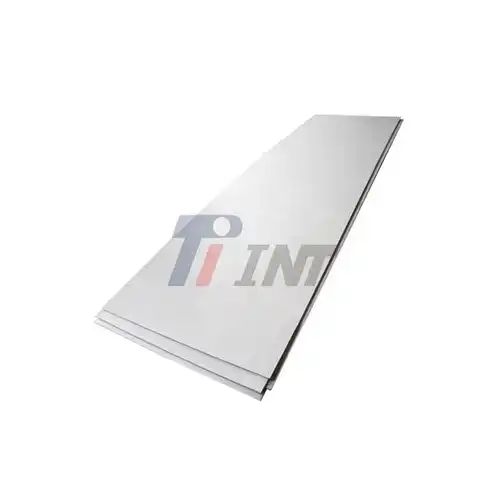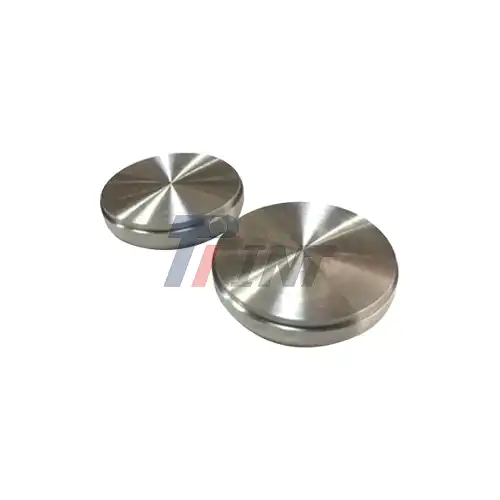

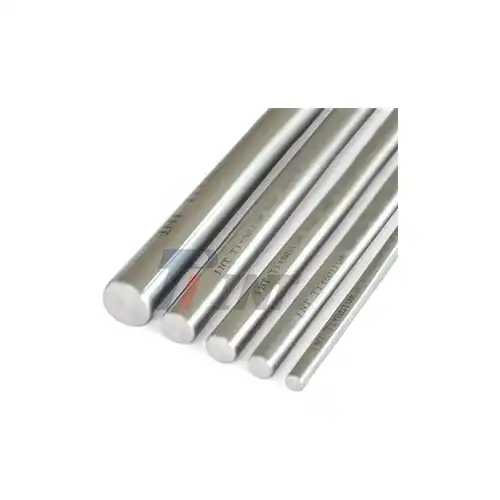
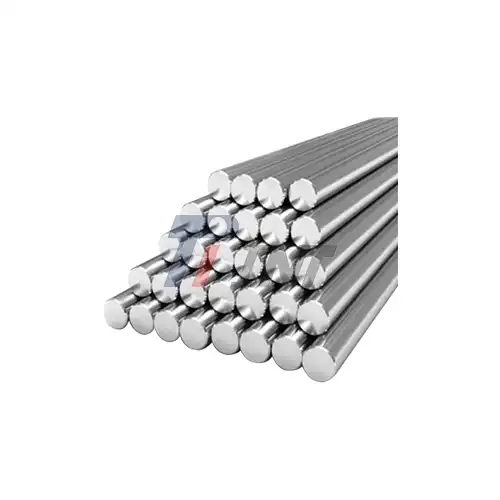
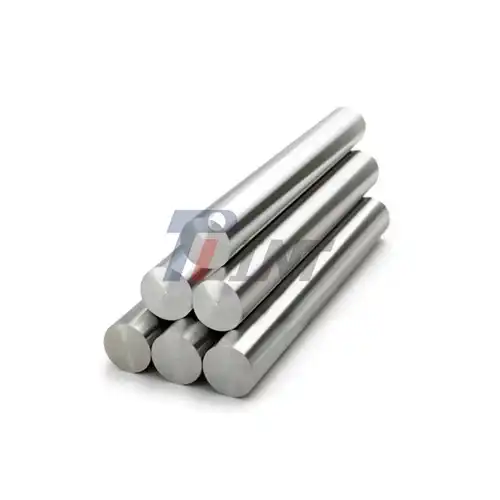
Medical Titanium Bar Import Tips for Brazil Buyers


 2026-02-27 12:33:07
When importing medical titanium bars into Brazil, procurement professionals face unique challenges that demand careful navigation of regulatory requirements, supplier selection, and quality assurance protocols. Medical titanium bar materials serve as critical components in orthopedic implants, dental instruments, and surgical tools, making proper sourcing essential for Brazilian healthcare manufacturers. This comprehensive guide addresses the key considerations, regulatory compliance requirements, and strategic procurement approaches that Brazilian buyers need to understand when importing these specialized materials. Understanding these fundamentals helps ensure successful partnerships with reliable suppliers while maintaining the highest standards for patient safety and product performance.
|
|
|


Understanding Medical Titanium Bars and Their Relevance in Brazil
When it comes to healthcare applications, where biocompatibility or mechanical performance are of the utmost importance, medical titanium bars are highly developed metallurgical products that have been particularly manufactured for such uses. These materials are made from pure titanium with alloys of it, that consist of Ti6Al4V or Ti6Al4V ELI, both of which have been subjected to thorough testing and have been given the go-ahead for use in human implantation. Due to the one-of-a-kind characteristics of these materials, Brazilian medical device makers, who are required to maintain a constant level of quality and comply with regulatory requirements, cannot function without them.
Properties That Set Medical Titanium Apart
In comparison to more conventional materials such as stainless steel as cobalt chrome alloys, titanium of medical grade has a number of remarkable properties that provide specific benefits. A strength-to-weight value of 76 kN·m/kg is achieved by titanium, which has a density of 4.51g/cm³. This ratio is roughly 20% greater than the strength-to-weight ratio of stainless steel, which is 63 kN·m/kg. Because of this greater ratio, manufacturers are able to produce lighter implants that lessen the load placed on patients while still retaining the structural integrity of the implant.
Titanium bars used in medicine have an exceptional resistance to fatigue, which ensures their endurance even when subjected to the repeated stress periods that are present in the dynamic environs of the body. Due to the fact that it reduces the likelihood of the implant material failing over a lengthy period of time, this quality becomes essential for the success of the implant over the long term. The low elasticity modulus of titanium, which is about half that of steel made with stainless steel, matches more closely with the characteristics of human bone. This reduces the stress sheltering effects that might impede bone integration near implants.
Grade Classifications for Medical Applications
Titanium purchasers in Brazil need to be aware of the precise grades of titanium that are appropriate for use in medical applications. ASTM F67 is responsible for unalloyed titanium levels 1 through 1, while ASTM F136 is responsible for determining the standards for the Ti6Al4V ELI (Extra Lower Interstitial) alloy. Since Ti6Al4V ELI possesses improved ductility and resists fatigue in comparison to normal Ti6Al4V, it is especially well-suited for applications that need load-bearing capacity that is of essential importance. These criteria both guarantee biocompatibility and provide the mechanical qualities that are necessary for applications in the medical field that are particularly demanding.
Import Considerations Specific to Brazil's Market and Regulations
For the purpose of importing medical goods into Brazil, it is necessary to have a comprehensive awareness of the ANVISA rules and customs processes that deal with medical device components. For the purpose of ensuring the safety of patients and the effectiveness of products, the Brazilian health officials maintain stringent control of imported medicinal goods. Team members responsible for procurement need to manage these rules with caution in order to prevent delays and compliance difficulties.
ANVISA Compliance Requirements
ANVISA, which stands for the Agency National for Sanitary Vigilance, is the major regulatory body in Brazil for medical devices including materials. Imports of titanium bars for medical use are required to meet with certain paperwork requirements. These criteria include certificates of analysis, reports on biocompatibility tests, and certifications for manufacturing quality systems. It is common for certain materials to be required to be registered as components of medical devices, depending on the categorization and usage from which they are intended.
When it comes to medical device management systems for quality, suppliers are required to produce extensive paperwork. This documentation must demonstrate that they comply with international requirements such as ISO 13485:2016. The production procedures have been shown to be compliant with high criteria for both consistency and safety, as shown by this certification. In order to ensure that their suppliers are able to submit all of the essential documents for customs clearance, Brazilian importers need make sure that their suppliers preserve current certifications.
Documentation and Certification Essentials
Successful imports require meticulous preparation of documentation packages that satisfy both customs and regulatory requirements. Essential documents include commercial invoices with detailed product descriptions, certificates of origin, test certificates confirming material specifications, and quality management system certifications. Each shipment must include batch-specific documentation that enables traceability throughout the supply chain.
Import permits may be required depending on the specific application and intended use of the medical titanium bar. Brazilian buyers should work closely with customs brokers who understand medical device import procedures and can facilitate smooth clearance processes. For example, for integrated systems that include medical titanium rods, the relevant documentation must be carefully prepared. Proper documentation preparation prevents costly delays and ensures compliance with all applicable regulations.
How to Source and Select the Right Medical Titanium Bar Supplier?
Choosing a suitable supplier is one of the most important choices that must be made throughout the procurement process. This is because the choice has a direct influence on the quality of the product, the dependability of the delivery, and the long-term success of the company. In order to assess prospective suppliers, Brazilian buyers are required to use extensive criteria that take into account technical skills, complying with regulations, and operational dependability.
Supplier Evaluation Criteria
The verification of production capabilities and quality systems of management is the first step in conducting an effective supplier evaluation strategy. It is important for suppliers to show that they have substantial expertise in the manufacturing of medical titanium and that they have established track records of supplying clients who are comparable in regulated markets. Certifications such as ISO 9001:2015 и ISO 13485:2016 provide essential verification of quality management skills, whilst CE marking verifies that a medical device satisfies the criteria of European medical devices.
Audits of manufacturing facilities, whether they are carried out in person or via the services of a third party, provide very helpful insights into the real manufacturing processes and quality control procedures. During these assessments, the capabilities of the equipment, the controls of the process, the testing processes, and the qualifications of the workforce should be evaluated. Generally speaking, suppliers that possess current equipment and workers who have received enough training are able to give more consistent outcomes and higher long-term dependability.
Technical Capabilities Assessment
Buyers in Brazil should examine the technical skills of suppliers across a variety of aspects, including their understanding of material science, their processing capabilities, and their ability to manufacture the product to their specifications. It is important for suppliers to show that they have a comprehensive grasp of the uses of titanium in medicine and the capacity to provide technical assistance during the procurement process. This includes support with the selection of materials, the preparation of specifications, and the optimization of components that are particular to the application.
When clients demand unique dimensions or customized processing, the flexibility of the manufacturing process becomes a crucial consideration. The more flexibility that suppliers that provide diameter ranging from 6mm through 150mm and lenght from 1,000 millimeters to 3000mm give for a wider variety of application needs is a significant benefit. Surface finishing choices, such as polished , sandblasted surfaces, make it possible to optimize material performance for particular applications.
Supply Chain Reliability Factors
Consistent availability of materials and delivery timetables that are predictable are both ensured by supply systems that are reliable. It is important for Brazilian buyers to evaluate the availability of manufacturing capacity, logistical arrangements, and inventory management skills of their suppliers. It is possible for suppliers to react quicker to urgent requests and disturbances in the supply chain if they have developed distribution networks & strategic inventory placement with their inventory.
Long-term partnership potential should influence supplier selection decisions. Suppliers committed to continuous improvement and technology advancement provide better value over extended relationships. References from existing customers in similar industries offer valuable insights into actual performance and service quality.
Cost Optimization and Procurement Strategy for Brazilian Buyers
Effective cost management requires balancing initial purchase prices with total cost of ownership considerations, including quality, reliability, and service support. Brazilian buyers must develop sophisticated procurement strategies that optimize both immediate costs and long-term value creation.
Comparative Material Analysis
When making choices on procurement, it is helpful to have a thorough understanding of the relative pricing and performance attributes of various materials. Pure titanium is often more expensive than alloys made of Ti6Al4V, but it provides higher corrosion resistance for specific applications according to its composition. This investment often returns benefits in the form of greater implant performance and lifetime, despite the fact that Ti6Al4V ELI fetches a premium price because to its higher mechanical qualities and stringent quality criteria.
Comparing medical titanium bar options with alternative materials like stainless steel and cobalt chrome reveals important trade-offs. While titanium materials cost more initially, their superior biocompatibility and mechanical properties often justify the investment for critical applications. The reduced elastic modulus and improved fatigue resistance of a medical titanium bar can lead to better patient outcomes and fewer revision procedures.
Bulk Purchasing Strategies
When buying in bulk, it is possible to ensure acceptable inventory levels while also lowering per-unit expenses dramatically. The majority of the time, suppliers will provide quantity savings for orders that fulfill certain criteria. This makes bulk buying appealing for firms that have demand patterns that are predictable. It is important for Brazilian purchasers to establish price arrangements that encourage greater commitments while also keeping flexibility to accommodate variances in requirements.
Additional chances for cost optimization are made available by annual supply agreements, which guarantee quantities and give pricing that is predictable. Both sides stand to profit from these agreements, as they enable suppliers to gain insight into demand while simultaneously providing purchasers with preferred pricing and preference allocation in the event of supply bottlenecks. When contracts are structured with care, it is possible to incorporate adjustment of prices mechanisms that take into account changes in the cost of raw materials while still maintaining competitive pricing.
Lead Time and Delivery Optimization
The time of deliveries has a direct influence on the expenses of holding inventory as well as the flexibility of production scheduling. Having suppliers with shorter turnaround times enables supply chain management to be more responsive, which in turn reduces the amount of inventory that is required. It is important for Brazilian buyers to analyze the typical lead times, accelerated delivery options, and past on-time delivery record of their suppliers.
It is possible to improve entire supply chain costs via the use of strategic inventory placement. Some suppliers provide consignment programs or area stocking agreements, which cut down on the amount of time and money spent on shipping while retaining the flexibility of inventory selection. These arrangements are especially useful for applications that are high-volume and predictable, and where trends in demand are well-established.
Best Practices to Ensure Smooth Import and Delivery Process
Successful importing requires systematic planning and execution across multiple phases, from initial order placement through final product acceptance. Brazilian buyers can minimize risks and optimize outcomes by following established best practices for international procurement.
Pre-Import Planning Essentials
Thorough planning begins with clear specification development and supplier communication. Product specifications should detail all requirements including dimensions, tolerances, surface finishes, and packaging requirements. Clear specifications prevent misunderstandings and ensure suppliers deliver products meeting exact requirements.
Shipping arrangements require careful coordination between suppliers, freight forwarders, and customs brokers. Brazilian buyers should establish relationships with experienced logistics partners who understand medical device import requirements and can navigate potential complications. Proper insurance coverage protects against transportation risks and potential delays.
Customs Clearance Optimization
Efficient customs clearance for medical devices, like medical titanium bars, depends on proper documentation preparation and clear communication with customs authorities. All required documents, including detailed product specifications and certificates, should be prepared accurately and submitted in advance to minimize processing delays. Working with experienced customs brokers familiar with such specialized imports can significantly streamline the clearance process.
When it comes to tariff categorization, significant attention is required in order to guarantee appropriate duty rates and administrative treatment. In accordance with certain international treaties or classifications of medical devices, titanium bars used in medical applications could be eligible for exclusive treatment. As a consequence of proper categorization, duty savings may be achieved while simultaneously guaranteeing compliance with all relevant rules.
Quality Assurance Upon Arrival
Incoming inspection procedures verify that received materials meet specified requirements and arrive in acceptable condition. Inspection protocols should include dimensional verification, surface quality assessment, and documentation review. Any discrepancies should be documented immediately and communicated to suppliers for resolution.
Proper storage conditions maintain material integrity until use in manufacturing processes. Titanium bars should be stored in clean, dry environments with appropriate protection from contamination. Proper handling procedures prevent damage and maintain traceability throughout the manufacturing process.
Conclusion
Successful medical titanium bar procurement for Brazilian buyers requires comprehensive understanding of material properties, regulatory requirements, supplier capabilities, and import procedures. The superior biocompatibility, mechanical properties, and fatigue resistance of medical-grade titanium make these materials essential for healthcare applications, justifying careful attention to sourcing and quality assurance processes. Brazilian buyers who invest time in proper supplier evaluation, regulatory compliance, and process optimization will achieve better outcomes through reliable supply chains and consistent product quality that ultimately benefits patient care and business success.
FAQ
What are the most common medical titanium bar grades for Brazilian imports?
The most widely used grades for medical applications include pure titanium (ASTM F67 Grades 1-4), Ti6Al4V (Grade 5), and Ti6Al4V ELI (Grade 23). Ti6Al4V ELI offers the best combination of strength, ductility, and biocompatibility for critical implant applications, making it particularly popular among Brazilian medical device manufacturers.
How do ANVISA regulations affect medical titanium bar imports?
ANVISA requires comprehensive documentation for medical material imports, including certificates of analysis, biocompatibility test reports, and quality system certifications. Depending on intended use, materials may require specific registrations or permits. Working with experienced customs brokers familiar with medical device regulations helps ensure smooth compliance.
What factors should Brazilian buyers consider when comparing titanium suppliers?
Key evaluation criteria include quality certifications (ISO 13485:2016, CE marking), manufacturing capabilities, technical support, delivery reliability, and pricing competitiveness. Suppliers should demonstrate extensive medical titanium experience and ability to provide complete documentation for regulatory compliance.
How can Brazilian buyers optimize costs when purchasing medical titanium bars?
Cost optimization strategies include bulk purchasing for volume discounts, annual supply agreements for predictable pricing, and careful material selection balancing performance requirements with cost considerations. Comparing total cost of ownership rather than just initial prices provides better long-term value assessment.
What documentation is required for importing medical titanium bars into Brazil?
Essential documents include commercial invoices with detailed product descriptions, certificates of origin, material test certificates, quality management system certifications, and batch-specific documentation ensuring traceability. Import permits may be required depending on specific applications and intended use.
Partner with Baoji INT Medical Titanium Co., Ltd. for Reliable Medical Titanium Bar Supply
Brazilian medical device manufacturers seeking a trusted medical titanium bar supplier benefit from partnering with Baoji INT Medical Titanium Co., Ltd., where over 20 years of specialized experience meets cutting-edge manufacturing capabilities. Our proven track record serving international healthcare markets, combined with comprehensive certifications and technical expertise, positions us as the ideal partner for Brazilian companies requiring consistent, high-quality titanium materials. Contact our experienced export team at export@tiint.com to discuss your specific requirements and discover how our advanced manufacturing capabilities can support your medical device production goals with reliable delivery schedules and competitive pricing structures.
References
1. Brazilian Health Regulatory Agency (ANVISA). Medical Device Import Requirements and Compliance Guidelines for Titanium Materials. Ministry of Health Publications, 2023.
2. American Society for Testing and Materials. ASTM F136-13 Standard Specification for Wrought Titanium-6Aluminum-4Vanadium ELI Alloy for Surgical Implant Applications. ASTM International, 2023.
3. International Organization for Standardization. ISO 13485:2016 Medical Devices Quality Management Systems Requirements for Regulatory Purposes. ISO Publications, 2023.
4. Brazilian Customs Administration. Import Procedures Manual for Medical Device Components and Raw Materials. Federal Revenue Service, 2023.
5. Latin American Medical Device Market Analysis. Titanium Biomaterials Import Trends and Regulatory Framework Assessment for Brazil. Healthcare Industry Research Institute, 2023.
6. Biomedical Materials Engineering Society. Titanium Alloy Applications in Latin American Medical Device Manufacturing: Current Practices and Future Opportunities. Journal of Medical Materials Research, 2023.
_1752462199458.webp)
_1751620280646.webp)
_1750923514395.webp)
_1749191401740.webp)