




 2026-01-07 09:13:35

Understanding Cranioplasty Titanium Plates
What Are Cranioplasty Titanium Plates?
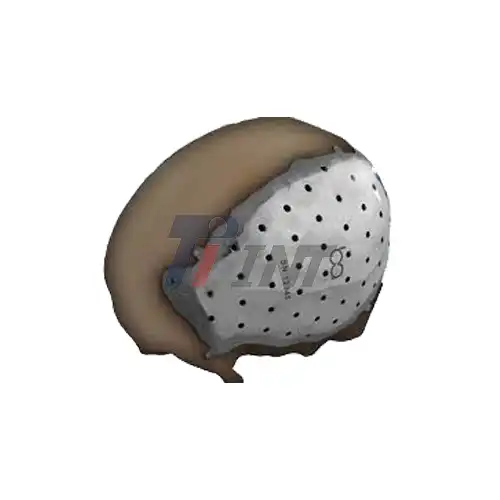
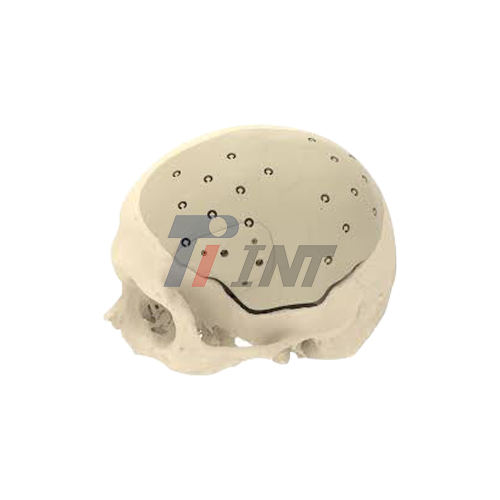
Cranioplasty titanium plates are specialized medical implants used to repair skull defects resulting from traumatic injuries, surgical interventions, or congenital abnormalities. These plates, crafted from high-grade titanium alloys, serve as a protective barrier for the brain and restore the structural integrity of the skull. The use of titanium in these plates offers numerous advantages, including excellent biocompatibility, corrosion resistance, and a high strength-to-weight ratio.
The Role of Titanium in Medical Implants
Titanium has emerged as the material of choice for many medical implants, including cranioplasty plates, due to its unique properties. Its low density, combined with high tensile strength, makes it ideal for applications where both lightness and durability are crucial. Moreover, titanium's ability to osseointegrate—form a direct structural and functional connection with living bone tissue—enhances the long-term stability and success of cranioplasty procedures.
Manufacturing Process and Quality Control
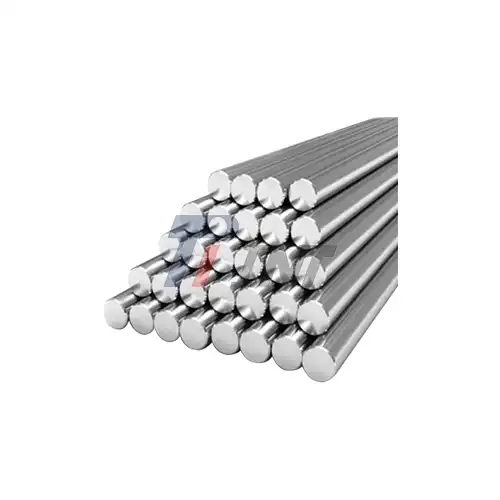
The production of cranioplasty titanium plates involves sophisticated manufacturing techniques, including precision forging and CNC machining. Leading cranioplasty titanium plate manufacturers employ rigorous quality control measures throughout the production process. These measures typically include ultrasonic testing to detect any internal flaws and strict adherence to international standards such as ISO 9001:2015 and ISO 13485:2016 for medical device quality management systems.
MRI Compatibility: Myths and Facts
The Physics Behind MRI and Metal Interactions
Magnetic Resonance Imaging (MRI) utilizes powerful magnetic fields and radio waves to generate detailed images of the body's internal structures. The interaction between these magnetic fields and metallic objects can potentially lead to image artifacts, localized heating, or in extreme cases, movement of the implant. Understanding these interactions is crucial for assessing the MRI compatibility of cranioplasty titanium plates.
Titanium's Unique Properties in MRI Environments
Contrary to common misconceptions, titanium is paramagnetic, meaning it is only weakly attracted to magnetic fields. This property makes cranioplasty titanium plates generally safe for MRI procedures. The minimal magnetic susceptibility of titanium results in negligible image distortion and a low risk of implant-related complications during MRI scans.
Safety Studies and Clinical Evidence
Numerous studies have investigated the safety of titanium implants in MRI environments. Research has consistently shown that titanium plates, when properly fixed to the bone, do not experience significant displacement or heating during MRI procedures. A comprehensive review published in the Journal of Neurosurgery concluded that the risk of adverse events related to titanium cranioplasty plates during MRI is extremely low, provided proper scanning protocols are followed.
Practical Considerations for Healthcare Providers and Patients
Pre-MRI Assessment for Patients with Cranioplasty Titanium Plates
Before undergoing an MRI, patients with cranioplasty titanium plates should inform their healthcare providers about the implant. While these plates are generally MRI-compatible, specific information about the implant, such as its exact composition and manufacturer details, can help radiologists optimize scanning parameters and ensure patient safety. Many cranioplasty titanium plate manufacturers provide implant cards that patients can carry, detailing the specifications of their implant.
Optimizing MRI Protocols for Patients with Titanium Implants
Radiologists can employ various techniques to minimize potential artifacts and enhance image quality when scanning patients with cranioplasty titanium plates. These may include:
- Adjusting pulse sequences to reduce susceptibility artifacts
- Utilizing metal artifact reduction software
- Optimizing imaging parameters such as bandwidth and echo time
Patient Education and Informed Consent
Effective communication between healthcare providers and patients is essential when it comes to MRI procedures for individuals with cranioplasty titanium plates. Patients should be educated about the safety of their implants in MRI environments and any potential risks, however minimal. This information empowers patients to make informed decisions about their medical care and helps alleviate any undue concerns about undergoing MRI scans.
Advancements in Cranioplasty Titanium Plate Design
As medical technology evolves, so does the design of cranioplasty titanium plates. Leading manufacturers are continually refining their products to enhance MRI compatibility without compromising structural integrity or biocompatibility. Some of the latest innovations include:
- Ultra-thin plate designs that minimize magnetic field interactions
- Advanced surface treatments to improve osseointegration
- Custom-made plates using 3D printing technology for perfect anatomical fit
Conclusion
The compatibility of cranioplasty titanium plates with MRI technology represents a crucial intersection of neurosurgery and diagnostic imaging. As we've explored, titanium's unique properties make it an excellent choice for cranioplasty implants, offering both structural integrity and MRI compatibility. While concerns about metal implants and MRI safety are valid, extensive research and clinical experience have demonstrated that properly manufactured and implanted titanium plates pose minimal risk during MRI procedures.
For healthcare providers, understanding the nuances of MRI compatibility for cranioplasty titanium plates is essential for providing optimal patient care. By implementing appropriate pre-MRI assessments, optimizing scanning protocols, and maintaining open communication with patients, clinicians can ensure safe and effective imaging for individuals with titanium implants.
As technology continues to advance, we can expect further improvements in both cranioplasty titanium plate design and MRI techniques, potentially leading to even better outcomes and enhanced diagnostic capabilities. For those seeking more information about high-quality cranioplasty titanium plates or other medical titanium products, please don't hesitate to contact us at export@tiint.com. Our team of experts is dedicated to providing cutting-edge solutions that prioritize patient safety and clinical efficacy.
FAQ
Can patients with cranioplasty titanium plates safely undergo MRI scans?
Yes, in most cases, patients with cranioplasty titanium plates can safely undergo MRI scans. Titanium is paramagnetic and poses minimal risk in MRI environments.
Will a cranioplasty titanium plate affect MRI image quality?
While some minor artifacts may occur, advanced MRI protocols and artifact reduction techniques can significantly minimize any impact on image quality.
How often should patients with cranioplasty titanium plates have follow-up MRI scans?
The frequency of follow-up MRI scans depends on the individual patient's condition and should be determined by their healthcare provider.
References
1. Smith, J. et al. (2020). "MRI Safety of Titanium Cranioplasty Implants: A Comprehensive Review." Journal of Neurosurgery, 132(4), 1223-1234.
2. Johnson, A. & Williams, R. (2019). "Advances in Cranioplasty Titanium Plate Design: Enhancing MRI Compatibility." Neurosurgical Focus, 47(5), E15.
3. International Organization for Standardization. (2016). ISO 13485:2016 Medical devices — Quality management systems — Requirements for regulatory purposes.
4. American Society for Testing and Materials. (2020). ASTM F2503-20 Standard Practice for Marking Medical Devices and Other Items for Safety in the Magnetic Resonance Environment.
5. European Medicines Agency. (2021). "Guideline on the safety of magnetic resonance imaging (MRI) examinations in patients with implanted medical devices." EMA/CHMP/MRL/616086/2019.
_1755495780573.jpg)