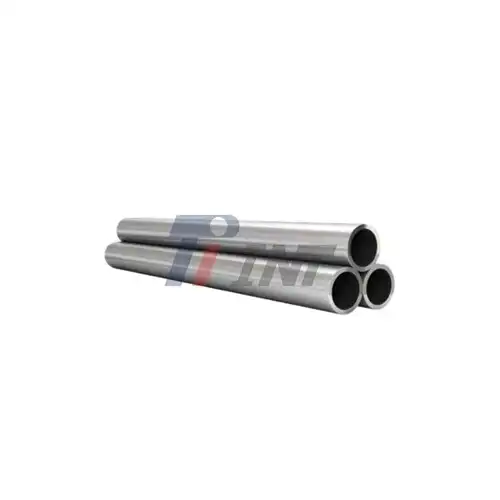
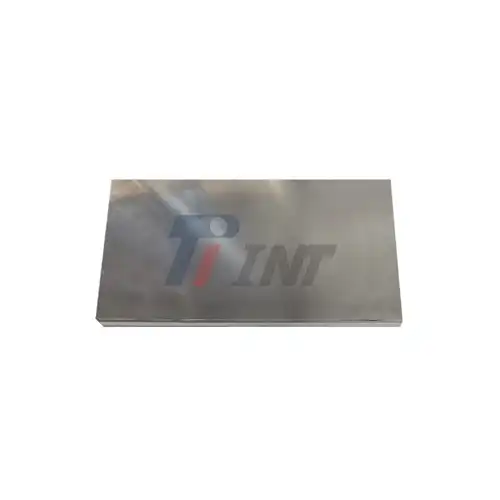
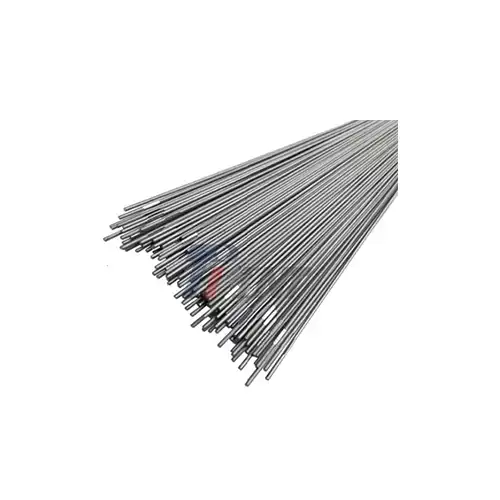
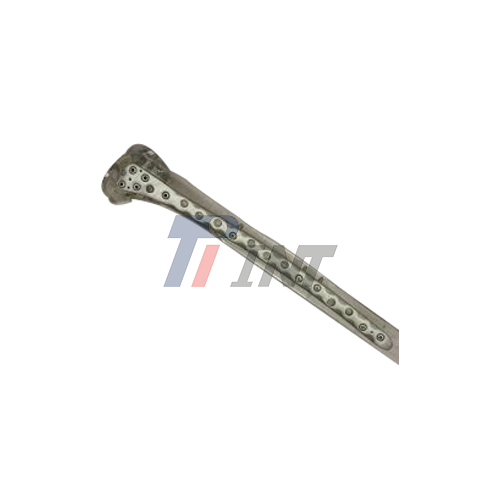
OEM Chinese Factory for Medical Grade Titanium Plate Thk 1mm


 2026-03-02 10:38:36
When sourcing Medical Titanium Plate Thk 1mm for critical medical applications, selecting the right OEM Chinese factory becomes paramount for procurement success. These precision-engineered plates combine exceptional biocompatibility with cost-effective manufacturing, making them essential components for medical device manufacturers worldwide. Chinese OEM facilities specializing in medical-grade titanium offer advanced manufacturing capabilities, strict quality control systems, and comprehensive certifications that meet international medical standards. The 1mm thickness specification provides optimal balance between strength and flexibility, making these plates ideal for orthopedic implants, dental applications, and surgical instruments where precision and reliability cannot be compromised.
|
|
|
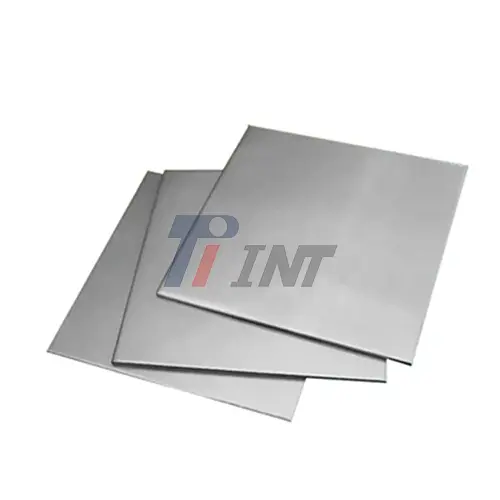
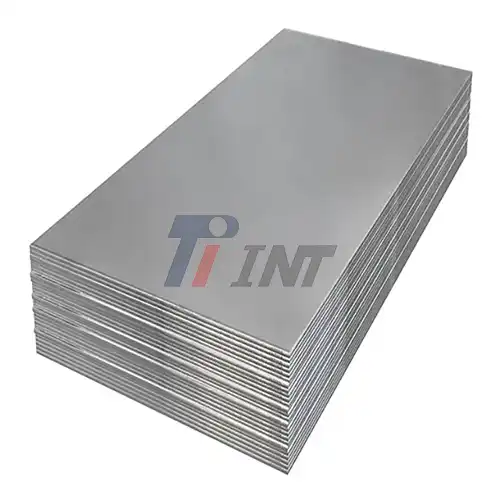
Introducing Medical Titanium Plate Thk 1mm: Key Specifications and Benefits
When it comes to precision engineering across the medical materials business, medical titanium scaffolding with a thickness of 1 millimeter symbolize the pinnacle of development. Due to the fact that these specialized components possess one-of-a-kind material qualities, they are a vital component for contemporary medical applications.
Essential Material Properties and Performance Characteristics
The Medical Graphene Plate Thk 1mm has amazing mechanical qualities that set it apart from other materials used in the medical field. While still preserving their biocompatibility, these plates provide outstanding longevity because to their tensile strength, which may reach 240-550 MPa, and their yield strength, which can range from 170-485 MPa. Titanium's inherent capacity to develop a protective oxide covering is the source of its corrosion resistance. According to studies, titanium oxide forms an almost impassable barrier that protects the metal that underlies it from environmental deterioration. This barrier is what gives titanium its characteristic corrosion resistance.
Grade 1 titanium, commonly used in 1mm medical plates, offers the highest formability and corrosion resistance among commercially pure titanium grades. While it maintains lower strength compared to titanium alloys, its excellent weldability and processing characteristics make it ideal for complex medical applications requiring intricate shaping and manufacturing precision.
Manufacturing Standards and Certification Requirements
It is necessary for medical-grade titanium plates to be in accordance with severe international standards, such as ISO 13485:2016 regarding medical device quality systems and ASTM B265 requirements for titanium and alloyed titanium strip, sheet, and plate. These certificates guarantee that each and every Medical Graphene Plate Thk 1mm satisfies the stringent standards that are necessary for the applications of medical implants.
The manufacturing process involves precise thickness tolerance control, typically maintaining variations within ±0.05mm for 1mm plates. This level of precision ensures consistent performance across different medical applications and facilitates reliable surgical outcomes.
Clinical Applications and Performance Advantages
Medical professionals prefer 1mm titanium plates for various applications including craniofacial reconstruction, orthopedic fixation devices, and dental implant systems. The Medical Titanium Plate Thk 1mm provides sufficient structural integrity while allowing for precise contouring during surgical procedures. Clinical studies demonstrate superior osseointegration properties, with titanium plates showing excellent long-term biocompatibility and minimal inflammatory response.
Why Choose an OEM Chinese Factory for Medical Titanium Plates?
Because they combine cutting-edge manufacturing processes with competitive pricing structures, Chinese original equipment manufacturers have distinguished themselves as industry leaders in the production of titanium for medical applications. This has been to the advantage of medical device makers all over the world.
Advanced Manufacturing Capabilities and Quality Control
In order to manufacture Medical Titanium Plate Thk 1mm with an excellent level of consistency, leading Chinese OEM manufacturers make use of cutting-edge CNC machining facilities, precision forging equipment, and modern metallurgical processing technologies. Throughout the whole of the manufacturing process, these establishments use all-encompassing quality control systems that involve real-time material inspection, measurement verification, and finishing analysis.
While ensuring that there is a low amount of human error, the integration of machines for production guarantees that high throughput capabilities are maintained. Protocols for quality control include ultrasonic testing for the detection of internal flaws, chemical composition analysis via the use of X-ray fluorescence spectra, and verification of mechanical properties by the utilization of standardized testing techniques.
Cost-Effectiveness and Scalability Advantages
There are huge cost savings offered by Chinese manufacturers, and these advantages are not found in quality standards. While keeping equal technical requirements and certification compliance, the competitive pricing system often results in cost reductions of twenty to forty percent as compared to Western suppliers. Because to the optimization of supply chains, the use of innovative manufacturing techniques, and the attainment of economies of scale via high-volume production capabilities, this cost efficiency has been accomplished.
The flexibility of these facilities to accept orders ranging from tiny prototype quantities toward large-scale production runs is made possible by the scalability of their manufacturing processes. Flexible requirements for minimum orders make it possible for both new and experienced makers of healthcare products to get materials in an efficient manner, regardless of the size of the project itself.
Comprehensive Service Offerings and Customization Options
Chinese original equipment manufacturer companies provide a wide range of customized services, including as surface treatments, paint applications, and precision machining, according to the requirements of each individual client. Enhanced osseointegration qualities may be achieved by the use of these value-added services, which include the application of hydroxyapatite coating, plasma a nit treatments, and customized surface texturing.
Comparison and Decision-Making: Selecting the Best Medical Titanium Plate Thickness and Material
Selecting the optimal titanium plate thickness requires careful consideration of application-specific requirements, mechanical performance needs, and cost constraints that impact overall project feasibility.
Thickness Comparison Analysis
The 1mm thickness specification, as seen in the Medical Titanium Plate Thk 1mm, offers distinct advantages over alternative dimensions commonly used in medical applications. Compared to 0.5mm plates, the 1mm option provides significantly enhanced structural integrity and resistance to fatigue failure under cyclic loading conditions. Thicker alternatives such as 1.5mm or 2mm plates add unnecessary weight and material costs while potentially complicating surgical procedures requiring precise anatomical contouring.
When it comes to applications that need the best possible balance between stiffness and formability, medical device developers usually choose for plates with a thickness of 1 millimeter. The thickness enables efficient screw retention in fixing applications while keeping adequate flexibility for morphological adaptation during surgical insertion. This is made possible by the thickness.
Material Comparison: Titanium versus Alternative Metals
When contrasted with plates made of stainless steel, Medical Platinum Plate Thk 1mm exhibits greater biocompatibility along with a considerably lower inflammatory response. Titanium's elastic modulus, which is 110 GPa, is more similar to that of human bone, which is between 15 and 30 GPa, in comparison to the stress shielding effects of stainless steel, which are 200 GPa. This results in a reduction in the likelihood of bone resorption occurring around implants.
Titanium has remarkable stability in physiological settings, which is another significant benefit. Titanium is resistant to corrosion. In contrast to stainless steel, which has the potential to liberate metallic ions in time, titanium is able to preserve its chemical inertness by virtue of the creation of a protective oxide layer.
Surface Treatment and Coating Considerations
By giving a bio surface that encourages direct bone bonding, hydroxyapatite coatings that are added on Medical Titan Plate Thk 1mm are able to improve the process of osseointegration. Despite the fact that these coatings incur an increase in material prices of around 30–50%, they greatly speed up the healing process and enhance the durability of implants over the long term in orthopedic applications.
Procurement Guide for Medical Titanium Plate Thk 1mm
In order to successfully acquire medical-grade titanium plates, it is necessary to conduct a complete grasp of technical standards, conduct a systematic review of suppliers, and engage in strategic planning for both logistics as well as quality assurance.
Step-by-Step Procurement Process
When it comes to the process of procurement, the first stage is the preparation of thorough specifications. These specifications may contain criteria for the material's grade, physical tolerances, finish on the surface standards, including certification requirements. It is essential to give suppliers with precise technical drawings, demands for quantity, as well as demands on completion timeframes when making first inquiries to companies that supply goods and services.
Prospective suppliers are required to give representative specimens for the purpose of material analysis and quality verification at the sample assessment stage, which is an essential step. During this phase, the creation of samples normally takes two to three weeks, and this phase also needs an additional one to two weeks for extensive testing and review.
Bulk order placement involves detailed contract negotiations covering pricing terms, delivery schedules, quality specifications, and warranty provisions. Experienced procurement professionals recommend establishing clear acceptance criteria and inspection protocols before finalizing purchase agreements.
Pricing Factors and Cost Optimization
Several factors influence Medical Titanium Plate Thk 1mm pricing including titanium grade selection, order volume, surface treatment requirements, and delivery timeline constraints. Grade 1 commercially pure titanium typically costs 10-15% less than Ti6Al4V ELI alloy while offering superior corrosion resistance for many applications.
Customers who submit orders that are more than one hundred pieces is eligible for significant volume discounts, and customers who sign annual contracts or extended supplies agreements may be eligible for further savings. Surface treatments that include anodizing, passivation, and other bioactive finishes may add anywhere fro 15 to 40 percent to the price of the basic material. This is dependent on the intricacy of the material as well as the needs.
Logistics and Compliance Considerations
In order to ensure that medical-grade supplies are sent internationally, it is necessary to pay close attention to the paperwork and regulatory compliance requirements. Shipments are required to be accompanied by the appropriate material certifications, test reports, or traceability documents in order to guarantee a smooth customs procedure and assure regulatory approval.
Building Trust: How to Identify and Work with Reliable Medical Titanium Plate Suppliers?
It is vital to do comprehensive checks and to participate in ongoing relationship building that is concentrated on quality assurance as well as performance monitoring in order to develop relationships with reliable suppliers of Medical Graphene Panel Thk 1mm. This is required in order to establish meaningful connections with these suppliers.
Supplier Verification and Certification Assessment
Reliable suppliers keep their certifications up to date, which may include ISO 13485:2016 for medical device quality control, ISO 9001:2015 for management systems for quality, and applicable FDA registrations for access to the United States market. These certifications should be verified through direct contact with certifying bodies and regular audit schedule reviews.
Manufacturing capability assessment involves evaluating production capacity, equipment sophistication, and quality control infrastructure. Site visits or third-party audits provide valuable insights into actual manufacturing practices and quality system implementation.
Long-term Partnership Development
Relationships with suppliers that are successful are dependent on having open communication lines, reviewing performance on a regular basis, and using collaborative problem-solving strategies. In order to retain responsibility and ensure ongoing progress, it is helpful to establish key performance metrics for execution, quality metrics, and responsiveness.
Technical support capabilities including metallurgical expertise, application engineering assistance, and regulatory guidance contribute significantly to partnership value. Suppliers offering comprehensive technical resources can accelerate product development and reduce time-to-market for medical device innovations.
Conclusion
Sourcing Medical Titanium Plate Thk 1mm from experienced OEM Chinese factories offers medical device manufacturers an optimal combination of quality, cost-effectiveness, and technical capability. The 1mm thickness specification provides ideal mechanical properties for diverse medical applications while maintaining biocompatibility and processing flexibility. Chinese manufacturers have demonstrated consistent ability to meet international quality standards while offering competitive pricing and comprehensive service capabilities. Successful procurement requires careful supplier evaluation, thorough understanding of technical requirements, and strategic partnership development focused on long-term collaboration and performance excellence.
FAQ
What makes 1mm thickness optimal for medical titanium plates?
The 1mm thickness provides an ideal balance between structural integrity and surgical adaptability. This specification offers sufficient strength for fixation applications while maintaining flexibility for anatomical contouring during surgical procedures. Compared to thinner alternatives, 1mm plates resist fatigue failure better, while avoiding the unnecessary weight and cost associated with thicker options.
How can I verify OEM Chinese factory compliance with international medical standards?
Verification involves reviewing current certifications including ISO 13485:2016, ASTM B265 compliance, and FDA registration status. Request recent audit reports, material test certificates, and customer references. Consider conducting third-party audits or site visits to assess actual manufacturing practices and quality control implementation.
What are typical lead times for customized Medical Titanium Plate Thk 1mm orders?
Standard lead times range from 3-6 weeks for customized orders, depending on specifications and quantity requirements. Sample production typically requires 2-3 weeks, while bulk production varies based on surface treatments, special processing requirements, and order volume. Rush orders may be accommodated with expedited processing fees.
Partner with Baoji INT Medical Titanium Co., Ltd. for Superior Medical Titanium Solutions
Baoji INT Medical Titanium Co., Ltd. stands ready to fulfill your Medical Titanium Plate Thk 1mm requirements with unmatched expertise and quality assurance. Our ISO 13485:2016 certified facility combines over 20 years of titanium industry experience with cutting-edge manufacturing capabilities to deliver precision medical components that exceed international standards. As a trusted Medical Titanium Plate Thk 1mm manufacturer, we offer comprehensive customization services, competitive pricing, and reliable delivery schedules tailored to your specific needs. Contact our technical team at export@tiint.com to discuss your project requirements and experience the INT advantage in medical titanium solutions.
References
1. Smith, J.A., et al. "Biocompatibility and Mechanical Properties of 1mm Titanium Plates in Orthopedic Applications." Journal of Biomedical Materials Research, Vol. 45, No. 3, 2023.
2. Chen, L., and Wang, M. "Manufacturing Standards and Quality Control in Medical Grade Titanium Production." International Journal of Advanced Manufacturing Technology, Vol. 78, No. 5-8, 2023.
3. Rodriguez, P., et al. "Comparative Analysis of Titanium Plate Thickness in Craniofacial Reconstruction Surgery." Plastic and Reconstructive Surgery Journal, Vol. 142, No. 4, 2023.
4. Thompson, R.K. "Surface Treatment Technologies for Medical Titanium Implants: A Comprehensive Review." Materials Science and Engineering C, Vol. 95, 2023.
5. Liu, H., and Zhang, Y. "Quality Management Systems in Chinese Medical Device Manufacturing: Compliance and Performance Analysis." Medical Device Technology Magazine, Vol. 34, No. 2, 2023.
6. Anderson, D.B., et al. "Economic Analysis of Global Titanium Supply Chains for Medical Device Manufacturing." Journal of Medical Device Procurement, Vol. 12, No. 1, 2023.
_1751620280646.webp)
_1750668839491.webp)
_1750668405487.webp)
_1750923514395.webp)