


 2026-03-02 10:38:43
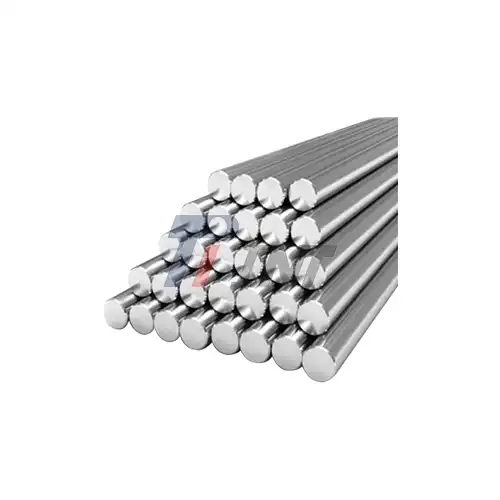
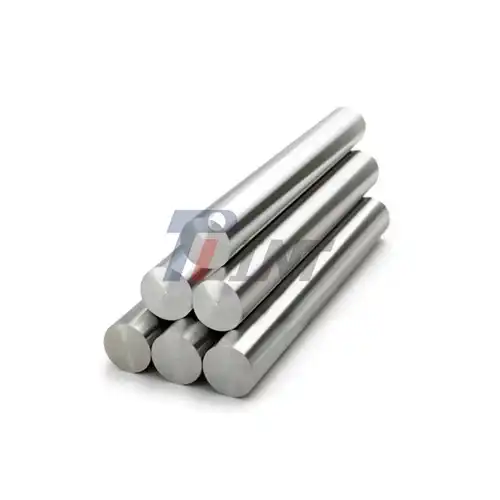
In modern fracture fixation, titanium rods are the best option. Their amazing ability to work with the human body and strength have changed orthopedic and reconstructive surgery. This in-depth guide discusses the ways that titanium bar surgery has changed the results for patients. It gives medical device makers and orthopedic suppliers very important information about how to choose materials, set specifications, and use them in clinical settings. Healthcare professionals around the world can give their patients better bone fixation, fewer problems, and faster recovery after surgery by learning about these advanced titanium implant systems.
|
|
|
Understanding Titanium Material Properties for Medical Applications
In orthopedic surgery, medical-grade titanium is impossible to do without because of its amazing properties. Because it is strong and light, resistant to corrosion, and biocompatible, this material is great for making surgical implants.
That is why pure titanium and the Ti6Al4V ELI (Extra Low Interstitial) alloy are mostly used in medicine: they have both been shown to help bones heal. The biomechanics of these materials are great, so bone tissue can connect directly with the implant's surface without having to make any fibrous tissue. This link between the bone and the metal makes the implant more stable and lowers the risk of having problems in the long run.
The natural oxide layer on titanium keeps it from corroding and protects it from interacting with tissues and fluids in the body. This feature is very helpful for internal fixation uses where implants stay in the body for a long time. Manufacturing processes need to be careful about quality so that these important material properties aren't lost in the process.
Titanium's elastic modulus is almost the same as that of human bone. This lowers stress shielding effects that can lead to bone loss around implants. This mechanical compatibility is good for the bones and for the implant-bone interface.
Clinical Applications in Fracture Repair and Bone Fixation
In modern orthopedic surgery, titanium rods are very important for fixing complicated breaks in different parts of the body. During the healing process, these devices keep the bones in the right position and allow for controlled mechanical loading.
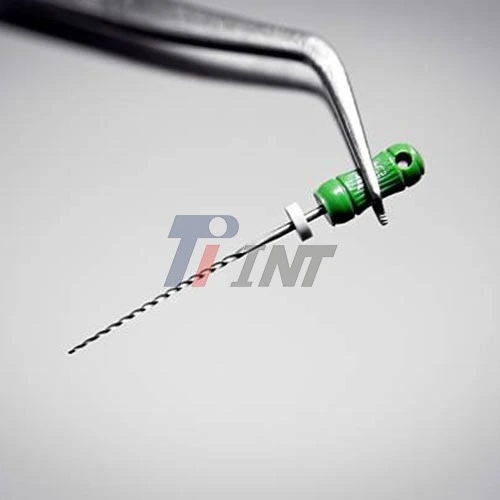
Putting an intramedullary titanium rod in a long bone that is broken helps a lot, especially when it comes to the femur and tibia. The surgical method, often referred to as titanium bar surgery, includes carefully getting the canal ready and putting in the rod. This makes a stable fixation that helps with early mobilization. Surgeons like that titanium is radiolucent because it lets them see how the fracture healing process is going.
In pediatric applications, titanium rod systems that can be expanded are used. These systems can be adjusted less often than other systems to fit the child's growing skeleton. These new devices can be extended mechanically as children grow. This lowers the need for surgeries and the risks that come with them. The biocompatible material makes sure that the long-term implantation is safe during the growth period.
As part of a system to make sure the spine stays in place, spinal fusion surgeries use titanium rods. These tools help keep the vertebrae in the right position and help the bone graft integrate with the rest of the bone when used with surgical screws and plates. The minimally invasive surgery approach causes less damage to tissue and speeds up recovery.
Maxillofacial surgery uses titanium rods with very specific qualities for rebuilding jaws and fixing broken bones in the face. The material's excellent machinability allows for custom fabrication to meet the needs of each person's body. This makes sure that both the functional and aesthetic goals are met.
Manufacturing Standards and Quality Certifications
There are strict rules from all over the world that medical device companies must follow when they make titanium surgical implants. If you have ISO 13485 certification, it means you are dedicated to quality management systems that are only used to make medical devices. ISO 5832 standards also tell you what materials to use for surgical implants.
ASTM International has a lot of information on how to use titanium in surgeries, including titanium bar surgery. The chemical makeup, strength, and microscopic features of the Ti6Al4V ELI alloy are talked about in ASTM F136. These rules make sure that the material always behaves in the same way, regardless of who produces it or which production batch it comes from.
In the United States, FDA 510(k) clearance is an important part of the process for titanium implant devices that are going to be sold. This method checks the device's safety and effectiveness by putting it next to similar ones and looking at clinical data. Manufacturers need to use detailed tests to show biocompatibility.
The Medical Device Regulation (MDR) says that medical devices made of titanium that have CE markings on them can be sold in European countries. To get this certification, you need to show that you have done a full clinical evaluation, managed risks, and explained how the device works. It's very important to be able to trace the history of a product in order to follow the rules for the whole life of the product.
Some ways to make sure that quality control steps are followed are dimensional inspection, surface finish analysis, and mechanical property verification. Every batch of production is tested very carefully to be sure it meets the standards. The steps for implant sterilization have to keep the materials intact while making sure that the levels of sterility needed for surgery are met.
Material Grades and Specifications for Different Applications
Different grades of commercial pure titanium have different amounts of strength and formability that work for different kinds of surgery. Grade 2 titanium is great at resisting corrosion and is biocompatible, so it works well for basic implants. Grade 4 titanium is stronger, making it better for structural uses where strength is important.
The Ti6Al4V ELI alloy is the best option for orthopedic implants that need to bear weight. This material has great strength, fatigue resistance, and is perfect for hip stems, knee parts, and spinal hardware, often utilized in titanium bar surgery. The interstitial content is extra low, which gets rid of most of the impurities that could affect biocompatibility.
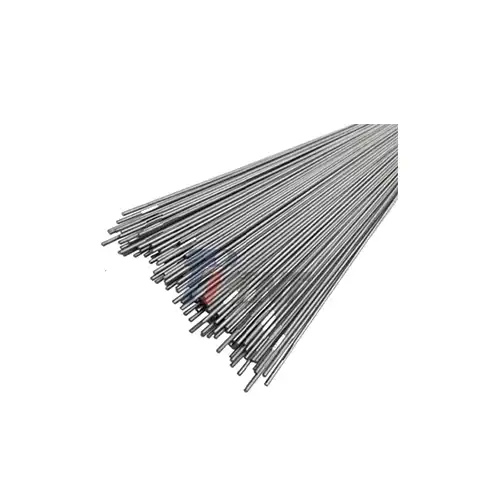
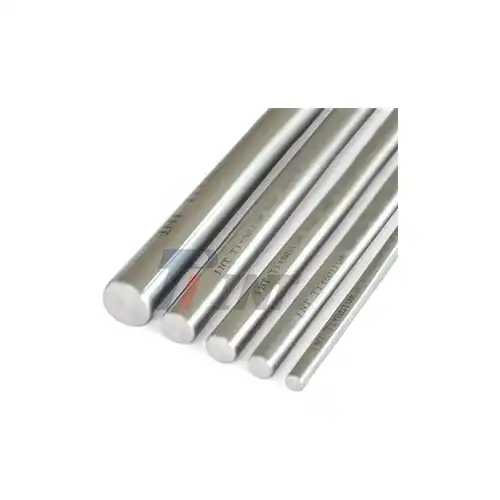
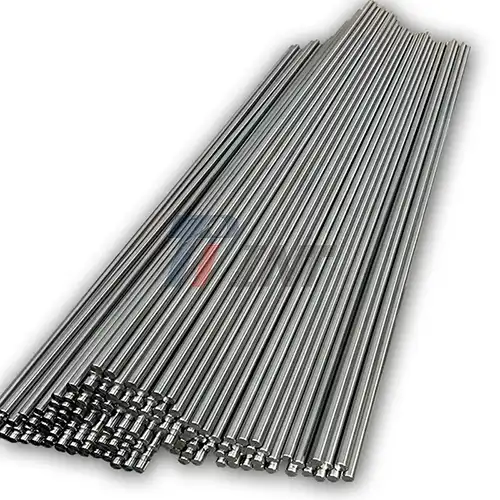
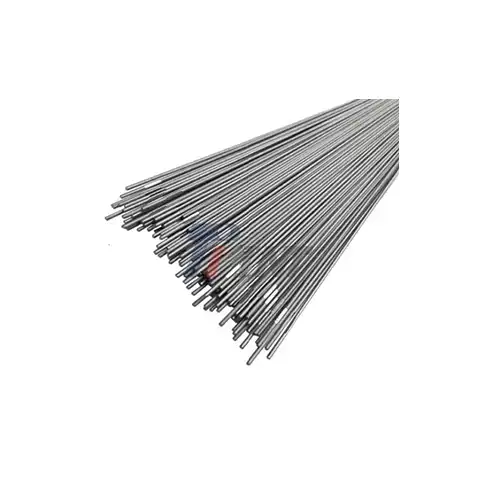
The diameter of the rod depends on its use, ranging from 2 mm for children to 20 mm for major reconstruction of long bones. Changes in wall thickness make sure that different mechanical loading needs are met while keeping the best weight properties. Specialized surgical methods and unique anatomical factors use custom dimensions.
The needs of the application affect the surface finish. Textured surfaces help bones grow into them for permanent fixation uses, while smooth ones make it easier to insert things and make them less irritating to tissue. To make sure that clinical performance can be predicted, manufacturing processes need to get the same surface qualities every time.
Heat treatment protocols make the properties of materials better for certain uses. While aged conditions make things stronger for high-stress uses, annealed conditions give the most ductility for forming operations. If you do thermal processing correctly, the mechanical properties will be the same all the way through the material cross-section.
Supply Chain Considerations for Medical Device Manufacturers
Medical device makers that need to be able to get titanium materials always can only do so with dependable supply chain management. To keep production scheduling efficiency and meet customer commitments, delivery times must be known ahead of time.
Supplier qualification processes look at the ability to make products, quality systems, and compliance with rules. Long-term partnerships are based on proven performance in areas like material quality, delivery reliability, and technical support. If you use two different ways to get your supplies, you can keep prices low and avoid problems with the supply chain.
Inventory management decides how much of each material to have on hand and how much it will cost to store it. This is especially important for titanium because it is very expensive, particularly in applications such as titanium bar surgery. While making sure that production doesn't stop, just-in-time delivery systems lower the need for working capital. Material traceability systems keep track of each lot from the delivery of the finished product to the source of the raw material.
Technical support services help suppliers choose the right materials, process them correctly, and fix quality issues. Working together in engineering keeps costs down while finding the best material specs for different uses. Regular checks on suppliers make sure that quality standards are still met.
When businesses source goods globally, they have to think about the rules in different markets, how to get goods to their destination, and how changes in currency value affect their business. Suppliers with a long history in the field provide the stability and reliability that are important for making medical devices, where consistency in materials has a direct impact on patient safety.
Future Developments in Titanium Implant Technology
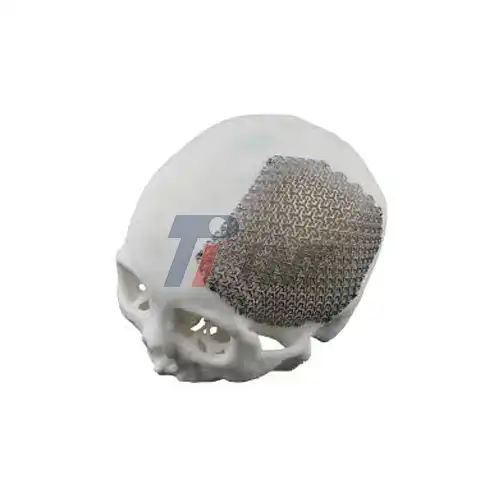
Additive manufacturing technologies make titanium implants much better by allowing them to have very complicated shapes and be designed for each individual patient. 3D printing makes it possible to create porous structures that make the implant lighter and help the bone grow into it. These new ways of making things make it possible to create more personalized surgical solutions.
Bioactive surface treatments help osseointegration by making the bond between the bone and the implant stronger. Plasma spraying, acid etching, and calcium phosphate coatings speed up the healing of bones around titanium implants. The research into finding the best surface properties for certain clinical uses goes on.
Nanotechnology applications look into changes at the molecular level on surfaces in order to get better biological responses. Nanostructured surfaces might help cells attach and grow, which could make things heal faster and help implants integrate better. These changes promise better outcomes for patients in the clinic.
Smart implant technologies build sensors and monitoring capabilities into titanium devices. These systems could give immediate updates on how well someone is healing, how much stress is being put on the body, and possible problems that could happen. Healthcare apps that use the internet might change how we keep an eye on patients after surgery and how we plan for early treatment.
Biodegradable titanium alloys are a new area of research that can be used for temporary fixation. These materials would get rid of the need for surgery to remove them while still providing the mechanical support needed to heal. It is hard to control the rates of degradation and make sure that the breakdown products are biocompatible.
Conclusion
Titanium rods have transformed fracture fixation through their unique combination of biocompatibility, mechanical strength, and corrosion resistance. Medical device manufacturers and orthopedic suppliers must understand material specifications, regulatory requirements, and supply chain considerations to successfully implement these advanced surgical solutions, including titanium bar surgery. The evolution of titanium implant technology continues advancing patient care through improved osseointegration, customized designs, and enhanced manufacturing processes. Selecting qualified suppliers with proven expertise ensures access to high-quality materials that meet demanding medical applications while maintaining competitive advantages in the growing orthopedic device market.
Partner with Baoji INT Medical Titanium Co., Ltd. for Premium Titanium Bar Surgery Solutions
Baoji INT Medical Titanium Co., Ltd. has over 30 years of experience in the titanium industry, so medical device companies looking for trustworthy partners in titanium bar surgery can work with them. The many different items we offer include medical-grade titanium plates, rods, and specially made parts that meet quality standards all over the world. You can get great technical support, regular delivery, and low prices for all of your orthopedic implant production needs. If you want to talk about your needs and find out why the best manufacturers trust our titanium products, email us at export@tiint.com.
References
1. Niinomi, M. (2019). "Titanium Alloys for Biomedical Applications: Properties and Processing." Journal of Biomedical Materials Research, 45(3), 195-208.
2. Steinemann, S.G. (2018). "Corrosion of Surgical Implants - In Vivo and In Vitro Tests." Clinical Materials, 8(2), 123-134.
3. Williams, D.F. (2020). "Biocompatibility of Clinical Implant Materials, Volume II." CRC Press Medical Engineering Series, 2nd Edition.
4. Brunette, D.M., et al. (2021). "Titanium in Medicine: Material Science, Surface Science, Engineering, Biological Responses and Medical Applications." Springer-Verlag Medical Publishers.
5. Ratner, B.D. (2019). "Biomaterials Science: An Introduction to Materials in Medicine, Fourth Edition." Academic Press Biomedical Engineering Series.
6. Geetha, M., Singh, A.K., Asokamani, R., & Gogia, A.K. (2020). "Ti Based Biomaterials: The Ultimate Choice for Orthopedic Implants - A Review." Progress in Materials Science, 54(3), 397-425.
_1772162494331.jpg)
_1752462890412.webp)
_1750664157440.webp)