

Patient Guide to Living With Titanium Implants


 2026-03-19 08:50:25
Living with titanium implants represents a transformative journey for millions of patients worldwide who have undergone oral rehabilitation procedures. The success of modern dental implantology largely depends on the quality and performance of dental implant titanium bar systems, which serve as the foundation for prosthetic teeth. These medical-grade components have revolutionized how we approach tooth replacement, offering patients a permanent solution that closely mimics natural tooth function. Understanding the materials, procedures, and long-term considerations associated with titanium implants empowers both patients and healthcare professionals to make informed decisions about treatment options.
|
|
|
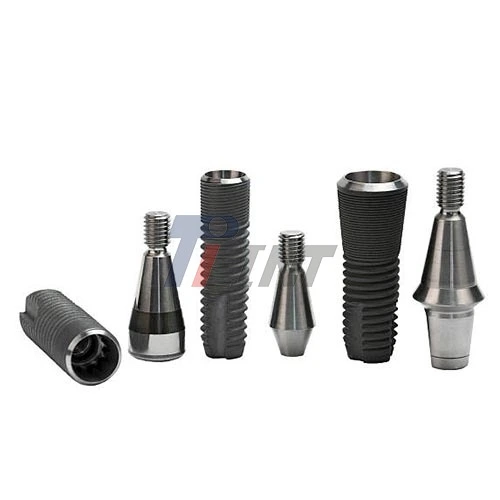
Introducing Titanium Implant Bars: Materials, Functionality, and Benefits
Titanium embed bars speak to the apex of present day dental designing, combining extraordinary biocompatibility with unmatched mechanical properties. These components utilize medical-grade titanium amalgams, especially Ti6Al4V ELI (Additional Moo Interstitial), which illustrates prevalent erosion resistance and osseointegration capabilities compared to conventional materials.
Material Composition and Properties
The composition of high-quality titanium embed frameworks depends on exact metallurgical forms that guarantee steady fabric properties. Medical-grade titanium shows exceptional characteristics that make it perfect for long-term implantation in the human body. The material's characteristic biocompatibility stems from its capacity to frame a steady oxide layer that avoids unfavorable tissue responses whereas advancing sound bone integration.
Titanium's interesting properties incorporate extraordinary strength-to-weight proportion, erosion resistance in organic situations, and warm solidness. These characteristics contribute to embed life span and understanding consolation over amplified periods. Inquire about shows that appropriately fabricated titanium inserts can keep up their basic astuteness for decades when backed by suitable verbal cleanliness protocols.
Biomechanical Design and Load Distribution
The engineering behind dental implant titanium bar systems involves sophisticated biomechanical considerations that optimize stress distribution throughout the supporting bone structure. Advanced design methodologies ensure that masticatory forces are transmitted efficiently from the prosthetic restoration through the implant system to the surrounding bone tissue.
Modern embed bars highlight precision-engineered surface medications that improve osseointegration whereas keeping up the auxiliary astuteness vital for long-term work. The geometric plan of these components has advanced altogether based on clinical inquire about and persistent result information, coming about in made strides victory rates and diminished complications.
The Titanium Bar Dental Implant Procedure and Aftercare
The implantation process involving titanium bar systems requires meticulous planning and execution to achieve optimal clinical outcomes. Understanding this procedure helps patients prepare mentally and physically for their treatment journey while establishing realistic expectations for recovery and long-term maintenance.
Pre-Surgical Assessment and Planning
Comprehensive pre-surgical assessment includes nitty gritty therapeutic history survey, radiographic appraisal, and bone quality investigation. Progressed imaging strategies, counting cone pillar computed tomography (CBCT), give three-dimensional visualization of anatomical structures, empowering exact treatment arranging and embed positioning.
Patient selection criteria include adequate bone volume and density, absence of active periodontal disease, and commitment to long-term maintenance protocols. Medical conditions such as uncontrolled diabetes or immunocompromised states may require additional considerations or treatment modifications to ensure successful outcomes.
Surgical Placement and Healing Phases
The surgical placement of dental implant titanium bar components follows established protocols designed to minimize trauma while optimizing healing conditions. The procedure typically involves controlled osteotomy preparation, precise implant insertion, and appropriate soft tissue management to promote successful osseointegration.
Healing stages taking after embed arrangement include introductory wound mending (1-2 weeks), taken after by osseointegration (3-6 months), amid which bone tissue develops into coordinate contact with the embed surface. This organic prepare makes a steady establishment for prosthetic rebuilding and long-term function.
Post-Operative Care and Maintenance
Successful long-term results depend intensely on persistent compliance with post-operative care enlightening and progressing support conventions. Quick post-surgical care centers on torment administration, contamination avoidance, and assurance of the mending tissues from intemperate mechanical stress. Long-term support includes customary proficient cleanings, radiographic observing, and quiet instruction with respect to appropriate verbal cleanliness strategies. Considers illustrate that patients who keep up amazing verbal cleanliness and go to normal follow-up arrangements involvement essentially higher embed survival rates compared to those with destitute compliance.
Comparing Titanium Bars with Alternative Dental Implant Solutions
The dental implant market offers various material options and design configurations, each with distinct advantages and limitations. Understanding these differences enables informed decision-making for both patients and procurement professionals involved in healthcare delivery systems.
Titanium Versus Zirconia Implant Systems
Material determination between titanium and zirconia embed frameworks includes assessing numerous components counting mechanical properties, biocompatibility, and tasteful contemplations. Titanium inserts illustrate predominant mechanical quality and set up long-term clinical information, whereas zirconia frameworks offer moved forward aesthetics in certain clinical situations. Titanium's demonstrated track record incorporates decades of clinical investigate supporting its security and viability in dental applications. The material's capacity to osseointegrate typically has made it the gold standard for embed dentistry, with victory rates surpassing 95% when legitimate conventions are followed.
Traditional Implants Versus Bar-Supported Systems
Dental implant titanium bar systems provide enhanced stability and load distribution compared to individual implant restorations, particularly in cases involving multiple missing teeth. Bar-supported prosthetics offer improved retention and patient comfort while reducing the number of implants required for full arch rehabilitation. Cost-effectiveness analysis reveals that bar-supported systems can provide superior value in complex cases requiring extensive reconstruction. The reduced number of surgical sites and simplified prosthetic protocols often result in lower overall treatment costs while maintaining excellent clinical outcomes.
Procurement Considerations for Dental Implant Titanium Bars
Effective procurement strategies for titanium implant systems require comprehensive understanding of quality standards, supplier capabilities, and market dynamics. Healthcare organizations must balance cost considerations with quality requirements to ensure optimal patient outcomes while maintaining financial sustainability.
Quality Standards and Certification Requirements
Medical gadget controls order strict compliance with worldwide benchmarks counting ISO 13485, FDA endorsements, and CE checking necessities for embed frameworks. These certifications guarantee that items meet thorough security and execution benchmarks all through the fabricating and dissemination process. Supplier choice ought to prioritize producers with illustrated mastery in medical-grade titanium preparing and comprehensive quality administration frameworks. Long-term associations with qualified providers give supply chain solidness and specialized back basic for fruitful clinical programs.
Supply Chain Management and Logistics
Effective supply chain management for dental implant titanium bar systems involves evaluating supplier reliability, inventory management capabilities, and geographic distribution networks. Stable supply relationships ensure consistent product availability while minimizing disruptions to patient care schedules.
Procurement professionals should consider factors such as lead times, minimum order quantities, and technical support capabilities when evaluating potential suppliers. Establishing relationships with manufacturers who provide comprehensive technical documentation and training resources enhances clinical success rates and reduces implementation challenges.
Future Trends and Strategic Insights in Titanium Implant Bar Solutions
The dental implant industry continues evolving through technological advancement and innovation in material science. Understanding emerging trends enables stakeholders to make strategic decisions that position their organizations for future success while meeting evolving patient needs.
Advanced Material Technologies and Surface Treatments
Recent improvements in titanium amalgam composition and surface adjustment methods guarantee upgraded osseointegration and made strides clinical results. Progressed fabricating forms, counting added substance fabricating and accuracy machining, empower more noteworthy customization and progressed item consistency. Surface treatment advancements, such as bioactive coatings and nanotechnology applications, quicken mending forms whereas diminishing complications. These innovative propels speak to noteworthy openings for organizations looking for competitive points of interest in the embed market.
Market Growth and Demographic Trends
Global statistic patterns, counting populace maturing and expanded dental wellbeing mindfulness, drive supported request development for embed arrangements. The World Wellbeing Organization ventures that the worldwide geriatric populace will require expanding dental recovery administrations over the coming decades. Strategic arranging ought to account for these statistic shifts whereas considering territorial varieties in healthcare conveyance frameworks and repayment approaches. Organizations that expect and get ready for these patterns will be superior situated to capture advertise openings and serve advancing persistent populations.
Conclusion
Living with titanium implants represents a life-changing experience that restores both function and confidence for millions of patients worldwide. The success of these treatments depends on high-quality dental implant titanium bar systems manufactured to exacting standards and supported by comprehensive clinical protocols. Understanding the materials, procedures, and long-term considerations associated with titanium implants enables informed decision-making for patients, healthcare providers, and procurement professionals. As technology continues advancing and demographic trends drive market growth, organizations that prioritize quality, innovation, and patient outcomes will be best positioned for sustained success in the evolving implant market.
FAQ
How Long Do Titanium Implant Bars Last?
Titanium embed bars regularly illustrate extraordinary life span, with clinical considers appearing survival rates surpassing 95% at 10 a long time when appropriate support conventions are taken after. The inborn erosion resistance and biocompatibility of medical-grade titanium contribute to this amazing strength. Variables influencing life span incorporate persistent verbal cleanliness, smoking status, systemic wellbeing conditions, and normal proficient upkeep. With suitable care, numerous patients can anticipate their titanium embed frameworks to work viably for 20-30 a long time or longer.
What Are the Cost Differences Between Titanium and Alternative Materials?
Titanium embed frameworks by and large speak to a cost-effective arrangement when considering long-term esteem and demonstrated clinical execution. Whereas beginning costs may be comparable to elective materials like zirconia, titanium's built up track record and lower complication rates regularly result in way better generally esteem. The broad clinical inquire about supporting titanium inserts gives certainty in treatment results, possibly diminishing the require for future intercessions or substitutions that might increment lifetime costs.
What Aftercare Protocols Are Essential for Implant Success?
Successful embed support requires steady day by day verbal cleanliness utilizing suitable methods and instruments planned for embed care. Patients ought to utilize soft-bristled toothbrushes, non-abrasive toothpaste, and specialized interdental cleaning gadgets to keep up ideal tissue wellbeing around embed locales. Proficient support arrangements each 3-6 months permit for comprehensive assessment, proficient cleaning, and early location of potential complications. Maintaining a strategic distance from hurtful propensities such as smoking and over the top constrain application makes a difference guarantee long-term embed solidness and success.
Partner with Baoji INT Medical Titanium Co., Ltd. for Superior Implant Solutions
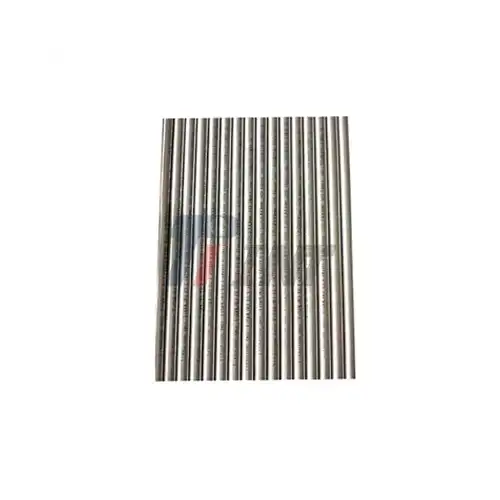
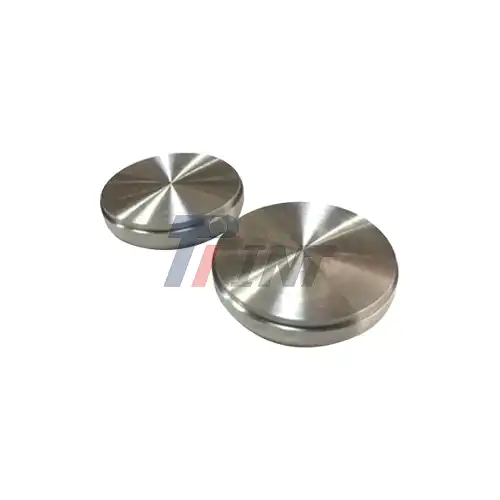
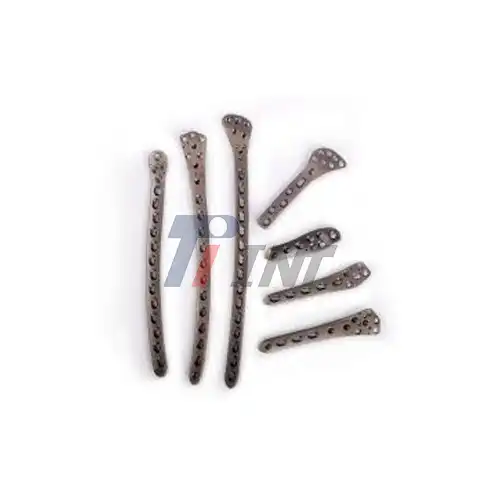
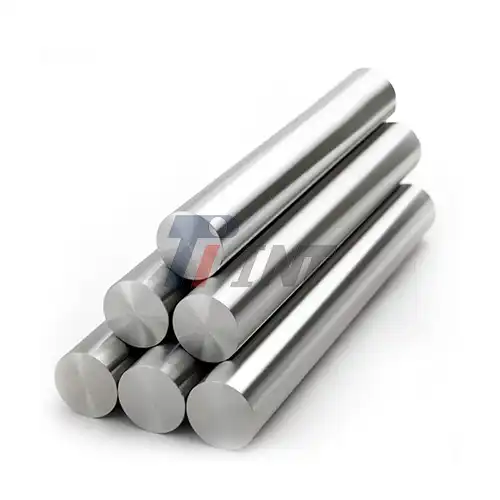
Baoji INT Medical Titanium Co., Ltd. stands as your trusted dental implant titanium bar manufacturer with over 20 years of specialized experience in medical-grade titanium processing. Our comprehensive product portfolio includes Ti6Al4V ELI titanium rods, plates, and custom forged components that meet the most demanding clinical requirements. With complete ISO 13485:2016 certification and FDA compliance, we provide reliable supply chain solutions for medical device manufacturers, OEM partners, and dental distributors worldwide. Contact our technical team at export@tiint.com to explore customized titanium solutions that enhance your product offerings and clinical outcomes.
References
1. Branemark PI, Hansson BO, Adell R, et al. Osseointegrated implants in the treatment of the edentulous jaw: Experience from a 10-year period. Scandinavian Journal of Plastic and Reconstructive Surgery. 1977;16:1-132.
2. Albrektsson T, Zarb GA. Current interpretations of the osseointegrated response: Clinical significance. International Journal of Prosthodontics. 1993;6(2):95-105.
3. Esposito M, Hirsch JM, Lekholm U, Thomsen P. Biological factors contributing to failures of osseointegrated oral implants. European Journal of Oral Sciences. 1998;106(3):721-764.
4. Wennerberg A, Albrektsson T. Effects of titanium surface topography on bone integration: A systematic review. Clinical Oral Implants Research. 2009;20(4):172-184.
5. Jung RE, Zembic A, Pjetursson BE, et al. Systematic review of the survival rate and the incidence of biological, technical, and aesthetic complications of single crowns on implants reported in longitudinal studies with a mean follow-up of 5 years. Clinical Oral Implants Research. 2012;23(6):2-21.
6. Cochran DL, Nummikoski PV, Higginbottom FL, et al. Evaluation of an endosseous titanium implant with a sandblasted and acid-etched surface in the canine mandible: Radiographic results. Clinical Oral Implants Research. 1996;7(3):240-252.
_1752818186472.webp)