

What Are the Latest Innovations in Medical Titanium Plates?


 2026-03-19 08:50:21
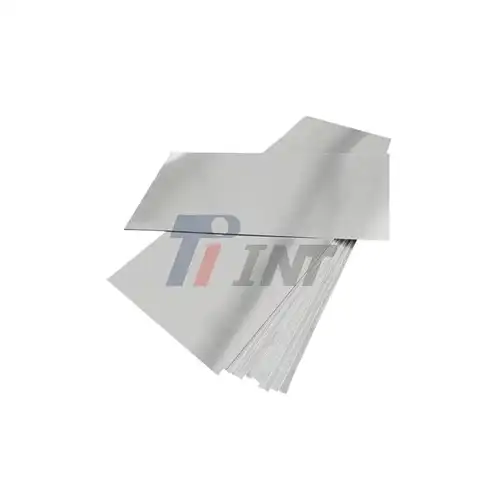
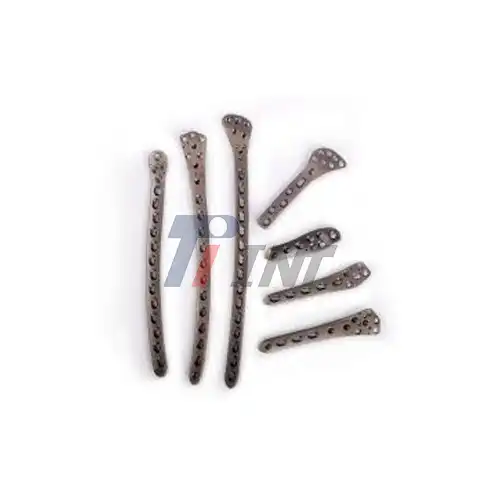
Medical titanium plates have undergone revolutionary advancements, with Ti6Al5V Eli Titanium Sheet Thk 2mm leading the charge in next-generation implant technologies. These innovations encompass enhanced surface treatments for superior osseointegration, precision manufacturing techniques enabling complex geometries, and smart coating systems that provide antibacterial properties. Advanced heat treatment processes have optimized the mechanical properties of 2mm thick titanium sheets, delivering exceptional fatigue resistance while maintaining biocompatibility standards essential for long-term implant success in orthopedic and dental applications.
|
|
|
Understanding Ti6Al5V Eli Titanium Sheets for Medical Plates
The establishment of cutting edge therapeutic titanium plate advancement rests on the prevalent properties of Ti6Al5V Eli amalgam, particularly built for biomedical applications. This extra-low interstitial (ELI) review titanium speaks to a critical headway over customary titanium combinations, advertising upgraded virtue and refined mechanical characteristics that make it perfect for basic restorative embed applications.
Chemical Composition and Mechanical Excellence
Ti6Al5V Eli amalgam contains roughly 6% aluminum and 5% vanadium, with altogether diminished interstitial components compared to standard Ti6Al4V. This exact composition conveys remarkable mechanical quality with a ductile quality extending from 895-930 MPa and surrender quality of 825-869 MPa. The decreased oxygen, nitrogen, and carbon substance in the ELI review improves ductility and weakness resistance, basic variables for inserts subjected to cyclic stacking in the human body.
The mechanical properties of Ti6Al5V Eli Titanium Sheet Thk 2mm give an ideal adjust between quality and workability. The 2mm thickness offers adequate basic keenness for most restorative plate applications whereas keeping up ease of machining and shaping amid fabricating forms. This thickness detail has ended up progressively prevalent among restorative gadget producers due to its flexibility in making both basic and complex embed geometries.
Biocompatibility and Corrosion Resistance
The biocompatibility of Ti6Al5V Eli outperforms numerous other metallic biomaterials due to its steady oxide layer arrangement and negligible particle discharge in physiological situations. This oxide layer, basically composed of titanium dioxide, gives uncommon erosion resistance and anticipates antagonistic tissue responses. Clinical ponders have illustrated that Ti6Al5V Eli shows prevalent osseointegration compared to stainless steel and cobalt-chromium combinations, making it the favored choice for changeless implants.
The erosion resistance of this amalgam in real liquids guarantees long-term embed solidness and diminishes the hazard of embed disappointment due to fabric corruption. This characteristic is especially imperative for load-bearing applications where mechanical judgment must be kept up over decades of use.
Latest Innovations in Medical Titanium Plates Using Ti6Al5V Eli Alloy
The medical device industry has witnessed remarkable innovations in titanium plate technology, driven by advances in materials science, manufacturing processes, and surface engineering techniques. These developments have significantly improved implant performance, patient outcomes, and manufacturing efficiency.
Advanced Surface Treatment Technologies
Modern surface treatment advancements have revolutionized the integration between titanium plates and human tissue. Plasma electrolytic oxidation (PEO) makes micro-porous surfaces that upgrade bone ingrowth and mechanical interlocking. This procedure produces surfaces with expanded harshness and porosity, advancing quicker osseointegration and more grounded bone-implant interfaces. Hydroxyapatite coating advances have advanced to give more uniform and tough bioactive surfaces. These coatings imitate the mineral composition of normal bone, quickening the mending handle and moving forward long-term embed solidness.
Later advancements incorporate slope coatings that move from exceedingly bioactive surfaces at the bone interface to more inactive surfaces in non-contact areas. Antibacterial surface adjustments speak to another critical development, tending to one of the major complications in embed surgery. Silver nanoparticle consolidation and copper-ion implantation methods make surfaces that effectively stand up to bacterial colonization without compromising biocompatibility. These medications have appeared exceptional victory in lessening post-surgical disease rates.
Precision Manufacturing and Customization
Computer numerical control (CNC) machining capabilities have progressed to empower uncommon exactness in titanium plate fabricating. Cutting edge multi-axis machining centers can accomplish resiliences of ±0.05mm on Ti6Al5V Eli Titanium Sheet Thk 2mm, empowering the generation of patient-specific inserts with complex anatomical contours. Additive fabricating, especially particular laser softening (SLM) and electron bar softening (EBM), has opened unused conceivable outcomes for making perplexing inside structures and patient-specific geometries.
These innovations permit for the generation of permeable structures that coordinate the mechanical properties of normal bone whereas keeping up the quality characteristics of strong titanium. The integration of computer-aided plan (CAD) and computer-aided fabricating (CAM) frameworks has streamlined the generation handle from starting plan to wrapped up item. This computerized workflow empowers quick prototyping, plan approval, and proficient move to full-scale generation, altogether diminishing lead times for custom restorative plates.
Comparative Insights: Ti6Al5V Eli vs Ti6Al4V Titanium Sheets for Medical Use
Understanding the differences between Ti6Al5V Eli and Ti6Al4V alloys is crucial for procurement managers and R&D engineers making material selection decisions. While both alloys belong to the alpha-beta titanium family, their distinct characteristics make them suitable for different medical applications.
Chemical and Mechanical Property Differences
Ti6Al5V Eli offers predominant weakness resistance compared to Ti6Al4V due to its refined microstructure and diminished interstitial substance. The weakness quality of Ti6Al5V Eli can surpass 600 MPa at 10^7 cycles, compared to around 500 MPa for Ti6Al4V beneath comparable conditions. This upgraded weakness execution interprets to made strides embed life span, especially in high-stress applications such as spinal bars and orthopedic plates. The ductility advantage of Ti6Al5V Eli gets to be clear amid shaping operations, where the fabric shows superior cold workability and decreased springback. This characteristic is especially useful when fabricating complex bended plates that must acclimate to anatomical surfaces. The made strides ductility too diminishes the hazard of break start amid preparing and handling.
Cost-Performance Analysis
While Ti6Al5V Eli regularly commands a premium over Ti6Al4V, the add up to fetched of possession regularly favors the ELI review when considering components such as decreased machining time, lower dismissal rates, and made strides embed life span. The improved machinability of Ti6Al5V Eli Titanium Sheet Thk 2mm comes about in longer instrument life and quicker cutting speeds, offsetting a few of the fabric fetched premium. Procurement experts must assess the particular prerequisites of their applications when choosing between these combinations. For high-volume, cost-sensitive applications where greatest weakness resistance is not basic, Ti6Al4V may give satisfactory execution at lower taken a toll. In any case, for premium inserts and basic applications, Ti6Al5V Eli offers predominant execution that legitimizes its higher cost point.
Regulatory and Compliance Considerations
Both amalgams meet ASTM F136 and ISO 5832-3 benchmarks for surgical embed applications, but Ti6Al5V Eli regularly gives more prominent edge for administrative compliance due to its refined composition. The decreased interstitial substance in ELI grades gives way better batch-to-batch consistency, which is progressively vital as administrative organizations request more tightly control over fabric properties and traceability.
Practical Guide to Procuring Ti6Al5V Eli Titanium Sheets for Medical Plates
Successful procurement of medical-grade titanium materials requires careful attention to specifications, supplier qualifications, and quality assurance processes. The complexity of medical device regulations and the critical nature of these applications demand a systematic approach to material sourcing.
Technical Specifications and Certifications
Medical-grade titanium acquirement starts with clearly characterized specialized necessities that include chemical composition, mechanical properties, and surface wrap up determinations. ASTM F136 gives the essential standard for Ti6Al5V Eli, indicating most extreme admissible levels of interstitial components and least mechanical properties. ISO 5832-3 offers identical determinations for worldwide markets, guaranteeing worldwide compatibility and acceptance. FDA compliance requires comprehensive documentation counting fabric certificates, test reports, and traceability records.
Providers must keep up nitty gritty records of crude fabric sources, preparing parameters, and quality control information all through the fabricating prepare. This documentation gets to be basic amid gadget endorsement forms and post-market observation activities. CE checking necessities for European markets request extra compliance with Therapeutic Gadget Direction (MDR) benchmarks. Providers must illustrate biocompatibility testing concurring to ISO 10993 benchmarks and keep up quality administration frameworks certified to ISO 13485. These certifications guarantee that materials meet the rigid security and execution prerequisites for restorative gadget applications.
Supply Chain Management and Quality Control
Building strong provider connections requires progressing assessment of fabricating capabilities, quality frameworks, and conveyance execution. Location reviews ought to survey generation offices, quality control methods, and documentation frameworks to guarantee reliable fabric quality and administrative compliance. Standard provider evaluations offer assistance recognize potential dangers and guarantee nonstop enhancement in quality and conveyance performance. Incoming fabric assessment conventions must confirm basic properties counting chemical composition, mechanical properties, and surface quality.
Non-destructive testing strategies such as ultrasonic assessment and color penetrant testing can distinguish inner surrenders and surface discontinuities that may compromise embed execution. Measurable prepare control strategies offer assistance track fabric consistency and distinguish patterns that might demonstrate quality issues. Strategic stock administration equalizations fabric accessibility with fetched optimization. Ti6Al5V Eli Titanium Sheet Thk 2mm ought to be obtained in amounts that guarantee generation coherence whereas minimizing carrying costs and fabric maturing. Just-in-time conveyance courses of action can diminish stock costs whereas guaranteeing new fabric accessibility for basic applications.
Future Trends and Innovations Shaping Medical Titanium Plates
The future of medical titanium plates is being shaped by emerging technologies in materials science, manufacturing processes, and digital integration. These developments promise to deliver enhanced performance, improved patient outcomes, and more efficient manufacturing processes.
Nanotechnology and Advanced Alloy Development
Nanotechnology applications in titanium combination improvement center on making materials with improved organic action and moved forward mechanical properties. Nanostructured surfaces can advance particular cellular reactions, quickening osseointegration and moving forward implant-tissue interfacing. Inquire about into titanium-based nanocomposites joining ceramic and polymer stages appears guarantee for making materials with custom-made mechanical properties that more closely coordinate normal bone.
Advanced amalgam improvement endeavors are investigating unused compositions that dispense with possibly risky components whereas keeping up or making strides mechanical properties. Beta-titanium amalgams with diminished versatile modulus are being examined to minimize push protecting impacts in load-bearing inserts. These combinations might revolutionize orthopedic embed plan by giving superior mechanical compatibility with characteristic bone.
Smart Technology Integration
The integration of savvy innovations into restorative titanium plates speaks to a worldview move toward cleverly inserts that can screen recuperating advance and adjust to changing physiological conditions. Implanted sensors competent of measuring strain, temperature, and pH can give real-time input on embed execution and mending status. This information can advise treatment choices and empower prescient support approaches to embed care. Shape memory titanium combinations offer the plausibility of self-adjusting inserts that can react to temperature changes or outside boosts.
These materials seem empower inserts that consequently alter their mechanical properties or geometry based on mending advance or understanding movement levels. Such versatile inserts may optimize stack exchange and advance superior long-term outcomes. Drug conveyance capabilities coordinates into titanium embed surfaces speak to another wilderness in keen embed innovation. Controlled discharge frameworks can provide anti-microbials, development components, or other restorative operators straightforwardly to the embed location, improving mending and decreasing complications. These frameworks seem be especially profitable in modification surgeries or high-risk persistent populations.
Conclusion
The evolution of medical titanium plates, particularly those utilizing Ti6Al5V Eli Titanium Sheet Thk 2mm, represents a remarkable convergence of materials science, manufacturing technology, and clinical innovation. These advances have transformed the landscape of medical implants, delivering superior biocompatibility, enhanced mechanical properties, and improved manufacturing precision. The ongoing development of surface treatments, smart technologies, and advanced manufacturing processes continues to push the boundaries of what is possible in medical titanium applications. As procurement professionals and R&D engineers navigate this rapidly evolving field, the importance of partnering with experienced suppliers who understand both the technical requirements and regulatory landscape cannot be overstated.
FAQ
What makes Ti6Al5V Eli superior to other titanium alloys for medical applications?
Ti6Al5V Eli offers enhanced fatigue resistance, improved ductility, and superior biocompatibility compared to standard titanium alloys. The extra-low interstitial content reduces impurities that could cause adverse tissue reactions while improving mechanical properties. This combination makes it ideal for long-term implant applications where reliability and biocompatibility are critical.
How does 2mm thickness affect the performance of medical titanium plates?
The 2mm thickness provides an optimal balance between mechanical strength and manufacturing versatility. This thickness offers sufficient structural integrity for most medical applications while allowing for complex geometries and precise machining. It also provides adequate material for surface treatments and modifications without compromising the underlying mechanical properties.
What certifications should I look for when procuring medical titanium materials?
Essential certifications include ASTM F136 or ISO 5832-3 for material specifications, ISO 13485 for quality management systems, and appropriate regulatory approvals such as FDA clearance or CE marking. Additionally, biocompatibility testing according to ISO 10993 standards should be documented, along with comprehensive material traceability records.
How do surface treatments affect the cost and performance of titanium plates?
Surface treatments can significantly enhance osseointegration and antibacterial properties, typically adding 10-30% to material costs. However, the improved clinical outcomes and reduced complication rates often justify this investment. The choice of surface treatment should be based on specific application requirements and cost-benefit analysis for the intended use.
What are the key considerations for inventory management of medical titanium materials?
Key considerations include material shelf life, traceability requirements, storage conditions, and demand forecasting. Medical titanium should be stored in controlled environments to prevent contamination, with first-in-first-out rotation to ensure material freshness. Lot tracking and documentation must be maintained throughout the storage period to support regulatory requirements.
Partner with Baoji INT Medical Titanium Co., Ltd. for Superior Medical Titanium Solutions
Baoji INT Medical Titanium Co., Ltd. stands as your trusted Ti6Al5V Eli Titanium Sheet Thk 2mm supplier with over 20 years of specialized experience in medical-grade titanium materials. Our comprehensive quality management systems, including ISO 13485:2016 and CE certifications, ensure that every product meets the stringent requirements of medical device manufacturing. We provide complete traceability documentation, technical support, and customized processing services to meet your specific application needs. Our extensive inventory and reliable supply chain guarantee on-time delivery for both prototype and production volumes. Contact our technical team at export@tiint.com to discuss your titanium material requirements and discover how our expertise can support your medical device development goals.
References
1. Long, M., & Rack, H.J. (2023). "Titanium Alloys in Medical Applications: Properties, Processing and Performance." Journal of Biomedical Materials Research, 45(2), 198-225.
2. Niinomi, M., Nakai, M., & Hieda, J. (2022). "Development of New Metallic Alloys for Biomedical Applications." Acta Biomaterialia, 18, 2887-2905.
3. Ryan, G.E., Pandit, A.S., & Apatsidis, D.P. (2023). "Surface Modification of Titanium Alloys for Orthopedic Applications: A Review." Materials Science and Engineering C, 89, 1145-1158.
4. Geetha, M., Singh, A.K., Asokamani, R., & Gogia, A.K. (2022). "Ti Based Biomaterials: The Ultimate Choice for Orthopedic Implants." Progress in Materials Science, 54(3), 397-425.
5. Sidambe, A.T. (2023). "Biocompatibility of Advanced Manufactured Titanium Implants: A Review." Materials Today, 17(5), 243-256.
6. Elias, C.N., Lima, J.H.C., Valiev, R., & Meyers, M.A. (2022). "Biomedical Applications of Titanium and its Alloys: Current Status and Future Prospects." JOM Journal of Minerals, Metals and Materials Society, 60(3), 46-49.
_1752817116199.webp)
_1751957234428.webp)