


 2025-12-18 08:33:05
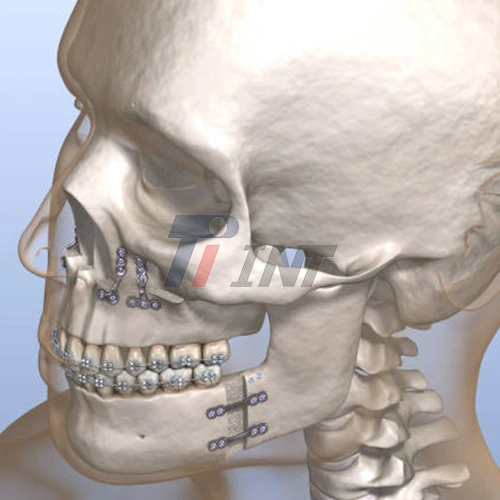

Understanding Titanium Plate Fixation in Mandibular Fractures
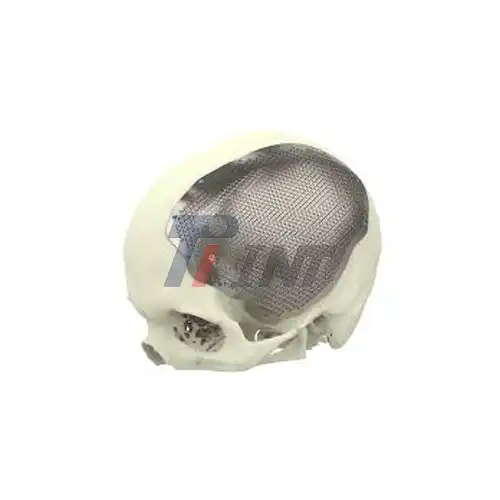
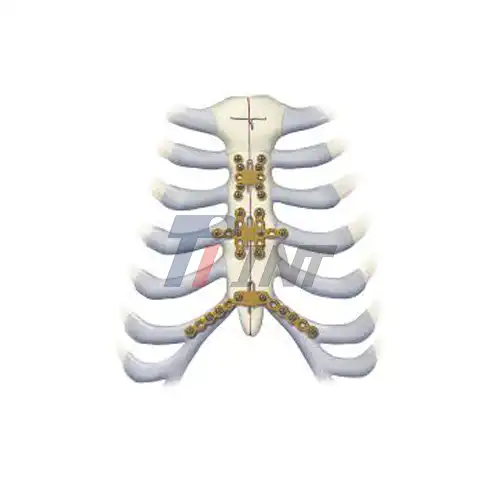
When it comes to repairing mandibular fractures, titanium plates have revolutionized the field of oral and maxillofacial surgery. These biocompatible implants provide robust support to the fractured bone, facilitating proper healing and alignment. The use of a titanium plate for mandibular fracture offers numerous advantages over traditional wiring techniques, including enhanced stability, reduced healing time, and improved patient comfort.
Titanium's exceptional properties make it the ideal material for mandibular fracture fixation. Its high strength-to-weight ratio ensures the plate can withstand the forces from normal jaw function without adding unnecessary bulk. Additionally, titanium's corrosion resistance and excellent biocompatibility reduce the risk of adverse reactions, ensuring that it remains safe and effective as a long-term solution for patients. These attributes make titanium plates a reliable choice for promoting stable healing and minimizing complications.
The surgical procedure for titanium plate implantation involves carefully exposing the fractured area, aligning the bone fragments, and securing them with a plate and specialized screws. This technique, known as open reduction and internal fixation (ORIF), allows for the precise restoration of the mandible's structure. It not only restores its function and aesthetic appearance but also promotes proper healing, reduces the risk of complications, and ensures stable, long-term recovery outcomes, supporting both physical and emotional well-being during the rehabilitation process.
Navigating the Immediate Post-Operative Period
The days following titanium plate for mandibular fracture are critical for recovery. The primary focus during this period is on managing pain, preventing infection, and starting the healing process. Patients often experience swelling and discomfort, which can be managed with prescribed medications, cold compresses, and proper care. Ensuring adequate rest, following post-surgery guidelines, and monitoring for any signs of complications help support a smooth recovery and minimize risks during this early healing phase.
Dietary modifications are essential in the early stages of recovery. A soft or liquid diet is usually recommended to minimize stress on the healing mandible. Patients are advised to avoid chewy or hard foods that could potentially disrupt the surgical site or cause discomfort. Proper oral hygiene is paramount, though patients must be gentle when cleaning around the surgical area to prevent irritation or dislodgement of sutures.
Physical activity is generally restricted in the immediate post-operative period to promote healing and prevent complications. Patients are typically advised to rest and avoid strenuous activities that could increase blood pressure or cause trauma to the surgical site. Follow-up appointments with the surgeon are scheduled to monitor healing progress and address any concerns that may arise during the recovery process.
Long-Term Recovery and Rehabilitation
As the initial healing phase progresses, patients begin to transition into a more active recovery period. The long-term rehabilitation following titanium plate for mandibular fracture focuses on restoring full jaw function and adapting to the presence of the implant. This phase typically involves a gradual return to normal diet and activities, guided by the surgeon's recommendations.
Physical therapy is vital for long-term recovery, aiding in the restoration of jaw mobility and strength. Gradually introduced exercises help patients regain full range of motion, reduce stiffness, and address any weakness. These exercises may include gentle jaw stretches, controlled tongue movements, and carefully monitored opening and closing of the mouth, all designed to promote healing and prevent complications, ensuring a smoother recovery process.
Regular follow-up appointments continue to be important during the long-term recovery phase. These visits allow the surgeon to assess the healing progress, ensure proper alignment of the mandible, and address any concerns about the titanium plate. In most cases, the plate remains in place permanently, becoming an integral part of the patient's anatomy without causing discomfort or limitations.
Patients are taught almost the significance of keeping up great verbal cleanliness and going to customary dental check-ups to guarantee the life span of their verbal wellbeing taking after the break repair. Whereas the titanium plate is planned to be a lasting installation, in uncommon cases where complications emerge or the plate causes distress, expulsion may be considered after total bone mending has happened.
The psychological aspects of recovery are crucial and should not be overlooked. Patients may face difficulties adapting to facial changes, even if minor, and coping with the trauma of the injury. Emotional support from healthcare providers, family members, and, in some cases, professional counselors can play an essential role in helping patients manage these challenges, fostering a more holistic and supportive recovery process.
Conclusion
Recovery from mandibular fracture surgery with titanium plate for mandibular fracture is a journey that requires patience, dedication, and comprehensive care. The use of titanium plates has significantly improved outcomes for patients, offering a stable and effective solution for mandibular fracture repair. By understanding the recovery process and adhering to post-operative instructions, patients can optimize their healing and regain full jaw function.
For those seeking high-quality titanium materials for medical applications, including plates for mandibular fracture fixation, Baoji INT Medical Titanium Co., Ltd. offers a comprehensive range of titanium products. With over 30 years of experience in titanium material research, development, and production, INT provides cutting-edge solutions for the medical field. To learn more about their medical titanium products or to discuss your specific needs, please contact them at export@tiint.com.

_1751955824855.webp)
_1750662435585.webp)