2025-12-18 08:32:53
The Science Behind Titanium Plates in Orthopedic Surgery
Properties of Titanium That Make It Ideal for Bone Fracture Recovery
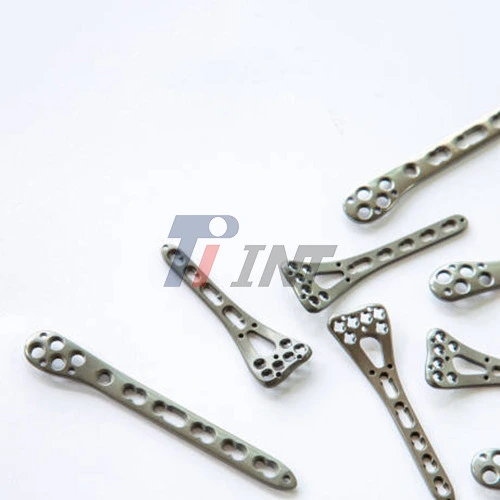
Titanium's unique properties make it an exceptional material for bone fracture recovery. Its high strength-to-weight ratio allows for robust support without adding unnecessary bulk to the surgical site. This characteristic is crucial in maintaining the delicate balance between providing stability and allowing natural movement during the healing process.
The biocompatibility of titanium is another key factor in its effectiveness. Unlike some other materials, titanium integrates well with human tissue, reducing the risk of rejection or adverse reactions. This compatibility enables the body to heal around the plate without complications, fostering a more seamless recovery process.
Corrosion resistance is yet another valuable attribute of titanium plate for bone fracture. In the harsh biochemical environment of the human body, many metals can degrade over time. However, titanium forms a protective oxide layer that prevents corrosion, ensuring the longevity of the implant and reducing the need for follow-up surgeries to replace degraded hardware.
How Titanium Plates Support the Bone Healing Process?
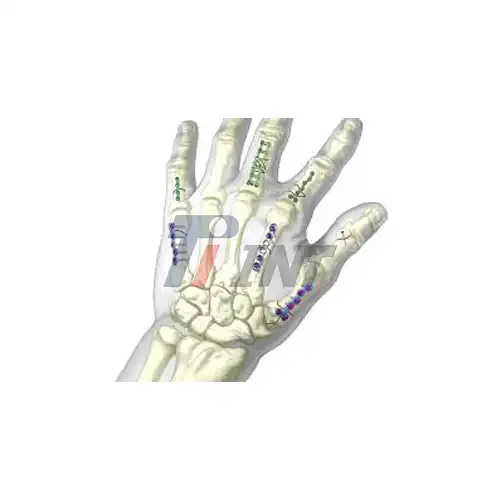
Titanium plates play a crucial role in supporting the bone healing process. By providing rigid fixation, these plates maintain the proper alignment of fractured bone segments, which is essential for optimal healing. This stability allows osteoblasts (bone-forming cells) to bridge the fracture gap and deposit new bone matrix effectively.
Interestingly, while titanium plates offer stability, they also allow for controlled micromotion at the fracture site. This slight movement stimulates bone formation and remodeling, leading to stronger and faster healing. The balance between rigidity and flexibility that titanium plates provide mimics the natural stress patterns in bone, promoting more physiological healing.
Moreover, the low elastic modulus of titanium, which is closer to that of bone compared to other metals, helps in reducing stress shielding. Stress shielding occurs when an implant takes on too much of the load-bearing responsibility, leading to bone weakening. By more evenly distributing forces, titanium plates encourage the bone to maintain its strength and density during the healing process.
Advantages of Using Titanium Plates for Bone Fracture Recovery
Enhanced Patient Comfort and Reduced Recovery Time
The use of titanium plates in bone fracture recovery offers significant advantages in terms of patient comfort and recovery speed. The lightweight nature of titanium means that patients experience less discomfort and fatigue compared to heavier metal implants. This reduced burden on the body allows for easier mobility during the recovery phase, which is crucial for maintaining muscle strength and promoting overall healing.
Recovery time is notably shortened with titanium plates. The stability provided by these implants allows patients to begin controlled movement and rehabilitation exercises earlier in their recovery process. This early mobilization is key to preventing joint stiffness, muscle atrophy, and other complications associated with prolonged immobilization.
Furthermore, the excellent fatigue resistance of titanium plate for bone fracture ensures that they can withstand the repetitive stresses of daily activities without failing. This durability gives patients confidence in their recovery, allowing them to gradually return to normal activities without fear of implant failure.
Customization and Versatility in Surgical Applications
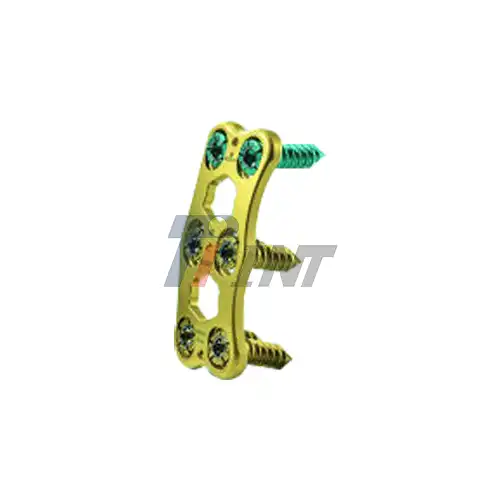
One of the most significant advantages of titanium plates is their customizability. Orthopedic surgeons can tailor these plates to suit the specific needs of each patient and fracture type. This level of customization ensures optimal fit and function, leading to better outcomes and reduced risk of complications.
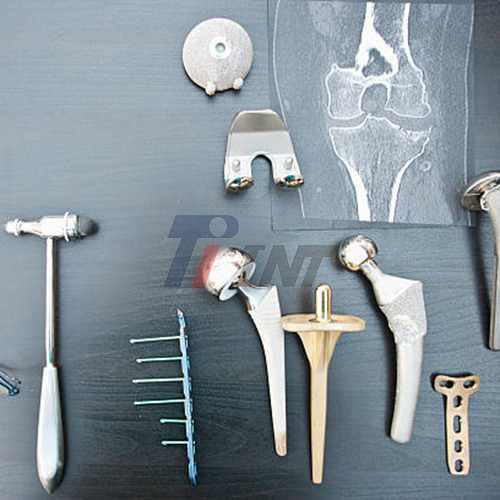
The versatility of titanium plates makes them suitable for a wide range of orthopedic applications. From simple fractures to complex reconstructive surgeries, these plates can be adapted to meet various surgical requirements. This adaptability is particularly valuable in cases where standard implants may not be suitable, such as in pediatric patients or those with unique anatomical considerations.
Advanced manufacturing techniques, including 3D printing, have further expanded the customization possibilities for titanium plates. Surgeons can now work with engineers to design patient-specific implants that perfectly match the contours of the patient's bone, providing unparalleled precision in fracture fixation.
Long-Term Outcomes and Safety Considerations
Clinical Evidence Supporting the Efficacy of Titanium Plates
Numerous clinical studies have demonstrated the long-term efficacy of titanium plates in bone fracture recovery. Research has shown that patients treated with titanium implants experience high rates of successful fracture union, with fewer complications compared to other materials. Long-term follow-up studies have reported excellent functional outcomes and patient satisfaction years after the initial surgery.
One particularly noteworthy aspect of titanium plates is their ability to remain in the body indefinitely without causing harm. Unlike some other materials that may need to be removed after healing, titanium plates can often be left in place, sparing patients from additional surgeries and the associated risks.
The biocompatibility of titanium also contributes to better long-term outcomes. Studies have shown minimal tissue reaction around titanium implants, reducing the risk of chronic inflammation or implant-related pain that can sometimes occur with other materials.
Safety Certifications and Quality Assurance
The safety and reliability of titanium plate for bone fracture is underpinned by rigorous quality assurance processes and international certifications. Trustworthy producers follow to strict guidelines to guarantee the most elevated level of security and adequacy for their items.
For instance, titanium plates and other medical devices must pass comprehensive testing and meet stringent regulatory requirements before they can be used in clinical practice. These include certifications such as ISO9001:2015 for quality management systems and ISO13485:2016 specifically for medical devices.
Also, items expecting for utilize in the European advertise must get CE checking, which implies compliance with wellbeing, security, and natural assurance measures. These certifications give confirmation to both restorative experts and patients that the titanium plates meet the most noteworthy measures of quality and security.
It's worth noting that ongoing surveillance and post-market studies continue to monitor the performance and safety of titanium plates in real-world clinical settings. This vigilance helps to identify any rare complications or long-term effects, ensuring that the benefits of these implants continue to outweigh any potential risks.
Conclusion
In conclusion, titanium plate for bone fracture has proven to be highly effective in bone fracture recovery, offering a combination of strength, biocompatibility, and customization that is unmatched by other materials. Their ability to provide stable fixation while promoting optimal bone healing has revolutionized orthopedic surgery, leading to faster recovery times and better long-term outcomes for patients.
As medical technology continues to advance, we can expect further innovations in the design and application of titanium plates, potentially leading to even more effective treatments for bone fractures and other orthopedic conditions. For those interested in learning more about cutting-edge titanium medical devices or exploring custom solutions for orthopedic applications, please don't hesitate to reach out to our team of experts at export@tiint.com.
_1755062427525.png)
_1750668405487.webp)
_1750664314563.webp)